

Cleansing is just step one. Learn why face wash alone can't clear your skin and what else you need for a healthier, more even complexion.
Face wash alone isn’t enough for clear skin because it only removes surface dirt, oil, and makeup. You also need exfoliation, targeted treatments, moisturizer, and sunscreen to address clogged pores, excess oil, and dark spots. Cleansing is step one, not the whole routine.
Why Cleansing Is Only the First Step
Think of your skin as a living organ that constantly produces oil, sheds dead cells, and renews itself. A face wash removes what’s sitting on the surface—sweat, dirt, makeup, and some excess sebum. But it can’t reach inside pores to dissolve the plug of dead skin cells and oil that forms a blackhead or pimple. It can’t stop melanin from overproducing in response to inflammation, which is what leaves behind dark spots after a breakout. And it certainly can’t replace the moisture barrier that keeps your skin calm and balanced.
Many people believe that if they just find the “right” cleanser, everything will fall into place. That’s a bit like thinking a broom can clean your entire house—it sweeps the floor, but it won’t wash dishes, do laundry, or fix a leaky tap. Your skin has multiple needs, and a single product can’t address them all, no matter how good it is.
That’s why dermatologists often talk about a complete skincare routine rather than a single hero product. It’s the combination of steps—cleansing, treating, moisturizing, and protecting—that creates lasting change. If you’re only cleansing, you’re leaving the other three pillars untouched.
Plus, over-washing in an attempt to “fix” skin can backfire. Stripping your skin of natural oils too often signals your sebaceous glands to produce more oil, leading to a cycle of shine and breakouts. So not only is face wash alone insufficient—using it incorrectly can actually make things worse.
What Your Skin Actually Needs Beyond Cleansing
To get clear, healthy-looking skin, you need a few key categories of products working together. Each one plays a distinct role, and skipping any of them leaves a gap.
Exfoliation is crucial for sloughing off dead skin cells that can clog pores and dull your complexion. Chemical exfoliants like salicylic acid (BHA) or glycolic acid (AHA) dissolve the bonds between dead cells, revealing fresher skin underneath. Unlike harsh scrubs, they’re gentler and more effective for unclogging pores. If you have oily or acne-prone skin, salicylic acid is especially helpful because it’s oil-soluble and can penetrate inside the pore.
Targeted treatments address specific concerns: benzoyl peroxide or tea tree oil for acne-causing bacteria, niacinamide for oil control and brightening, vitamin C for dark spots, and retinoids for cell turnover. These ingredients do the heavy lifting that a cleanser simply can’t. A face wash may contain some of them, but it’s on your skin for less than a minute—not enough time to deliver real benefits.
Moisturizer is non-negotiable, even for oily skin. A good moisturizer keeps your skin barrier intact, preventing water loss and protecting against irritation. When your barrier is compromised, your skin becomes more reactive, red, and prone to breakouts. Look for lightweight, non-comedogenic formulas with ingredients like hyaluronic acid, glycerin, or ceramides.
Sunscreen is the ultimate skincare step that many people skip. UV rays not only age skin but also worsen post-acne marks and can trigger more pigmentation. A broad-spectrum SPF 30 or higher every morning is essential for maintaining an even tone and preventing new spots from forming.
Together, these steps create an environment where skin can heal and stay clear. Cleansing removes the day’s buildup; the rest of your routine supports repair and protection.
A Simple, Effective Routine You Can Follow
Building a routine doesn’t have to be complicated. Here’s a step-by-step guide that covers all bases without overwhelming your skin or your schedule.
Morning Routine
Start with a gentle cleanse—if your skin is dry or sensitive, you might even skip the morning cleanse and just rinse with water. Then apply an antioxidant serum like vitamin C to protect against environmental damage. Follow with a lightweight moisturizer, and finish with sunscreen. Never skip sunscreen, even on cloudy days or if you’re indoors near windows.
Evening Routine
At night, double cleanse if you wore makeup or sunscreen: first with an oil-based cleanser or micellar water, then with your regular face wash. This ensures everything is thoroughly removed. Next, apply your treatment—this could be a salicylic acid toner, a benzoyl peroxide spot treatment, or a retinol. Wait a minute or two for it to absorb, then apply moisturizer to seal everything in. If your skin is dry, you might add a facial oil on top.
Exfoliation isn’t an everyday step for most people. Start with once or twice a week and adjust based on how your skin responds. Over-exfoliating can lead to redness, flaking, and even more breakouts, so listen to your skin.
Consistency matters more than intensity. A simple routine done daily will outperform a complicated one you only follow occasionally. Give any new routine at least four to six weeks before judging results—skin cell turnover takes time.
Common Mistakes That Sabotage Clear Skin
Even with good intentions, certain habits can prevent you from seeing results. Here are the most common missteps and how to avoid them.
Over-cleansing is a big one. Washing your face more than twice a day or using harsh, stripping cleansers can damage your skin barrier. This leads to irritation, excess oil production, and a cycle of breakouts. Stick to a gentle cleanser and cleanse only as needed.
Skipping moisturizer because you have oily skin is another mistake. When you don’t moisturize, your skin can become dehydrated and produce more oil to compensate. Choose a gel-based or oil-free moisturizer instead of skipping it entirely.
Picking at pimples is tempting but disastrous. It pushes bacteria deeper, increases inflammation, and almost guarantees a dark spot or scar. If you must do something, use a spot treatment with benzoyl peroxide or tea tree oil and leave it alone.
Not giving products enough time is also common. Skincare isn’t instant; most ingredients need several weeks to show improvement. Jumping from product to product every few days won’t give anything a chance to work. Patience is key.
Ignoring sunscreen undoes much of your hard work. UV exposure breaks down collagen, worsens dark marks, and can trigger new acne. Make SPF a non-negotiable part of your morning routine.
Lastly, using too many actives at once can overwhelm your skin. Introducing retinol, acids, and vitamin C all in one week is a recipe for irritation. Space them out and introduce one at a time.
Choosing the Right Products for Your Skin Type
Your skin type should guide your product choices. What works for a friend with dry skin may not suit your oily complexion, and vice versa.
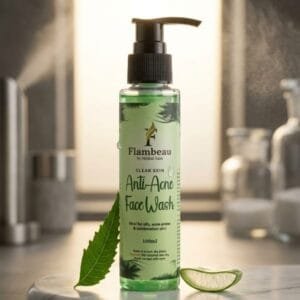
For oily or acne-prone skin, look for salicylic acid, niacinamide, and lightweight, oil-free formulas. A cleanser like Anti Acne Facewash for Pimples & Oil Control – Deep Cleansing Formula can help manage oil and breakouts, but pair it with a gel moisturizer and a BHA treatment for best results.
For dry or sensitive skin, choose creamy, fragrance-free cleansers and rich moisturizers with ceramides or hyaluronic acid. Avoid harsh exfoliants and alcohol-based toners. A gentle, hydrating cleanser plus a barrier-repair moisturizer can make a world of difference.
For combination skin, you might need to use different products on different zones—a gel moisturizer on your T-zone and a creamier one on your cheeks. Multi-masking with clay on oily areas and hydrating masks on dry areas can also help.
For hyperpigmentation or dullness, incorporate vitamin C, niacinamide, or alpha arbutin. A brightening cleanser like Whitening Face Wash – Brightening & Deep Cleansing can support a more even tone, but it works best alongside a targeted serum and daily sunscreen.

When choosing any product, look for non-comedogenic and fragrance-free labels if you’re sensitive. And always patch test new products on a small area before applying them all over your face.
When to See a Dermatologist
While a good routine can transform your skin, some conditions need professional help. If you have severe cystic acne, painful nodules, or skin that doesn’t improve after three months of consistent care, it’s time to see a dermatologist. They can prescribe stronger treatments like tretinoin, antibiotics, or hormonal therapy that aren’t available over the counter.
Also seek help if you notice sudden changes in moles, persistent redness, or any symptom that worries you. A dermatologist can diagnose issues like rosacea, eczema, or fungal infections that require specific treatments.
Remember, skincare is personal. What works for one person may not work for you, and that’s okay. A dermatologist can tailor a plan to your unique skin.
For more tips and product recommendations, explore our blog and check out our full range of face washes. If you’re dealing with acne and oily skin, you might also find our article on Neem for Acne & Oily Skin helpful. And for those struggling with dandruff, see our guide on Dandruff Relief Without a Dry, Flaky Scalp.
Ultimately, clear skin is a journey, not a destination. Be patient, be consistent, and treat your skin with care. The results will come.
Frequently Asked Questions
Can I get clear skin with just face wash?
No, face wash alone is not enough because it only removes surface impurities. You also need exfoliation, treatments, moisturizer, and sunscreen to address clogged pores, oil, and dark spots.
How often should I wash my face?
Twice a day—morning and night—is generally sufficient for most people. If you have dry or sensitive skin, you might only need to cleanse at night and rinse with water in the morning.
What order should I apply skincare products?
Apply from thinnest to thickest: cleanser, toner, serum, treatment, moisturizer, and sunscreen (in the morning). Wait a minute between steps to let each product absorb.
Do I need to use sunscreen if I have acne?
Yes, sunscreen is crucial for acne-prone skin because UV rays can worsen dark marks and inflammation. Choose a lightweight, non-comedogenic SPF 30 or higher.
Written by Mishal Rehman, owner of Flambeauty — sharing practical, professional beauty and skincare guidance.
Updated: September 2026