Discover how tulsi (holy basil) helps acne-prone skin with its antibacterial, anti-inflammatory, and purifying properties. Learn to use it in DIY masks,...
Tulsi, or holy basil, is a time-honored herb in Pakistani households and Ayurvedic medicine, and its benefits for acne-prone skin are remarkable. Its natural antibacterial and anti-inflammatory compounds help reduce acne-causing bacteria, soothe redness, and support a clearer, more even complexion. By incorporating tulsi into your routine—whether as a tea, toner, or in skincare products—you can gently tackle breakouts while nurturing your skin’s overall health.
Why Tulsi Works for Acne-Prone Skin
Acne is a complex skin condition influenced by excess sebum, clogged pores, bacteria, and inflammation. Tulsi addresses several of these factors simultaneously. Its primary active compounds—eugenol, ursolic acid, and camphor—provide a trio of benefits: they fight bacteria, reduce swelling, and help balance oil production. Eugenol, in particular, has been studied for its antimicrobial properties, making it effective against the Cutibacterium acnes (formerly Propionibacterium acnes) bacteria that play a role in inflammatory breakouts.
Inflammation is a key driver of acne severity. When a pore becomes blocked, the body’s immune response can lead to redness, swelling, and discomfort. Tulsi’s anti-inflammatory action helps calm this response, which can make existing pimples less angry and may help prevent post-acne dark spots from becoming intense. This is especially relevant for those with darker skin tones, where post-inflammatory hyperpigmentation is a common concern.
Another way tulsi supports acne-prone skin is through its adaptogenic properties. Stress is a well-known acne trigger, as cortisol can stimulate oil glands. Tulsi is an adaptogen, meaning it helps the body manage stress. While topical application won’t directly lower cortisol, incorporating tulsi tea into your daily ritual can help you feel more balanced, which indirectly benefits your skin. It’s a holistic approach.
Furthermore, tulsi is gentle enough for regular use, unlike harsh acne treatments that can strip the skin’s barrier. It offers a natural alternative for those who prefer plant-based skincare or have sensitive skin that reacts to benzoyl peroxide or salicylic acid. However, it’s important to remember that natural doesn’t automatically mean irritant-free; always patch test any new product on your jawline before applying it to your face.
In Pakistan, where the climate ranges from humid summers to dry winters, acne can be triggered by excess sweat and humidity. Tulsi’s antibacterial properties are particularly useful in warmer months when sweat mixes with oil and debris, increasing the risk of clogged pores. Using tulsi-based cleansers or toners can help keep skin fresh without over-drying.
How to Use Tulsi for Acne: Step-by-Step
Integrating tulsi into your skincare routine doesn’t have to be complicated. There are several effective methods, from DIY treatments to commercial products. Below, I’ll guide you through a simple yet comprehensive approach.
Step 1: Cleanse with Tulsi-Infused Products
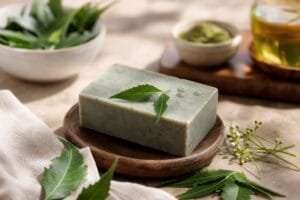
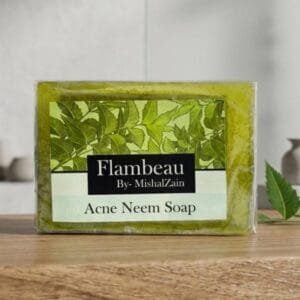
Begin your routine with a cleanser that contains tulsi or make your own by steeping tulsi leaves in warm water and using that as a rinse. For a more potent option, consider a product like the Acne Neem Soap, which combines neem—a close cousin to tulsi in Ayurvedic practice—with other skin-soothing ingredients. This soap is formulated to help with oil control and deep cleansing without stripping your skin.
Step 2: Apply a Tulsi Toner
After cleansing, a toner helps remove any residual impurities and rebalance your skin’s pH. You can create a simple tulsi toner by boiling a handful of fresh tulsi leaves in a cup of water, letting it cool, and transferring it to a spray bottle. Use it after cleansing, or throughout the day for a refreshing boost. The natural astringent properties of tulsi help tighten pores and reduce excess oil.
Step 3: Spot Treat with Tulsi Paste
For active breakouts, a paste of crushed tulsi leaves can be applied directly to pimples. Mix a teaspoon of tulsi powder with a little water or honey to form a thick paste, apply it to the affected area, and leave for 15-20 minutes before rinsing. Honey adds additional antibacterial benefits and helps the paste adhere to the skin. This spot treatment can be used daily until the breakout subsides.
Step 4: Incorporate a Tulsi-Infused Serum
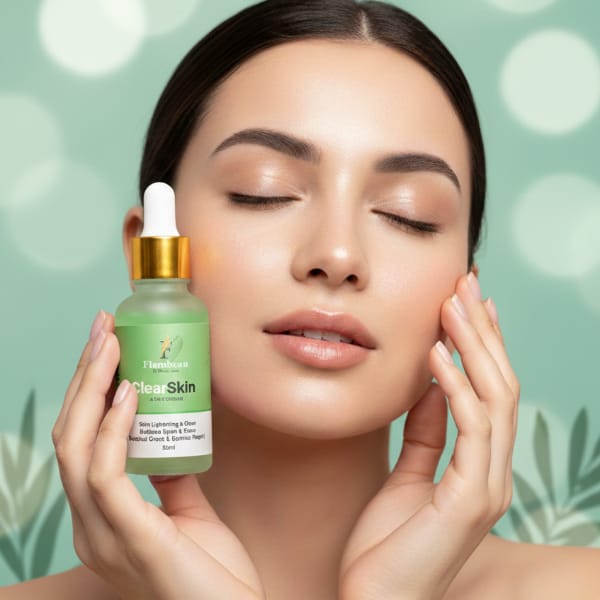
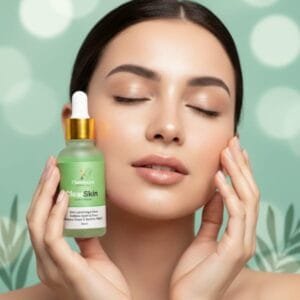
To give your skin a concentrated dose of beneficial compounds, look for a serum that includes tulsi or holy basil extract. For example, the Clear Skin Acne Control Serum is designed to reduce spots and scars while supporting clearer skin; while it may not list tulsi as a primary ingredient, it focuses on acne control and skin repair. Always read the ingredient list to ensure it suits your skin’s needs.
Step 5: Moisturize Adequately
Even acne-prone skin needs moisture. Tulsi can be slightly drying if used excessively, so it’s crucial to follow up with a lightweight, non-comedogenic moisturizer. This helps maintain the skin barrier and prevents rebound oiliness. Look for ingredients like hyaluronic acid or glycerin.
Common Mistakes to Avoid When Using Tulsi
While tulsi is generally safe, there are pitfalls that can reduce its effectiveness or even cause irritation. One of the most common mistakes is using undiluted tulsi essential oil directly on the skin. Essential oils are highly concentrated and can cause burns or allergic reactions. Always dilute essential oils with a carrier oil like jojoba or sweet almond oil.
Another mistake is over-exfoliating with tulsi scrub. While the gritty texture of dried tulsi leaves can be satisfying, scrubbing too hard or too often can damage the skin’s barrier, leading to increased sensitivity and breakouts. Limit physical exfoliation to once a week, and use gentle, circular motions.
Many people also skip the patch test. Even natural ingredients can cause contact dermatitis in some individuals. Apply a small amount of any tulsi product to your inner arm and wait 24 hours to check for a reaction. This is especially important if you have known allergies to plants in the mint family (Lamiaceae).
Using tulsi tea as a face rinse without letting it cool completely is another error. Hot water can strip the skin’s natural oils, so always ensure your infusions are at room temperature before applying. Similarly, leaving tulsi masks on for too long can dry out the skin; 15-20 minutes is sufficient.
Finally, don’t expect tulsi to be a miracle cure. Consistent use over several weeks is necessary to see improvements. Patience is key when using natural remedies. If you experience persistent acne, it’s wise to consult a dermatologist, as you may need a combination of treatments.
What to Look for in Tulsi-Based Skincare Products
When shopping for tulsi-infused products, it’s important to be discerning. The market is flooded with products that claim to contain tulsi but may only have a token amount. Look for products where tulsi (or holy basil) appears high on the ingredient list—ideally within the first five ingredients. This ensures it’s a key component, not just a marketing afterthought.
Check the formulation. If you have oily skin, a gel-based serum or toner with tulsi will be more suitable than a heavy cream. For dry or sensitive skin, look for products that combine tulsi with hydrating ingredients like hyaluronic acid, ceramides, or aloe vera. The base matters as much as the active ingredients.
Consider the manufacturing practices. Products from reputable brands that follow good manufacturing practices (GMP) are more likely to be stable and safe. In Pakistan, brands like Flambeauty are known for their quality skincare, and you can explore their Skin Care category to find options that suit your needs.
Read reviews and look for before-and-after photos from people with similar skin types. This gives you a realistic idea of what to expect. Be wary of products that promise instant results—skincare takes time, and any product that claims to be a miracle cure is likely too good to be true.
Finally, consider the product’s pH level. Ideally, skincare products should be slightly acidic (pH 4.5-5.5) to support the skin’s natural barrier. While tulsi itself is gentle, the overall formulation should not be overly alkaline, which can disrupt the acid mantle and worsen acne.
Tailoring Tulsi Use to Your Skin Type
Not all acne-prone skin is the same. Your skin type—whether oily, dry, combination, or sensitive—should guide how you use tulsi.
For Oily Skin
If your skin produces excess sebum, tulsi’s astringent properties can be a boon. Use a tulsi toner twice daily and consider a clay mask mixed with tulsi powder (green clay is particularly good) once a week to absorb excess oil. The Acne Neem Soap is an excellent daily cleanser for oily skin, as neem complements tulsi in controlling oil and preventing breakouts.
For Dry and Dehydrated Skin
If your skin is dry but still acne-prone, you need to balance tulsi’s potential drying effects with hydration. Use tulsi-infused products less frequently—perhaps a toner every other day—and always follow with a rich moisturizer. You can also add a few drops of facial oil (like rosehip or squalane) to your routine to maintain hydration.
For Combination Skin
Combination skin requires a targeted approach. Use tulsi products primarily on the oilier T-zone (forehead, nose, chin) and avoid the drier cheeks. A tulsi spray can be used all over, but follow up with a lighter moisturizer on the T-zone and a richer one on the cheeks.
For Sensitive Skin
Sensitive skin demands extra caution. Start with a very diluted tulsi rinse or a product formulated for sensitive skin. Patch test rigorously, and introduce tulsi gradually—once every three days, then increase frequency if no irritation occurs. Avoid strong essential oils and opt for gentle infusions or products with low concentrations of tulsi extract.
Regardless of your skin type, remember that consistency is more important than intensity. Listen to your skin and adjust your usage accordingly. If you notice dryness, redness, or increased breakouts, dial back and give your skin a break.
Beyond Topical: Tulsi for Overall Skin Health
While topical application is effective, the benefits of tulsi extend to internal use. Drinking tulsi tea can help detoxify the body and reduce stress, both of which contribute to clearer skin. Aim for 1-2 cups a day. This is a simple habit that complements your external skincare routine.
Incorporating tulsi into your diet is another option. Fresh tulsi leaves can be added to salads or smoothies, or you can take tulsi supplements (consult a healthcare provider first). A diet rich in antioxidants supports skin health from within.
Pairing tulsi with a healthy lifestyle amplifies its effects. Ensure you’re getting enough sleep, managing stress through exercise or meditation, and staying hydrated. These habits are the foundation of good skin, and tulsi is a powerful ally.
For more tips on building a holistic skincare routine, you might enjoy our post on 5 Simple Morning Habits for Healthier Skin Over Time. It’s a great companion to incorporating tulsi into your regimen.
Remember, no single ingredient can solve all skin issues. Tulsi is a wonderful addition, but it works best as part of a comprehensive approach that includes proper cleansing, moisturizing, sun protection, and a healthy diet. If you’re preparing for a special occasion, our Bridal Beauty Countdown guide offers a week-by-week plan that can incorporate tulsi for that pre-event glow.
In summary, tulsi is a versatile herb that can benefit acne-prone skin in multiple ways. Whether you use it fresh, in teas, or in skincare products, it’s a natural, gentle option worth exploring. As with any skincare change, start slow, be patient, and give your skin time to respond.
Frequently Asked Questions
Can tulsi be used on sensitive acne-prone skin?
Yes, but with caution. Start with a diluted tulsi rinse or a product formulated for sensitive skin, and always patch test first. Introduce it gradually to see how your skin reacts.
How often should I use tulsi on my face?
For most people, using tulsi toner or spot treatment once or twice a day is safe. If you have dry or sensitive skin, start with every other day and adjust based on your skin's tolerance.
Can I drink tulsi tea for acne?
Drinking tulsi tea can help manage stress and support overall health, which may indirectly improve acne. Aim for 1-2 cups daily as part of a balanced routine.
Does tulsi help with acne scars?
Tulsi's anti-inflammatory and antioxidant properties may help fade post-acne marks over time by supporting skin healing. For more targeted scar treatment, consider a vitamin C or niacinamide serum.
Written by Mishal Rehman, owner of Flambeauty — sharing practical, professional beauty and skincare guidance.
Updated: August 2026