Learn how tight ponytails and buns cause hair fall and what you can do to prevent it. Discover gentle styles, protective habits, and the best products for...
Tight ponytails and buns can cause a type of hair loss called traction alopecia, which occurs when constant pulling puts stress on your hair follicles. Over time, this can lead to thinning around your hairline, temples, and crown. The good news is that you can prevent this by changing how you style your hair, using the right products, and giving your scalp regular breaks. Here’s your complete guide to keeping your hair healthy and full while still enjoying sleek updos.
What Is Traction Alopecia and How Do Tight Styles Cause It?
Traction alopecia is a form of hair loss that results from prolonged or repeated tension on the hair root. When you pull your hair back into a tight ponytail or bun, the force transfers to the follicle, which is the living part of your hair beneath the scalp. This constant pulling can inflame the follicle, weaken the hair shaft, and eventually cause the hair to shed prematurely. If the tension is applied consistently over months or years, the follicle can become so damaged that it stops producing new hair altogether, leading to permanent thinning.
The most common areas affected are the hairline, temples, and the crown – exactly where the tension is greatest. You might notice small bumps, redness, or tenderness along your hairline, and in more advanced cases, you’ll see visible patches of thinning or even bald spots. Traction alopecia is especially common among people who wear tight styles daily, such as dancers, athletes, and those who prefer sleek, polished looks for work or events.
What makes traction alopecia sneaky is that it develops gradually. You might not notice any damage for years, but by the time you do, the hair loss can be significant. That’s why prevention is so much better than treatment. The key is to reduce tension, vary your hairstyles, and give your scalp regular rest. If you catch it early – within the first few months – the hair follicles can often recover, and your hair will regrow. But if you ignore the warning signs, the damage can become permanent.
In our hot and humid Pakistani climate, many of us pull our hair back to stay cool, but this can be a double-edged sword. Sweat and oil can mix with the tension to irritate the scalp even more. That’s why it’s important to find styles that are both comfortable and protective, and to use products that strengthen your hair from within so it can withstand occasional styling stress.
Remember, traction alopecia is not the same as other types of hair loss, like hormonal or nutritional deficiencies. It’s entirely mechanical – meaning it’s caused by physical stress. That’s actually good news because it means you have direct control over it by changing your habits. With the right approach, you can keep your hair healthy and full without giving up your favorite updos.
Gentle Styling Habits That Protect Your Hair
The first and most important habit is to alternate your hairstyles. Don’t wear a tight ponytail or bun every single day. Give your hair a break by wearing it loose or in a loose braid at least a few days a week. This allows the follicles to recover from any tension they’ve experienced. If you’re used to pulling your hair back for workouts or long workdays, try to loosen the style as soon as you can afterward – even just taking it down for an hour can help.
When you do wear a ponytail or bun, position it lower on your head. High ponytails and topknots put extra strain on the hairline because they pull hair upward against gravity. Instead, opt for a low ponytail at the nape of your neck or a loose bun at the back of your head. This distributes the tension more evenly and reduces stress on the most fragile areas. You can still look polished and professional – just with less damage.
Another crucial habit is to use the right hair ties. Thin elastic bands and rubber bands are the worst culprits because they grip the hair tightly and can cause breakage when you remove them. Instead, choose spiral hair ties, silk scrunchies, or ties made from soft fabric like velvet. These are gentler on your hair and don’t pull as much. You can find good options in most Pakistani drugstores or online for around PKR 200–500, and they’re worth every rupee.
Also, loosen your style slightly. When you tie your hair, don’t pull it as tight as possible. Leave a little slack so that your hair can move slightly. A good test is to see if you can easily slide a finger under the hair tie. If you can’t, it’s too tight. This small change can make a huge difference in reducing tension on your follicles.
Finally, never sleep with your hair tied back. Even a loose ponytail can cause friction and tension while you toss and turn at night. Instead, let your hair down or put it in a loose braid. If you use a satin pillowcase, that’s even better – it reduces friction and prevents breakage. These simple habits, when practiced consistently, can prevent traction alopecia and keep your hairline full.
Step-by-Step Guide to a Protective Low-Impact Updo
Here’s a step-by-step method for creating a stylish yet protective updo that minimizes hair fall. Start by detangling your hair gently with a wide-tooth comb. Never brush wet hair aggressively – wet hair is more fragile and prone to breakage. Use a leave-in conditioner or a detangling spray to make the process easier. If you have curly or coily hair, work in sections from the bottom up.
Next, apply a lightweight styling product like a hair oil or serum to add slip and reduce friction. This is especially important if your hair is dry or prone to tangling. You can use a few drops of jojoba or argan oil – just warm it between your palms and smooth it over your hair from mid-length to ends. Avoid the scalp, as too much oil can make it greasy.
Now, gather your hair loosely at the nape of your neck, as if you’re making a low ponytail. Don’t pull it tight; let it sit comfortably. Use a soft fabric hair tie or a spiral tie to secure it. If you’re making a bun, twist the ponytail into a loose coil and wrap it around the base, securing with bobby pins or a claw clip. Avoid using tight elastics to hold the bun – clips are gentler and easier to remove.
Once your updo is in place, gently loosen a few strands around your face to soften the look and reduce tension on your hairline. This also gives a more modern, effortless vibe. If you’re worried about flyaways, use a small amount of hairspray – but don’t go overboard, as that can make hair stiff and more prone to breakage.
To keep your updo secure without tightness, you can use velvet scrunchies or spiral ties – they grip without pulling. For extra hold, try a claw clip instead of an elastic; it’s much gentler on the hair and can create a chic French twist or bun. Practice these steps a few times, and soon you’ll be able to create a protective updo in under five minutes that looks great and keeps your hair safe.
Remember, the goal is to have a style that feels comfortable – if you have a headache or your scalp feels tight, it’s too tight. Listen to your body. If you have chronic tension headaches or scalp tenderness, that’s a red flag that you need to change your styling habits immediately.
Common Mistakes That Worsen Hair Fall
One of the biggest mistakes is wearing tight styles every single day. Even if you change the type of updo, the constant tension can still add up. Your hair needs rest, just like your muscles do after a workout. Aim for at least two or three days a week where your hair is down or in a very loose style. This gives your follicles a chance to recover.
Another mistake is pulling your hair back when it’s wet. Wet hair is in its weakest state – the hydrogen bonds that give hair its strength are temporarily broken by water. If you tie wet hair into a tight ponytail, you’re likely to cause breakage and even stretch the hair shaft. Always let your hair dry completely or at least 80% before styling. If you’re in a rush, use a blow dryer on a low heat setting, but avoid tight styles until your hair is fully dry.
Using the wrong hair ties is also a common pitfall. Thin elastic bands are the worst because they cut into the hair and cause breakage. They also tend to leave dents in your hair, which is a sign of excessive tension. Invest in silk scrunchies or spiral ties – they’re gentler and won’t leave kinks. You can buy a pack for under PKR 500, and they last for months.
Many people also forget to massage their scalp regularly. A daily scalp massage for a few minutes can improve blood circulation to the follicles, which promotes healthier hair growth. It also helps to relieve tension that builds up from tight styles. You can do this while shampooing or with a few drops of a nourishing hair oil like coconut or rosemary oil. The massage doesn’t have to be elaborate – just use your fingertips in small circles across your scalp.
Finally, ignoring early signs of traction alopecia is a big mistake. If you notice redness, bumps, or thinning at your hairline, don’t ignore it. This is your body’s warning signal. Stop wearing tight styles immediately and give your hair a break. If the condition doesn’t improve within a few months, see a dermatologist. Early intervention can reverse the damage, but waiting too long can lead to permanent hair loss.
Products and Ingredients That Support Hair Strength
While changing your styling habits is the most important step, using the right products can also help strengthen your hair and make it more resilient to tension. Look for shampoos and conditioners that contain keratin, biotin, or proteins – these help fortify the hair shaft and reduce breakage. Avoid products with harsh sulfates, which can strip your hair of natural oils and make it more brittle.
In addition to your regular hair care, consider using a weekly deep conditioning treatment to maintain moisture and elasticity. Dry, brittle hair is more prone to breakage under tension. You can use a store-bought mask or make your own at home with ingredients like yogurt, honey, and olive oil – a classic DIY that works well in our climate. Apply it from mid-length to ends, leave it on for 20–30 minutes, then rinse thoroughly.
For your scalp, a nourishing hair oil can make a big difference. Oils like rosemary, peppermint, and castor oil are popular for promoting hair growth, but they also help keep the scalp healthy. Massage a few drops into your scalp before washing, or use a leave-in scalp treatment. Just be sure to wash it out thoroughly to avoid buildup, which can clog hair follicles.
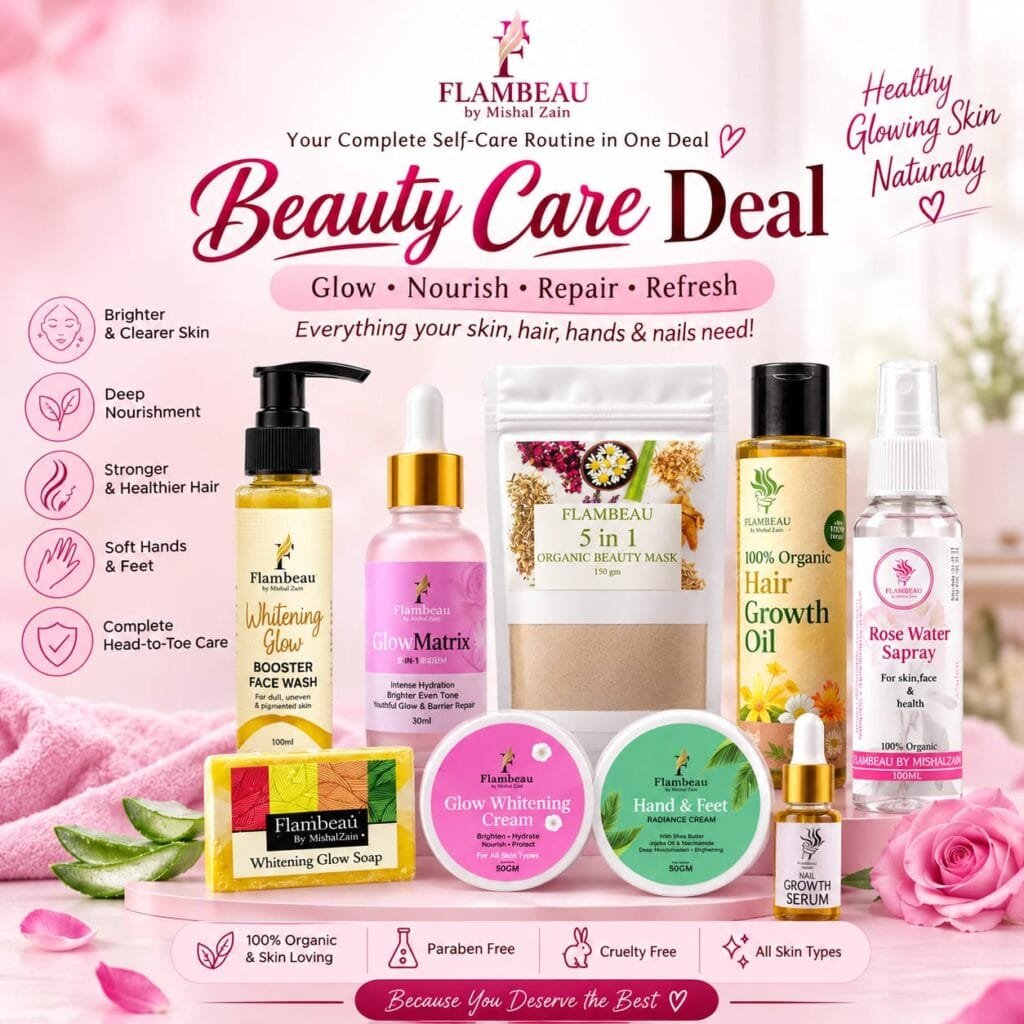
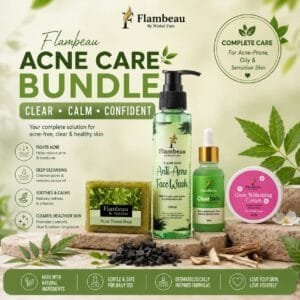
When choosing products, it’s also wise to consider natural and gentle options. Flambeauty offers a Beauty Care Deal that includes hair care essentials made with skin-loving ingredients. Another excellent choice is the Acne Care Bundle – All in One – while it’s primarily for skin, it also contains ingredients that can benefit your scalp if you’re prone to breakouts. These products are designed with the Pakistani climate in mind, so they’re lightweight and non-greasy.

If you have a sensitive scalp, look for products that are fragrance-free and hypoallergenic. You can also check the Hair Care category on the Flambeauty website to find a range of options. And don’t forget that internal health matters too – eating a balanced diet rich in vitamins and minerals supports hair growth from within. For more on that, read How Diet Affects Your Skin’s Appearance: A Complete Guide – the same principles apply to your hair.
Hair Type Variations: Adjusting Your Routine
Your hair type plays a big role in how you should approach preventing hair fall from tight styles. Straight hair tends to be more slippery, so it often needs tighter styles to stay put. However, that also means it’s more prone to breakage because the tension is concentrated. If you have straight hair, opt for low ponytails and use spiral ties or scrunchies for grip without cutting into the hair. You can also use a light hairspray to keep flyaways at bay, but avoid making your hair stiff.
Wavy hair is a bit more forgiving, but it can still suffer from traction alopecia if you pull it back too tightly. Wavy hair looks great in loose braids or messy buns – both of which are protective and stylish. Use a leave-in conditioner to keep waves defined and reduce frizz, which can tempt you to pull your hair back more. A satin scarf or bonnet at night can also help preserve your style and reduce friction.
Curly and coily hair is the most fragile when it comes to tension. The natural curl pattern means the hair is more prone to dryness and breakage. For curly hair, it’s essential to keep it well-moisturized with deep conditioners and leave-in creams. When styling, use very loose twists or braids, and avoid tight buns altogether. If you need to pull it back, use a pineapple technique – a loose, high ponytail that keeps curls intact – and secure with a silk scrunchie. Always sleep on a satin pillowcase to minimize friction.
For fine hair, which is thinner and more delicate, the main concern is breakage from tight elastics. Use velvet or silk scrunchies, and avoid backcombing or teasing, which can weaken the hair. For thick hair, the weight of the hair itself can cause tension, so it’s important to use styles that distribute weight evenly, like low braids or buns. You might also want to use a heavier duty hair tie, but still ensure it’s not too tight.
No matter your hair type, the principles are the same: be gentle, alternate styles, and use the right products. If you’re unsure about what works best for your hair, consult a stylist or dermatologist. And remember, prevention is always easier than treatment – so start implementing these changes today to keep your hair healthy and full for years to come.
Frequently Asked Questions
How tight is too tight for a ponytail?
If you can't easily slide a finger under the hair tie, it's too tight. You should feel no tension on your scalp, and the style should be comfortable enough to wear all day without a headache.
Can hair fall from tight ponytails grow back?
Yes, if caught early. Traction alopecia is reversible in its early stages when the follicle isn't permanently damaged. Stop wearing tight styles and give your hair a break; regrowth usually occurs within a few months.
What are the best hair ties for preventing breakage?
Silk scrunchies, spiral ties, and velvet elastics are the gentlest options. Avoid thin rubber bands and metal clasps, which can cut into the hair and cause breakage.
How often should I wear my hair down to prevent hair fall?
Try to wear your hair down or in a loose style at least 2-3 days a week. This gives your hair follicles a break from tension and reduces the risk of traction alopecia.
Written by Mishal Rehman, owner of Flambeauty — sharing practical, professional beauty and skincare guidance.
Updated: August 2026