Discover common daily habits that accelerate skin aging—from sleeping on your side to skipping sunscreen—and learn practical fixes to keep your skin looking...
Certain everyday habits—like sleeping on your side, skipping sunscreen on cloudy days, or washing your face with hot water—can quietly accelerate skin aging by breaking down collagen, dehydrating the skin, and triggering inflammation. Over time, these seemingly small choices contribute to fine lines, loss of elasticity, and dullness. The good news is that most are easy to correct once you know what to watch for.
Why Your Daily Routine Might Be Sabotaging Your Skin
Your skin is a living organ, and it responds to every touch, temperature change, and product you apply. Many people assume that aging is purely genetic, but your habits can either speed up or slow down the visible signs of aging. For instance, rubbing your eyes vigorously when they itch might feel satisfying, but the repeated tugging stretches the delicate skin around your eyes, which is already thinner and more prone to wrinkles. Similarly, holding your phone between your ear and shoulder while talking can crease your neck over time—a habit dermatologists call ‘tech neck.’
Beyond physical habits, your cleansing routine matters more than you think. Using a cleanser that strips your skin’s natural oils—often one with a high pH or harsh sulfates—can compromise your moisture barrier. When that barrier is weakened, water escapes more easily, and irritants penetrate more readily. The result? Skin that looks dry, tight, and prematurely lined. Over-cleansing is a silent ager: washing your face more than twice a day, or scrubbing with rough cloths, removes the protective lipids that keep skin supple.
Another often-missed culprit is the temperature of your water. Hot showers feel relaxing, but they dissolve the skin’s natural lipid barrier much faster than lukewarm water. Over time, this leads to chronic dehydration, which makes fine lines more pronounced. Even your pillowcase can contribute: cotton absorbs moisture from your skin and creates friction as you move, which can cause sleep lines that eventually become permanent wrinkles. Switching to a silk or satin pillowcase is an easy fix.
Finally, consider your facial expressions. While smiling and frowning are natural, repetitive expressions—like squinting without sunglasses or pursing your lips when you’re concentrating—can etch lines deeper over the years. This doesn’t mean you should stop expressing yourself; it just means being mindful of habits like squinting in bright sunlight, which also increases UV exposure to the delicate eye area.
Sleep Positions and Pillow Friction: The Hidden Wrinkle Makers
You spend about a third of your life sleeping, so it’s no surprise that your sleep position can affect your skin. Sleeping on your side or stomach presses your face into the pillow, creating temporary creases that, over time, can become etched into the skin as permanent wrinkles. Sleeping on your back is the best position for preventing sleep lines, but if you can’t change your habit, at least invest in a silk or satin pillowcase, which reduces friction and allows your skin to glide rather than drag.
Pillowcases also harbor oils, dirt, and bacteria from your skin and hair. If you don’t wash them weekly, you’re essentially pressing your face into a buildup of impurities every night, which can lead to clogged pores and breakouts—acne that can leave dark spots and texture over time. Washing your pillowcase every week is a simple habit that pays off in clearer, smoother skin. Choose a gentle, fragrance-free detergent to avoid irritation.
Another overlooked factor is the height and firmness of your pillow. A pillow that’s too high can cause your neck to bend unnaturally, leading to creases on your neck and chest called ‘tech neck’ lines. A supportive, medium-height pillow that keeps your spine aligned is ideal. If you’re a side sleeper, a pillow that fills the gap between your ear and shoulder helps maintain proper alignment.
For those who already have sleep lines, consider using a hydrating overnight mask or a richer night cream before bed. This helps your skin stay plump, making temporary creases less likely to set in. You can also try gently pressing your face into the pillow rather than rubbing it, which minimizes friction. Over time, these small adjustments can make a noticeable difference in the smoothness of your skin.
Sun Exposure and Skipping SPF: The #1 Aging Accelerator
If there’s one habit that ages skin faster than any other, it’s skipping sunscreen on a daily basis. Ultraviolet (UV) rays from the sun are responsible for up to 80% of visible skin aging, including fine lines, hyperpigmentation, and loss of elasticity. Many people only apply SPF on sunny days or when they’re at the beach, but UV rays penetrate clouds and glass, so they reach your skin even when you’re indoors near a window. In Pakistan, where the sun is intense for much of the year, daily SPF is non-negotiable.
The tricky part is that sun damage is cumulative and doesn’t show up immediately. The freckles that appear on your cheeks in your 30s are often the result of sun exposure from your teens. Daily broad-spectrum SPF 30 or higher is your best defense against premature aging. Apply it as the last step of your morning routine, and don’t forget areas like your neck, ears, and the backs of your hands—they show age just as much as your face.
Reapplication is equally important. Sunscreen wears off after a couple of hours, especially if you’re sweating or touching your face. For everyday use, consider a powder sunscreen or a setting spray with SPF that you can easily reapply over makeup. If you’re outdoors for extended periods, set a reminder to reapply every two hours. No sunscreen is ‘waterproof’; they’re all water-resistant, so reapplication after swimming or sweating is a must.
Beyond sunscreen, seeking shade during peak sun hours (10 a.m. to 4 p.m.) and wearing protective clothing like wide-brimmed hats and sunglasses can further reduce UV damage. Sunglasses aren’t just a fashion statement—they prevent squinting, which causes crow’s feet, and they protect the delicate skin around your eyes from UV rays. Think of sunscreen as the foundation of your anti-aging routine; without it, every other product you use is working against a losing battle.
Over-Exfoliating and Harsh Products: Damaging Your Skin Barrier
Exfoliation is a great way to reveal fresh, glowing skin, but over-exfoliating can damage your skin barrier, leading to irritation, redness, and accelerated aging. When you exfoliate too frequently—say, more than three times a week—or use harsh physical scrubs with jagged particles, you create micro-tears in the skin. These tears trigger inflammation, which breaks down collagen and elastin over time. The result is skin that looks thinner, more fragile, and older.
Chemical exfoliants like alpha-hydroxy acids (AHAs) and beta-hydroxy acids (BHAs) are gentler and more effective when used correctly. AHAs, such as glycolic and lactic acid, work on the surface to dissolve dead skin cells, while BHAs like salicylic acid penetrate pores to clear oil and debris. However, even these can be overdone. Start with a low concentration (around 5-10% for AHAs) and use only 1-2 times a week, gradually increasing as your skin tolerates it. Always patch test first, and never combine multiple exfoliating acids in one routine unless directed by a dermatologist.
Harsh products extend beyond exfoliants. Many cleansers and toners contain alcohol, which can be extremely drying. Alcohol strips the skin of its natural oils, leaving it tight and vulnerable. Over time, this damages the moisture barrier, leading to increased water loss and a compromised ability to repair itself. Look for alcohol-free, pH-balanced products that support your skin’s natural barrier. Ingredients like ceramides, hyaluronic acid, and niacinamide help rebuild and protect.
If you’ve already over-exfoliated, your skin may feel tight, look red, or sting when you apply products. The fix is to simplify your routine: stop all exfoliants for at least a week, use a gentle cleanser, and focus on hydration with a soothing moisturizer containing ceramides or aloe vera. Your skin can recover if you give it a break—but continued over-exfoliation can lead to chronic sensitivity and premature aging. Remember, gentle is the new anti-aging.
Lifestyle Factors: Sleep, Stress, Diet, and Their Toll on Skin
Your skin doesn’t exist in a vacuum—it reflects your overall health. Chronic sleep deprivation is a major accelerator of skin aging. When you don’t get enough sleep, your body produces more cortisol, a stress hormone that breaks down collagen, the protein responsible for skin’s firmness. Lack of sleep also impairs the skin’s natural repair cycle, which happens primarily at night. Studies have shown that people who sleep less than 5 hours a night have more fine lines, uneven pigmentation, and reduced skin elasticity compared to those who sleep 7-9 hours.
Stress is another hidden ager. When you’re stressed, your body releases cortisol and other hormones that increase oil production and inflammation. This can lead to breakouts—which, when they heal, can leave dark spots and textural changes that make skin look older. Finding ways to manage stress, whether through exercise, meditation, or a hobby, can have a direct positive impact on your skin. Even a short daily walk can lower cortisol levels and improve your complexion.
Diet plays a role too. High-glycemic foods like white bread, sugary drinks, and processed snacks cause spikes in blood sugar, which triggers a process called glycation. Glycation damages collagen and elastin, making skin stiff and less resilient. A diet rich in antioxidants—think colorful fruits and vegetables—can help fight oxidative stress from free radicals. Foods like berries, leafy greens, and nuts provide vitamins C and E, which support collagen production and protect against UV damage.
Dehydration is another common issue. If you’re not drinking enough water, your skin can look dull and dry, making fine lines more noticeable. Aim for at least 8 glasses of water a day, and remember that caffeinated beverages have a mild diuretic effect, so balance them with water. Alcohol, too, dehydrates the skin and dilates blood vessels, leading to puffiness and redness. Moderation is key.
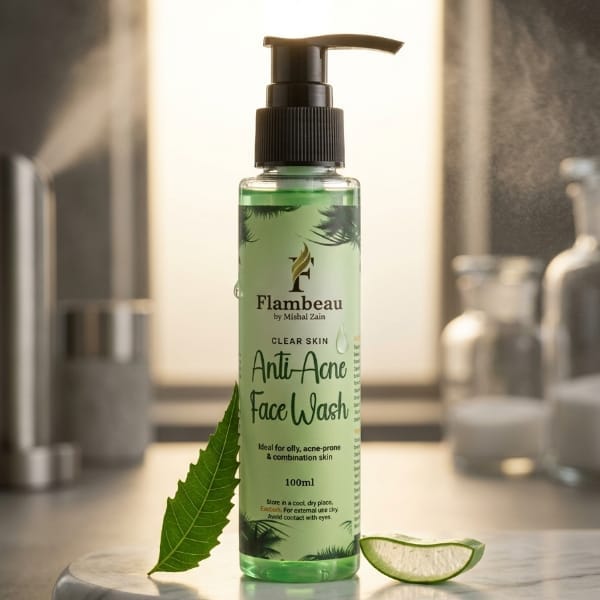
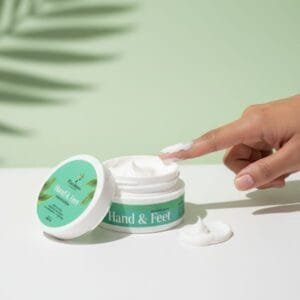
Finally, don’t underestimate the power of a consistent skincare routine that includes targeted ingredients. For example, Flambeauty’s Anti Acne Facewash can help manage breakouts without stripping your skin, thanks to its deep-cleansing yet gentle formula. And for hands, which often show age early, a nourishing cream like Flambeauty’s Hand & Feet Whitening Cream can help maintain a more even tone and softness. Visit our blog for more tips on caring for your skin in Pakistan’s climate.
Adapting Your Anti-Aging Routine for Different Skin Types
Anti-aging isn’t one-size-fits-all. Your skin type determines which ingredients and habits will help you most without causing irritation or breakouts. Here’s how to tailor your approach:
Dry Skin
If your skin is dry, you already know the struggle of tightness and flakiness. The key is to avoid anything that strips moisture further. Skip foaming cleansers with sulfates and instead use a creamy, hydrating cleanser. Look for products with hyaluronic acid, glycerin, and ceramides to attract and lock in moisture. Exfoliate gently with a lactic acid mask once a week, and always apply moisturizer while your skin is still slightly damp to seal in hydration. In Pakistan’s dry winters, consider adding a facial oil like rosehip or jojoba to your evening routine.
Oily and Acne-Prone Skin
Oily skin often leads people to over-wash and over-exfoliate, which backfires by triggering more oil production. Instead, use a gentle gel cleanser like Flambeauty’s Anti Acne Facewash—it clears impurities without over-drying. You can still use anti-aging ingredients like retinol, but start with a low concentration and use it on clean, dry skin to minimize irritation. Niacinamide is your best friend; it helps regulate oil while supporting the skin barrier. Don’t skip moisturizer—choose a lightweight, oil-free gel that hydrates without clogging pores.
Combination Skin
Combination skin means your T-zone is oily while your cheeks are dry. The trick is to treat each area differently. Use a gentle cleanser that doesn’t over-strip, and apply a hydrating serum all over, but focus oil-control products only on the T-zone. A multi-moisturizer approach works well: use a gel moisturizer on the oily areas and a richer cream on the dry cheeks. For anti-aging, opt for a leave-on exfoliant with low-dose salicylic acid to keep pores clear without irritating dry patches.
Sensitive Skin
If your skin reacts easily, you need to be extra cautious. Stick to fragrance-free, alcohol-free products with minimal ingredients. Patch test every new product before applying it to your face—apply a small amount behind your ear or on your inner arm for 24 hours. Avoid physical scrubs and high concentrations of acids. Instead, use a gentle enzyme exfoliant (like papaya) or a low-percentage PHA. Always finish with a soothing moisturizer containing aloe, allantoin, or centella asiatica. In Pakistan’s heat, this might mean lighter layers rather than heavy creams.
Common Mistakes to Avoid and What to Look For in Products
Even with the best intentions, it’s easy to fall into traps that undo your efforts. One common mistake is skipping moisturizer because you have oily skin. Oily skin still needs hydration—if it’s dehydrated, it produces even more oil to compensate. Choose a non-comedogenic, water-based moisturizer. Another mistake is starting too many new products at once. When you introduce multiple actives simultaneously, your skin can’t tell you which one is causing irritation, and you risk damaging your barrier. Introduce one new product at a time and wait at least two weeks before adding another.
When choosing anti-aging products, look for proven ingredients like retinoids (vitamin A derivatives), vitamin C, niacinamide, and peptides. Retinoids boost collagen and speed up cell turnover, but they can be irritating—start with a low strength and use it only at night. Vitamin C is a powerful antioxidant that brightens and protects against free radicals; use it in the morning under sunscreen. Niacinamide strengthens the barrier and reduces redness, while peptides signal the skin to produce more collagen. Always check the ingredient list and avoid products with added fragrance if you have sensitive skin.
Another mistake is forgetting your neck, chest, and hands. These areas are often exposed to the sun and show age just as much as your face. Extend your skincare routine—moisturizer, SPF, and treatments—down to your neck and chest, and apply hand cream regularly. Frequent handwashing can dry out your hands, so a rich hand cream is a must. For the delicate eye area, use a specific eye cream with caffeine or peptides to reduce puffiness and dark circles.
Also, beware of overusing anti-aging actives. More is not better. Using retinol every night when you’re just starting can cause severe peeling and redness. Follow the instructions and give your skin time to adjust. Similarly, don’t layer multiple exfoliating acids in one routine. Less is often more when it comes to active ingredients. If you’re unsure about a product, consult a dermatologist or do a patch test first.
Finally, consistency beats intensity. A simple routine you can stick to daily will yield better results than an intensive one you only do occasionally. Cleanse, moisturize, and protect with SPF every single day. Add targeted treatments like a vitamin C serum in the morning and a retinol at night if your skin tolerates them. For more guidance on building a routine for Pakistan’s climate, check out our Skin Care collection and our related post on managing scalp issues that can affect your skin’s overall appearance. Remember, the best anti-aging habit is the one you can maintain for years—so keep it simple, gentle, and consistent.
Frequently Asked Questions
How often should I exfoliate to avoid damaging my skin?
Most skin types can handle exfoliation 1-2 times a week. If you have sensitive skin, start with once a week and monitor how your skin feels. If you notice redness, stinging, or peeling, reduce frequency or switch to a gentler exfoliant.
Can sleeping on my side really cause wrinkles?
Yes, sleeping on your side or stomach can create mechanical stress on your skin, leading to sleep lines that may become permanent over time. Sleeping on your back with a silk or satin pillowcase can help prevent these wrinkles.
What SPF should I use daily in Pakistan's climate?
A broad-spectrum sunscreen with at least SPF 30 is recommended for daily use, even on cloudy days. If you're outdoors for long periods, opt for SPF 50 and reapply every two hours.
Is it okay to use multiple anti-aging products at once?
It's best to introduce one new active ingredient at a time to avoid irritation. If you want to use retinol and vitamin C, apply vitamin C in the morning and retinol at night, and listen to your skin—if it becomes red or flaky, scale back.
Written by Mishal Rehman, owner of Flambeauty — sharing practical, professional beauty and skincare guidance.
Updated: August 2026