
Working night shifts wreaks havoc on your skin and hair. Learn why, plus a practical routine, common mistakes, and product tips to keep your glow intact in...
Working night shifts disrupts your body’s internal clock, leading to increased cortisol, reduced melatonin, and impaired skin barrier function. This hormonal chaos accelerates collagen breakdown, triggers excess sebum, and shortens the hair growth cycle, resulting in dull, acne-prone skin and increased hair fall. To counteract these effects, you need a targeted skincare and haircare routine that prioritizes antioxidants, barrier repair, and gentle cleansing, adapted to Pakistan’s climate and your specific skin type.
Why Night Shifts Wreak Havoc on Your Skin and Hair
Your skin and hair follow a circadian rhythm, a 24-hour cycle that governs cell renewal, sebum production, and blood flow. During the day, your skin is in protection mode, fighting off UV rays and pollution. At night, it switches to repair mode, boosting collagen synthesis and cell turnover. When you work night shifts, this rhythm is flipped, so your skin never gets the full repair phase it needs. Instead, cortisol levels spike, which increases inflammation and breaks down collagen and elastin. This leads to premature fine lines, sagging, and a dull complexion. Additionally, the skin’s barrier becomes compromised, making it more sensitive and prone to dehydration.
Hair is equally affected. The hair growth cycle—anagen (growth), catagen (transition), and telogen (resting)—is regulated by hormones and the circadian clock. Disrupted sleep increases the stress hormone cortisol, which can push more hair follicles into the telogen phase, causing increased shedding about 2-3 months later. This is why many night shift workers notice clumps of hair in their brush weeks after starting a new schedule. Furthermore, the quality of sleep you get during the day is often poorer—lighter, shorter, and less restorative—which further impairs the body’s ability to repair hair follicles.
In Pakistan, the climate adds another layer of stress. High humidity in summer and dry winters can exacerbate the imbalance. For instance, heat and humidity increase sebum production, making oily skin even oilier and clogging pores, while air-conditioned rooms during summer or heaters in winter strip moisture, leaving skin tight and flaky. Night shift workers often spend long hours in artificial lighting, which can also contribute to eye strain and skin dehydration. The combination of disrupted sleep and harsh environmental factors creates a perfect storm for skin and hair damage.
Moreover, night shifts often lead to poor lifestyle choices. You might reach for caffeinated drinks to stay awake, which dehydrate the body, or snack on sugary, processed foods that spike blood sugar and insulin, leading to increased inflammation and acne. Lack of time for meal prep might result in diets low in essential fatty acids and vitamins, which are crucial for maintaining healthy skin and hair. These dietary factors compound the biological effects of sleep deprivation, making it even more critical to adopt a proactive care routine.
Understanding this science is the first step, but the real challenge is implementing a routine that works around your unusual schedule. The key is to treat your skin and hair as if they are in a constant state of recovery. This means focusing on barrier repair, hydration, and antioxidant support. It also means being more diligent about cleansing, as your skin’s natural exfoliation process is slowed. Let’s break down exactly what you need to do, step by step.
Your Night Shift Skin & Hair Care Routine: A Step-by-Step Guide
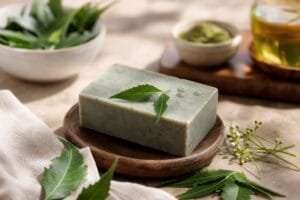
To protect your skin and hair while working night shifts, you need to mimic your skin’s natural repair cycle as closely as possible, even if it happens during the day. Start by cleansing your face immediately upon waking up, using a gentle cleanser that won’t strip your skin’s natural oils. For oily or acne-prone skin, a Acne Neem Soap for Pimples, Oil Control & Deep Skin Cleansing can be an excellent choice, as neem has antibacterial properties and helps control excess oil without over-drying. Massage it onto damp skin in gentle circular motions, then rinse with lukewarm water. Avoid hot water, as it can further disrupt your skin barrier.

After cleansing, while your skin is still slightly damp, apply a hydrating toner or essence. This helps prep your skin to absorb the next products. Then, apply a serum rich in antioxidants, like vitamin C or niacinamide. Vitamin C helps brighten the skin and reduce oxidative stress caused by chronic sleep deprivation, while niacinamide strengthens the skin barrier and reduces inflammation. Look for a serum that suits your skin type—if you have sensitive skin, start with a lower concentration like 10% vitamin C, and always patch test first.
Next, seal in all that hydration with a moisturizer. Choose a formula that matches your skin type: a gel-based moisturizer for oily skin, a cream-based one for dry skin, and a fragrance-free, ceramide-rich moisturizer for sensitive skin. This step is crucial because a compromised barrier leads to moisture loss and increased sensitivity. In Pakistan’s hot climate, you might prefer a lightweight moisturizer, but don’t skip it even if you have oily skin—your skin still needs hydration to function properly.
The most important step is to apply sunscreen every morning, even if you’re going straight to bed. Wait, that doesn’t make sense? Actually, it does—if you’re waking up in the evening and going out, or even if you’re staying indoors, UV rays can penetrate windows. For night shift workers, the schedule is flipped: you might be sleeping during the day and waking up in the evening or late afternoon. If you go outside during daylight hours, sunscreen is non-negotiable. Choose a broad-spectrum SPF 30 or higher. If you’re going to sleep in daylight, consider blackout curtains to block UV rays and help you sleep better.
For your hair, follow a similar principle. Wash your hair 2-3 times a week with a gentle, sulfate-free shampoo. Over-washing strips natural oils, but under-washing can lead to buildup and dandruff. After washing, condition the lengths and ends, avoiding the scalp if it’s oily. Once a week, use a deep conditioning hair mask or a natural oil treatment, like coconut or argan oil, to nourish the hair shaft. If you’re dealing with dandruff, try herbal hair rinses for dandruff as a natural complement to your routine.
Finally, don’t neglect your diet and sleep environment. Drink plenty of water throughout your shift, at least 8 glasses a day, to stay hydrated. Eat nutrient-dense foods rich in omega-3 fatty acids (like fish, walnuts, and flaxseeds), vitamin C (citrus fruits, amla), and biotin (eggs, almonds). Create a dark, cool, and quiet sleeping environment to improve the quality of your daytime sleep. Use earplugs, an eye mask, and blackout curtains. This will enhance your body’s ability to repair, benefiting both your skin and hair.
Common Mistakes Night Shift Workers Make with Their Skin and Hair
One of the biggest mistakes is skipping your skincare routine because you’re too tired. After a long night shift, you might be tempted to just fall into bed without washing your face. But sleeping with makeup, dirt, and pollution on your skin clogs pores and leads to breakouts. Always remove your makeup and cleanse your skin before sleeping, even if you’re exhausted. Keep a gentle cleanser and micellar water by your bedside for those times when you can’t face the sink.
Another common mistake is using too many products or harsh treatments in an attempt to “fix” your skin. For instance, over-exfoliating with strong acids or physical scrubs can further irritate a compromised barrier. When your skin is already stressed from lack of sleep, it’s more sensitive and reactive. Instead of layering on multiple active ingredients, simplify your routine to the basics: cleanse, moisturize, and protect. If you want to incorporate actives like retinol, introduce them slowly and only on nights when you don’t have to wake up early, as retinol increases photosensitivity.
Night shift workers often neglect their hair, thinking that washing it less is better because they’re not going out. But insufficient washing can lead to an oily scalp, which attracts dirt and causes dandruff and itching. On the flip side, washing too frequently strips the hair of its natural oils, making it dry and brittle. Find a balance that works for your hair type. Also, avoid tying your hair too tightly in a bun or ponytail during shifts, as constant tension can cause traction alopecia—a form of hair loss. Instead, use loose braids or a soft scrunchie.
Many people also forget that their skin needs hydration from within. Caffeine and sugary energy drinks are common on night shifts, but they dehydrate the body. Instead, opt for green tea, which contains antioxidants and a moderate amount of caffeine, or simply water. Limit your caffeine intake to the first half of your shift so it doesn’t disrupt your daytime sleep. Dehydration not only makes your skin look dull and tired but can also exacerbate fine lines and dark circles.
Lastly, don’t ignore the importance of sun protection. Some night shift workers leave work in the early morning and go to bed, skipping sunscreen because they think they don’t need it. But if you step outside into daylight even for a few minutes, you are exposed to UV rays. Chronic, unprotected sun exposure accelerates aging and darkens under-eye circles and hyperpigmentation. Make sunscreen a part of your morning routine, whether you’re going out or not, especially if you sit near a window.
What to Look For in Night Shift Skin & Hair Products
When choosing products for night shift skin and hair care, look for ingredients that support the skin barrier and combat oxidative stress. For skincare, seek out products containing niacinamide, ceramides, hyaluronic acid, and antioxidants like vitamin C and green tea extract. Niacinamide helps reduce inflammation and redness, strengthens the barrier, and regulates oil production. Ceramides are lipids that fill in gaps in the skin barrier, locking in moisture and keeping irritants out. Hyaluronic acid draws water into the skin, plumping fine lines and giving a dewy look. Antioxidants neutralize free radicals caused by stress and UV exposure.
For haircare, look for products with keratins, biotin, argan oil, and caffeine. Keratin is a protein that strengthens hair strands, biotin supports hair growth, argan oil nourishes and adds shine, and caffeine stimulates hair follicles and promotes growth. Avoid sulfates, which strip natural oils, and parabens, which can be irritating. If you have a sensitive scalp, choose fragrance-free and hypoallergenic formulas.
Always patch test any new product on a small area of your skin before applying it fully, especially if you have sensitive skin. This is crucial because night shift workers often have compromised skin barriers, making them more prone to allergic reactions. Also, consider the climate you live in. In Pakistan’s hot and humid summers, choose lightweight, gel-based products. In dry winters, switch to richer creams and oils.
Your budget also matters. You don’t need to spend a fortune to get effective products. Many affordable brands offer quality ingredients. For a comprehensive solution, consider products like the Ultimate Glow Deal – Whitening Cream+ Face Mask +Glow Matrix , which combines a brightening cream, a face mask, and a glow serum in one package. This can simplify your routine while providing multiple benefits like hydration, brightening, and antioxidant protection. Remember, consistency is more important than using a dozen different products.

For more personalized advice, check out our blog for tips on managing skin and hair issues. And if you’re specifically dealing with seasonal hair fall, read our guide to reducing hair fall during seasonal changes for extra strategies.
Tailoring Your Routine to Your Skin and Hair Type
Night shift effects vary by skin type. If you have oily skin, you may notice increased breakouts due to higher cortisol stimulating sebum production. Use a gentle foaming cleanser with salicylic acid 2-3 times a week to unclog pores. Opt for oil-free, non-comedogenic moisturizers and gel-based sunscreens. If you have dry skin, your barrier is likely more compromised, leading to flakiness and tightness. Choose a cream cleanser with ceramides and a rich moisturizer containing shea butter or squalane. Consider a hydrating facial oil as a last step.
For combination skin, balance is key. Use a gentle cleanser, apply a lightweight moisturizer all over, and use a gel moisturizer on the T-zone. For sensitive skin, avoid products with fragrance, alcohol, and essential oils. Stick to fragrance-free, hypoallergenic formulas with soothing ingredients like aloe vera and chamomile. Always patch test first.
For acne-prone skin, look for non-comedogenic products with salicylic acid, benzoyl peroxide, or tea tree oil. However, avoid over-drying your skin, as that can trigger more oil production. The Acne Neem Soap is a good option for its antibacterial and oil-controlling properties, but use it once a day to avoid over-stripping.
Hair types also have specific needs. If you have oily hair, wash it every other day with a clarifying shampoo to remove buildup. If you have dry or damaged hair, reduce washing to twice a week and focus on conditioning and deep treatments. For curly or textured hair, use a sulfate-free shampoo and a rich conditioner, and consider co-washing (using conditioner to cleanse) in between washes.
Remember, your routine should be flexible. Listen to your skin and hair—if they feel tight or dry, add more hydration; if they feel greasy, cut back on heavy products. Pay attention to how your skin reacts to different products, and adjust accordingly. Your night shift schedule is already hard on your body, so your routine should be gentle and supportive, not harsh and punitive.
Lifestyle Adjustments to Support Your Skin and Hair
Beyond topical products, certain lifestyle tweaks can significantly improve your skin and hair health. Prioritize sleep hygiene: aim for 7-9 hours of uninterrupted sleep in a dark, cool room. Use blackout curtains, an eye mask, and white noise machines if needed. This helps regulate melatonin and cortisol, which directly affect skin repair and hair growth.
Incorporate stress-reducing activities like yoga, meditation, or deep breathing exercises into your day. Chronic stress from night shifts can elevate cortisol, which accelerates aging and hair loss. Even 5 minutes of meditation before or after your shift can lower stress levels.
Exercise regularly, even if it’s just a 20-minute walk. Exercise boosts blood circulation, which delivers oxygen and nutrients to skin and hair follicles, promoting a healthy glow and growth. However, avoid vigorous exercise right before bed, as it can interfere with sleep.
Nutrition is crucial. Include foods rich in omega-3 fatty acids (salmon, chia seeds), vitamin A (carrots, sweet potatoes), vitamin C (oranges, bell peppers), and zinc (pumpkin seeds, chickpeas). These support collagen production and hair strength. Stay hydrated by drinking water throughout your shift, and limit caffeine to the early part of your shift. Avoid sugary snacks that spike insulin and cause inflammation.
Finally, consider taking supplements like biotin, vitamin D, and iron if you’re deficient, but always consult a doctor first. Night shift workers often have low vitamin D due to limited sun exposure, which can affect mood and hair health. A balanced diet and targeted supplements can fill nutritional gaps.
Frequently Asked Questions
How soon after starting night shifts will I notice hair fall?
Hair fall typically begins 2-3 months after a major stress event, like a disrupted sleep schedule. This is because the stress hormone cortisol pushes hair follicles into the resting phase, and the shedding happens later.
Can I use the same skincare products as a day worker?
Yes, but you may need to adjust based on your skin's needs. Night shift workers often have more sensitive, dehydrated skin, so focus on gentle, hydrating, and barrier-repairing products. Sunscreen is still essential, even if you sleep during the day, because you may go out in daylight.
Is it okay to skip washing my hair if I'm just sleeping?
No, it's better to wash your scalp regularly to remove oil, sweat, and product buildup. But don't over-wash—2-3 times a week is enough for most hair types. Use a gentle shampoo and focus on the scalp.
What's the best way to improve my daytime sleep for better skin?
Create a dark, cool, and quiet environment. Use blackout curtains, an eye mask, and earplugs or a white noise machine. Stick to a consistent sleep schedule, even on off days, to help regulate your body's clock.
Written by Mishal Rehman, owner of Flambeauty — sharing practical, professional beauty and skincare guidance.
Updated: August 2026