Discover effective herbal remedies to strengthen weak, thinning hair. Learn about natural ingredients, DIY treatments, and lifestyle habits for healthier,...
Herbal remedies can help strengthen weak, thinning hair by nourishing the scalp, improving circulation, and providing essential nutrients. Ingredients like amla, bhringraj, and rosemary oil are known for their hair-strengthening properties. Regular use of these herbs, combined with a healthy diet and gentle hair care, can improve hair thickness and reduce breakage. Consistency is key—expect gradual improvements over several weeks.
Understanding Hair Thinning and How Herbs Help
Hair thinning can result from genetics, hormonal changes, stress, nutritional deficiencies, or damage from styling. Each hair strand undergoes a growth cycle: anagen (growth), catagen (transition), and telogen (resting). When this cycle is disrupted, more hairs enter the resting phase, leading to noticeable thinning. Herbal remedies often target the scalp environment, encouraging blood flow to follicles and providing nutrients that support healthy keratin production.
Many herbs contain antioxidants, vitamins, and minerals that combat oxidative stress—a major contributor to hair aging and thinning. For example, amla (Indian gooseberry) is rich in vitamin C, which supports collagen production and strengthens hair shafts. Bhringraj, known as the “king of herbs” for hair in Ayurveda, is believed to stimulate hair growth and prevent premature graying. These herbs are often used as oils or powders in traditional hair care routines.
It’s important to understand that herbs work gradually and are not a magical cure. Consistency over weeks or months is vital. Additionally, addressing underlying issues like iron deficiency or thyroid problems is crucial—herbs complement but do not replace medical treatment. Always consult a dermatologist if you experience sudden or severe hair loss.
When incorporating herbs, consider your scalp type. Oily scalps may benefit from lighter oils like rosemary, while dry scalps may need heavier oils like coconut infused with herbs. Herbal rinses can also be used without adding extra oil. The key is to choose natural, high-quality ingredients and avoid harsh chemicals that can worsen thinning.
Research on herbal remedies for hair is limited, but many traditional practices have stood the test of time. The American Academy of Dermatology notes that while more studies are needed, some natural ingredients show promise in promoting hair health. Always patch test new herbs to ensure you don’t have an allergic reaction.
Top Herbs for Strengthening Weak and Thinning Hair
Several herbs stand out for their hair-strengthening properties. Amla is packed with vitamin C and antioxidants, which help strengthen hair follicles and reduce breakage. It can be used as a powder mixed with water to make a paste, or as an oil. Bhringraj is traditionally used to promote hair growth and prevent hair loss; it’s often infused in coconut or sesame oil. Rosemary essential oil has been shown in some studies to improve hair growth by stimulating circulation; it is often diluted with a carrier oil and massaged into the scalp.
Saw palmetto is an herb that may block the enzyme 5-alpha-reductase, which converts testosterone to DHT—a hormone linked to pattern hair loss. It’s often taken as a supplement, but topical products also exist. Aloe vera soothes the scalp and can help reduce inflammation, which may contribute to hair thinning. It can be applied directly as a gel or included in hair masks. Ginseng is another adaptogenic herb that may promote hair growth by stimulating the dermal papilla cells.
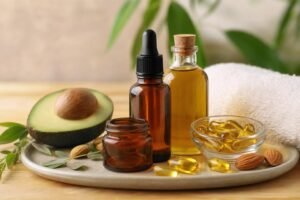
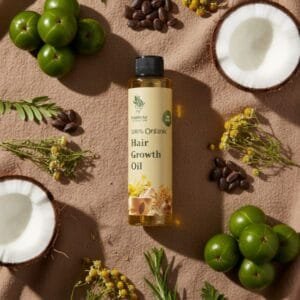
When using herbal oils, look for cold-pressed carrier oils like almond, jojoba, or coconut, which themselves nourish the hair. Infused oils can be made at home by steeping dried herbs in a carrier oil for several weeks. Alternatively, commercial products like the Hair Growth Oil – Strengthen & Nourish Hair Naturally are convenient and often blend multiple herbs for synergistic effects.
It’s essential to choose herbs that suit your hair type. For example, rosemary is lightweight and works well for fine hair, while amla can be a bit heavy for very fine hair. Bhringraj oil is relatively light and is suitable for most hair types. If you have a sensitive scalp, opt for aloe vera and chamomile, which are gentle and calming.
Always patch test any new herb or oil by applying a small amount to your inner arm and waiting 24 hours. If irritation occurs, discontinue use. Also, be mindful of herbal interactions with medications—consult your healthcare provider if you are on any regular medication.
DIY Herbal Hair Masks and Rinses
Creating your own herbal hair treatments is easy and cost-effective. One popular DIY mask is the amla and yogurt mask: mix 2 tablespoons of amla powder with plain yogurt to form a paste, apply to your scalp and hair, leave for 30 minutes, then rinse. The yogurt provides protein, and amla strengthens. Another is the bhringraj oil massage: warm the oil slightly and massage into your scalp for 5-10 minutes, leave overnight, and wash in the morning.
For a simple herbal rinse, steep dried rosemary or green tea in hot water, let it cool, and use as a final rinse after shampooing. This can help improve circulation and add shine. You can also make a fenugreek (methi) paste by soaking fenugreek seeds overnight, grinding them into a paste, and applying it to your scalp for 20 minutes. Fenugreek is rich in protein and nicotinic acid, which may promote hair growth.
When applying masks, always start with clean, damp hair to help absorption. Use a wide-tooth comb to distribute the mask evenly. Cover your hair with a shower cap to keep the mask moist and enhance penetration. Rinse thoroughly with lukewarm water, followed by a cool water rinse to seal the cuticles.
Frequency matters: using a strengthening mask once a week is generally sufficient. Overusing can lead to product buildup or weigh down your hair. For oily scalps, focus on the lengths and ends rather than the scalp. For dry scalps, a gentle scalp massage with herbal oil can be done twice a week.
If you prefer ready-made solutions, look for products that contain these herbs. For instance, the Hair Growth Oil from Flambeauty combines several Ayurvedic herbs and is designed to be massaged into the scalp. Such products save time and ensure proper concentration.
Always patch test DIY masks as well, especially if you have sensitive skin. And remember, consistency is more important than intensity—using a mild herbal rinse daily is better than a strong mask once a month.
Lifestyle Habits That Support Hair Strength
Herbal remedies work best when paired with a healthy lifestyle. A balanced diet rich in protein, iron, zinc, and vitamins A, C, D, and E is crucial. Include eggs, fish, nuts, leafy greens, and citrus fruits. Iron deficiency is a common cause of hair thinning, so consider getting your levels checked. Omega-3 fatty acids from fish or flaxseeds help keep your scalp hydrated and hair flexible.
Stress management is essential because chronic stress can push hair follicles into the resting phase. Practices like yoga, meditation, or even regular walks can reduce cortisol levels. Aim for 7-8 hours of quality sleep per night; during sleep, your body repairs and regenerates cells, including hair follicles.
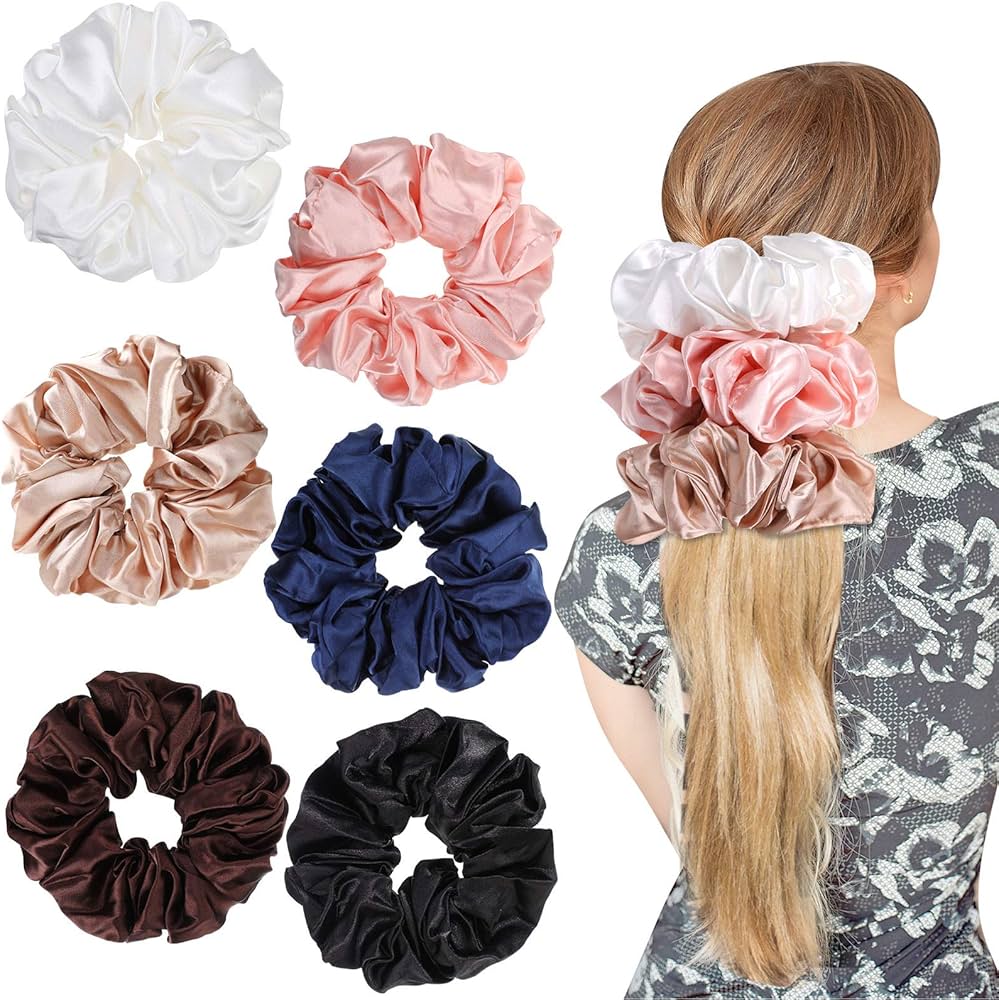
Gentle hair care is non-negotiable. Avoid tight hairstyles that pull on the roots, and use a wide-tooth comb or a soft brush. Consider using a Silk Scrunchie which is gentle on hair and reduces breakage compared to regular elastic bands. Also, limit heat styling tools and always use a heat protectant.
Protect your hair from environmental damage: wear a hat in harsh sunlight and rinse your hair after swimming in chlorinated pools. Over-washing can strip natural oils, so aim to wash 2-3 times a week, depending on your hair type. Use sulfate-free shampoos and conditioners that are gentle on the scalp.
Hydration is key—drink plenty of water throughout the day. Dehydrated hair is more prone to breakage. Additionally, regular trims every 6-8 weeks can prevent split ends from traveling up the shaft, keeping your hair looking fuller and healthier.
Common Mistakes to Avoid When Using Herbal Remedies
One major mistake is expecting instant results. Herbal remedies take time—at least 3-6 months of consistent use to see noticeable changes. Patience is essential. Another error is using too many different herbs at once, which can irritate the scalp or cause product buildup. Start with one or two herbs and see how your hair responds.
Skipping patch tests is a common oversight. Even natural herbs can cause allergic reactions. Always test a small area first. Also, avoid leaving herbal masks on for too long; leaving them overnight may not be necessary and can cause dryness or irritation. Follow the recommended times.
Using harsh chemicals alongside herbs can cancel out benefits. For example, bleaching or perming your hair while using herbal treatments can stress the hair further. Avoid combining active chemical treatments with herbal routines. Also, be cautious with essential oils—they are potent and must be diluted with a carrier oil to prevent burning the scalp.
Ignoring your overall health is a mistake. Herbs cannot fix hair loss caused by medical conditions like thyroid disorders or hormonal imbalances. If you suspect an underlying issue, see a doctor. Also, don’t rely solely on topical herbs; internal nutrition is equally important.
Another mistake is using low-quality or adulterated herbal products. Always buy from reputable brands that clearly list ingredients. If you’re making your own, source organic herbs. For commercial products, check for certifications and read reviews. You can also explore other hair care tips in our Hair Care collection.
Choosing the Right Herbal Products for Your Hair Type
Your hair type and scalp condition should guide your product choices. For dry and brittle hair, look for oils rich in fatty acids like coconut or almond oil infused with bhringraj or amla. These provide deep moisture and strengthen from within. For oily hair and scalp, opt for lighter oils like jojoba or grapeseed with rosemary or tea tree, which can balance oil without weighing hair down.
If you have sensitive skin, choose fragrance-free and hypoallergenic products with soothing herbs like chamomile or calendula. Those with dandruff or flaky scalp should look for antifungal herbs like neem or tea tree in their products. For color-treated hair, avoid herbs that may alter color, such as henna; instead, use gentle oils that don’t strip color.
When selecting commercial products, read the ingredient list carefully. The first few ingredients matter most—if the first is a chemical like parabens, put it back. Look for products with high concentrations of herbs. For example, the Hair Growth Oil lists several Ayurvedic herbs and is formulated for all hair types.
Price is a consideration, but quality matters. You don’t need to spend a fortune; many effective herbal products are affordable. If you’re on a tight budget, making your own infusions at home can save money. For instance, steeping dried rosemary in olive oil for two weeks yields a cost-effective strengthening oil.
Always check for third-party testing or certifications when possible. And remember, what works for someone else may not work for you, so be prepared to experiment. If you’re new to herbal hair care, start with a simple product like a silk scrunchie to reduce breakage while you explore your options—small changes can make a big difference.
Adapting Herbal Hair Care on a Budget
Herbal remedies don’t have to be expensive. Many ingredients are kitchen staples: eggs, yogurt, honey, and olive oil can be used in DIY masks. Fenugreek seeds are very affordable and can be turned into a paste. Green tea bags are cheap and make an excellent rinse. Buying herbs in bulk from local markets is often cheaper than pre-packaged products.
Consider making your own infused oil: fill a jar with a carrier oil (like coconut or olive) and add dried herbs like rosemary or bhringraj. Let it sit in a sunny spot for 2-3 weeks, shaking daily, then strain. This is cost-effective and allows you to control the quality.
Prioritize your spending: invest in a good quality oil if you don’t want to make your own. The Hair Growth Oil is reasonably priced for its benefits. Alternatively, a silk scrunchie is a small investment that prevents breakage.
For those in Pakistan, prices may vary. Here’s an approximate cost range for common herbal ingredients and products:
| Item | Approximate Price (PKR) |
|---|---|
| Dried herbs (amla, bhringraj) per 100g | 200–500 |
| Carrier oil (coconut, almond) 200ml | 400–800 |
| Herbal hair oil (100ml) | 500–1500 |
| Silk scrunchie (pack of 1) | 600–1000 |
By prioritizing essentials and using DIY methods, you can maintain a herbal hair care routine without breaking the bank. For more tips and product recommendations, browse our blog for related topics like herbal acne remedies or repairing a damaged skin barrier.
Frequently Asked Questions
How long does it take for herbal remedies to show results on thinning hair?
Consistent use of herbal remedies typically shows visible improvements in hair strength and thickness within 3 to 6 months, as hair growth cycles are slow. Patience and regular application are key.
Can herbal remedies cause any side effects on the scalp?
Some herbs may cause allergic reactions or irritation, especially if used in high concentrations. Always do a patch test before applying any new herb or oil to your scalp.
Are herbal remedies effective for all types of hair thinning?
Herbs can help with thinning due to stress, nutritional deficiencies, or breakage, but may not be effective for genetic or hormonal hair loss. Consult a dermatologist for a proper diagnosis.
Can I combine multiple herbal remedies at once?
It's best to start with one or two herbs to see how your hair responds. Combining too many can irritate the scalp or cause buildup. Introduce new herbs gradually.
Written by Mishal Rehman, owner of Flambeauty — sharing practical, professional beauty and skincare guidance.
Updated: August 2026