Discover how prolonged mask-wearing impacts your skin and get practical tips to prevent maskne, irritation, and breakouts. Keep your skin healthy and clear.
Wearing masks for long hours can lead to skin issues like acne, irritation, and dryness due to friction, trapped moisture, and bacteria. Proper cleansing, moisturizing, and choosing breathable fabrics can help maintain healthier-looking skin.
Understanding Mask-Related Skin Problems
When you wear a mask for extended periods, your skin is subjected to a unique set of conditions that can trigger various problems. The constant friction from the mask’s material rubbing against your face can cause irritation, redness, and even small abrasions. This is particularly common on the bridge of the nose, cheeks, and behind the ears where the elastic bands sit. The friction is exacerbated when the mask doesn’t fit well or when you’re talking, smiling, or moving your face frequently.
Another major factor is the buildup of moisture and heat. As you breathe and talk, warm, humid air gets trapped between the mask and your skin. This creates a breeding ground for bacteria and yeast, which can lead to infections or flare-ups of conditions like acne and rosacea. The moisture also softens the outer layer of your skin, making it more susceptible to irritation and breakdown. If you already have sensitive or acne-prone skin, this environment can quickly worsen your condition.
Additionally, the mask can act as a barrier that traps sweat, oil, and dirt against your skin. This cloggs pores and can cause comedones (blackheads and whiteheads) or inflammatory acne. The term “maskne” has become popular to describe this specific type of breakout. It’s not just about acne though; people with eczema or psoriasis may experience flare-ups due to the occlusive nature of masks. The constant rubbing can also lead to a condition called acne mechanica, which is acne caused by friction and pressure.
Furthermore, the psychological stress of the pandemic and the need to wear masks might have increased stress levels, which can indirectly affect skin health by triggering hormonal changes that lead to breakouts. But even without stress, the physical effects are significant. Understanding these mechanisms is the first step to mitigating them. By recognizing that mask-wearing affects your skin through friction, moisture, and occlusion, you can take targeted steps to protect your skin.
It’s also worth noting that not all masks are created equal. The material, fit, and how often you change or wash your mask can greatly influence how your skin reacts. For example, a tight-fitting N95 mask might cause more friction than a loose cloth mask, but a cloth mask that isn’t washed regularly can harbor bacteria. So, it’s a balance between protection and skin health. In the following sections, we’ll dive deeper into specific strategies to keep your skin healthy while wearing masks.
Daily Skincare Routine for Mask Wearers
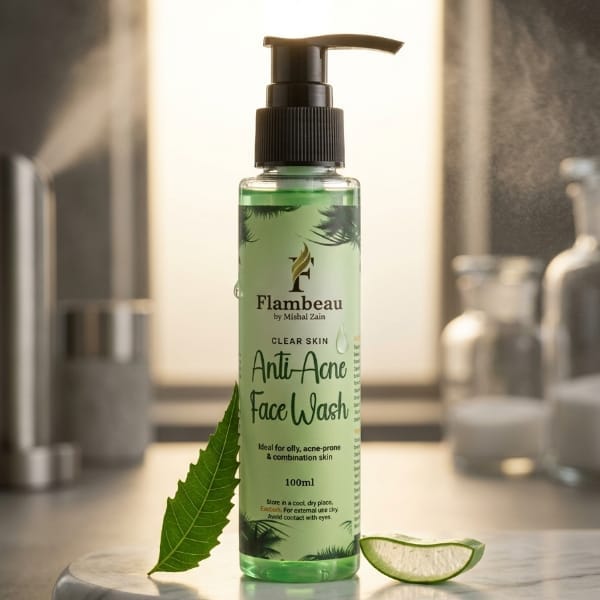
If you’re wearing a mask for hours each day, your skincare routine needs to be adjusted to address the unique challenges. Start with a gentle cleanser that removes dirt, oil, and bacteria without stripping your skin. Cleansing is crucial because it removes the buildup that can clog pores under the mask. Look for a face wash with ingredients like salicylic acid or benzoyl peroxide if you’re acne-prone, but be careful not to overdo it as these can be drying. A product like Anti Acne Facewash for Pimples & Oil Control – Deep Cleansing Formula can be effective for managing breakouts, but always follow with a moisturizer to maintain your skin barrier.
Moisturizing is often overlooked by those with oily or acne-prone skin, but it’s essential. A good moisturizer creates a protective barrier that reduces friction and prevents moisture loss. Choose a lightweight, non-comedogenic moisturizer that won’t clog pores. Ingredients like ceramides, hyaluronic acid, and niacinamide are excellent for hydrating and soothing the skin. Apply it after cleansing and before putting on your mask to create a buffer between your skin and the mask material. If you have dry skin, you might need a richer cream, especially at night.
Exfoliation should be done sparingly. Over-exfoliating can damage your skin barrier and make irritation worse. Once or twice a week, use a gentle chemical exfoliant like lactic acid or mandelic acid to remove dead skin cells and keep pores clear. Avoid harsh scrubs that can cause micro-tears, especially if you’re already experiencing friction from the mask. After exfoliating, always hydrate well.
Don’t forget sunscreen, even under a mask. The mask doesn’t provide adequate sun protection, and UV rays can still penetrate. A lightweight, mineral sunscreen with zinc oxide or titanium dioxide is less likely to irritate sensitive skin. Some sunscreens also contain ingredients that can help soothe the skin. Reapply if you’re outside for extended periods, but be mindful that reapplying over a mask might be tricky; you might need to remove the mask briefly to reapply.
At night, double cleanse if you’ve been wearing sunscreen or heavy products. Use an oil-based cleanser first to break down sunscreen and sebum, followed by a water-based cleanser. Then apply a treatment product if needed, like a retinoid or niacinamide serum, to address specific concerns. Finish with a moisturizer to lock in hydration. This routine helps repair the skin overnight from the day’s stressors.
Incorporating soothing ingredients like centella asiatica, aloe vera, or green tea can also help calm any redness or inflammation. These can be found in serums, masks, or moisturizers. Remember, consistency is key. A simple, consistent routine is better than a complicated one you can’t maintain.
Step-by-Step Guide to Prevent and Treat Maskne
Preventing maskne requires a combination of good hygiene, smart product choices, and gentle care. Here’s a step-by-step approach to keep your skin clear and comfortable.
Step 1: Choose the right mask. Opt for masks made from soft, breathable fabrics like cotton. Avoid synthetic materials that trap heat and moisture. A mask with a adjustable nose wire can reduce fogging and friction. If you need a medical mask, look for ones with a soft inner layer. The fit should be snug but not tight; you don’t want it digging into your skin.
Step 2: Cleanse gently twice daily. Wash your face with a mild cleanser in the morning and evening. If you’ve been sweating, cleanse after removing your mask. Avoid harsh scrubs or cleansing brushes that can irritate. Pat your face dry with a clean towel; don’t rub.
Step 3: Moisturize before masking. Apply a lightweight moisturizer to create a barrier. Let it absorb for a minute before putting on your mask. This reduces friction and keeps skin hydrated. For extra protection, you can apply a thin layer of petroleum jelly on areas prone to friction, like the nose bridge, but be cautious if you’re acne-prone as it can clog pores.
Step 4: Skip makeup under the mask. Makeup can mix with sweat and oil, clogging pores. If you must wear makeup, choose non-comedogenic, oil-free products and keep it minimal. Better yet, go bare-faced under the mask and focus on eye makeup if desired.
Step 5: Take mask breaks. When safe, remove your mask for short periods to let your skin breathe. Do this in a well-ventilated area or outdoors when you’re not around others. Even a few minutes can help reduce moisture buildup.
Step 6: Wash your masks regularly. If you wear cloth masks, wash them after each use with a gentle, fragrance-free detergent. This removes oils, dead skin cells, and bacteria. Have a rotation of masks so you always have a clean one. Disposable masks should be discarded after one use.
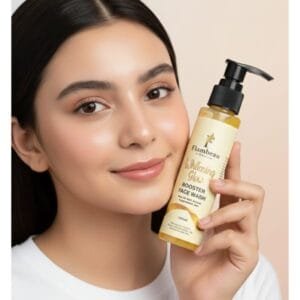
Step 7: Treat breakouts appropriately. If you do get maskne, don’t pick or squeeze. Use over-the-counter treatments containing benzoyl peroxide, salicylic acid, or adapalene. Apply a spot treatment at night and moisturize well. If it’s severe, consult a dermatologist. For a gentle brightening option that also cleanses, consider a product like Whitening Face Wash – Brightening & Deep Cleansing, but introduce it slowly to avoid irritation.
Step 8: Soothe irritation. If you have redness or chafing, apply a cool compress and use a soothing cream with ingredients like colloidal oatmeal or allantoin. Avoid products with alcohol or fragrance. If the irritation persists, see a doctor.
Always patch test new products before applying them to your entire face, especially if you have sensitive skin. This helps avoid allergic reactions or worsening of your condition.
Common Mistakes to Avoid When Wearing Masks
Even with good intentions, people often make mistakes that can exacerbate skin problems. Here are some common pitfalls to avoid.
Mistake 1: Not washing your mask often enough. Reusing a dirty mask is like pressing bacteria and oil back onto your skin. Cloth masks should be washed after every wear, and disposable masks should be thrown away after one use. If you’re wearing a mask for a full day, consider carrying a spare to swap out if it gets damp.
Mistake 2: Using harsh skincare products. When your skin is already stressed from mask-wearing, adding strong actives like high-concentration retinol or glycolic acid can backfire. These can cause irritation, peeling, and redness. Stick to gentle, fragrance-free products and introduce actives slowly. If you use prescription treatments, talk to your dermatologist about adjusting frequency.
Mistake 3: Over-moisturizing or under-moisturizing. Both extremes are problematic. Too much heavy cream can clog pores and create a greasy environment under the mask. Too little leaves skin dry and more prone to friction. Find a balance with a lightweight but effective moisturizer. If you’re oily, a gel-based moisturizer works well; if you’re dry, a cream with ceramides is better.
Mistake 4: Touching your face and mask constantly. Adjusting your mask with unclean hands transfers bacteria to your face. Try to minimize touching. If you must adjust, use hand sanitizer or wash your hands first. Also, avoid pulling the mask down to talk or eat; instead, remove it completely and place it on a clean surface.
Mistake 5: Ignoring irritation signs. If you notice persistent redness, itching, or pain, don’t ignore it. Continuing to wear a mask over irritated skin can worsen the problem. Take a break if possible, and treat the area with soothing products. If it doesn’t improve, see a healthcare provider.
Mistake 6: Using fabric softeners or scented detergents. These can leave residues that irritate your skin. Wash masks with fragrance-free, dye-free detergent and skip fabric softener. Rinse thoroughly to remove all soap.
Mistake 7: Not adjusting your routine for the seasons. In hot, humid weather, you’ll sweat more under the mask, so you might need a lighter moisturizer and more frequent cleansing. In cold weather, the mask can cause dryness, so you may need a richer moisturizer. Listen to your skin and adapt.
By avoiding these mistakes, you can significantly reduce the risk of mask-related skin issues. Remember, it’s about being mindful and consistent with your skincare habits.
Choosing the Right Products for Mask-Wearing
When selecting skincare products to use while wearing masks, look for specific qualities that support skin health under these conditions.
Cleansers: Choose gentle, sulfate-free cleansers that remove impurities without stripping. If you’re acne-prone, a cleanser with salicylic acid can help keep pores clear. Avoid cleansers with harsh exfoliating beads. For a deep cleansing option that targets acne and oil control, the Anti Acne Facewash for Pimples & Oil Control – Deep Cleansing Formula is formulated to address these concerns, but always follow with moisturizer.
Moisturizers: Look for non-comedogenic, fragrance-free moisturizers with ingredients like ceramides, hyaluronic acid, glycerin, and niacinamide. These hydrate and strengthen the skin barrier. Gel-based formulas are great for oily skin, while creams suit dry skin. Avoid heavy oils like coconut oil if you’re acne-prone, as they can clog pores.
Sunscreens: Mineral sunscreens with zinc oxide or titanium dioxide are less likely to irritate. They also provide broad-spectrum protection. Look for lightweight, non-greasy formulas that won’t feel heavy under a mask. Some sunscreens are tinted, which can help even out skin tone without makeup.
Treatments: For acne, benzoyl peroxide, salicylic acid, and adapalene are effective. For redness, azelaic acid or niacinamide can help. For dryness, hyaluronic acid serums are excellent. Introduce one product at a time and patch test. If you use prescription retinoids, you might need to reduce frequency or apply before moisturizer to buffer.
Masks (skincare masks): Sheet masks or clay masks can be used when you’re not wearing a face mask to give your skin a boost. Hydrating sheet masks with hyaluronic acid can replenish moisture, while clay masks can deep clean pores. Use them 1-2 times a week as a treat.
Lip care: Don’t forget your lips, which can also be affected by mask friction. Apply a nourishing lip balm with ingredients like shea butter or lanolin to prevent chapping.
When choosing products, consider your skin type. For a detailed guide on products for different skin types, check out our Skin Care category. Also, explore our blog archive for more tips on maintaining healthy skin.
Adapting Your Routine for Different Skin Types
Your skin type plays a big role in how you should adjust your routine for mask-wearing. Here’s a breakdown for common skin types.
Dry Skin
Dry skin under a mask can become even drier due to the mask absorbing natural oils and the friction causing flakiness. Focus on hydration and barrier repair. Use a creamy, fragrance-free cleanser that doesn’t foam much. Moisturize with a rich cream containing ceramides, shea butter, or squalane. Apply a hydrating serum with hyaluronic acid before moisturizer. Avoid alcohol-based toners. At night, use a sleeping mask or facial oil to seal in moisture. If you experience chafing, apply a thin layer of ointment like petroleum jelly on the affected areas before masking.
Oily Skin
Oily skin can become oilier under a mask because heat and moisture stimulate sebum production. Use a foaming cleanser with salicylic acid to keep pores clear. Don’t skip moisturizer; choose a lightweight gel or lotion labeled non-comedogenic. Niacinamide can help regulate oil. Use blotting papers to absorb excess oil without disturbing your mask. Avoid heavy creams. A clay mask once a week can help absorb excess oil. If you’re prone to acne, use a spot treatment with benzoyl peroxide at night.
Combination Skin
Combination skin requires balance. Use a gentle cleanser and a lightweight moisturizer all over, but you might need a richer cream on dry areas like cheeks and a gel on oily areas like the T-zone. Multi-masking with a clay mask on the T-zone and a hydrating mask on cheeks can help. Use niacinamide to balance oil and hydrate. Be mindful of friction; apply a barrier cream on areas where the mask rubs.
Sensitive Skin
Sensitive skin is most prone to irritation from masks. Choose masks made from soft, natural fabrics and avoid dyes or fragrances. Use extremely gentle, fragrance-free products with minimal ingredients. Look for soothing ingredients like centella asiatica, colloidal oatmeal, and aloe vera. Avoid exfoliants and alcohol. Patch test everything. If you develop a rash, stop using all actives and use only a gentle cleanser and moisturizer until it heals. Consult a dermatologist if needed.
Acne-Prone Skin
Acne-prone skin is at high risk for maskne. Use a salicylic acid cleanser twice daily. Follow with a non-comedogenic moisturizer. Use a benzoyl peroxide spot treatment on active pimples. Avoid heavy makeup under the mask. Change your mask frequently. Consider using a product like the Whitening Face Wash – Brightening & Deep Cleansing if you also want to address uneven tone, but introduce it cautiously. For more on natural ingredients that can help, read our post on Why Turmeric Soap Is Popular for Brightening Skin Tone. Another helpful ingredient is witch hazel, which can be used as a toner; learn more in Witch Hazel as a Natural Toner: Benefits & How to Use It Safely.
Regardless of your skin type, consistency and gentle care are key. Listen to your skin and adjust as needed.
For more personalized advice, consider consulting a dermatologist. The American Academy of Dermatology provides helpful skin care basics that can guide you.
Frequently Asked Questions
Can wearing a mask cause acne even if I never had it before?
Yes, the combination of friction, trapped moisture, and bacteria can lead to acne mechanica, even if you've never been acne-prone. This is commonly called maskne. Following a gentle skincare routine and keeping your mask clean can help prevent it.
How often should I wash my cloth mask to prevent skin problems?
You should wash your cloth mask after every use with a fragrance-free detergent. This removes oils, dead skin cells, and bacteria that can clog pores and cause irritation. Having multiple masks allows you to rotate them.
What ingredients should I look for in a moisturizer if I wear a mask all day?
Look for non-comedogenic moisturizers with ceramides, hyaluronic acid, niacinamide, or glycerin. These hydrate and strengthen the skin barrier without clogging pores. Avoid heavy fragrances and oils that can irritate or cause breakouts.
Is it safe to wear makeup under a mask?
It's best to avoid makeup under the mask because it can mix with sweat and oil, clogging pores. If you must wear makeup, choose non-comedogenic, oil-free products and keep it minimal. Always cleanse thoroughly afterward.
Written by Mishal Rehman, owner of Flambeauty — sharing practical, professional beauty and skincare guidance.
Updated: September 2026