Learn natural remedies and gentle routines to calm an oily, itchy scalp. Get step-by-step tips and product advice for healthier, balanced hair.
To treat an oily, itchy scalp naturally, cleanse regularly with a gentle, sulfate-free shampoo, avoid heavy products, and use soothing ingredients like aloe vera, tea tree oil, and apple cider vinegar. Maintain a balanced diet and manage stress to reduce oil production and itching.
Why Your Scalp Gets Oily and Itchy
An oily, itchy scalp is often the result of excess sebum production combined with irritation or inflammation. Sebum is the natural oil your scalp produces to keep skin and hair moisturised, but when glands work overtime, the scalp can feel greasy and uncomfortable. Several factors contribute to this imbalance, including genetics, hormonal fluctuations, stress, and even the weather. In Pakistan, the hot and humid climate can exacerbate oiliness, while winter dryness might trigger itching. Additionally, certain hair care habits, like over-washing or using harsh products, can strip the scalp of its natural oils, leading to a rebound effect where more oil is produced. Understanding the root cause is key to finding an effective natural treatment. It’s also important to distinguish between simple oiliness and a condition like seborrheic dermatitis, which may require medical attention.
Another common culprit is product buildup. Residue from shampoos, conditioners, and styling products can clog hair follicles, causing irritation and itching. Similarly, a yeast-like fungus called Malassezia, which naturally lives on the scalp, can overgrow in oily environments, leading to dandruff and itching. Maintaining a clean scalp without over-stripping is a delicate balance. Stress also plays a role: high stress levels increase cortisol, which can stimulate oil glands. Diet matters too; a diet high in processed foods, sugar, and dairy may promote inflammation and excess oil. By addressing these factors holistically, you can naturally reduce both oiliness and itching.
It’s also worth noting that many people unknowingly worsen the problem by scratching. Scratching temporarily relieves itch but damages the skin barrier, leading to more inflammation and potentially infection. Breaking the itch-scratch cycle is essential for healing. Furthermore, some medical conditions like psoriasis or eczema can cause similar symptoms, so if natural remedies don’t help, consult a dermatologist. For most people, though, a combination of gentle cleansing, soothing ingredients, and lifestyle adjustments can restore balance.
Natural Ingredients That Soothe and Balance
Nature offers several potent ingredients that can help regulate oil production and calm irritation. Aloe vera is a superstar for soothing itchy scalps due to its anti-inflammatory and cooling properties. It also contains enzymes that gently exfoliate dead skin cells, preventing buildup. You can apply fresh aloe gel directly to the scalp, leave it for 20 minutes, then rinse. Another hero is tea tree oil, known for its antifungal and antibacterial effects. It targets the Malassezia fungus and reduces itching. Always dilute tea tree oil with a carrier oil like coconut or jojoba before applying, as it can be irritating in its pure form.
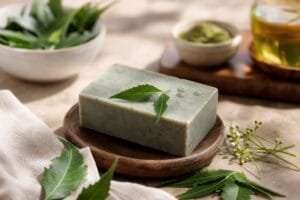
Apple cider vinegar (ACV) helps restore the scalp’s pH balance and removes product residue. Its antibacterial properties can also combat odour and infection. Mix one part ACV with two parts water, and use it as a final rinse after shampooing. For an extra soothing treat, try a neem paste—neem has been used in South Asia for centuries to treat scalp issues. Its anti-inflammatory and antimicrobial compounds can reduce itching and flakiness. Simply grind neem leaves into a paste, apply to the scalp, and leave for 30 minutes before washing.
Other beneficial ingredients include witch hazel, an astringent that tightens pores and controls oil, and peppermint oil, which provides a cooling sensation and improves circulation. Baking soda can be used as a gentle exfoliant to remove dead skin, but use it sparingly to avoid dryness. Honey is a natural humectant and antibacterial agent; a honey mask can hydrate while fighting bacteria. When using any new ingredient, always patch test first to ensure you don’t have an allergic reaction. These natural remedies can be powerful, but consistency is key—results may take a few weeks.
Building a Natural Scalp Care Routine
A consistent routine is the foundation of a healthy scalp. Start by washing your hair every 2-3 days with a gentle, sulfate-free shampoo. Over-washing strips oils, while under-washing allows buildup. Look for shampoos with natural ingredients like aloe, tea tree, or neem. If you have an oily scalp, you might need to wash more frequently, but always use lukewarm water—hot water can irritate and stimulate oil production. Massage your scalp gently with your fingertips to boost circulation and loosen debris; avoid scratching with nails.
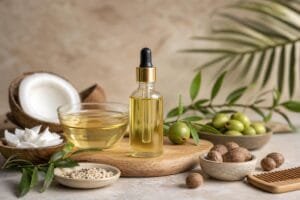
After shampooing, apply a natural conditioner only to the ends of your hair, not the scalp, to prevent weighing it down. Once a week, treat your scalp to a soothing mask like a mix of yogurt and honey, or a clay mask with bentonite clay to absorb excess oil. Apple cider vinegar rinses can be used weekly to balance pH. For an extra boost, incorporate a scalp oil massage with oils like jojoba or grapeseed, which are lightweight and won’t clog pores. Massage for 5-10 minutes before washing to nourish and relax.
Exfoliation is also important—use a gentle scrub once a week to remove dead skin cells. You can make a DIY scrub with sugar and olive oil. Always follow with a moisturising treatment to prevent dryness. If you use styling products, choose water-based ones and wash them out before bed. Never go to bed with wet hair, as this creates a breeding ground for fungus. Also, clean your hairbrushes and pillowcases regularly to avoid reintroducing bacteria. By following this routine, you’ll gradually see a reduction in oiliness and itching.
Step-by-Step: Your Weekly Natural Scalp Treatment
Here’s a detailed weekly regimen to reset your scalp. Step 1: Pre-treatment oil massage. Warm 2 tablespoons of coconut or jojoba oil and massage into your scalp for 10 minutes. This loosens buildup and nourishes. Leave for 30 minutes or overnight. Step 2: Gentle cleanse. Wash with a sulfate-free shampoo, focusing on the scalp. Rinse thoroughly with lukewarm water. Step 3: Apple cider vinegar rinse. Mix 1 part ACV with 2 parts water. After shampooing, pour over scalp, massage, and rinse after 2 minutes. This restores pH.
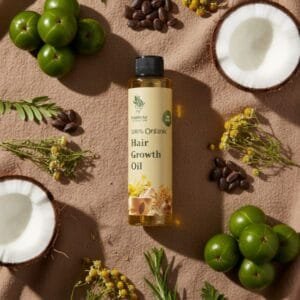
Step 4: Soothing mask. Once a week, apply a mask of 2 tablespoons aloe vera gel, 1 tablespoon honey, and a few drops of tea tree oil. Leave for 20 minutes, then rinse. Step 5: Moisturise ends. Apply a light conditioner or a few drops of argan oil to your hair ends. Step 6: Exfoliate. Every 10 days, use a gentle scrub on your scalp before shampooing. Step 7: Protect and maintain. Use a 1 Silk Scrunchie – Gentle & Perfect for All Hair Types to tie your hair loosely, avoiding tight styles that can stress the scalp. Also, consider a Hair Growth Oil – Strengthen & Nourish Hair Naturally to support overall scalp health.

Throughout the week, maintain good habits: drink plenty of water, eat a balanced diet, and manage stress. Consistency is crucial—perform this routine for at least 4 weeks to see noticeable improvement. Adjust frequency based on your scalp’s response. If your scalp feels dry, reduce ACV rinses; if still oily, increase cleansing frequency slightly. Remember, natural treatments work gradually, so be patient.
Common Mistakes to Avoid
Many people unintentionally worsen their scalp condition. Mistake 1: Over-washing. Washing daily strips natural oils, causing rebound oiliness. Aim for every other day. Mistake 2: Using harsh sulfates. Sulfates like SLS can irritate and disrupt the scalp barrier. Choose sulfate-free formulas. Mistake 3: Scratching. It feels good momentarily but damages skin and can lead to infection. Instead, use a soothing rinse or cold compress to relieve itch.
Mistake 4: Applying heavy oils to the scalp. Oils like olive oil can clog pores for some, so opt for lightweight oils like jojoba or grapeseed. Mistake 5: Ignoring product buildup. Regularly clarify with a natural rinse like ACV. Mistake 6: Using too many products. Simplify your routine—less is more. Mistake 7: Not rinsing thoroughly. Leftover shampoo or conditioner can cause irritation. Rinse until water runs clear.
Mistake 8: Poor diet and stress. These internal factors significantly impact scalp health. Reduce sugar, dairy, and processed foods; practice stress-reducing activities like yoga. Mistake 9: Sharing hair tools. This spreads bacteria and fungi. Clean your brushes weekly with soap and water. Mistake 10: Expecting overnight results. Natural remedies take time. Give them at least a month. If conditions persist, see a dermatologist; sometimes a medical issue like seborrheic dermatitis requires prescription treatment.
Choosing the Right Natural Products
When shopping for natural scalp products, read labels carefully. Look for sulfate-free, paraben-free, and silicone-free formulas. Key ingredients to seek: aloe vera, tea tree oil, neem, witch hazel, and apple cider vinegar. Avoid products with alcohol, which can dry out the scalp, and synthetic fragrances that may irritate. For shampoos, choose ones with a mild surfactant like coco-glucoside. Patch test any new product on a small area before full use.
Consider the product’s pH—a balanced pH of around 5.5 is ideal. Clay masks with bentonite or kaolin can absorb excess oil. Scalp scrubs with natural exfoliants like sugar or salt can help, but use them gently. If you prefer ready-made products, look for brands that prioritise natural ingredients. For hair oils, choose cold-pressed, unrefined oils. Explore our hair care category for options that align with natural care.
Also, consider the packaging—avoid products in jars that require dipping fingers, as this introduces bacteria. Opt for tubes or pumps. Check for certifications like organic or cruelty-free. Remember, natural doesn’t always mean safe for everyone; some essential oils can cause reactions. Always dilute essential oils properly. If you’re unsure, consult a dermatologist or a trusted source like the American Academy of Dermatology for guidance on scalp care.
Adapting Your Routine for Different Scalp Types
Oily Scalp with Dandruff
If you have oily dandruff (yellowish flakes), focus on antifungal ingredients like tea tree oil and neem. Wash more frequently—every other day—with a medicated natural shampoo containing zinc pyrithione or selenium sulfide (these are not strictly natural but are effective; for natural, stick to tea tree). Use ACV rinses to balance pH. Avoid oil-based scalp treatments; instead, use aloe vera gel as a soothing mask. Exfoliate gently to remove flakes.
Dry, Itchy Scalp
If your scalp is dry and itchy, reduce washing to twice a week with a moisturising, sulfate-free shampoo. Incorporate hydrating ingredients like honey, aloe, and coconut oil. Do a pre-shampoo oil massage with coconut or olive oil to nourish. Avoid ACV rinses, which can be drying. Use a humidifier if the air is dry. Stay hydrated and eat healthy fats like avocado and nuts.
Sensitive, Itchy Scalp
For sensitive scalps, avoid essential oils and exfoliants. Use colloidal oatmeal masks to calm irritation. Choose fragrance-free, minimalist products. Rinse with cool water. Patch test everything. Stress management is crucial. If reactions occur, discontinue use and consult a doctor.
Regardless of type, a healthy lifestyle supports scalp health. Drink water, eat well, and manage stress. For more tips, check out our blog on natural beauty and skincare. And if you’re dealing with other skin concerns, read Purging vs Breakout: How to Tell the Difference.
Frequently Asked Questions
How often should I wash my hair if I have an oily, itchy scalp?
Wash every 2-3 days with a gentle, sulfate-free shampoo. If your scalp is very oily, you may need to wash daily, but avoid over-stripping by using mild formulas.
Can natural remedies completely cure an itchy scalp?
Natural remedies can significantly reduce symptoms and improve scalp health, but they may not cure underlying conditions like seborrheic dermatitis. If symptoms persist, consult a dermatologist.
Is apple cider vinegar safe for all scalp types?
Apple cider vinegar can be beneficial for oily scalps but may be too drying for dry or sensitive scalps. Always dilute it and use sparingly, and patch test first.
Written by Mishal Rehman, owner of Flambeauty — sharing practical, professional beauty and skincare guidance.
Updated: September 2026