Discover how herbal steam treatments improve scalp health and hair growth. Learn step-by-step methods, common mistakes, and best herbs for Pakistani climate.
Herbal steam treatments involve exposing the scalp and hair to steam infused with beneficial herbs, which helps open pores, improve blood circulation, and deliver nutrients directly to hair follicles. This traditional practice can soothe an itchy scalp, reduce excess oil, and promote healthier-looking hair. Regular steaming, combined with nourishing oils, supports a balanced scalp environment and can enhance the effectiveness of your hair care routine.
Why Herbal Steam Works: The Science Behind Scalp and Hair Benefits
Steam has been used for centuries in various cultures as a way to cleanse and rejuvenate the skin and hair. When applied to the scalp, the gentle heat from steam helps to dilate blood vessels, increasing blood flow to the hair follicles. This enhanced circulation brings oxygen and essential nutrients to the roots, which can support hair growth and improve overall scalp health. The warmth also helps to soften the outer layer of the hair shaft, making it more receptive to conditioning treatments and oils.
Moreover, steam opens up the pores on the scalp, allowing for a deeper cleanse. This is particularly beneficial for those who use styling products, as steam can help dissolve buildup that clogs follicles. A clean follicle is less likely to become inflamed or infected, reducing the risk of conditions like folliculitis. The moisture from steam also helps to hydrate the scalp, which can alleviate dryness and flakiness. For people with oily scalps, steam can help regulate sebum production by softening and loosening excess oil, making it easier to wash away.
Herbal infusions add another layer of benefit. When you add herbs like rosemary, chamomile, or neem to the water, the steam carries their volatile compounds and active ingredients. These herbal components can have antimicrobial, anti-inflammatory, and soothing properties that directly benefit the scalp. For instance, rosemary is known for its ability to stimulate hair follicles, while chamomile can calm irritated skin. The combination of heat and herbal actives creates a synergistic effect that enhances the overall treatment.
It’s important to note that steam treatments are not a miracle cure, but they are a valuable addition to a comprehensive hair care routine. They work best when combined with a balanced diet, proper hydration, and gentle hair practices. Many people in Pakistan, where the climate can be harsh on hair, find that regular steaming helps maintain a healthy scalp. The practice is especially popular during the dry winter months when the scalp can become parched.
For best results, it’s recommended to steam your hair once a week or every two weeks, depending on your scalp’s needs. Over-steaming can strip the hair of its natural oils, leading to dryness. Listen to your hair and adjust the frequency accordingly. If you have a sensitive scalp, start with shorter sessions and use mild herbs.
Step-by-Step Guide to Herbal Steam Treatment at Home
Before you begin, gather your supplies: a large bowl, a towel, a pot of boiling water, and your choice of dried or fresh herbs. You can also use a few drops of essential oils, but make sure they are diluted. First, prepare your herbal infusion by adding about 2-3 tablespoons of dried herbs (or a handful of fresh ones) to the boiling water. Let it steep for 5-10 minutes, allowing the water to cool slightly to a safe temperature—around 50-60°C (120-140°F). You don’t want it so hot that it burns your scalp.
Next, wash your hair with a gentle shampoo to remove any dirt or product buildup. Towel-dry your hair so it’s damp but not dripping. This helps the steam penetrate better. Position yourself comfortably over the bowl, draping a towel over your head to trap the steam. Keep your face at a safe distance—about 20-30 cm—to avoid burns. Steam for 5-10 minutes, taking breaks if you feel too warm. Breathe deeply and relax; this is meant to be a calming ritual.
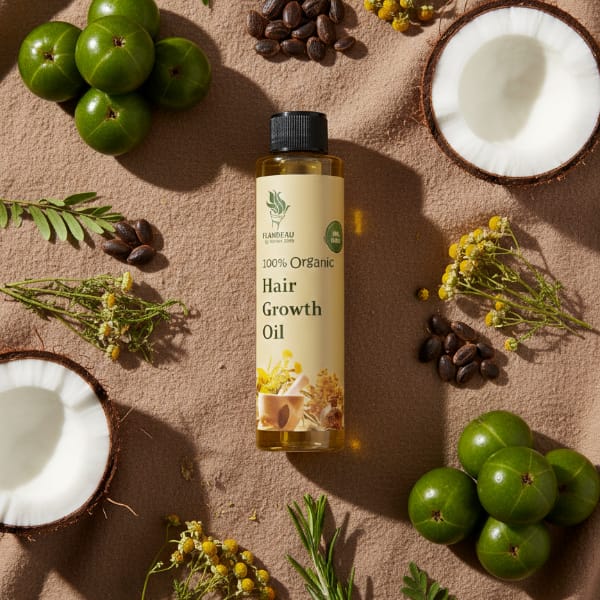
After steaming, your scalp will be warm and your pores open. This is the perfect time to apply a nourishing oil or treatment. For example, you can massage in a few drops of the Hair Growth Oil – Strengthen & Nourish Hair Naturally, which contains a blend of herbs and essential oils that can penetrate deeper into the follicles when applied post-steam. Gently massage the oil into your scalp for 5 minutes to further stimulate circulation. Leave it on for at least 30 minutes, or even overnight if you prefer, before washing it out.
Finally, rinse your hair with lukewarm water and follow with your regular conditioner. You can also do a cool water rinse to close the pores and add shine. Pat your hair dry with a soft towel—avoid rubbing, as wet hair is fragile. Allow your hair to air dry or use a diffuser on low heat. This entire process should take about 30-40 minutes, making it a perfect weekend self-care activity.
For an enhanced experience, consider using a steam cap or a warm towel wrap after applying your oil. This helps retain heat and moisture, maximizing the benefits. You can also incorporate a scalp scrub before steaming to exfoliate dead skin cells, but be gentle to avoid irritation.
Choosing the Right Herbs for Your Scalp Type
Not all herbs are created equal when it comes to scalp health. The best choice depends on your specific concerns. For dry, itchy scalps, herbs like chamomile, calendula, and marshmallow root are soothing and hydrating. They help calm inflammation and reduce flakiness. If you have an oily scalp, look for astringent herbs like sage, thyme, or witch hazel, which can help balance sebum production. For dandruff-prone scalps, antimicrobial herbs like neem, tea tree, and rosemary are excellent choices, as they combat the fungus that often causes dandruff.
For hair growth, herbs known to stimulate follicles include rosemary, peppermint, and nettle. Rosemary, in particular, has been shown in some studies to improve hair growth when applied topically. Peppermint provides a cooling sensation and increases blood flow. Nettle is rich in vitamins and minerals that nourish the hair. If you have a sensitive scalp, stick to gentle herbs like lavender or chamomile, and avoid strong essential oils that might irritate.
In Pakistan, you have easy access to many of these herbs in local markets. You can buy them dried or fresh. It’s also possible to use herbal teas, but make sure they are pure and without added flavors or sweeteners. Always do a patch test on a small area of your skin before using a new herb to ensure you don’t have an allergic reaction.
You can also combine herbs to create a synergistic blend. For example, a mix of rosemary and sage works well for both growth and oily scalp. Or combine chamomile and lavender for a calming, hydrating treatment. The key is to start with small amounts and see how your scalp responds.
Remember that herbs are potent, so a little goes a long way. Overusing them can cause dryness or irritation. Stick to the recommended amounts and frequency.
Common Mistakes to Avoid When Steaming Your Hair
One of the most common mistakes is using water that is too hot. This can burn your scalp and cause serious damage. Always let the water cool to a safe temperature before steaming. Another mistake is steaming too often. Weekly is generally safe, but daily steaming can strip your hair of its natural oils, leading to dryness and breakage. Pay attention to your hair’s texture and adjust accordingly.
Another pitfall is not cleansing your hair before steaming. If you steam over a dirty scalp, you’re essentially trapping dirt and oil deeper into the pores, which can lead to clogged follicles and even acne on the scalp. Always shampoo first. Also, avoid applying heavy oils or conditioners before steaming, as the heat may cause them to become too heavy and weigh down your hair.
People often forget to protect their face and eyes from the steam. The steam can be hot and may cause redness or irritation. Keep your eyes closed and avoid leaning too close. Use a towel to shield your forehead and cheeks if needed. Additionally, don’t steam for too long—10 minutes is plenty. Over-steaming can cause dehydration of the hair shaft, making it brittle.
Using the wrong herbs for your scalp type can also be problematic. For example, if you have a dry scalp and use astringent herbs, you might worsen the dryness. Always research and choose herbs that match your needs. If you’re unsure, start with a neutral herb like chamomile.
Finally, don’t skip the post-steam oil application. The whole point of steaming is to open the follicles for better absorption. If you don’t apply any treatment afterward, you’re missing out on the main benefit. Use a nourishing oil like the Hair Growth Oil to seal in moisture and provide nutrients.
Tailoring Steam Treatments to Your Hair Type
Just as skincare routines vary by skin type, your steam treatment should be adjusted for your hair type. For fine or thin hair, steam can help add volume by lifting the roots, but you should be careful not to over-moisturize, which can make it look flat. Use lightweight herbs like rosemary or peppermint, and avoid heavy oils after steaming—opt for a light serum instead. For thick or coarse hair, steam is a godsend because it helps soften the hair and make it more manageable. You can use more nourishing herbs like coconut or argan oil after steaming to deeply condition.
For curly or textured hair, steam helps to define curls and reduce frizz. It hydrates the hair shaft, which is especially beneficial for those with dry, porous curls. After steaming, apply a leave-in conditioner or a curl cream to lock in moisture. For straight hair, steam can add shine and body, but be careful not to make it oily. Use balancing herbs like sage or lavender.
If you have a sensitive scalp, use only gentle herbs and limit steaming to 5-7 minutes. Avoid essential oils that are known irritants, like cinnamon or clove. Always test on a small area first. For an oily scalp, steam less frequently (every two weeks) and use astringent herbs. You might also consider adding a few drops of tea tree oil to your post-steam rinse to help control oil.
Adapting your routine to the seasons is also important. In Pakistan’s hot, humid summers, your scalp may produce more oil, so you might want to steam less often. In dry winters, steaming can help combat dryness and static. Listen to your hair’s needs and adjust accordingly.
Remember, everyone’s hair is different, so it may take some experimentation to find the perfect routine. Keep a journal of what works and what doesn’t, and don’t be afraid to tweak the herbs and frequency.
Enhancing Your Steam Treatment with Quality Hair Care Products
While steam alone offers many benefits, combining it with high-quality hair care products can amplify the results. After steaming, your scalp is primed to absorb nutrients, making it the ideal time to apply a treatment oil. One excellent option is the Hair Growth Oil – Strengthen & Nourish Hair Naturally, which is formulated with a blend of herbal extracts and essential oils known for their hair-nourishing properties. This oil can help strengthen the hair from root to tip, reduce breakage, and promote a healthier scalp.
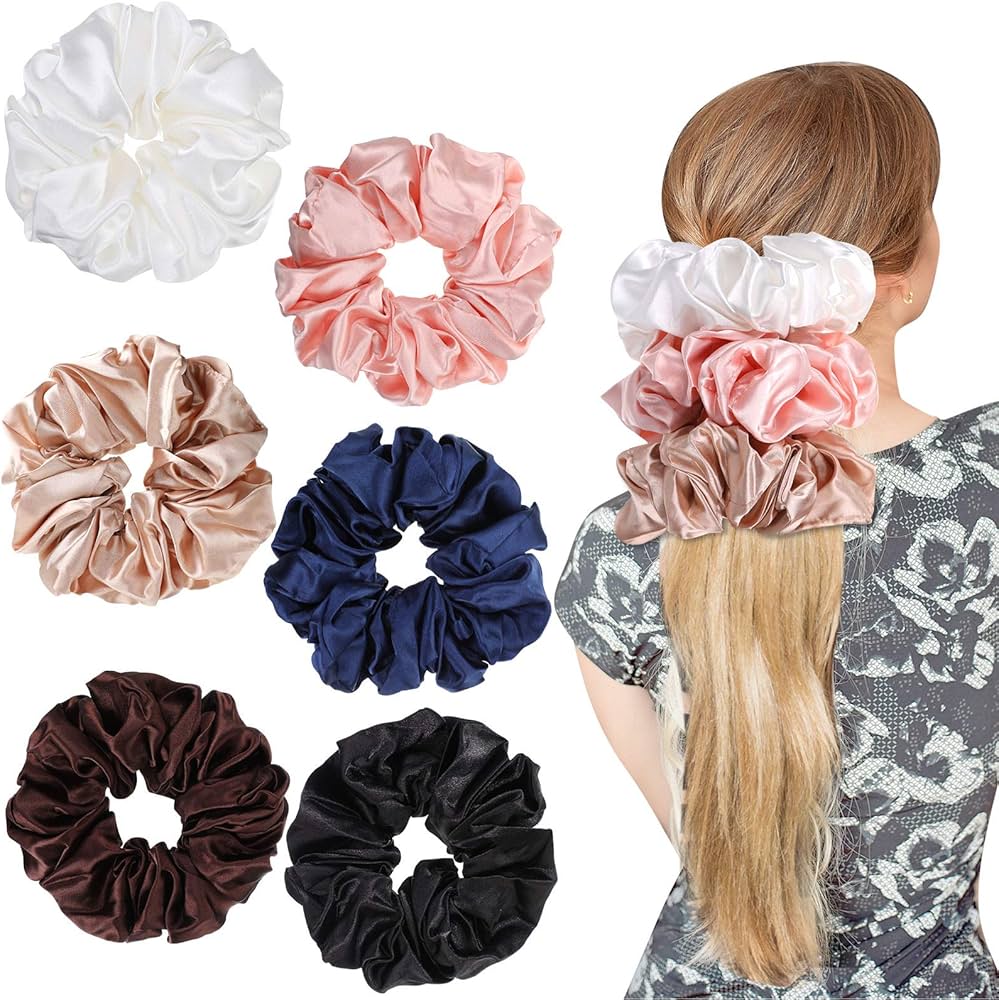
Another product that can complement your steam routine is a silk scrunchie. After you’ve applied your oil and are letting it sit, you can twist your hair into a loose bun and secure it with the 1 Silk Scrunchie – Gentle & Perfect for All Hair Types. Unlike regular elastic bands, silk scrunchies reduce friction and prevent hair breakage, making them ideal for post-steam treatments when your hair is more fragile. They also help to retain moisture, which is beneficial after steaming.
When choosing products, look for those that are free from harsh sulfates and parabens, which can strip the hair of its natural oils and irritate the scalp. Flambeauty offers a range of natural hair care products that align with these principles. You can explore more in their Hair Care category to find items that suit your needs.
Additionally, incorporating a weekly deep conditioning mask after your steam can help maintain moisture balance. For those interested in natural exfoliation for the scalp, you might find the Walnut Extract for Gentle Exfoliation post useful, as gentle exfoliation can remove dead skin cells and improve the effectiveness of steam treatments.
If you’re dealing with clogged hair follicles or tiny bumps on the scalp, the article on How to Treat Closed Comedones offers insights that can be applied to scalp health as well. Remember, a healthy scalp is the foundation for healthy hair, so investing in quality products and consistent care is worthwhile.
Frequently Asked Questions
Here are answers to common questions about herbal steam treatments for hair.
How often should I steam my hair? Most hair types benefit from steaming once a week. If you have an oily scalp, you might prefer every two weeks. Over-steaming can lead to dryness, so adjust based on how your hair feels.
Can I use essential oils in the steam? Yes, you can add a few drops of essential oils like lavender or rosemary to the water, but always dilute them first and avoid if you have sensitive skin. Essential oils are potent and can cause irritation if used undiluted.
Is it safe for colored hair? Steam is generally safe for colored hair, but the heat may cause slight fading. To minimize this, use cooler steam and avoid steaming too often. Also, use color-safe products and conditioners.
What if I don’t have a steamer? A simple bowl and towel method works perfectly at home. You don’t need any fancy equipment. Just be careful with the hot water.
Written by Mishal Rehman, owner of Flambeauty — sharing practical, professional beauty and skincare guidance.
Updated: August 2026