Learn how to care for chemically straightened or permed hair with our detailed routine. Get expert tips on products, techniques, and mistakes to avoid for...
A consistent hair care routine for chemically straightened or permed hair focuses on gentle cleansing, deep hydration, and protein balance. Use sulfate-free shampoo, weekly deep conditioning, and leave-in treatments to maintain moisture and strength, while avoiding heat and harsh chemicals to prevent damage and keep your style looking fresh.
Understanding Chemically Treated Hair
Chemical straightening and perming work by breaking the disulfide bonds in your hair’s cortex, then reforming them to change its shape. This process is effective but leaves your hair more porous, drier, and weaker than natural hair. The outer cuticle layer becomes rougher, allowing moisture to escape and making hair prone to frizz, breakage, and dullness. According to the American Academy of Dermatology, chemically treated hair requires extra care to maintain its health and appearance.
After a chemical treatment, your hair’s natural oils are stripped away, and the scalp may become sensitive. The hair’s protein structure is also compromised, so it needs regular protein treatments to fill in gaps and strengthen the strands. Without proper care, chemically treated hair can become brittle, leading to split ends and breakage. Understanding these changes is the first step toward building an effective routine.
It’s also important to note that the effects of chemical treatments are cumulative. If you repeatedly straighten or perm your hair, the damage can worsen over time. Therefore, a gentle, nourishing routine is not just about maintaining your style—it’s about preserving the health of your hair for the long term. Consistency is key; even the best products won’t help if used sporadically.
In Pakistan, where the climate can be harsh—hot and humid in summers, dry and cold in winters—chemically treated hair faces additional challenges. Humidity can cause frizz, while dry air can sap moisture. Adjusting your routine seasonally can make a big difference. For example, during monsoon, you might need more anti-frizz products, while in winter, you should focus on deep hydration.
Lastly, remember that chemical treatments don’t have to mean damaged hair. With the right approach, you can enjoy your straight or curly style while keeping your hair healthy and vibrant. The goal is to work with your hair’s new texture, not against it.
Essential Products and Ingredients for Chemically Treated Hair
Choosing the right products is crucial for maintaining chemically treated hair. Look for gentle, sulfate-free shampoos that cleanse without stripping natural oils. Sulfates can be too harsh and may accelerate color fading or dryness. Instead, opt for shampoos with ingredients like sodium lauryl sulfoacetate or coco-glucoside, which are milder.
Deep conditioners and hair masks are non-negotiable. They should contain humectants like glycerin or honey to attract moisture, emollients like shea butter or oils to seal it in, and proteins like hydrolyzed keratin or silk amino acids to strengthen the hair. A balanced mix of these ingredients helps restore elasticity and shine. For a natural option, consider sesame oil, which is rich in vitamin E and fatty acids, and has been used in traditional hair care for centuries.
Leave-in conditioners and serums are great for detangling and adding shine. Look for lightweight formulas that won’t weigh hair down. Silicones like dimethicone can provide temporary smoothness, but they can also build up; if you use them, clarify regularly. Alternatively, natural oils like argan or jojoba oil can be used as leave-in treatments.
Heat protectants are essential if you use styling tools. Even though your hair is already chemically straightened or permed, you might still want to blow-dry or flat-iron for a polished look. A good heat protectant creates a barrier between your hair and the heat, reducing damage. Always apply heat protectant before any heat styling.
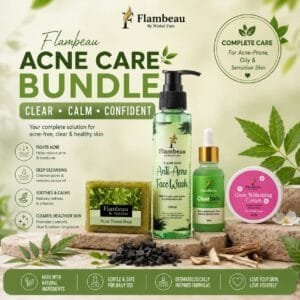
Don’t forget about your scalp. A healthy scalp promotes healthy hair growth. Use a gentle scalp scrub or tonic to remove buildup and stimulate circulation. Ingredients like witch hazel can soothe irritation and balance oil production. If you struggle with acne, the Acne Care Bundle – All in One can help keep your skin clear, which is especially useful if you have oily scalp issues.
When choosing products, avoid those with high alcohol content, which can dry out hair. Also, steer clear of harsh sulfates and parabens if you can. Reading labels and understanding ingredients empowers you to make better choices. Invest in quality products that address your hair’s specific needs.
Step-by-Step Hair Care Routine
Weekly Routine
Once a week, treat your hair to a deep conditioning mask. After shampooing, apply a generous amount of mask from mid-length to ends, avoiding the roots. Leave it on for 20-30 minutes, then rinse thoroughly. This helps replenish moisture and protein. You can also use a heat cap to enhance penetration. Consistency with weekly masks can dramatically improve hair texture.
Clarifying shampoo should be used once every two weeks to remove product buildup. However, don’t over-clarify, as it can strip essential oils. Follow with a deep conditioner to restore balance.
For protein treatments, use a hydrolyzed protein mask every 4-6 weeks. If your hair feels stiff or brittle, you might be overdoing protein; switch to moisture-focused products. Balance is key: too much protein can cause breakage, just as too little can.
Daily Routine
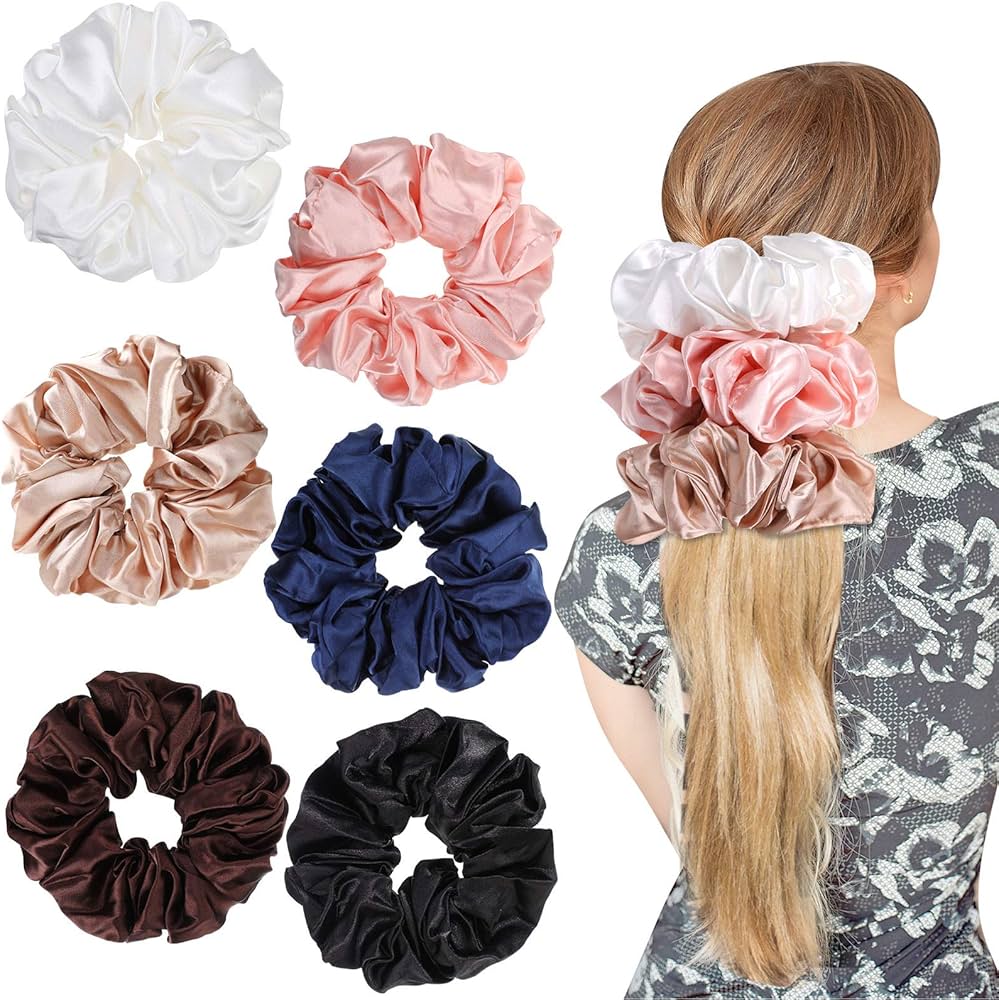
On a daily basis, gently detangle your hair using a wide-tooth comb or a silk scrunchie to tie it up without causing breakage. Start from the ends and work your way up to avoid pulling. If your hair is prone to tangles, use a leave-in conditioner or detangling spray.
Wash your hair 2-3 times a week, or less if your scalp isn’t oily. Over-washing can strip natural oils. When you do wash, use lukewarm water, as hot water can dry out hair and scalp. Apply shampoo only to the roots and conditioner to the mid-lengths and ends. Rinse with cool water to seal the cuticle and add shine.
After washing, gently squeeze out excess water with a microfiber towel or an old cotton t-shirt. Avoid rubbing vigorously, as this causes frizz and breakage. Apply a leave-in conditioner or serum, then let your hair air-dry if possible. If you must blow-dry, use the lowest heat setting and keep the dryer moving.
Before bed, tie your hair in a loose braid or bun using a silk scrunchie to prevent tangles. Silk pillowcases are also beneficial as they reduce friction. Nighttime care is just as important as daytime care.
If you use styling products, choose those that are alcohol-free and designed for chemically treated hair. Avoid heavy gels or hairsprays that can flake or dry out hair. Instead, opt for creams or serums that provide hold and moisture.
Common Mistakes to Avoid
One of the biggest mistakes is over-washing. Chemically treated hair is drier, so washing daily can strip away natural oils and make it even drier. Aim for 2-3 washes per week. Over-washing leads to brittle, lifeless hair.
Another mistake is using the wrong brush. Brushing wet hair with a regular brush can cause breakage. Always use a wide-tooth comb or a brush designed for wet hair. Also, avoid brushing from the roots down; start at the ends and work up.
Heat styling without protection is a major no-no. Even if your hair is already straight or permed, using high heat can cause irreversible damage. Always use a heat protectant and keep tools on low to medium heat. Never skip heat protectant.
Ignoring protein-moisture balance is another common error. If your hair feels mushy and stretchy, it needs protein. If it feels stiff and snaps, it needs moisture. Adjust your products accordingly. Listen to your hair’s signals.
Using harsh chemicals at home, such as relaxers or perms, without professional guidance can lead to disaster. If you want to change your texture again, consult a stylist. Over-processing can cause severe damage and hair loss.
Lastly, not protecting your hair while sleeping can lead to tangles and breakage. Invest in silk scrunchies and pillowcases. Prevention is better than repair.
Adapting Your Routine for Different Hair Types
Chemically treated hair can be fine, medium, or coarse, and each type requires slight adjustments. Fine hair is more delicate and prone to damage, so use lightweight products and avoid heavy oils. Coarse hair can handle richer creams and oils but still needs moisture. Tailor your products to your hair’s thickness.
Porosity also matters. High-porosity hair absorbs and loses moisture quickly, so it benefits from layering products: leave-in, then oil, then cream. Low-porosity hair resists moisture, so use lighter products and apply heat during deep conditioning to help open the cuticle. Knowing your porosity helps you choose the right products.
If you have an oily scalp but dry ends, use a clarifying shampoo on the scalp and a moisturizing conditioner on the ends. You can also apply a clay mask to the scalp to absorb excess oil. For dry scalp, use a soothing oil like jojoba or coconut oil. Balance is achievable with targeted products.
Curly perms need extra moisture and definition. Use a curl cream or gel to enhance curls, and avoid brushing dry curls. Straightened hair can become limp, so use volumizing products at the roots and avoid heavy conditioners on the scalp. Embrace your texture and style accordingly.
If you have color-treated hair as well, use products specifically for color protection to prevent fading. Double-processed hair needs extra TLC.
Choosing the Right Products
When shopping for products, look for keywords like “sulfate-free,” “moisturizing,” and “for chemically treated hair.” Avoid products with high alcohol content, which can dry out hair. Read the ingredient list and prioritize gentle, nourishing formulas.
Consider the climate you live in. In humid climates, look for anti-humectants that block out moisture to prevent frizz. In dry climates, humectants like glycerin can draw moisture from the air into your hair. Adjust your products seasonally.
Budget-friendly options exist, but don’t sacrifice quality. Sometimes spending a bit more on a good deep conditioner is worth it. However, you can also DIY masks with ingredients like yogurt, honey, and olive oil. Natural doesn’t always mean better, but it can be effective.
For styling, choose tools with ceramic or tourmaline plates that distribute heat evenly. Always use the lowest heat setting that gets the job done. Invest in good tools to minimize damage.
Lastly, consider the entire Flambeauty Hair Care range for products formulated with gentle, effective ingredients. And for more tips, explore our blog for related articles.
By following this comprehensive routine, you can keep your chemically straightened or permed hair healthy, shiny, and manageable. Remember, consistency and gentle care are your best allies.
Frequently Asked Questions
How often should I deep condition chemically treated hair?
Deep condition at least once a week to replenish moisture and strengthen hair. If your hair is very dry or damaged, you can do it twice a week.
Can I use heat styling tools on chemically straightened hair?
Yes, but always use a heat protectant and keep the temperature low to medium. Excessive heat can cause further damage, so limit heat styling to special occasions.
What should I do if my hair feels brittle after a chemical treatment?
Focus on moisture and protein balance. Use a deep conditioning mask and avoid protein overload. If brittleness persists, consult a professional stylist.
Are sulfates bad for chemically treated hair?
Sulfates can be harsh and strip natural oils, making hair drier. It's best to use sulfate-free shampoos to maintain moisture and color.
Written by Mishal Rehman, owner of Flambeauty — sharing practical, professional beauty and skincare guidance.
Updated: September 2026