Struggling with patchy, flaky skin? Learn how to repair your moisture barrier and smooth flakes without harsh exfoliation. Gentle, effective steps for...
To fix patchy, flaky skin without over-exfoliating, focus on hydration and barrier repair rather than scrubbing away flakes. Use a gentle, fragrance-free cleanser, apply a ceramide-rich moisturizer while skin is damp, and layer a soothing occlusive at night. Limit physical and chemical exfoliation to once a week, and always patch test new products. Patience is key—consistency with moisturizing will smooth skin without irritation.
Why Your Skin is Patchy and Flaky (And Why Exfoliating Makes It Worse)
Patchy, flaky skin is often a sign of a compromised moisture barrier, not a buildup of dead skin cells. Your skin’s outermost layer, the stratum corneum, acts like a brick wall—skin cells are the bricks, and natural oils (lipids) are the mortar. When that mortar weakens, moisture escapes and irritants get in, leading to dryness, flaking, and sensitivity. Common culprits include harsh weather, hot showers, stripping cleansers, and yes, over-exfoliation.
When you see flakes, your instinct might be to scrub them away with a rough physical scrub or a strong acid. But this is exactly the wrong move. Exfoliating an already damaged barrier removes the few protective oils you have left, triggering more inflammation and flaking. Think of it like picking at a scab—it delays healing. Instead, you need to reinforce the barrier with the right ingredients and give it time to rebuild.
In Pakistan, where we often experience sudden humidity changes—from cold, dry winters to hot, humid summers—your skin’s moisture levels can fluctuate dramatically. Many of us also use hard water for washing, which can leave a residue that further dries the skin. Understanding these environmental stressors helps you adapt your routine. For example, during a dry spell, you might need a heavier moisturizer at night, even if you normally have oily skin.
Another factor is the use of multiple active ingredients without proper layering. If you’re using a vitamin C serum in the morning, a retinoid at night, and a weekly acid peel, you’re likely overloading your skin. Each of these products accelerates cell turnover, and together they can strip your barrier faster than it can repair. The result? Red, itchy, flaky patches, especially on the cheeks, around the nose, and on the chin.
So, before you reach for another exfoliant, take a step back. Assess your current routine. Are you cleansing too often? Are you skipping moisturizer because you think it will break you out? Are you using multiple active ingredients? These habits are more likely the cause of your flakes than a lack of exfoliation. Your skin doesn’t need more scrubbing—it needs more support.
The Gentle Repair Routine: Step-by-Step
Here’s a step-by-step routine to calm flaky skin and restore its smoothness. Remember, this is a temporary shift—you’ll return to your normal actives once your barrier is healed.
Step 1: Switch to a Creamy, Non-Foaming Cleanser. Foaming cleansers often contain sulfates that strip natural oils. Instead, choose a creamy or milky cleanser that hydrates while it cleans. Look for ingredients like glycerin, ceramides, or aloe. In the morning, you might even just rinse with lukewarm water—your skin doesn’t need a full cleanse after a night of repair.
Step 2: Apply Moisturizer to Damp Skin. Within 60 seconds of cleansing, while your skin is still slightly damp, apply a moisturizer. This helps trap water in the skin. For flaky patches, use a moisturizer with ceramides, hyaluronic acid, or shea butter. Ceramides are especially important because they literally replace the missing ‘mortar’ in your skin barrier. Gently press the product into your skin rather than rubbing, to avoid further irritation.
Step 3: Lock It In with an Occlusive. At night, finish with a thin layer of an occlusive—like petroleum jelly, squalane, or a rich balm—over your moisturizer. This creates a physical seal that prevents water loss while you sleep. Many people with acne worry about breakouts, but non-comedogenic occlusives are safe for most. Always patch test first if you’re prone to clogged pores.
Step 4: Add a Soothing Serum or Treatment. If your skin is red and irritated, incorporate a serum with centella asiatica, panthenol, or niacinamide. These ingredients reduce inflammation and support healing. Avoid products with alcohol, fragrance, or essential oils, which can sting.
Step 5: Simplify Your Actives. For at least a week, pause all exfoliating acids (AHAs, BHAs), retinoids, and vitamin C. This gives your barrier time to rebuild. After a week, you can reintroduce one active at a time, starting with the gentlest (like lactic acid) and only twice a week.
Step 6: Protect with Sunscreen. A damaged barrier is more vulnerable to UV damage, which can worsen flaking and cause long-term issues. Use a broad-spectrum SPF 30 or higher every morning, even if it’s cloudy. Look for a formula with zinc oxide or titanium dioxide if you’re sensitive.
This routine might feel minimal, but it’s exactly what your skin needs. Consistency is more important than intensity—you’re giving your skin the building blocks it needs to repair itself. In about two to four weeks, you should notice a significant improvement in texture and hydration.
Choosing the Right Products for Your Skin Type
Not all flaky skin is the same, and your product choices should reflect your skin type. Here’s how to adapt the gentle routine for different needs.
Dry, Sensitive Skin
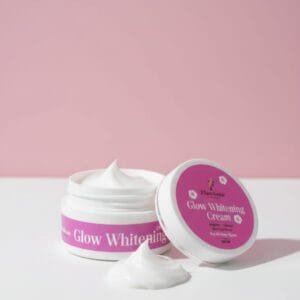
If your skin is naturally dry and sensitive, you need richer, more emollient products. Look for creams with shea butter, ceramides, or oat extract. Avoid anything with alcohol denat or witch hazel. A product like Glow Whitening Cream – Brighten & Hydrate for All Skin Types can be a good option because it contains hydrating ingredients that support the barrier while gently improving skin tone—just remember it’s a moisturizer, not a treatment for active irritation.
Oily, Acne-Prone Skin
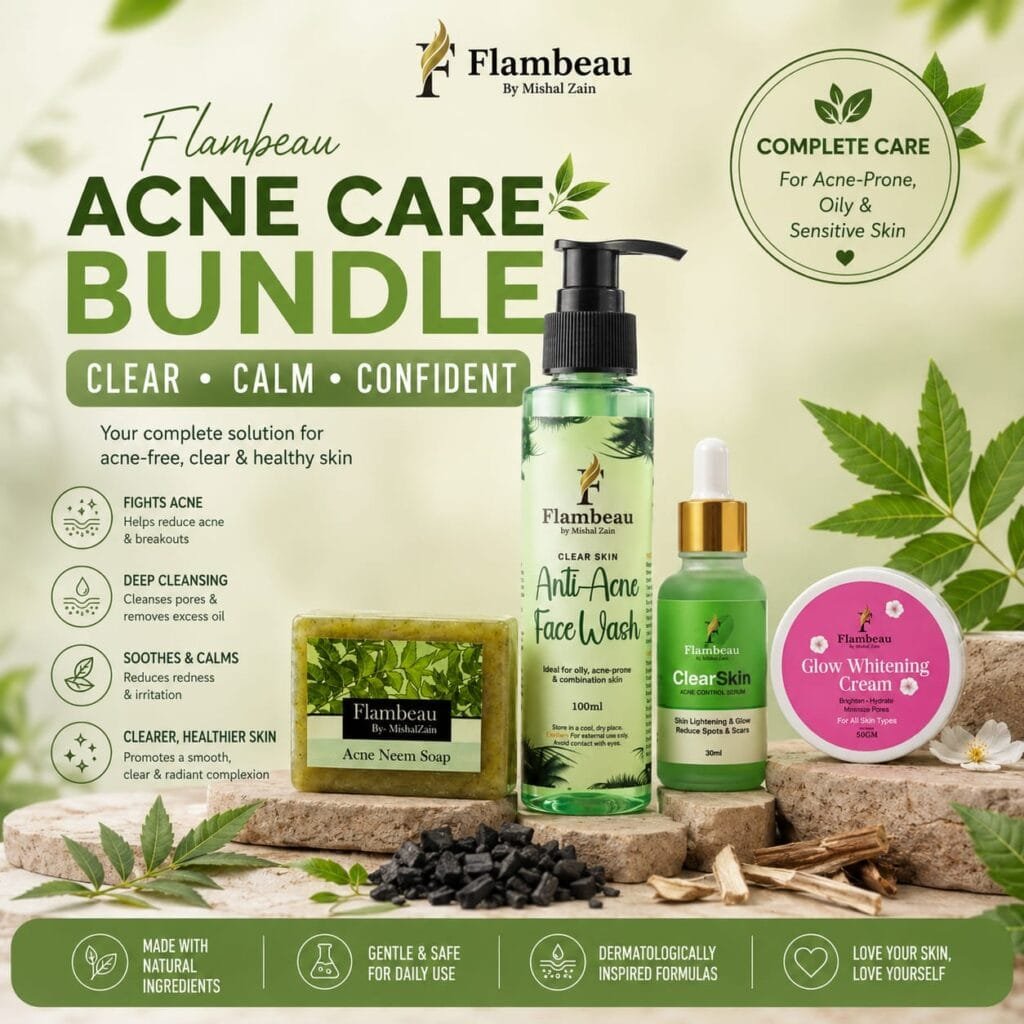
You might think you don’t need heavy moisturizers, but oily skin can still be dehydrated and flaky, especially if you’re using acne treatments. Choose a lightweight, oil-free gel moisturizer with hyaluronic acid or glycerin. Avoid thick creams that might clog pores. The Acne Care Bundle – All in One is designed for acne-prone skin, but during a flaky phase, you might want to use only the gentle cleanser and spot treatment, skipping any harsh actives until your skin calms down.
Combination Skin
If you have an oily T-zone and dry cheeks, treat your face as two zones. Apply a lighter moisturizer to your forehead, nose, and chin, and a richer one on your cheeks. This ‘moisturizing mapping’ prevents over-moisturizing oily areas while giving your dry patches the extra care they need.
Sensitive Skin
For sensitive skin, simplicity is key. Stick to fragrance-free, hypoallergenic products with minimal ingredients. Look for labels like ‘for sensitive skin’ and avoid anything with essential oils. Your routine should consist of just a gentle cleanser, a basic moisturizer, and sunscreen until the flakes resolve.
Always patch test a new product on your inner arm for 24 hours before applying it to your face. This is especially important when your skin is already irritated.
Common Mistakes That Keep Your Skin Flaky
Even with the best routine, certain habits can sabotage your repair efforts. Here are the most common mistakes I see and how to avoid them.
Mistake #1: Using Hot Water to Wash Your Face. Hot water strips your skin’s natural oils, worsening dryness. Always use lukewarm or cool water. In fact, a cool rinse at the end of your shower can help calm inflammation.
Mistake #2: Scrubbing with a Washcloth or Towel. It’s tempting to rub off flakes, but physical friction only irritates the skin. Instead, let your cleanser do the work and gently pat your face dry with a soft towel—don’t rub.
Mistake #3: Applying Products to Dry Skin. If you apply moisturizer to bone-dry skin, it doesn’t absorb as well. Always apply to slightly damp skin to lock in hydration. You can also use a facial mist before moisturizing for an extra boost.
Mistake #4: Overusing Exfoliating Acids. Even lactic acid, which is gentle, can cause flakes if used too often. Limit exfoliation to once a week when your skin is healing. And avoid combining different types of exfoliants on the same day.
Mistake #5: Skipping Sunscreen. UV rays can damage the skin barrier and slow healing. If you’re going outside, apply SPF 30+ even on cloudy days. Look for a sunscreen that also contains moisturizing ingredients.
Mistake #6: Picking at Flakes. I know it’s hard, but picking at flaky skin can cause micro-tears and lead to infection. Let the flakes fall off naturally as your skin heals. Keep your hands busy and your skin moisturized to reduce the urge.
Avoiding these mistakes is as important as using the right products. Your skin is not an enemy to be conquered with more products—it’s an organ that needs consistent, gentle care. If you’re unsure about which actives are safe to use together, check out our blog for more guidance on building a balanced routine.
What to Look For (and Avoid) in Skincare Ingredients
Understanding ingredient labels is crucial when dealing with flaky skin. Here’s a quick guide to what helps and what hurts.
Look for these barrier-repairing ingredients:
Ceramides: These lipids are the building blocks of your skin barrier. They help restore the ‘mortar’ between skin cells, preventing moisture loss. Many moisturizers now include a blend of ceramides—check the label for ‘ceramide NP’ or ‘ceramide AP.’
Hyaluronic Acid: This humectant draws water into the skin. It comes in different molecular weights—low molecular weight penetrates deeper, while high molecular weight sits on the surface. Both are helpful for flaky skin, but if you have sensitive skin, look for a product with multiple weights.
Glycerin, Panthenol, and Squalane: These are gentle, effective hydrators that won’t irritate. Glycerin is a classic humectant, panthenol (vitamin B5) has soothing properties, and squalane mimics your skin’s natural oils.
Shea Butter and Oat Extract: These emollients smooth and soften the skin. Oat extract is particularly good for redness and itching—it’s often found in products for eczema.
Niacinamide: This form of vitamin B3 supports the barrier and has anti-inflammatory benefits. It’s a great addition to a repair routine, but start with a low percentage (2-5%) to avoid any stinging.
Avoid these irritating ingredients:
Alcohol Denat, SD Alcohol, or Ethanol: These evaporate quickly and pull moisture from the skin. They’re often in toners and sunscreens for a quick-dry feel, but they’re terrible for flaky skin.
Fragrance and Essential Oils: These are common allergens that can trigger contact dermatitis, making flaking worse. Even ‘natural’ essential oils like lavender or peppermint can be problematic.
Sulfates (SLS/SLES): Harsh detergents in cleansers that strip oils. Look for sulfate-free formulas.
High-Percentage Acids: If you do exfoliate later, avoid starting with 10% glycolic acid. Choose a gentle 5% lactic acid or a PHA (polyhydroxy acid) which has larger molecules that don’t penetrate as deeply.
For a deeper dive into ingredients and their benefits, you can explore our Skin Care range. Remember, more expensive doesn’t always mean better—it’s about the right formulation for your skin.
When to See a Professional (and How Long to Wait)
Most cases of patchy, flaky skin resolve with a simplified routine and consistent moisturizing. But there are times when you should consult a dermatologist.
If your skin doesn’t improve after two to four weeks of barrier repair, or if you notice signs of infection—such as honey-colored crusting, weeping, or increasing redness and pain—seek medical advice. You might be dealing with a condition like seborrheic dermatitis, eczema, or a fungal infection, which require prescription treatments. Also, if your flaking is accompanied by severe itching or hair loss, that’s a red flag.
In Pakistan, seeing a dermatologist is more accessible than you might think—many hospitals have outpatient clinics, and private clinics offer reasonable fees. Don’t hesitate to get a professional opinion if you’re stuck. For general skin care tips, the American Academy of Dermatology has excellent resources on building a basic routine.
Remember that fixing flaky skin is a process. You’ll likely see some improvement in a few days, but full barrier repair can take several weeks. Be patient and don’t get discouraged if you have a flare-up—that’s normal. As your skin heals, you can gradually reintroduce your favorite actives, but always listen to your skin. If something stings, it’s not ready.
For makeup wearers, flaky skin can be extra frustrating because foundation tends to cling to dry patches. If you need to wear makeup, prep your skin with a rich moisturizer and use a hydrating primer. Avoid matte finishes and powders, which emphasize flakes. Instead, use a lightweight, dewy foundation applied with a damp sponge. And check out our tips on making makeup last in humid weather—that advice works for dry skin too, just adjust the hydration levels.
Finally, remember that skincare myths often steer us wrong. Read our post on 5 Skincare Myths to Unlearn to avoid common traps like ‘oily skin doesn’t need moisturizer’ or ‘exfoliating daily is good.’ Your skin is unique, and it’s okay to take a minimal approach while it heals.
Frequently Asked Questions
How often should I exfoliate flaky, dry skin?
While your skin is flaky, avoid exfoliating entirely for at least one week. After that, start with a gentle chemical exfoliant like lactic acid only once a week, and always follow with a rich moisturizer. Physical scrubs can further irritate your barrier.
Can I use a moisturizer with active ingredients like retinol when my skin is flaky?
It's best to pause all active ingredients—retinol, acids, vitamin C—until your skin barrier is repaired. Using them on flaky skin can increase irritation and delay healing. Focus on hydrating and soothing ingredients like ceramides and hyaluronic acid.
Why does my skin flake even when I moisturize every day?
You might be using a moisturizer that's too light for your skin's needs, or applying it to dry skin instead of damp. Also, check if your cleanser is stripping. If you're using multiple actives, they can still compromise your barrier. Try a richer cream and apply to damp skin.
Is it okay to wear makeup over flaky patches?
Yes, but prep your skin well. Use a gentle moisturizer and a hydrating primer, then apply a dewy foundation with a damp sponge. Avoid matte, powder-based products that cling to flakes. Remove makeup with a gentle cleansing balm or oil, not a harsh wipe.
Written by Mishal Rehman, owner of Flambeauty — sharing practical, professional beauty and skincare guidance.
Updated: September 2026