How Often Should You Trim Your Hair to Prevent Split Ends

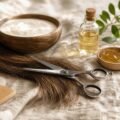
To prevent split ends, trim your hair every 8 to 12 weeks if you want to maintain your current length. If you are growing your hair longer, you can extend to 12 to 16 weeks. Fine or damaged hair may need a trim every 6 to 8 weeks. Regular trims remove existing splits and stop them from traveling up the strand. Key takeaways Trimming every 8 to 12 weeks is standard for most hair types to prevent split ends from worsening. Fine or chemically treated hair often needs more frequent trims, about every 6 to 8 weeks. Coarse or curly hair can go 10 to 16 weeks between trims because it is more resilient. Trimming does not make hair…


Continue ReadingHow Often Should You Trim Your Hair to Prevent Split Ends

Best Natural Oil for Dandruff and Dry Scalp

For dandruff and dry scalp, the best natural oil is often coconut oil for its moisturising and antimicrobial properties, or tea tree oil for its antifungal effects. Neem and jojoba oils also help. The right choice depends on whether your scalp is dry or flaky due to oiliness, and how you apply it matters as much as which oil you use. Key takeaways Coconut oil and tea tree oil are among the most researched natural oils for reducing dandruff and dry scalp. Oils work by moisturising the scalp and, in some cases, limiting the growth of Malassezia, a yeast linked to dandruff. Always patch test first, and avoid applying oil to an already oily scalp if you have seborrheic…

Continue ReadingBest Natural Oil for Dandruff and Dry Scalp

How to Reduce Hair Fall Caused by Stress: A Complete Guide

To reduce stress-related hair fall, focus on lowering stress through sleep, diet, and exercise, while supporting scalp health with gentle care and nourishing oils. Consistent, patient effort over 3–6 months typically restores normal shedding as stress hormones settle and hair follicles re-enter the growth phase. Understanding the Link Between Stress and Hair Fall Stress is an unavoidable part of life, but when it becomes chronic, it can wreak havoc on your body—including your hair. The connection between stress and hair loss is well-documented. When you're under constant pressure, your body releases cortisol, the primary stress hormone. Elevated cortisol levels can disrupt the normal hair growth cycle, pushing more follicles than usual into the resting (telogen) phase. This condition is…

Continue ReadingHow to Reduce Hair Fall Caused by Stress: A Complete Guide

Herbal Hair Oils: Traditional Secret to Prevent Premature Hair Fall

Herbal hair oils traditionally help prevent premature hair fall by nourishing the scalp, strengthening hair roots, and improving blood circulation. Ingredients like amla, brahmi, and rosemary reduce inflammation and support healthier hair growth, making them a time-tested remedy for early hair loss. Why Premature Hair Fall Happens and How Herbal Oils Help Premature hair fall is a common concern, especially in Pakistan where environmental factors, stress, and nutritional gaps often contribute. It can start as early as the late teens or early twenties, and while genetics play a role, lifestyle and scalp health are major players. Herbal oils address the root causes by delivering essential nutrients directly to the hair follicles, improving blood flow, and balancing the scalp's natural…

Continue ReadingHerbal Hair Oils: Traditional Secret to Prevent Premature Hair Fall

How Often Should You Oil Your Hair for Best Results?

For most people, oiling hair 1–2 times a week is ideal. Dry or coarse hair may need 2–3 sessions, while oily scalps should stick to once weekly or less. Always focus on the lengths and ends, not the scalp, and leave the oil on for at least 30 minutes before washing. Understanding Hair Oiling: What It Does and Why Frequency Matters Hair oiling is an ancient practice that has been used for centuries in South Asia and the Middle East to nourish and protect hair. But in modern times, with so many products and conflicting advice, it's easy to get confused about how often you should actually oil your hair. The truth is, there's no one-size-fits-all answer. The ideal…

Continue ReadingHow Often Should You Oil Your Hair for Best Results?

Argan Oil vs Coconut Oil: Which Tames Frizzy Hair Best?

For frizzy hair, argan oil is generally the better choice because its lightweight, non-greasy nature smooths without weighing hair down, while coconut oil can be too heavy and cause build-up, especially on fine or low-porosity hair. However, coconut oil works well as a deep treatment for very dry, thick hair. Understanding Frizzy Hair and What Causes It Frizz happens when the hair cuticle—the outer layer of each strand—is raised or damaged, allowing moisture from the air to enter and swell the hair shaft. This causes the strand to bend and twist, creating that unruly, fuzzy look. The main culprits include dryness, humidity, heat styling, chemical treatments, and rough handling like aggressive towel drying or brushing. In Pakistan, the climate…

Continue ReadingArgan Oil vs Coconut Oil: Which Tames Frizzy Hair Best?

Yogurt for Skin and Hair: Benefits, How to Use & Mistakes

Yogurt is a natural probiotic rich in lactic acid, vitamins, and proteins that can gently exfoliate, brighten, and hydrate skin while strengthening hair. It soothes irritation, reduces dandruff, and improves texture when used in masks or hair packs. Always patch test first and choose plain, unsweetened yogurt for best results. Why Yogurt Works: The Science Behind This Kitchen Staple Yogurt has been used in beauty rituals for centuries, from Cleopatra's legendary milk baths to modern DIY face masks. But what makes this fermented dairy product so effective? The answer lies in its unique composition. Yogurt is made by fermenting milk with beneficial bacteria, which produces lactic acid—a gentle alpha-hydroxy acid (AHA) that softly dissolves dead skin cells and promotes…

Continue ReadingYogurt for Skin and Hair: Benefits, How to Use & Mistakes

How to Treat an Oily, Itchy Scalp Naturally

To treat an oily, itchy scalp naturally, cleanse regularly with a gentle, sulfate-free shampoo, avoid heavy products, and use soothing ingredients like aloe vera, tea tree oil, and apple cider vinegar. Maintain a balanced diet and manage stress to reduce oil production and itching. Why Your Scalp Gets Oily and Itchy An oily, itchy scalp is often the result of excess sebum production combined with irritation or inflammation. Sebum is the natural oil your scalp produces to keep skin and hair moisturised, but when glands work overtime, the scalp can feel greasy and uncomfortable. Several factors contribute to this imbalance, including genetics, hormonal fluctuations, stress, and even the weather. In Pakistan, the hot and humid climate can exacerbate oiliness,…

Continue ReadingHow to Treat an Oily, Itchy Scalp Naturally

How to Detangle Hair Without Breakage: A Complete Guide

The gentlest way to detangle hair is to work from the ends upward on damp, conditioner-coated strands, using a wide-tooth comb or your fingers, in small sections. Start dry hair with a light oil or leave-in to add slip, never rip through knots, and finish with a gentle rinse and a soft towel or silk scrunchie to protect the strands. Why Hair Tangles in the First Place Before you reach for a comb, it helps to understand what you are actually fighting. A tangle is not just strands lying over each other; it is a tiny knot where the cuticle — the outer, shingle-like layer of each hair — has caught on the cuticle of a neighbouring strand. Once…

Continue ReadingHow to Detangle Hair Without Breakage: A Complete Guide

Hair Care Routine for Chemically Straightened or Permed Hair

A consistent hair care routine for chemically straightened or permed hair focuses on gentle cleansing, deep hydration, and protein balance. Use sulfate-free shampoo, weekly deep conditioning, and leave-in treatments to maintain moisture and strength, while avoiding heat and harsh chemicals to prevent damage and keep your style looking fresh. Understanding Chemically Treated Hair Chemical straightening and perming work by breaking the disulfide bonds in your hair's cortex, then reforming them to change its shape. This process is effective but leaves your hair more porous, drier, and weaker than natural hair. The outer cuticle layer becomes rougher, allowing moisture to escape and making hair prone to frizz, breakage, and dullness. According to the American Academy of Dermatology, chemically treated hair…

Continue ReadingHair Care Routine for Chemically Straightened or Permed Hair