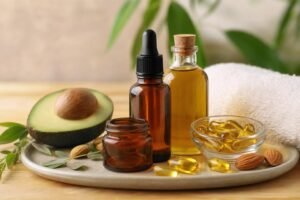
Discover whether argan oil or coconut oil is better for frizzy hair. Learn how each works, how to use them, and which suits your hair type for smoother,...
For frizzy hair, argan oil is generally the better choice because its lightweight, non-greasy nature smooths without weighing hair down, while coconut oil can be too heavy and cause build-up, especially on fine or low-porosity hair. However, coconut oil works well as a deep treatment for very dry, thick hair.
Understanding Frizzy Hair and What Causes It
Frizz happens when the hair cuticle—the outer layer of each strand—is raised or damaged, allowing moisture from the air to enter and swell the hair shaft. This causes the strand to bend and twist, creating that unruly, fuzzy look. The main culprits include dryness, humidity, heat styling, chemical treatments, and rough handling like aggressive towel drying or brushing. In Pakistan, the climate swings from dry heat to monsoon humidity, which can make frizz even more unpredictable. Understanding your hair’s porosity—how well it absorbs and retains moisture—is key. Low-porosity hair has tightly closed cuticles and resists moisture, while high-porosity hair has gaps in the cuticle and loses moisture quickly. Both types can frizz, but for different reasons. Oils can help by coating the strand and sealing the cuticle, but the type of oil matters. Argan oil and coconut oil are two popular choices, each with distinct properties. Argan oil is rich in fatty acids and vitamin E, and its small molecules penetrate partially without leaving a heavy residue. Coconut oil, on the other hand, has a larger molecular structure and a high affinity for hair protein, which can be beneficial for some but problematic for others. The goal is to smooth the cuticle and lock in moisture without creating a greasy or limp appearance. The right oil for you depends on your hair type, porosity, and lifestyle. In the following sections, we’ll compare these two oils in detail and help you decide which one suits your frizzy hair best.
Frizz is essentially a cry for moisture. When hair is dry, it seeks moisture from the air, and when it finds it, the cuticle expands, causing chaos. This is why humid days are a frizz nightmare for many. But it’s not just about external moisture; internal moisture levels matter too. Hair that is well-moisturized from within—thanks to conditioning and oils—is less likely to grab moisture from the environment. Oils work by creating a barrier that slows down moisture loss and also smooths the cuticle, reflecting light and making hair look shinier. However, not all oils are created equal. Some oils, like coconut, can actually penetrate the hair shaft due to their linear structure and small molecular size, while others, like argan, sit more on the surface. This penetration ability can be a double-edged sword: it can strengthen hair from within, but it can also cause stiffness or buildup if overused. For frizzy hair, the ideal oil should provide slip, reduce static, and add shine without weighing hair down. It should also be easy to apply evenly and not require frequent washing. In Pakistan, where hard water is common in many cities, mineral buildup can exacerbate frizz. Oils can help by conditioning the hair and reducing the rough feel, but they won’t remove buildup—clarifying is needed for that. So, when comparing argan and coconut oil, consider not just the oil itself but also your water quality, climate, and styling habits. A holistic approach to hair care will yield the best results. Now, let’s dive into the specifics of each oil.
Argan Oil: The Lightweight Smoothing Champion
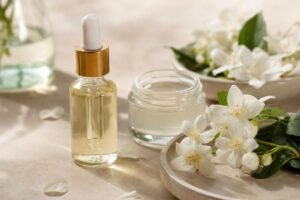
Argan oil, often called “liquid gold,” is extracted from the kernels of the argan tree, native to Morocco. It’s packed with vitamin E, essential fatty acids (oleic and linoleic acids), and antioxidants. Its molecular structure is relatively small, allowing it to partially penetrate the hair shaft and provide moisture from within, while also coating the surface to smooth the cuticle. This dual action makes it excellent for frizzy hair because it addresses both internal dryness and external roughness. Unlike heavy oils, argan oil is non-greasy and absorbs quickly, leaving hair soft and manageable. It’s particularly beneficial for fine to medium hair that tends to get weighed down easily. Argan oil also provides a protective layer against heat styling and environmental damage, making it a popular ingredient in leave-in conditioners and serums. For frizzy hair, a few drops of pure argan oil can be applied to damp hair before blow-drying or to dry hair to tame flyaways. It adds shine without a greasy aftertaste. However, because it’s lightweight, it may not be enough for very coarse or extremely dry hair, which might need a heavier oil or a combination. Also, pure argan oil can be pricey, so it’s often blended with silicones or other oils in commercial products. When choosing argan oil, look for cold-pressed, organic versions to ensure quality. In Pakistan, you can find argan oil in many beauty stores or online, but be wary of adulterated products. A little goes a long way: start with 2-3 drops, rub between palms, and distribute evenly through mid-lengths and ends. Avoid applying to roots to prevent greasiness. For best results, use it as a finishing touch after styling or as a pre-wash treatment for extra conditioning. Argan oil is also known to help with split ends by temporarily sealing them, though it won’t repair them permanently. Regular use can improve hair texture over time, making it softer and more resistant to frizz.
One of the key benefits of argan oil is its ability to reduce drying time when used before blow-drying, as it helps hair dry faster and more evenly. This is a boon for those who style their hair frequently. Additionally, argan oil is rich in phenolic compounds that have antioxidant properties, which can protect hair from UV damage and pollution. In urban areas of Pakistan, where pollution levels can be high, this is a significant advantage. Argan oil also helps to detangle hair, making combing easier and reducing breakage. For frizzy hair that tangles easily, this is a game-changer. When used regularly, argan oil can help to repair damage from coloring or heat styling, as its fatty acids fill in gaps in the cuticle. However, it’s not a protein treatment; if your hair is severely damaged, you may need protein as well. Argan oil is generally safe for all hair types, but those with very oily scalps should use it sparingly and avoid the roots. It’s also non-comedogenic, so it won’t clog pores on the scalp. For a natural approach, you can mix argan oil with a few drops of essential oils like lavender or rosemary for added benefits. But always do a patch test first. In terms of cost, pure argan oil can range from PKR 1,500 to PKR 4,000 for a 30ml bottle, depending on quality and brand. While it’s an investment, its versatility and effectiveness make it worth it for many. If you’re looking for a product that harnesses the power of argan oil, check out our Oils & Serums category for options that combine argan with other beneficial ingredients. Remember, consistency is key: use argan oil regularly to see the best results.
Coconut Oil: The Heavy-Duty Moisture Sealer
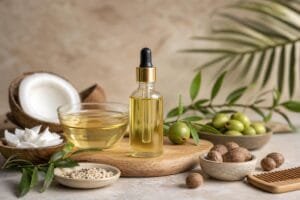
Coconut oil is a staple in many hair care routines, especially in South Asia, where it’s been used for centuries. It’s extracted from the meat of mature coconuts and is solid at room temperature but melts on contact with skin. Its main claim to fame is its ability to penetrate the hair shaft due to its small molecular size and linear structure. This allows it to moisturize from within and reduce protein loss, which is particularly beneficial for damaged or porous hair. However, this same penetrating ability can be a drawback for some. Coconut oil can make hair feel stiff or crunchy if too much is used, and it can cause build-up that weighs hair down. For frizzy hair, coconut oil can be a savior for those with thick, coarse, or highly porous hair that needs intense moisture. It seals the cuticle and prevents moisture from escaping, which helps to reduce frizz. But for fine or low-porosity hair, coconut oil often sits on top, making hair greasy and limp. It can also cause acne if it migrates to the face. In Pakistan, coconut oil is easily available and affordable, with prices ranging from PKR 300 to PKR 800 for a 200ml bottle. It’s often used as a pre-wash treatment, left on for hours or overnight, then shampooed out. This deep conditioning helps to strengthen hair and reduce breakage. However, if you don’t wash it out thoroughly, it can leave residue that attracts dirt and causes frizz. Coconut oil is also solid at cooler temperatures, so it can be tricky to apply in winter; you’ll need to warm it between your palms. When used as a leave-in, a tiny amount can tame flyaways, but be cautious—it’s easy to overdo. For best results, use coconut oil as a pre-poo treatment or mix it with lighter oils like argan to balance the texture. Some people find that coconut oil causes protein overload, leading to brittle hair, especially if used frequently on hair that doesn’t need extra protein. So, it’s essential to know your hair’s needs. If your hair is damaged and feels mushy, coconut oil might help; if it’s brittle and snapping, you might need moisture instead. Overall, coconut oil is a powerful moisturizer but not always the best choice for everyday frizz control, especially for fine hair.
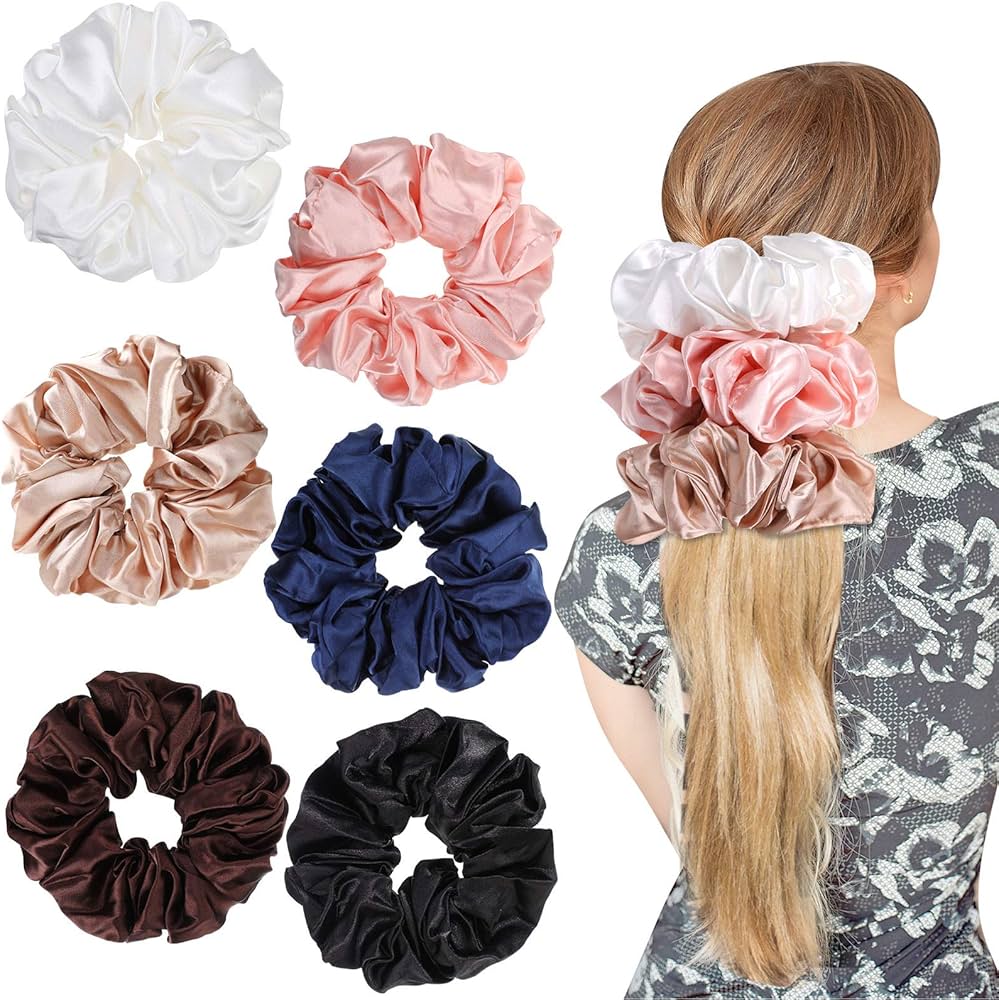
One of the lesser-known benefits of coconut oil is its antimicrobial properties, which can help with scalp issues like dandruff. However, for frizz, its main role is as a sealant. It creates a protective barrier that locks in moisture and smooths the cuticle. But because it’s heavy, it can also attract dust and lint, which is a concern in dusty environments. In Pakistan, where dust storms are common in some regions, this could be a drawback. Additionally, coconut oil can stain pillows and clothing, so it’s best used during the day or with a towel over your pillow at night. When using coconut oil for frizz, it’s crucial to clarify regularly to prevent buildup. A clarifying shampoo once a week or every two weeks can help. Also, coconut oil can solidify in cool weather, making hair look greasy, so it’s better suited for warmer months. For those with dandruff or seborrheic dermatitis, coconut oil might exacerbate the condition by feeding the yeast that causes dandruff. So, if you have a flaky scalp, consult a dermatologist before using it. Despite these caveats, coconut oil remains a popular choice for its affordability and deep conditioning effects. It’s also a key ingredient in many DIY hair masks. You can mix it with honey, yogurt, or aloe vera for added benefits. But remember, more isn’t better—start with a small amount and adjust. If you’re looking for a convenient way to use coconut oil, consider products that incorporate it in a balanced formula. For a related read on scalp care, check out our post on Herbal Steam for Scalp & Hair. And for those who prefer a gentle hair tie that won’t snag or cause breakage, our 1 Silk Scrunchie – Gentle & Perfect for All Hair Types is a great option.
How to Choose the Right Oil for Your Hair Type
Choosing between argan and coconut oil depends largely on your hair type, porosity, and lifestyle. Here’s a breakdown to help you decide. For fine hair that gets greasy quickly, argan oil is usually the better choice because it’s lightweight and won’t weigh hair down. Coconut oil is too heavy and can make fine hair look stringy. For medium hair, both can work, but argan oil is more versatile for daily use, while coconut oil is better as a weekly deep treatment. For thick, coarse hair, coconut oil can provide the intense moisture needed to combat frizz, but argan oil can also be used as a finishing serum. For low-porosity hair, which repels moisture, argan oil is preferable because it won’t sit on top as much as coconut oil, which can cause buildup. For high-porosity hair, coconut oil’s penetrating ability can help fill gaps and reduce frizz, but it should be balanced with protein-free moisturizers to avoid stiffness. If you have damaged hair from coloring or heat, coconut oil can help reduce protein loss, but if your hair is brittle, you might need a protein treatment instead. Curly hair often benefits from argan oil for definition without crunch, while wavy hair can use either, depending on the desired hold. Straight hair tends to look greasy with coconut oil, so argan is safer. Natural hair (Afro-textured) often loves coconut oil for its sealing properties, but argan oil can be used for shine. In Pakistan, where humidity varies, you might need to adjust your oil choice seasonally. In summer, argan oil is lighter and less likely to attract dust; in winter, coconut oil can provide extra protection against dryness. Also, consider your scalp condition: if you have dandruff, coconut oil might worsen it, so argan oil is a safer bet. If you have a dry scalp, coconut oil can be massaged in before washing. Ultimately, you may not have to choose just one—you can use both in different ways. For example, use coconut oil as a pre-wash treatment and argan oil as a leave-in serum. This combo can give you the best of both worlds. When trying a new oil, always patch test first to check for allergies. And remember, oils are not a substitute for a good conditioner; they complement it. A balanced hair care routine includes gentle cleansing, conditioning, and regular trims. For more tips on building a routine, browse our blog.
Another factor to consider is processing. If your hair is chemically treated (relaxed, permed, or colored), it may be more porous and can benefit from coconut oil’s strengthening effects. However, if the treatment has left hair dry and brittle, argan oil’s moisturizing properties might be more suitable. Heat styling is another consideration: argan oil provides heat protection up to a certain temperature, while coconut oil can actually increase heat damage if used before styling because it conducts heat. So, if you use heat tools, apply argan oil as a protectant and save coconut oil for pre-wash. Environment plays a role too: in dry climates, coconut oil’s sealing ability helps retain moisture, while in humid climates, argan oil’s lightweight nature prevents frizz without adding weight. In Pakistan’s diverse climate, you might need to switch oils based on the season. Budget is also a factor: coconut oil is more affordable and widely available, while argan oil is a premium product. If budget is tight, you can use coconut oil for deep conditioning and reserve argan oil for special occasions. But remember, a little argan oil goes a long way, so a small bottle can last months. Lifestyle matters: if you’re short on time, argan oil is quicker to apply and doesn’t require washing out, while coconut oil needs more time to work and rinse. If you have a busy schedule, argan oil is more convenient for daily frizz control. Personal preference also counts: some people love the scent of coconut oil, while others prefer argan’s nutty aroma. Ultimately, the best oil is the one that works for your hair and fits your routine. Don’t be afraid to experiment with different brands and formulations. Look for pure, cold-pressed oils without added silicones or mineral oil. If you’re buying a blend, check the ingredient list to ensure the oil is high on the list. And always store oils in a cool, dark place to prevent rancidity. For a gentle hair accessory that complements any oil treatment, try our 1 Silk Scrunchie – Gentle & Perfect for All Hair Types.
Step-by-Step: How to Use Argan and Coconut Oil for Frizzy Hair
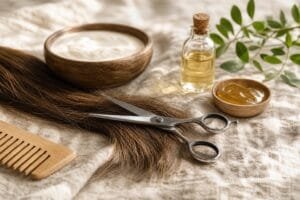
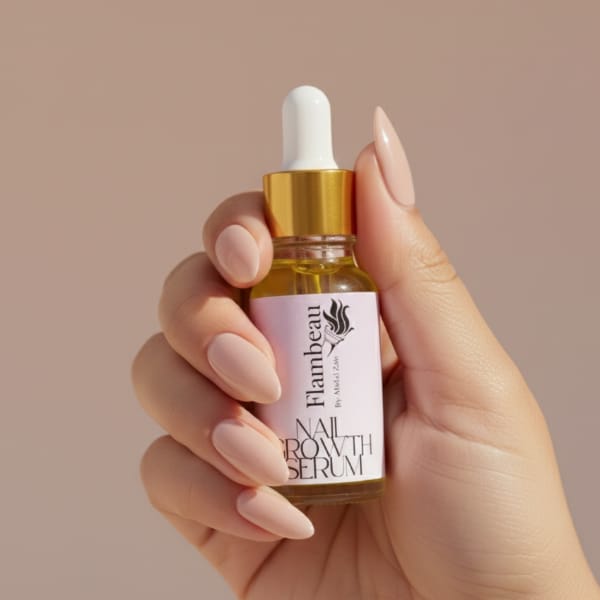
Using oils correctly is crucial to reap their benefits without causing greasiness or buildup. Here’s a step-by-step guide for both oils. For argan oil as a leave-in: 1. Start with clean, damp hair (towel-dried). 2. Take 2-3 drops of argan oil in your palms. 3. Rub your palms together to warm the oil. 4. Smooth the oil over your hair, focusing on mid-lengths and ends. 5. Avoid the roots unless your scalp is very dry. 6. Comb through with a wide-tooth comb to distribute evenly. 7. Style as usual. You can also use argan oil on dry hair to tame flyaways: take one drop, rub between palms, and lightly smooth over the surface of your hair. For a deeper treatment, apply argan oil generously to damp hair, cover with a shower cap, and leave for 30 minutes or overnight, then shampoo out. For coconut oil as a pre-wash treatment: 1. Warm 2-4 tablespoons of coconut oil (depending on hair length and thickness) until melted. 2. Section your hair and apply the oil from roots to ends, massaging into the scalp. 3. Cover with a shower cap and leave for at least 30 minutes, or overnight for intense conditioning. 4. Shampoo thoroughly, possibly twice, to remove all oil. 5. Condition as usual. For a lighter leave-in, use a tiny amount (a pea-sized amount) of coconut oil on damp hair, focusing on ends. But be cautious—too much will make hair greasy. For a mixed oil treatment, combine equal parts argan and coconut oil, warm slightly, and apply as a pre-wash or leave-in. This balances the lightweight properties of argan with the deep moisture of coconut. Always patch test first by applying a small amount to your inner elbow and waiting 24 hours to check for reactions. When applying, use gentle hands and avoid rough rubbing, which can cause frizz. After applying, you can use a silk scrunchie or silk pillowcase to reduce friction while sleeping. Wash your hair regularly to prevent buildup; if you use coconut oil frequently, clarify once a week. For best results, be consistent—use oils as part of your regular routine, not just once in a while. Also, adjust the amount based on your hair’s needs: start with less and add more if needed. If your hair feels greasy after application, you’ve used too much; next time, reduce the quantity. If your hair still frizzes, you may need a different oil or additional products like leave-in conditioners. Remember, oils are not a cure-all; they work best in conjunction with a healthy hair care regimen. For more detailed routines, check out our blog for tips on cleansing, conditioning, and styling. And don’t forget to take care of your nails too—our Nail Growth Serum – Helps Nails Grow Stronger, Healthier is a great addition to your beauty routine.
Timing is everything when it comes to oil treatments. For argan oil, the best time to apply is on damp hair after washing, as it seals in moisture. You can also apply it before bed to let it absorb overnight, but use a silk pillowcase to avoid stains. For coconut oil, the ideal time is before washing, as it needs to be rinsed out. If you use it as a leave-in, apply only to the ends and use sparingly. In terms of frequency, argan oil can be used daily, while coconut oil is better for weekly deep treatments. If your hair is very dry, you can do a coconut oil mask twice a week. Listen to your hair: if it feels heavy or greasy, reduce frequency. Also, consider seasonal changes: in winter, you might need more moisture, so coconut oil can be used more often; in summer, switch to argan oil to avoid heaviness. Another tip: layer oils for maximum benefit. Apply coconut oil as a base, then seal with argan oil to lock in moisture. This is especially effective for high-porosity hair. But don’t overdo it—too many products can cause buildup. Clarify your hair every two weeks to remove residue. When shampooing out coconut oil, use a sulfate-free shampoo to avoid stripping natural oils. If you have hard water, use a chelating shampoo once a month. After washing, apply a leave-in conditioner and then argan oil to seal. Detangle gently with a wide-tooth comb, starting from ends and working up. Avoid brushing dry hair, as it causes breakage and frizz. Instead, use your fingers or a comb. Dry hair with a microfiber towel or cotton t-shirt to reduce friction. If you blow-dry, use the lowest heat setting and keep the dryer moving. Finish with a cool shot to seal the cuticle. For touch-ups during the day, a drop of argan oil on flyaways works wonders. Keep a small bottle in your bag for emergencies. With practice, you’ll find the right balance for your hair. And remember, healthy hair starts from within—eat a balanced diet, stay hydrated, and manage stress. For more on overall wellness, you can refer to the NHS healthy body guidelines.
Common Mistakes to Avoid When Using Oils on Frizzy Hair
Even with the best intentions, it’s easy to make mistakes that can worsen frizz or leave hair greasy. Here are common pitfalls and how to avoid them. Mistake 1: Applying oil to soaking wet hair. Oil and water don’t mix; if hair is dripping wet, the oil will just sit on top and not absorb. Instead, towel-dry hair to damp before applying. Mistake 2: Using too much oil. A little goes a long way. Start with a few drops and add more if needed. Over-oiling leads to greasiness and buildup, which can actually attract dirt and cause more frizz. Mistake 3: Applying oil to the roots. Unless you have a dry scalp, avoid the roots. Oil on the scalp can clog pores and make hair look greasy. Focus on mid-lengths and ends. Mistake 4: Not washing out coconut oil thoroughly. Coconut oil is heavy and can leave residue if not shampooed out properly. Use a clarifying shampoo if needed. Mistake 5: Using coconut oil on low-porosity hair. This can cause buildup and stiffness. If your hair doesn’t absorb coconut oil well, switch to argan. Mistake 6: Skipping patch tests. Always patch test first to avoid allergic reactions. Mistake 7: Using oils as a replacement for conditioner. Oils seal moisture but don’t provide it; you still need a conditioner to hydrate. Mistake 8: Overusing heat with oil. Some oils, like coconut, can conduct heat and cause damage if used before styling with hot tools. Use a heat protectant instead. Mistake 9: Not clarifying regularly. Buildup from oils can make hair dull and limp. Clarify every two weeks. Mistake 10: Using rancid oil. Check the expiration date and smell; if it’s off, toss it. Mistake 11: Applying oil to dirty hair. Oil on dirty hair can trap dirt and odor. Wash first. Mistake 12: Rubbing hair vigorously with a towel. This causes friction and frizz. Instead, gently squeeze out water. Mistake 13: Brushing hair when dry. This breaks hair and causes frizz. Use a comb on damp hair. Mistake 14: Ignoring your hair’s porosity. Know your hair type to choose the right oil. Mistake 15: Expecting instant results. Oils take time to show improvement; be patient. By avoiding these mistakes, you’ll get the most out of your oil treatments. Remember, consistency and moderation are key. For more hair care tips, visit our blog.
Another common mistake is mixing too many products. If you’re using a leave-in conditioner, serum, and oil, you might be overloading your hair. Simplify your routine: cleanse, condition, and then apply one styling product and one oil. Also, don’t apply oil to scalp if you have dandruff—it can feed the yeast. If you have dandruff, treat it with an anti-dandruff shampoo before using oils. Don’t use coconut oil if you have a coconut allergy—obviously. And don’t use argan oil if you’re allergic to nuts (though argan is a seed, not a nut, some people with tree nut allergies may react). Always check with a doctor if unsure. Don’t store oils in direct sunlight—it can cause them to go rancid. Keep them in a cool, dark place. Don’t use metal containers for oils, as they can react; use glass or plastic. Don’t share hair oils to avoid cross-contamination. Don’t apply oil to broken or irritated scalp—it can sting. Don’t use oil as a sunscreen for hair—it doesn’t provide UV protection unless specified. Don’t expect oil to repair split ends—only a trim can do that. Don’t use oil on eyelashes or eyebrows unless the product is specifically for that. Don’t leave coconut oil in hair for days—it can attract dirt and cause odor. Don’t use hot oil treatments that are too hot—it can burn your scalp. Warm, not hot, is safe. Don’t apply oil immediately after coloring—wait at least 48 hours. Don’t use oil if you have seborrheic dermatitis without consulting a dermatologist. Don’t over-brush—it stimulates oil production. Don’t use oil as a substitute for regular trims—you still need to trim every 8-12 weeks. By avoiding these mistakes, you’ll be on your way to frizz-free, healthy hair. And for a gentle hair tie that won’t cause breakage, try our 1 Silk Scrunchie – Gentle & Perfect for All Hair Types.
What to Look for in Hair Oils: Ingredients and Quality
When shopping for hair oils, not all products are created equal. Many commercial oils are diluted with silicones, mineral oil, or alcohol, which can do more harm than good. Here’s what to look for. First, check the ingredient list. The oil you want (argan or coconut) should be the first or second ingredient. If it’s at the bottom, the product is mostly filler. Avoid products with mineral oil (petroleum-based) as it coats hair and prevents moisture from entering. Also avoid silicones if you want a natural option; they can build up and cause dullness. Alcohol (like isopropyl alcohol) can dry out hair. Look for cold-pressed, unrefined, organic oils. Cold-pressing retains nutrients; unrefined means no chemical processing. For argan oil, authentic Moroccan argan oil is best. For coconut oil, virgin or extra-virgin coconut oil is ideal. Packaging matters: oils should be in dark glass bottles to protect from light. Plastic bottles can leach chemicals. Price can be an indicator: pure argan oil is expensive; if it’s cheap, it’s likely adulterated. Coconut oil is cheaper, but still check for purity. Scent: pure argan oil has a nutty aroma; coconut oil smells like coconut. If it’s fragrance-free but smells like nothing, it might be refined. Texture: argan oil is light and non-greasy; coconut oil is solid at room temp but melts easily. If coconut oil is liquid at room temp, it might be fractionated (which is less beneficial). Expiration date: oils go rancid; check for a date. Brand reputation: choose reputable brands that test for purity. In Pakistan, you can find quality oils at health stores or online. For a curated selection, visit our Oils & Serums category. Certifications: look for USDA Organic, EcoCert, or similar. Reviews: read customer reviews to gauge effectiveness. Return policy: a good brand stands behind its product. Also, consider blends: some oils combine argan with other beneficial oils like jojoba or almond. These can be great, but check the concentration. Avoid synthetic fragrances and dyes—they can irritate scalp. Patch test any new product. Store properly: keep away from heat and light. Use within 6-12 months after opening. For coconut oil, you can also use it for cooking, but keep a separate jar for hair to avoid contamination. For argan oil, a little goes a long way, so a 30ml bottle can last months. Don’t be fooled by marketing claims like “miracle oil”—look at the ingredients. If you have specific concerns like dandruff, look for oils with added tea tree or neem. If you want to boost hair growth, look for oils with rosemary or peppermint. But remember, oils are supplementary, not a cure for hair loss. For overall health, refer to the NHS healthy body resources. By choosing high-quality oils and using them correctly, you’ll see the best results for your frizzy hair.
Another aspect to consider is sustainability and ethics. Argan oil production can be a source of income for women’s cooperatives in Morocco, so buying fair-trade argan oil supports communities. Coconut oil production can have environmental impacts, so look for sustainably sourced options. In Pakistan, you can find local brands that offer pure oils at competitive prices. For example, some Pakistani brands source argan oil from Morocco and bottle it locally. Always read labels carefully. Beware of counterfeit products—buy from trusted retailers. If the price seems too good to be true, it probably is. Check for additives like vitamin E (tocopherol) which is a natural preservative and beneficial. But avoid BHT, BHA, and other synthetic preservatives. Packaging size: start with a small bottle to test if it works for you before investing in a large one. Travel sizes are great for trying. Gift sets can be a good way to sample multiple oils. Subscription services can save money if you use oils regularly. DIY blends: you can make your own mix by combining argan and coconut oil with essential oils. Just ensure you use a carrier oil and follow safe dilution ratios. For a simple blend, mix 1 part argan oil, 1 part coconut oil, and a few drops of lavender essential oil. Store in a dark glass bottle. Use within 3 months. This gives you the benefits of both oils in one. Label your DIY products with the date. Keep a hair journal to track what works. Take photos to monitor progress. Be patient—hair grows slowly, and improvements take time. With the right oil and routine, you’ll notice less frizz, more shine, and softer hair. For more personalized advice, consider consulting a trichologist or dermatologist. And don’t forget to check out our blog for more tips on hair and skin care. Whether you choose argan or coconut oil, the key is to use it consistently and correctly. Your hair will thank you.
Frequently Asked Questions
Can I use both argan and coconut oil together for frizzy hair?
Yes, you can use both. A common approach is to use coconut oil as a pre-wash deep treatment and argan oil as a leave-in serum for daily frizz control. This combines coconut's deep moisture with argan's lightweight smoothing.
How often should I apply oil to frizzy hair?
Argan oil can be used daily on damp or dry hair, while coconut oil is best for weekly deep treatments. Adjust based on your hair's needs—if it feels greasy, reduce frequency.
Is argan oil better than coconut oil for fine hair?
Yes, argan oil is generally better for fine hair because it's lightweight and won't weigh hair down. Coconut oil can be too heavy and cause greasiness on fine hair.
Can coconut oil make frizz worse?
Coconut oil can make frizz worse if overused or if it builds up on hair, especially on low-porosity or fine hair. It can also attract dust and cause stiffness if not washed out properly.
Written by Mishal Rehman, owner of Flambeauty — sharing practical, professional beauty and skincare guidance.
Updated: September 2026