Looking for the best serum to tighten pores on oily skin? Discover effective ingredients, expert tips, and product picks, including a serum that helps...
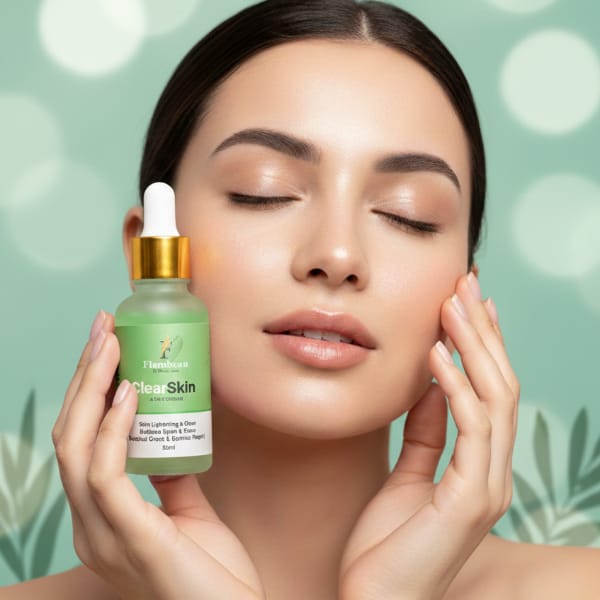
The best serum for tightening pores on oily skin contains niacinamide, salicylic acid, or a gentle retinoid, which work by regulating oil production, exfoliating dead skin, and supporting collagen. For Pakistani skin, where humidity and heat often increase sebum, a lightweight formula like the Clear Skin Acne Control Serum can help minimize the look of pores while also addressing breakouts and post-acne marks.
Understanding Pores and Oily Skin: Why Do Pores Look Larger?
Pores are tiny openings on your skin that release sebum, the natural oil that keeps your skin lubricated. In oily skin, the sebaceous glands produce more oil than necessary, which can make pores appear more prominent. When excess oil mixes with dead skin cells, it can stretch the pore walls and make them look larger, especially in the T-zone—your forehead, nose, and chin. Additionally, Pakistani summers are intense, and high humidity can cause your skin to produce even more oil, which is why many people notice their pores looking bigger during the hottest months.
It is important to understand that you cannot actually open or close pores like doors; they do not have muscles. Instead, pores can appear tighter when they are clean and free of debris. By using a serum that helps regulate oil and promotes cell turnover, you can reduce the build-up that makes pores look stretched. Serums are particularly effective because they contain high concentrations of active ingredients that can penetrate deeper into the skin compared to heavier moisturizers.
Another factor that contributes to visible pores is a loss of collagen and elastin, which naturally happens as we age. When the skin loses its firmness, the tissue around the pores becomes looser, making them look larger. This is why ingredients that support collagen production, such as vitamin C or retinol, can help over time. However, for oily skin, you need a balance—you want these benefits without adding heavy oils that could clog pores further.
Genetics also play a role; some people simply have naturally larger pores. While you cannot change your genetics, you can definitely improve their appearance. A consistent skincare routine that includes a pore-tightening serum can make a noticeable difference, often within a few weeks. Keep in mind that results are gradual, and consistency is key.
In Pakistan, many people also experience a combination of oily and dehydrated skin, which can confuse the skin into producing even more oil. Using a serum that hydrates without being greasy is essential. Look for serums that contain hyaluronic acid or glycerin to attract water to the skin, alongside oil-regulating ingredients. This dual action helps to keep your skin comfortable and less reactive, which in turn can reduce the look of pores.
Lastly, remember that sun damage can also thicken the skin and enlarge pores. Daily sunscreen use is crucial, even if you are indoors most of the day. While a serum can help tighten pores, protecting your skin from UV rays will prevent further damage and keep your skin’s structure intact, making your serum more effective over the long term.
Key Ingredients to Look For in a Pore-Tightening Serum
When choosing a serum for oily skin and large pores, the ingredient list is your best friend. Niacinamide, also known as vitamin B3, is a standout. It helps regulate sebum production, improves skin’s barrier function, and reduces inflammation. Studies have shown that niacinamide can reduce pore size over time, making it a top choice for oily skin. It is also gentle enough for daily use and pairs well with other actives.
Salicylic acid is another powerhouse, especially if you also have blackheads or acne. This beta-hydroxy acid (BHA) is oil-soluble, meaning it can penetrate into the pores and dissolve the gunk that makes them look larger. By exfoliating the inside of the pore, salicylic acid helps to unclog and refine, leading to a smoother appearance. It is especially beneficial during hot, humid months when oil production peaks.
Retinoids, such as retinol or adapalene, are excellent for long-term pore tightening because they speed up cell turnover and boost collagen. However, they can be irritating, especially for beginners. If you are new to retinoids, start with a low concentration and use it only at night. Over time, you can build up tolerance. For a gentler alternative, you might consider a serum with a stabilized form of vitamin C, like ascorbic acid or magnesium ascorbyl phosphate, which also supports collagen and helps brighten any post-acne marks.
Other beneficial ingredients include zinc, which has oil-controlling properties, and witch hazel, a natural astringent. However, be cautious with witch hazel—it can be drying and irritating for some skin types. Also, consider alpha hydroxy acids like glycolic acid, which exfoliate the surface of the skin, smoothing texture and improving the appearance of pores. A serum that combines a BHA with an AHA can be effective, but always start slowly to avoid over-exfoliation.
When scanning product labels, look for serums that are labeled “non-comedogenic,” meaning they won’t clog pores. Also, check for the absence of heavy oils, like coconut oil, which can be problematic for oily skin. Instead, look for lightweight, water-based formulas that absorb quickly. Gels or water-like textures are often preferable for oily skin.
One product that ticks many of these boxes is the Clear Skin Acne Control Serum. It is designed to help reduce spots and scars while also regulating oil, making it a suitable option for those who want to address both breakouts and visible pores. As always, always patch test first to ensure the serum agrees with your skin.
How to Use a Pore-Tightening Serum for Best Results
To get the most from your serum, you need a proper routine. Start by washing your face with a gentle cleanser that removes excess oil without stripping your skin. For oily skin, a gel or foam cleanser works well. Pat your skin dry with a clean towel—do not rub. Then, apply your serum on slightly damp skin. This helps the active ingredients penetrate better and reduces the risk of irritation.
Use a few drops of the serum and gently press it into your face, focusing on the T-zone and areas with visible pores. Avoid the delicate eye area unless the product is specifically formulated for that. After the serum has absorbed, follow up with a lightweight moisturizer. Many people with oily skin skip moisturizer, but that is a mistake—your skin needs hydration to stay balanced. Choose an oil-free or gel-based moisturizer.
During the day, always finish with a broad-spectrum sunscreen of at least SPF 30. Sun exposure can damage collagen and make pores more visible, so protection is non-negotiable. In the evening, you can use the serum as part of your nighttime routine. If you are using a retinol or another strong active, alternate it with your pore-tightening serum to avoid irritation.
Consistency is key—use the serum daily or as directed, and give it at least 4-6 weeks to see visible changes. Pore tightening is not an overnight fix. Additionally, consider incorporating a gentle exfoliating toner or a weekly clay mask to help keep pores clear. But do not over-exfoliate, as that can increase oil production and make pores look worse.
If you have sensitive skin, start using the serum every other day to see how your skin reacts. You can gradually increase to daily use. Pay attention to how your skin feels; if it becomes tight, red, or flaky, reduce frequency or switch to a gentler formula. It is always better to take a conservative approach than to damage your skin barrier.
Also, remember that your diet and lifestyle can affect your skin. Drinking plenty of water, eating a balanced diet, and managing stress can support your skincare efforts. In Pakistan, where the climate is often hot, avoid touching your face and keep your hair off your forehead to reduce oil transfer. By combining a good serum with these habits, you can achieve a smoother, more refined skin texture.
Common Mistakes to Avoid When Using Pore-Tightening Serums
One of the most common mistakes is using too much product. A few drops are enough—applying a thick layer will not speed up results and can lead to irritation. Another mistake is mixing too many active ingredients at once. For example, using a salicylic acid serum with a retinol on the same night can cause redness and peeling. Instead, alternate them or use one in the morning and the other at night, depending on your skin’s tolerance.
Another pitfall is skipping sunscreen. Some active ingredients, especially AHAs and retinoids, can make your skin more sensitive to the sun. Without protection, you risk sun damage, which can actually enlarge pores over time. So, never skip sunscreen during the day, even if you are indoors near a window.
You might also be tempted to use pore strips or physical scrubs to “remove” pores. These can be harsh and actually damage the skin, leading to more oil and larger-looking pores. Instead, rely on chemical exfoliants like salicylic acid, which dissolve the debris that clogs pores. Also, avoid washing your face too often—over-washing strips your skin’s natural oils, causing it to produce even more oil to compensate.
Ignoring your full skincare routine is another mistake. A serum cannot work alone. If you are not cleansing properly or moisturizing, you may not see the results you want. Also, be patient. Many people give up after a week if they don’t see immediate changes. Pore tightening takes time—usually several weeks. Trust the process.
Finally, do not assume that all serums are the same. Choose a serum specifically formulated for oily skin and pore concerns. Avoid heavy oils like coconut or olive oil, which can clog pores. Also, be wary of products with high alcohol content, which can dry out your skin and cause rebound oiliness.
If you have a breakouts or active acne, it is wise to treat that first. Some pore-tightening serums can be too harsh on inflamed skin. In such cases, look for a serum that also has anti-inflammatory ingredients like niacinamide or tea tree oil. The Clear Skin Acne Control Serum is designed to be gentle yet effective for acne-prone skin, making it a good option if you are dealing with both breakouts and visible pores.
Choosing the Right Serum for Your Skin Type and Lifestyle
Not all oily skin is the same. Some people have oily skin that is also sensitive, while others have oily skin that is prone to acne or dehydration. Understanding your specific needs will help you choose the best serum. For oily and sensitive skin, look for a serum with soothing ingredients like aloe vera, centella asiatica, or allantoin, combined with niacinamide. Avoid strong acids that can cause irritation.
For oily and acne-prone skin, a serum with salicylic acid or benzoyl peroxide (though the latter is more common in washes) can help clear pores. You might also consider the Clear Skin Acne Control Serum, which is formulated to reduce spots and scars while regulating oil. For oily, dehydrated skin, choose a serum with hyaluronic acid to add hydration, which can help balance oil production.
Your lifestyle also matters. If you spend a lot of time outdoors in Pakistan’s sun, you need a serum with antioxidant protection, like vitamin C. If you wear makeup daily, ensure your serum is compatible with your foundation and doesn’t pill. If you have a busy schedule, you might prefer a serum that works well under makeup and doesn’t require a long wait time.
Budget is another consideration. Quality serums can range from affordable to high-end. In Pakistan, you can find effective serums in the 1,000 to 3,000 PKR range, but invest in a product that suits your skin concerns. Sometimes a slightly higher price means a better formulation with fewer irritants. Always check the ingredient list rather than the price tag.
If you are new to serums, start with a basic niacinamide serum, which is well-tolerated and effective. You can later introduce other actives. And remember to do a patch test on your inner arm or behind your ear before applying to your face for the first time. This is a crucial step to avoid allergic reactions.
For those who prefer a more holistic approach, you might also explore the Beauty Tips for Reducing Shine on Oily Skin Throughout the Day to complement your serum routine. And for more skincare insights, browse the blog for additional guidance.
Tailoring Your Serum Routine for Different Skin Types (Oily, Combination, Sensitive)
For oily skin, focus on serums that are water-based and contain oil-regulating ingredients like niacinamide or zinc. Use a pea-sized amount and apply it on both your face and neck. Avoid heavy creams; opt for a gel moisturizer afterward. If you experience breakouts, choose a serum with salicylic acid. A matte-finish moisturizer can also help control shine.
For combination skin, where the T-zone is oily but the cheeks are normal or dry, apply the serum only to the oily areas, or use a lighter layer all over. You might need a more hydrating serum for the cheeks. In this case, a hyaluronic acid serum can be used all over, and you can add a drop of niacinamide serum just on the T-zone. This targeted approach prevents over-drying your drier areas.
For sensitive oily skin, choose a serum that is fragrance-free and has a simple ingredient list. Niacinamide in a low concentration (around 2-5%) is usually well-tolerated. Avoid acids and retinoids unless advised by a dermatologist. Instead, look for soothing ingredients like green tea extract or licorice root. Always patch test and introduce new products slowly.
If you have acne-prone oily skin, you may benefit from a serum that contains both salicylic acid and niacinamide. However, to avoid irritation, you can use them on alternate days. The Clear Skin Acne Control Serum is specifically designed to help reduce spots and scars, which are common concerns for acne-prone skin.
Regardless of your skin type, remember that your skin’s needs can change with the seasons. In winter, you may need a slightly more hydrating serum, while in summer, a lighter gel serum is better. Pay attention to how your skin feels and adjust accordingly.
Practical Tips and Budget-Friendly Options for Pore Tightening
You do not need to spend a fortune to see results. Many affordable serums contain effective ingredients. Look for drugstore brands that offer niacinamide or salicylic acid serums. In Pakistan, you can find serums in the range of 500 to 1,500 PKR that are quite decent. The key is to check the ingredient list and avoid products with added fragrance or alcohol.
If you are on a tight budget, you can also incorporate natural ingredients like green tea toner or aloe vera gel, which have mild astringent properties. However, these are not as potent as a well-formulated serum. Another budget-friendly tip is to use your serum only on areas that need it, such as the T-zone, to make the bottle last longer.
Consider buying a serum that serves multiple purposes, like the Beauty Care Deal, which may include complementary products at a discounted price. This can be a cost-effective way to build your routine. Also, look out for sales and promotions from trusted brands like Flambeauty.

Remember that skincare is a marathon, not a sprint. Even with a budget-friendly serum, consistent use will yield results. Do not be swayed by expensive marketing claims; focus on what works for your skin. And if you have persistent concerns, consult a dermatologist who can recommend products suitable for your skin type and budget.
Finally, do not forget to read reviews and see how others with similar skin types have responded to a product. The serums category on the Flambeauty website offers a range of options that you can explore. And for more general skincare advice, check out the American Academy of Dermatology’s skincare tips to ensure you are following best practices.
Frequently Asked Questions
Can serums actually shrink pores?
Serums cannot permanently shrink pores, but they can make them appear smaller by clearing out oil and debris and by boosting collagen. Ingredients like niacinamide and salicylic acid help refine the appearance of pores over time.
How long does it take to see results from a pore-tightening serum?
Most people see a noticeable improvement in pore appearance after 4 to 6 weeks of consistent use. However, results can vary based on your skin type and the product's ingredients.
Can I use a pore-tightening serum if I have active acne?
Yes, but choose a serum that is non-comedogenic and contains ingredients that address both acne and pores, such as salicylic acid or niacinamide. Avoid harsh formulations that can irritate inflamed skin.
Should I use a pore-tightening serum in the morning or at night?
It depends on the ingredients. Niacinamide can be used both morning and night. If your serum contains retinol, use it only at night and always wear sunscreen the next day. Follow the product instructions for best results.
Written by Mishal Rehman, owner of Flambeauty — sharing practical, professional beauty and skincare guidance.
Updated: August 2026