
How to Avoid Stripping Your Skin Barrier with Face Wash

To avoid stripping your skin barrier with face wash, choose a gentle, sulfate-free cleanser that matches your skin type, use lukewarm water, and massage for no more than 60 seconds. Avoid over-washing, harsh scrubbing, and hot water. Follow with a moisturizer while skin is damp. Look for hydrating ingredients like glycerin or ceramides and skip products with high alcohol or strong sulfates. Understanding Your Skin Barrier and How Cleansers Affect It Your skin barrier is the outermost layer of your skin, often described as a brick-and-mortar structure. The skin cells are the bricks, and the lipids—ceramides, cholesterol, and fatty acids—are the mortar that holds everything together. This barrier is your body’s first line of defense against environmental aggressors like…

Continue ReadingHow to Avoid Stripping Your Skin Barrier with Face Wash

Prevent Premature Skin Aging in Your 20s: A Complete Guide

Your 20s are the most important decade for skin aging prevention. The collagen and elastin that keep skin firm and smooth begin to decline as early as your mid-20s, and daily UV exposure, pollution, and lifestyle habits accelerate this process. By adopting a simple, consistent routine—daily sunscreen, antioxidants, gentle cleansing, and healthy habits—you can slow visible aging and maintain a youthful complexion for decades. Start now, because prevention is far more effective than correction.What Really Causes Premature Aging in Your 20sPremature aging—fine lines, dullness, uneven tone, and loss of elasticity—is driven by two main forces: intrinsic aging (genetics, natural collagen decline) and extrinsic aging (environmental and lifestyle factors). While you can’t change your genes, you have significant control over…

Continue ReadingPrevent Premature Skin Aging in Your 20s: A Complete Guide

How Diet Affects Your Skin’s Appearance: A Complete Guide

Your diet directly influences your skin's appearance by providing the building blocks for collagen, regulating inflammation, and controlling oil production. Eating high-glycemic foods spikes insulin, which can worsen acne, while antioxidant-rich fruits, healthy fats, and adequate water support a clearer, more radiant complexion. In short, what you eat shows on your face. How Sugar and High-Glycemic Foods Trigger Breakouts When you consume foods high in refined sugar or simple carbohydrates—like white bread, sugary drinks, or traditional Pakistani desserts such as gulab jamun—your blood sugar rises quickly. This spike prompts the body to release insulin and insulin-like growth factor (IGF-1), which can increase sebum production and skin cell turnover, leading to clogged pores. Studies show that high-glycemic diets are strongly…

Continue ReadingHow Diet Affects Your Skin’s Appearance: A Complete Guide

How Ginger Extract Supports Scalp Circulation and Hair Health

Ginger extract stimulates blood flow to the scalp, delivering oxygen and nutrients to hair follicles, which supports stronger growth and a healthier scalp. This natural ingredient also has antimicrobial properties that can reduce dandruff and inflammation, making it a valuable addition to your hair care routine. Why Scalp Circulation Matters for Hair Health Scalp circulation is the foundation of hair health. Each hair follicle relies on a steady supply of oxygen and nutrients from the bloodstream to produce strong, healthy strands. When circulation is poor, follicles can become starved, leading to slower growth, thinning, or even hair loss. This is why massaging the scalp is so beneficial—it physically encourages blood flow. Ginger extract takes this a step further. The…

Continue ReadingHow Ginger Extract Supports Scalp Circulation and Hair Health

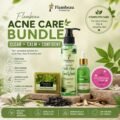
Natural Herbal Remedies for Reducing Hormonal Acne: A Pakistani Skincare Guide

Hormonal acne is often triggered by fluctuations in androgen hormones, leading to breakouts along the jawline, chin, and neck. Natural herbal remedies like neem, turmeric, and green tea can help reduce inflammation and balance oil production without harsh chemicals. Consistent use of gentle, non-comedogenic products and a balanced diet can significantly improve the appearance of acne-prone skin over time. What Is Hormonal Acne and Why Herbal Remedies Work Hormonal acne differs from typical teenage acne because it is directly linked to your body's internal hormone levels. In women, it often flares up around menstruation, pregnancy, or menopause when estrogen and progesterone fluctuate. The excess sebum produced due to these hormonal shifts clogs pores, leading to inflamed cysts and papules.…

Continue ReadingNatural Herbal Remedies for Reducing Hormonal Acne: A Pakistani Skincare Guide

Winter Skin Survival: Your Complete Guide to Dry-Weather Protection

To protect your skin during dry winter months, switch to a gentle, hydrating cleanser, apply a thicker moisturizer immediately after washing, use a humidifier indoors, and never skip sunscreen—even on cloudy days. These steps help lock in moisture and prevent the dryness, flaking, and irritation that cold air and indoor heating can cause. Why Winter Wreaks Havoc on Your Skin Winter air holds much less moisture than summer air. When you step outside, the low humidity pulls water from your skin’s outer layer, leaving it parched. Indoors, heaters further dry the air, accelerating moisture loss. This combination weakens your skin barrier, the protective layer that keeps irritants out and hydration in. As a result, you may notice tightness, flaking,…

Continue ReadingWinter Skin Survival: Your Complete Guide to Dry-Weather Protection

5 Simple Morning Habits for Healthier Skin Over Time

Start your day with a few simple habits to improve your skin gradually: wash your face with a gentle cleanser, apply a hydrating toner like Rose Water Spray 100% Organic – Refresh & Hydrate Skin, moisturize, and always wear sunscreen. These steps, combined with a healthy breakfast and enough water, build a strong foundation for healthier-looking skin over weeks and months. Why Morning Habits Matter for Your Skin Your skin undergoes repair and regeneration while you sleep, but by morning, it's exposed to new environmental stressors like UV rays, pollution, and humidity. Establishing a consistent morning routine helps protect your skin and prepare it for the day ahead. In Pakistan, where summers are hot and humid and winters can…

Continue Reading5 Simple Morning Habits for Healthier Skin Over Time

Natural Nail Care Habits to Prevent Fungus Effectively

To prevent nail fungus naturally, keep nails short, clean, and dry; avoid sharing tools; wear breathable footwear; and use antifungal essential oils like tea tree. Moisture is fungus's best friend, so always dry feet thoroughly, especially between toes, and choose nail polish that allows air circulation. Understanding Nail Fungus: What Causes It and Who Is at Risk Nail fungus, medically known as onychomycosis, is a common infection caused by dermatophytes, yeasts, or molds that thrive in warm, moist environments. The infection typically starts as a white or yellow spot under the tip of the nail and can spread deeper, causing discoloration, thickening, and crumbling edges. Understanding the causes is the first step toward prevention. Fungus enters the nail through…

Continue ReadingNatural Nail Care Habits to Prevent Fungus Effectively

How to Keep Hands Soft Despite Frequent Handwashing

Frequent handwashing strips the skin of natural oils, leading to dryness and irritation. To maintain soft, smooth hands, you need to use a gentle cleanser, pat dry instead of rubbing, and apply a rich moisturizer immediately after each wash. Reapply moisturizer throughout the day, wear gloves for wet chores, and incorporate a nourishing hand cream or balm into your nightly routine. Consistency is key to repairing the skin barrier and keeping hands comfortable. Why Frequent Handwashing Dries Out Hands Water alone can disrupt the skin's lipid barrier, especially when combined with harsh soaps. Each wash removes sebum—the skin's natural moisturizer—and can cause transepidermal water loss (TEWL). Over time, this leads to tightness, flakiness, and even painful cracks. The problem…

Continue ReadingHow to Keep Hands Soft Despite Frequent Handwashing

Herbal Remedies for Treating Acne Naturally at Home

Herbal remedies can help treat acne by reducing inflammation, killing bacteria, and soothing skin without harsh chemicals. Key ingredients like tea tree oil, aloe vera, green tea, and neem offer natural relief. Always patch test first to avoid irritation, and combine these remedies with a consistent skincare routine for best results. Understanding Acne and How Herbal Remedies Help Acne occurs when hair follicles become clogged with oil, dead skin cells, and bacteria. While conventional treatments exist, many people turn to herbal remedies for a gentler approach. Herbal ingredients often contain anti-inflammatory, antimicrobial, and antioxidant properties that target the root causes of acne. For example, tea tree oil’s antibacterial action fights Cutibacterium acnes, while aloe vera’s cooling effect reduces redness…

Continue ReadingHerbal Remedies for Treating Acne Naturally at Home