If your skin reacts to fragrance, learn how to identify triggers, build a gentle routine, and choose products that calm rather than irritate. Get practical...
If your skin stings, turns red, or breaks out after using scented products, you likely have fragrance sensitivity. The fix is to switch to fragrance-free formulas, patch test everything, and build a simple routine with minimal ingredients. This guide explains how to identify triggers, choose safe products, and care for reactive skin.
Why Fragrance Can Irritate Your Skin
Fragrance is one of the most common causes of contact dermatitis, a reaction that can show up as redness, itching, burning, or tiny bumps. Even products labeled “natural” or “botanical” can contain essential oils that trigger the same response. The term “fragrance” on a label can represent a blend of dozens of unlisted chemicals, making it hard to pinpoint the exact culprit. For someone with reactive skin, the immune system may treat these substances as threats, leading to inflammation. This isn’t an allergy in the traditional sense—it’s a sensitivity that develops over time with repeated exposure.
Your skin barrier plays a huge role here. When the barrier is compromised—due to harsh cleansers, over-exfoliation, or environmental stress—fragrance molecules penetrate more easily and cause irritation. That’s why repairing your barrier is just as important as avoiding fragrance. In Pakistan, where humidity and heat can make skin more permeable, and air pollution adds another layer of stress, the risk of reactions is even higher. If you’ve ever felt a burning sensation after applying a scented moisturizer, that’s a clear sign your skin is asking for a break from fragrance.
It’s also worth noting that fragrance sensitivity isn’t the same as a true allergy. Allergies involve an immune response that can worsen with each exposure, while sensitivity is more about irritation. But both require you to avoid the trigger. The good news is that once you identify and remove the offending products, your skin can often calm down within a few weeks. The key is consistency and patience—don’t expect overnight results. Give your skin time to heal.
How to Identify Fragrance Triggers
The first step is to become a label detective. Look for the words “fragrance,” “parfum,” “essential oil,” “aroma,” and specific plant extracts like lavender, citrus, or eucalyptus. Even products marketed for sensitive skin can contain masking fragrances. Keep a diary of what you use and when reactions occur. note the time of day, the product, and the symptoms. After a week or two, patterns will emerge. For example, if you notice redness only after using a certain toner, that’s a strong clue.
Another approach is to simplify your routine to just three products: a gentle cleanser, a moisturizer, and a sunscreen. If your skin improves, reintroduce one product at a time, waiting a few days between each. This elimination method is the gold standard for pinpointing triggers. Be patient—it can take a month to fully clear. If you’re unsure, a dermatologist can perform patch testing to identify specific allergens.
Remember that fragrance can hide in unexpected places: laundry detergent, fabric softener, hair products, and even makeup. If you’re serious about calming your skin, you’ll need to audit your entire personal care routine. Start with products that stay on your skin the longest, like moisturizers and serums, as they have more time to cause irritation. Rinse-off products like cleansers are less likely to be problematic, but they can still trigger reactions in highly sensitive individuals.
Building a Fragrance-Free Routine
A minimalist routine is your best friend. Here’s a step-by-step plan: 1) Cleanse with a mild, fragrance-free cleanser. Look for syndet bars or creamy cleansers that don’t strip your skin. 2) Moisturize with a ceramide-rich cream to repair your barrier. 3) Protect with a mineral sunscreen (zinc oxide or titanium dioxide) that’s free of chemical filters and fragrance. At night, you can add a gentle hydrating serum if needed. That’s it—no toners, essences, or essential oils until your skin is stable.
When choosing products, opt for those labeled “fragrance-free” rather than “unscented.” Unscented products may contain masking fragrances to cover the smell of raw ingredients. Also, avoid products with essential oils, even if they’re natural. Lavender, tea tree, and citrus oils are common irritants. Instead, look for soothing ingredients like aloe vera, oatmeal, and allantoin. These can help calm redness and itching.
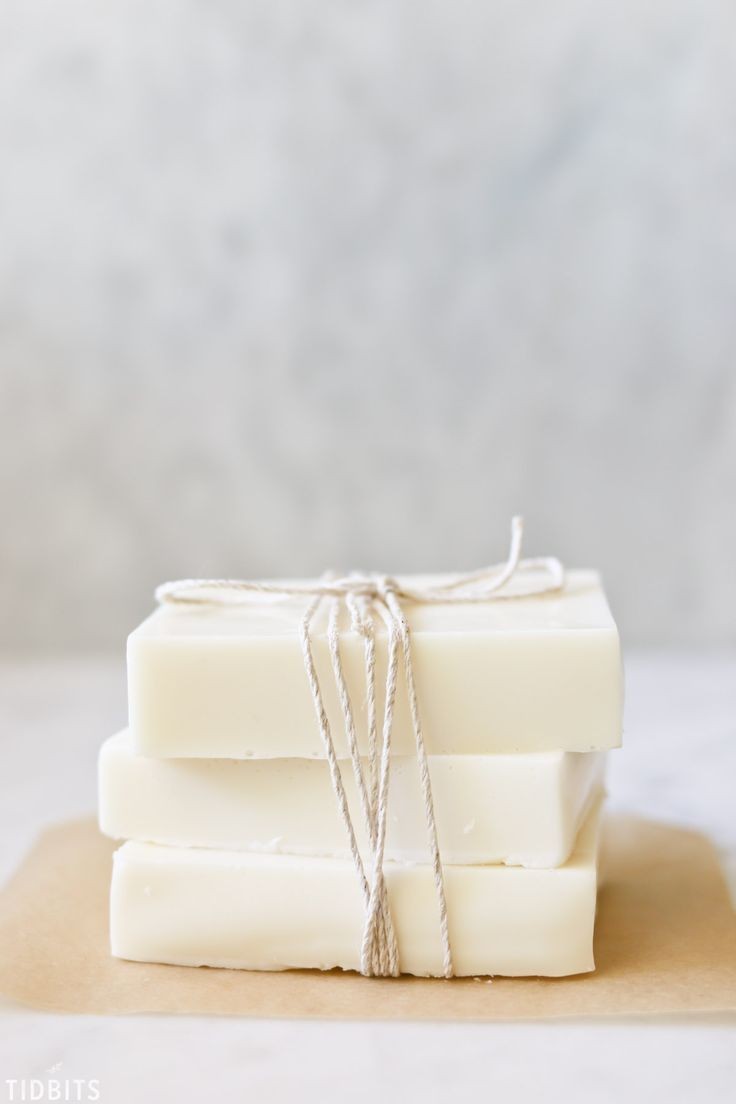
If you’re looking for a gentle cleanser, consider a goat milk soap like Goat Milk Soap. It’s made with natural ingredients and is free from synthetic fragrances, making it a good option for reactive skin. For a weekly treat, the 5-in-1 Organic Beauty Mask – Brighten & Hydrate Skin can provide hydration without irritating additives. Always patch test first, even with natural products.

Common Mistakes to Avoid
One of the biggest mistakes is assuming that “natural” means safe. Essential oils are highly concentrated and can cause just as much irritation as synthetic fragrances. Another mistake is over-washing your face. Cleansing more than twice a day strips your skin and makes it more reactive. Also, avoid hot water—it damages your barrier. Use lukewarm water instead.
Don’t layer too many products at once. If you’re trying to repair your skin, less is more. Introducing a new serum every week won’t give your skin time to adjust. Stick to a basic routine for at least a month before adding anything new. And never skip sunscreen—UV damage weakens your barrier and makes fragrance sensitivity worse.
Another common error is using exfoliants. AHAs, BHAs, and scrubs can further irritate compromised skin. Wait until your skin is calm before reintroducing them. Even then, start with a low concentration once a week. Remember, your skin needs time to heal—rushing the process will only set you back.
What to Look for in Products
When reading labels, look for short ingredient lists. The fewer ingredients, the lower the chance of a reaction. Choose products with ceramides, hyaluronic acid, glycerin, and niacinamide—these support your barrier and reduce inflammation. Avoid alcohol denat, witch hazel, and menthol, which can sting. Also, check for preservatives like methylisothiazolinone, which can cause allergies.
For sunscreens, mineral formulas are generally better tolerated than chemical ones. Zinc oxide and titanium dioxide sit on top of your skin and are less likely to cause irritation. If you prefer chemical sunscreens, look for those without avobenzone or oxybenzone. And always choose fragrance-free. For more tips on gentle skincare, visit our Skin Care category.
Remember that packaging matters too. Products in jars expose ingredients to air and bacteria, which can lead to irritation. Opt for tubes or pumps instead. And always check the expiration date—expired products can harbor bacteria and cause reactions.
Adapting Your Routine for Different Skin Types
Dry skin: Focus on rich moisturizers with ceramides and oils like squalane. Avoid foaming cleansers. Use a cream cleanser and apply moisturizer while your skin is still damp to lock in hydration.
Oily skin: You still need to moisturize, but choose a lightweight gel or lotion. Look for niacinamide to control oil and calm redness. Don’t skip moisturizer—dehydrated skin produces more oil. Use a gentle foaming cleanser if you prefer, but avoid sulfates.
Combination skin: You may need different products for different zones. Use a lightweight moisturizer all over and a richer cream on dry areas. A fragrance-free toner can help balance pH without irritation.
Sensitive skin: This is where fragrance-free is non-negotiable. Stick to products with minimal ingredients and avoid any botanical extracts. Patch test everything, even products labeled for sensitive skin. Consider a soothing mask with oatmeal or aloe. The 5-in-1 Organic Beauty Mask is formulated to brighten and hydrate without harsh additives, but always check the label for your specific triggers.
Acne-prone skin: Avoid fragranced acne treatments, which can worsen irritation. Look for salicylic acid or benzoyl peroxide in fragrance-free formulas. Be gentle—harsh scrubs can spread bacteria and cause more breakouts. If you’re also dealing with hair fall, our Herbal Hair Oils guide might help, but ensure they’re fragrance-free if your scalp is sensitive.
When to See a Dermatologist
If your skin doesn’t improve after a month of fragrance-free care, or if you develop severe symptoms like blistering, oozing, or pain, see a dermatologist. They can prescribe stronger treatments like topical steroids or calcineurin inhibitors. For more information on skin care basics, refer to the American Academy of Dermatology.
Also, if you suspect a true allergy, patch testing can identify specific allergens. This involves applying small amounts of common allergens to your back and checking for reactions after 48 hours. Once you know your triggers, you can avoid them more effectively.
Living with fragrance-sensitive skin is manageable with the right approach. Simplify your routine, read labels, and be patient. Your skin will thank you. For more related tips, check out our Nail Care Tips for Naturally Shiny, Healthy-Looking Nails and explore our blog archive for more guides.
Frequently Asked Questions
Can I suddenly develop a fragrance sensitivity after years of using scented products?
Yes, sensitivities can develop over time with repeated exposure. Your skin barrier may become compromised, making it more reactive to ingredients that previously caused no issues.
Is it safe to use essential oils if I have fragrance-sensitive skin?
Essential oils are highly concentrated and can cause irritation, even if they are natural. It's best to avoid them until your skin is fully healed, and then patch test carefully if you want to reintroduce them.
How long does it take for skin to recover from a fragrance reaction?
With a strict fragrance-free routine, most people see improvement within 2-4 weeks. Severe reactions may take longer and require medical treatment.
What should I look for on a label if I have fragrance sensitivity?
Look for products labeled 'fragrance-free' and avoid terms like 'parfum', 'essential oil', 'aroma', and specific botanical extracts. Choose products with short ingredient lists and soothing ingredients like ceramides and oatmeal.
Written by Mishal Rehman, owner of Flambeauty — sharing practical, professional beauty and skincare guidance.
Updated: September 2026