Learn natural nail care habits to prevent fungus, including drying techniques, proper trimming, breathable polish use, and lifestyle tips for healthy nails...
To prevent nail fungus naturally, keep nails short, clean, and dry; avoid sharing tools; wear breathable footwear; and use antifungal essential oils like tea tree. Moisture is fungus’s best friend, so always dry feet thoroughly, especially between toes, and choose nail polish that allows air circulation.
Understanding Nail Fungus: What Causes It and Who Is at Risk
Nail fungus, medically known as onychomycosis, is a common infection caused by dermatophytes, yeasts, or molds that thrive in warm, moist environments. The infection typically starts as a white or yellow spot under the tip of the nail and can spread deeper, causing discoloration, thickening, and crumbling edges. Understanding the causes is the first step toward prevention.
Fungus enters the nail through tiny cuts or separations between the nail and nail bed. Prolonged exposure to damp conditions—like sweaty shoes, public showers, or swimming pools—increases risk. People with compromised immune systems, diabetes, or poor circulation are more susceptible, but anyone can get it.
In Pakistan’s humid climate, especially during monsoon season, the risk is higher. Wearing closed shoes for long hours, not drying feet properly after wudu (ablution), and sharing nail clippers or towels can spread infection. Even wearing tight, non-breathable socks creates the perfect breeding ground.
Artificial nails, gel polish, and acrylics trap moisture between the natural nail and the enhancement, making fungal infections more likely. If you wear enhancements, take breaks and inspect your nails regularly. Early signs include slight yellowing or a foul odor—don’t ignore them.
Prevention is far easier than treatment. Once fungus sets in, it can take months to clear. That’s why building daily habits that keep nails dry and clean is essential. Think of it as a lifelong routine, not a quick fix.
Knowing your risk factors helps you take targeted action. For instance, if you have diabetes, check your feet daily. If you sweat heavily, use antifungal powder. Awareness is your first defense.
Daily Nail Care Routine: Habits That Keep Fungus at Bay
A consistent daily routine is your strongest weapon against nail fungus. Start each day by inspecting your nails for any changes. After bathing or washing hands, dry your nails and the surrounding skin thoroughly—especially between toes. Use a clean towel and don’t share it with others.
Keep your nails trimmed straight across and file down any sharp edges. Avoid cutting cuticles, as they protect the nail bed from infection. Instead, gently push them back after softening in warm water. Use a clean, sanitized nail clipper each time.
Moisturize your nails and cuticles with a non-greasy lotion or oil, but avoid applying between toes. Excess moisture there invites fungus. After applying lotion, let your feet air out for a few minutes before putting on socks or shoes.
Choose socks made of natural fibers like cotton or bamboo that wick moisture away. Change socks if they become damp, especially after exercise. Rotate your shoes so each pair has at least 24 hours to dry out completely before wearing again.
In public places like gyms, pools, or nail salons, wear flip-flops or waterproof sandals. Never walk barefoot in these areas. When getting a pedicure, ensure the salon sterilizes tools between clients. Better yet, bring your own tools.
For those who enjoy nail polish, opt for breathable nail polish that allows oxygen and moisture to pass through. Traditional nail polish creates a seal that can trap moisture. Give your nails a break from polish for a few days each month to let them breathe.
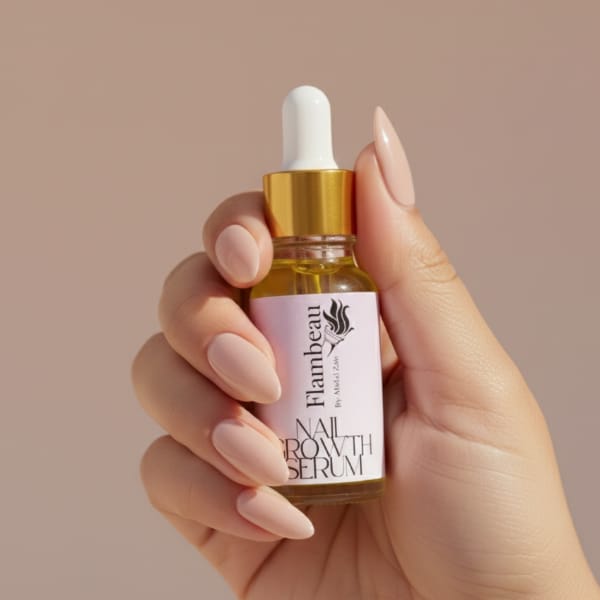
Consider incorporating a Nail Growth Serum – Helps Nails Grow Stronger, Healthier into your routine. This serum not only promotes stronger nails but also contains ingredients that support a healthy nail environment, making it harder for fungus to take hold. Apply it daily to clean, dry nails.
Essential Natural Ingredients and Products for Fungus Prevention
Nature offers powerful allies in the fight against nail fungus. Tea tree oil is one of the most studied antifungal essential oils. It contains terpinen-4-ol, which kills fungi and bacteria. Mix a few drops with a carrier oil like coconut oil and apply to nails daily. Always patch test first because tea tree oil can be irritating to some skin.
Lavender oil is another gentle antifungal that also promotes nail strength. It can be used alone or blended with tea tree oil. Apply one drop directly to the affected nail after cleaning. For prevention, add a drop to your moisturizer or cuticle oil.
Coconut oil contains medium-chain fatty acids that penetrate the nail and kill fungi. It’s also an excellent moisturizer. Apply virgin coconut oil to nails and cuticles before bed, wearing cotton gloves or socks to enhance absorption. Its antimicrobial properties make it a daily staple.
Apple cider vinegar creates an acidic environment that fungi dislike. Dilute it with equal parts water and soak your feet for 15–20 minutes daily. Rinse and dry thoroughly. This can also help balance the pH of your skin and nails.
Garlic has allicin, a natural antifungal. Crush a clove and mix with olive oil, then apply to nails. Leave for 10 minutes before rinsing. Use with caution as it can irritate skin. Alternatively, include more garlic in your diet for internal support.
Look for nail care products that contain these natural ingredients. The Nail Growth Serum from Flambeauty is enriched with nourishing botanicals that support nail health and resilience. It’s a simple addition to your routine that works over time.
Lifestyle and Dietary Adjustments for Healthy Nails
Your diet plays a crucial role in nail health and fungus resistance. Biotin-rich foods like eggs, nuts, and whole grains strengthen the nail plate, making it harder for fungus to penetrate. Zinc and iron deficiencies can make nails brittle and more susceptible to infection, so include lean meats, legumes, and leafy greens.
Probiotics support your immune system and help fight fungal overgrowth. Eat yogurt, kefir, or fermented vegetables regularly. A healthy gut microbiome can reduce the risk of infections throughout your body, including nails.
Stay hydrated. Water keeps your nails and cuticles moisturized from within. Dehydration leads to dry, cracked nails that invite infection. Aim for 8 glasses daily, more if you’re active or live in a hot climate like Pakistan.
Manage stress. High cortisol levels can weaken your immune system, making you more prone to infections. Practice relaxation techniques like deep breathing, meditation, or gentle yoga. Even a 10-minute walk outdoors can help.
Avoid smoking and limit alcohol. Both impair circulation and immune function, reducing your body’s ability to fight off fungi. Smoking also causes yellowing of nails, which can be mistaken for fungus.
If you have recurring fungal infections, consider checking your blood sugar. Uncontrolled diabetes is a major risk factor. A simple blood test can rule out underlying issues. Your doctor may recommend additional preventive measures.
Common Mistakes That Encourage Nail Fungus (and How to Avoid Them)
One of the biggest mistakes is keeping nails constantly covered with polish. While polish looks pretty, it traps moisture against the nail, creating a dark, damp environment where fungi thrive. Give your nails a break for at least 2–3 days between polish applications.
Another error is cutting cuticles too aggressively. Cuticles are a natural barrier against infection. When you cut them, you create tiny wounds that allow fungus and bacteria to enter. Instead, gently push them back after softening with oil.
Wearing tight shoes that don’t allow your feet to breathe is a common habit. Shoes made of synthetic materials trap heat and sweat. Choose leather, canvas, or mesh options. Rotate your footwear and use antifungal sprays or powders inside shoes.
Ignoring early signs of fungus is a costly mistake. Many people wait until the nail is thick and discolored before seeking help. At the first hint of yellowing or a white spot, start antifungal treatments. Early intervention is key to preventing spread.
Sharing nail tools, towels, or shoes with family members can transmit fungus. Keep your own set of clippers, files, and buffers. Disinfect them after each use with alcohol. Don’t borrow footwear, even for a short time.
Finally, walking barefoot in public places like gym showers or pool decks is a direct invitation to fungus. Always wear flip-flops or water shoes. Even in your own home, if someone has athlete’s foot or nail fungus, wear slippers in shared areas.
Choosing the Right Nail Care Products: What to Look For
When selecting nail products for fungus prevention, look for antifungal ingredients like tea tree oil, lavender, eucalyptus, or clove oil. Avoid products with harsh chemicals that can damage the nail and weaken its defenses. Read labels carefully.
Opt for breathable nail polishes that allow air and moisture to pass through. These polishes are less likely to trap moisture and are a healthier choice for frequent use. Many brands now offer “nail-friendly” formulas that are free of toluene, formaldehyde, and dibutyl phthalate.
Choose a quality nail growth serum that strengthens nails without leaving a greasy residue. The Nail Growth Serum from Flambeauty is designed to fortify nails and support a healthy nail environment. Apply it daily as part of your routine.
For cuticle care, use a nourishing oil that contains vitamin E, jojoba oil, or almond oil. These keep cuticles soft and healthy, reducing the risk of cracks that let fungus in. Avoid cuticle removers that contain strong chemicals.
If you use nail strengtheners, look for ones that are formaldehyde-free. Formaldehyde can make nails brittle over time. Instead, choose products with keratin, calcium, or silk proteins that build strength naturally.
Finally, consider your nail care tools. Stainless steel clippers and glass files are easier to sanitize than porous ones. Disinfect tools after each use with 70% isopropyl alcohol. Replace emery boards regularly as they can harbor microbes.
Adapting Nail Care for Different Lifestyles and Budgets
For those on a tight budget, focus on basics: keep nails short, dry, and clean. Use natural remedies like coconut oil and apple cider vinegar soaks. A bottle of tea tree oil (around PKR 300–500) lasts months. Avoid expensive treatments until you have a consistent routine.
If you have a moderate budget, invest in a good nail growth serum and breathable polish. A pair of cotton socks and well-ventilated shoes are worth the spend. You can also buy a small UV sanitizer for tools (around PKR 1,500–2,500).
For those who can spend more, consider professional manicures/pedicures at a reputable salon that uses sterilized equipment. You can also purchase a foot spa with antifungal properties or a moisture-wicking shoe insert. Regular check-ups with a dermatologist are advised for high-risk individuals.
Parents with young children: kids often get nail fungus from playing in sand or sharing shoes. Teach them to wash and dry feet after outdoor play. Use antifungal powder in their socks and choose open-toe sandals when possible. For teens who wear nail polish, encourage breaks and breathable formulas.
For athletes or those who exercise frequently: change socks immediately after workouts, use antifungal spray in gym bags, and wear moisture-wicking gear. A post-workout foot soak with diluted apple cider vinegar can help prevent fungal growth. Keep a separate pair of flip-flops for the gym shower.
Elderly individuals or those with diabetes: inspect nails daily for any changes. Trim nails carefully to avoid cuts. Moisturize but keep between toes dry. Consult a podiatrist for regular nail care. Never attempt to remove thickened nails yourself—seek professional help.
For more tips on overall nail care, visit the nail care category on our blog. You can also explore related topics like herbal hair rinses for dandruff or herbal remedies for acne for a complete natural self-care routine. For expert advice, the American Academy of Dermatology offers nail care secrets that align with these natural habits.
Frequently Asked Questions
Can nail fungus go away on its own?
Rarely. Nail fungus usually requires treatment to clear completely. Without intervention, it can spread to other nails or skin. Early natural care can help, but persistent cases may need professional treatment.
How often should I apply tea tree oil for prevention?
For prevention, apply a diluted tea tree oil mixture (2–3 drops in a carrier oil) to nails once daily, preferably after bathing. If you have sensitive skin, start with every other day.
Is it safe to use apple cider vinegar on nails every day?
Yes, but always dilute it with equal parts water to avoid irritation. Soak for 15–20 minutes daily, then rinse and dry thoroughly. Discontinue if you experience stinging or redness.
Written by Mishal Rehman, owner of Flambeauty — sharing practical, professional beauty and skincare guidance.
Updated: July 2026