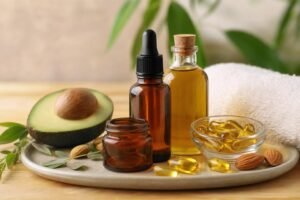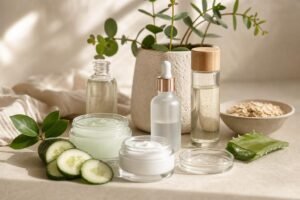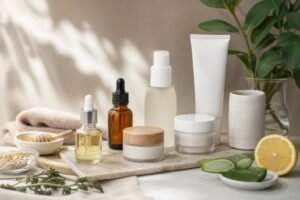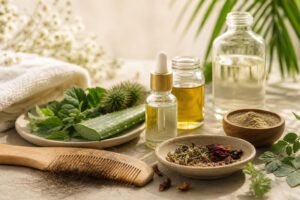
Discover effective herbal remedies for acne naturally at home. Learn about tea tree oil, aloe vera, green tea, and more to calm breakouts and improve skin...
Herbal remedies can help treat acne by reducing inflammation, killing bacteria, and soothing skin without harsh chemicals. Key ingredients like tea tree oil, aloe vera, green tea, and neem offer natural relief. Always patch test first to avoid irritation, and combine these remedies with a consistent skincare routine for best results.
Understanding Acne and How Herbal Remedies Help
Acne occurs when hair follicles become clogged with oil, dead skin cells, and bacteria. While conventional treatments exist, many people turn to herbal remedies for a gentler approach. Herbal ingredients often contain anti-inflammatory, antimicrobial, and antioxidant properties that target the root causes of acne. For example, tea tree oil’s antibacterial action fights Cutibacterium acnes, while aloe vera’s cooling effect reduces redness and swelling. Green tea is rich in polyphenols that lower sebum production. Neem has been used in South Asian skincare for centuries due to its purifying qualities. In Pakistan’s climate, where heat and humidity can worsen breakouts, these remedies are especially valuable. Incorporating herbs like turmeric and licorice can also help fade post-acne marks, promoting a more even skin tone. However, it’s important to understand that natural doesn’t mean risk-free; some herbs can cause allergic reactions. Always dilute essential oils and avoid over-using potent ingredients. The key is to choose remedies suited to your skin type and severity of acne. For mild to moderate breakouts, herbal treatments can be highly effective when used consistently.
When selecting herbal remedies, consider their mechanisms: some work by reducing inflammation (like chamomile), others by killing bacteria (like tea tree), and some by regulating oil (like green tea). Combining multiple herbs in a routine can address different aspects of acne. For instance, a toner made from diluted apple cider vinegar and green tea can balance pH and soothe skin. A mask with neem powder and yogurt can draw out impurities while moisturizing. In Pakistan, traditional ingredients like besan (gram flour) are also popular. You can read more about that in our related post on Gram Flour (Besan) for Skin: Traditional Pakistani Beauty Secrets. Remember, patience is crucial; herbal remedies often take longer to show results than chemical treatments. Over-the-counter products may provide faster relief, but herbs offer a holistic approach with fewer side effects. Always choose high-quality, organic herbs when possible to avoid pesticides that can irritate skin.
Herbal remedies also support overall skin health beyond acne treatment. Ingredients like aloe vera and honey provide hydration and promote healing. This is especially beneficial for those with sensitive or acne-prone skin that reacts poorly to harsh chemicals. In Pakistan’s varying seasons, from dry winters to humid summers, herbal routines can be adapted easily. For example, using a heavier moisturizer with neem oil in winter and a lighter green tea toner in summer. The adaptability of herbal remedies makes them a sustainable choice for long-term skincare. Remember to introduce one new herb at a time to monitor your skin’s response. If irritation occurs, discontinue use. For chronic or severe acne, consult a dermatologist. But for many, herbal remedies are a gentle first line of defense.
Step-by-Step Herbal Acne Treatment Routine
Creating a consistent routine is key to seeing improvement. Start with cleansing: use a gentle herbal cleanser. You can make one by mixing besan with rose water and a pinch of turmeric. Apply to damp skin, massage gently, and rinse. This removes excess oil without stripping the skin. Alternatively, use a product like Moroccan Nila Soap, which contains natural ingredients known for purifying skin. Next, apply a toner: steep green tea leaves in hot water, cool, and use as a spritz. Green tea’s antioxidants reduce inflammation. For spot treatment, dab diluted tea tree oil (2-3 drops in a carrier oil like jojoba) directly on blemishes using a cotton swab. Repeat morning and night. Avoid over-applying to prevent dryness.

After toning, use a lightweight herbal moisturizer. Aloe vera gel is excellent for oily skin; for dry skin, mix aloe with a few drops of rosehip oil. This hydrates without clogging pores. Once or twice a week, apply a mask made from neem powder and honey. Leave on for 10-15 minutes, then rinse. This deep-cleans pores and fights bacteria. For inflamed cysts, a warm compress with chamomile tea can soothe pain. Always patch test new ingredients on your inner arm before applying to your face. This routine can be adapted for different skin types: for oily skin, use more clay-based masks; for dry skin, focus on hydrating herbs like licorice root. Consistency over weeks is essential – natural remedies work gradually. In Pakistan’s climate, adjust the routine: use lighter products in summer and richer ones in winter. Also, avoid touching your face and change pillowcases frequently to prevent bacteria buildup.
Another effective step is steaming with herbs. Boil water with dried rosemary or chamomile, lean over the bowl with a towel over your head, and steam for 5-10 minutes. This opens pores and allows herbs to penetrate. Follow with a clay mask to draw out impurities. For added benefit, use a toner made from witch hazel and lavender after steaming. This combination soothes and tightens pores. If you wear makeup, ensure you remove it thoroughly with an herbal oil cleanser before bed. Consistency is more important than intensity – a gentle daily routine beats aggressive treatments that damage the skin barrier. For best results, combine these steps with a healthy diet low in sugar and dairy, as these can trigger breakouts.
Common Mistakes to Avoid with Herbal Acne Remedies
One major mistake is using undiluted essential oils directly on skin. Tea tree, lavender, and other oils are potent and can cause burns or allergic reactions. Always dilute with a carrier oil like coconut or jojoba. Another error is over-exfoliating with herbs like walnut powder or harsh scrubs. This can damage the skin barrier and worsen acne. Instead, use gentle exfoliants like oatmeal or besan mixed with milk. Also, avoid using too many herbs at once – your skin may react negatively. Introduce one new ingredient at a time. Many people also skip moisturizer, thinking oily skin doesn’t need it. But dehydration can trigger more oil production. Use a non-comedogenic herbal moisturizer like aloe vera gel. Another pitfall is expecting instant results. Herbal remedies take time – often 4-6 weeks to show noticeable improvement. Patience and consistency are vital.
In Pakistan, some common mistakes include using home remedies like lemon juice directly on skin, which can cause photosensitivity and burns. Always dilute lemon juice with water or honey. Similarly, using baking soda as a scrub can disrupt pH balance. Stick to proven gentle herbs. Not patch testing is a frequent oversight that leads to irritation. Also, avoid using expired or low-quality herbs – they may be contaminated. Store herbs in airtight containers away from sunlight. Another mistake is mixing incompatible ingredients, like acidic lemon with alkaline soap, which can cause reactions. Research combinations before applying. Finally, don’t neglect sun protection – herbs like citrus and certain oils can increase sensitivity. Use a mineral sunscreen daily. By avoiding these errors, you can safely enjoy the benefits of herbal acne treatments.
Many people also make the mistake of over-cleansing, thinking it will reduce oil. But washing more than twice a day can strip natural oils, leading to rebound oiliness. Stick to a gentle herbal cleanser twice daily. Another error is using the same remedy for all acne types – inflammatory cystic acne may need different herbs than blackheads. For blackheads, use a clay mask with green tea; for cystic acne, apply a compress with turmeric and honey. Not adjusting for seasons is common – in humid summers, use lighter products; in dry winters, increase hydration. In Pakistan, winter dryness can cause flaking, so a richer herbal moisturizer like shea butter with neem oil may be needed. Always listen to your skin and adapt.
Key Herbal Ingredients for Acne: What to Look For
When choosing herbal remedies, look for ingredients with proven benefits. Tea tree oil is one of the most studied, with strong antibacterial properties against acne-causing bacteria. Use 5% concentration for best results. Aloe vera soothes inflammation and hydrates without clogging pores. It’s ideal for sensitive, red skin. Green tea is rich in antioxidants that reduce sebum production. Use it as a toner or mask. Neem has antiseptic properties and is common in Pakistani skincare. Turmeric contains curcumin, which reduces inflammation and brightens skin. Mix with yogurt or honey to avoid staining. Witch hazel acts as an astringent to tighten pores, but choose alcohol-free versions to avoid drying. Licorice root helps fade dark spots and soothes irritation. Chamomile calms redness and promotes healing. Rose water balances pH and provides gentle hydration.
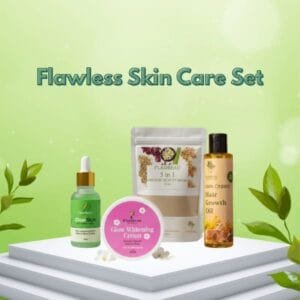
In Pakistan, many traditional herbs are easily accessible. Besan (gram flour) is a gentle exfoliant and cleanser. Sandalwood powder mixed with rose water cools inflamed skin. Mint leaves can be crushed and applied to reduce oiliness. Honey is a natural humectant and antibacterial – use raw, organic honey. Apple cider vinegar diluted with water (1:3 ratio) balances skin pH. For a comprehensive routine, consider a bundle that combines complementary ingredients. For example, the Flawless Skincare Set Bundle – All in One Bundle includes products formulated with natural extracts to target acne and improve skin clarity. When shopping, read labels to ensure no synthetic fragrances or alcohols are added. Always choose products that list the herb as a key ingredient rather than a tiny amount. Quality matters – organic herbs are less likely to contain pesticides that can irritate skin. If you have allergies, check for cross-reactivity (e.g., ragweed allergy may react to chamomile). Patch test before full use.
For those with oily skin, look for herbs like clay, neem, and tea tree. For dry skin, opt for aloe vera, honey, and rose. For combination skin, use a balancing toner with green tea. For sensitive skin, chamomile and calendula are soothing. Avoid harsh herbs like cinnamon or clove which can irritate. Also, consider the form: essential oils, powders, extracts, and gels all have different potencies. Powders are good for masks, oils for spot treatment, and extracts for toners. You can also find ready-made herbal products from trusted brands. Explore our Skin Care category for formulations that combine traditional wisdom with modern skincare. Remember, the best ingredient is one that works for your unique skin without causing adverse effects.
Herbal Remedies for Different Skin Types with Acne
Oily and Acne-Prone Skin
If your skin produces excess sebum, focus on herbs that regulate oil and tighten pores. Use a clay mask with neem and tea tree oil twice a week. A toner of green tea and witch hazel can help control shine. For daily care, cleanse with besan and rose water. Avoid heavy oils – instead, use aloe vera as a moisturizer. Steer clear of coconut oil as it can clog pores. In Pakistan’s humid weather, carry blotting papers infused with green tea to absorb oil.
Dry and Acne-Prone Skin
Dry skin with acne needs gentle hydration without irritation. Use a honey and turmeric mask to soothe and moisturize. Cleanse with milk and sandalwood powder. Apply a mixture of aloe vera and rosehip oil for moisture. Avoid alcohol-based toners. Use a humidifier in dry climates to prevent flakiness. Ingredients like licorice root and chamomile are soothing. In winter, switch to a richer moisturizer like shea butter with neem oil.
Sensitive and Acne-Prone Skin
Sensitive skin requires extra caution. Use chamomile tea as a compress to reduce redness. Cleanse with oatmeal and water. Avoid essential oils except diluted lavender or tea tree (low concentration). Always patch test for 24 hours. Aloe vera and honey are safe bets. Skip harsh scrubs – use a gentle rice flour mask. If irritation occurs, stop use. For a gentle routine, try a product from the Flawless Skincare Set Bundle which is formulated for sensitive skin.
Internal Support: Herbs and Lifestyle for Clearer Skin
Acne treatment isn’t only topical. Herbal teas like spearmint, chamomile, and green tea can help balance hormones and reduce inflammation. Spearmint tea is known to lower androgen levels, which can decrease oil production. Drink 1-2 cups daily. Turmeric milk (golden milk) with black pepper enhances absorption and fights internal inflammation. Probiotic-rich foods like yogurt support gut health, which is linked to clear skin. In Pakistan, include herbs like fenugreek seeds (soaked overnight) in your diet to aid digestion. Stay hydrated with water and herbal infusions to flush toxins. Reduce sugar and dairy, which can trigger breakouts. Stress management through yoga or meditation also helps – cortisol spikes can worsen acne. Consider supplements like zinc or omega-3s after consulting a doctor.
Incorporate these herbs into your daily routine: add a pinch of turmeric to meals, drink green tea instead of sugary drinks, and use neem leaves in bath water. Herbal remedies work best when combined with a healthy lifestyle. Avoid smoking and excessive alcohol, which dehydrate skin. Get adequate sleep – 7-8 hours – to allow skin repair. In Pakistan, use traditional spices like cumin and fennel in cooking to aid digestion. For more tips, read our blog for additional natural beauty secrets. Remember, internal and external care together yield the best results for acne-prone skin.
Frequently Asked Questions
Can herbal remedies cure severe cystic acne?
Herbal remedies can help reduce inflammation and bacteria for mild to moderate acne, but severe cystic acne often requires medical treatment. Consult a dermatologist for persistent or painful cysts.
How long does it take for herbal acne treatments to work?
Results vary, but most people see improvement within 4-6 weeks of consistent use. Be patient and stick to your routine.
Are there any side effects of using herbal remedies for acne?
Yes, some herbs can cause allergic reactions or irritation if used incorrectly. Always dilute essential oils and patch test new ingredients.
Can I use multiple herbal remedies at the same time?
It's best to introduce one new herb at a time to monitor your skin's response. Using too many at once can cause irritation or adverse reactions.
Written by Mishal Rehman, owner of Flambeauty — sharing practical, professional beauty and skincare guidance.
Updated: July 2026