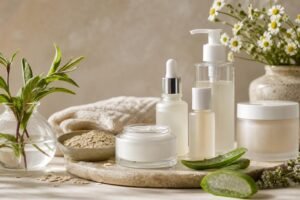
Oily, acne-prone skin? Clay masks absorb excess oil and deep-clean pores, while sheet masks hydrate and calm. Learn which to use, when, and how to avoid...
For oily, acne-prone skin, clay masks are generally the better choice because they absorb excess oil, draw out impurities, and help unclog pores. Sheet masks are better for hydration and soothing but can feel heavy or trigger breakouts if they contain pore-clogging ingredients. Use clay masks 1–2 times weekly; use sheet masks sparingly and choose oil-free, non-comedogenic formulas.
What Exactly Are Clay Masks and Sheet Masks?
Before you decide which mask belongs in your routine, it helps to understand what each one actually does. A clay mask is a thick paste made from natural clays like bentonite, kaolin, or Moroccan rhassoul. When you spread it on your face, the clay acts like a magnet for oil and debris. As the mask dries, it draws out excess sebum, dead skin cells, and dirt from deep within your pores. This makes clay masks a classic choice for oily and acne-prone skin, especially in humid or polluted environments.
A sheet mask, on the other hand, is a thin fabric or hydrogel sheet soaked in a liquid serum. You place it on your face for 10–20 minutes, and the serum infuses into your skin. Sheet masks are typically water-based and focus on hydration, soothing, and delivering ingredients like hyaluronic acid, niacinamide, or green tea extract. They don’t absorb oil the way clay does; instead, they add moisture and can temporarily plump the skin.
The key difference is in their action: clay masks are absorbent and detoxifying, while sheet masks are hydrating and calming. For oily, acne-prone skin, that distinction matters because too much oil and clogged pores are the enemy, but you also don’t want to strip your skin completely and trigger rebound oiliness.
In Pakistan’s hot and humid climate, many people with oily skin find that clay masks feel more refreshing and effective at controlling shine. However, sheet masks can still be useful after sun exposure or when your skin feels irritated from active ingredients like salicylic acid or benzoyl peroxide. The trick is knowing when to use each one.
Why Clay Masks Often Win for Oily, Acne-Prone Skin
Let’s break down why clay masks are usually the better fit for oily, acne-prone skin. First, they directly target excess oil. Ingredients like bentonite clay and kaolin clay have a negative electrical charge that attracts positively charged impurities like oil and bacteria. When you rinse the mask off, those impurities go with it. This can leave your skin feeling matte and clean without over-drying.
Second, clay masks can help with unclogging pores. If you struggle with blackheads and whiteheads, a weekly clay mask can loosen the plug of oil and dead skin inside the pore, making it easier to extract or simply wash away. Many clay masks also include ingredients like salicylic acid or sulfur, which further help exfoliate and reduce acne-causing bacteria.
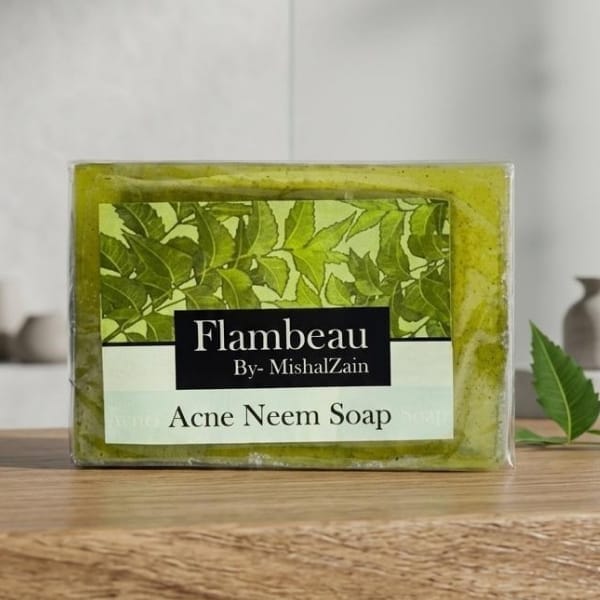
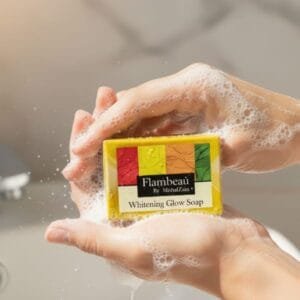
Third, clay masks are cost-effective and easy to use. A single tub of clay mask can last for months, and you only need a thin layer. In Pakistan, you can find good clay masks at various price points, from affordable local brands to international ones. For example, Acne Neem Soap for Pimples, Oil Control & Deep Skin Cleansing is a cleanser, but it pairs well with a clay mask to keep oil in check. And if you’re looking for a gentle brightening option, Whitening Glow Soap can complement your routine, though always patch test first.
However, clay masks aren’t perfect. They can be drying if overused, especially if your skin is dehydrated or you’re using strong acne treatments. That’s why it’s crucial to limit clay masks to 1–2 times per week and follow with a lightweight, oil-free moisturizer. If you have sensitive skin, look for milder clays like kaolin or rhassoul instead of bentonite.
When Sheet Masks Can Still Help Oily, Acne-Prone Skin
Sheet masks aren’t the enemy—they just serve a different purpose. If your oily skin is also dehydrated (which is common when you use acne treatments), a sheet mask can deliver a burst of hydration without heavy creams. Look for sheet masks labeled oil-free and non-comedogenic, and avoid ones with heavy oils, fragrances, or alcohol. Ingredients like hyaluronic acid, niacinamide, and centella asiatica are great for calming inflammation and supporting the skin barrier.
Sheet masks can be especially useful after a clay mask or exfoliation session, when your skin might feel tight. They can also be a quick fix before an event to plump up fine lines and give a temporary glow. But be careful: some sheet masks are soaked in thick, occlusive serums that can clog pores. If you’re acne-prone, always check the ingredient list for coconut oil, isopropyl myristate, or algae extract, which can be problematic for some people.
Another point: sheet masks are single-use, which makes them less economical and less environmentally friendly. In Pakistan, a good sheet mask can cost anywhere from PKR 200 to PKR 1,500, depending on the brand. Clay masks, by contrast, offer multiple uses for a similar price. So if you’re on a budget, clay masks give you more bang for your buck.
That said, if you find a sheet mask that works for your skin, there’s no harm in using it occasionally—just don’t rely on it as your primary oil-control treatment. For more tips on managing oily skin, check out our article on Beauty Tips for Reducing Shine on Oily Skin Throughout the Day.
How to Choose the Right Mask for Your Skin Type
Not all oily skin is the same. You might be oily but dehydrated, oily and sensitive, or oily with occasional cystic acne. Here’s a breakdown to help you pick the best mask for your specific situation.
Oily, Non-Sensitive Skin
If your skin is oily but not easily irritated, you can handle stronger clay masks with bentonite or sulfur. Use them 2 times a week to keep pores clear. You might also benefit from a clay mask with salicylic acid for extra exfoliation. Sheet masks are optional; if you use one, choose a lightweight, oil-free formula.
Oily, Dehydrated Skin
This is a common combo: your skin produces excess oil because it’s actually lacking water. In this case, clay masks can be too drying if used too often. Try a gentle kaolin clay mask once a week, and follow with a hydrating sheet mask or a hyaluronic acid serum. The goal is to balance oil and water, not strip everything away.
Oily, Sensitive Skin
If your skin turns red or stings easily, avoid bentonite clay and opt for kaolin or colloidal oatmeal masks. Sheet masks with calming ingredients like aloe vera or centella can be a better choice. Always patch test first, and keep masking to once a week.
Oily, Acne-Prone Skin with Active Breakouts
When you have active pimples, harsh clay masks can irritate them. Look for masks with sulfur or charcoal, which are more gentle on inflamed skin. Sheet masks can help soothe redness, but avoid ones with alcohol or fragrance. If you’re using prescription acne treatments, consult your dermatologist before adding new masks.
Remember, the best mask for you is the one that addresses your primary concern without causing new problems. For more skincare guidance, explore our Skin Care category.
Step-by-Step: How to Use Clay and Sheet Masks Safely
Using masks correctly is just as important as choosing the right one. Follow these steps to get the most out of your masking routine without irritating your skin.
1. Start with a clean face. Wash with a gentle cleanser to remove surface oil and dirt. If you use a medicated soap like Acne Neem Soap, that’s a good first step.
2. Always patch test first. Before applying any new mask to your whole face, test a small area on your jawline or behind your ear. Wait 24 hours to check for reactions.
3. Apply clay mask evenly. Use a clean brush or fingers to spread a thin layer, avoiding the eyes and lips. Don’t let it dry completely—remove while it’s still slightly tacky to prevent over-drying. Rinse with lukewarm water and a soft cloth.
4. Use sheet masks on damp skin. After cleansing, you can apply a sheet mask. Leave it on for 15–20 minutes, then remove and pat the remaining serum into your skin. Don’t rinse unless the instructions say so.
5. Follow with moisturizer. Even oily skin needs hydration. Use a lightweight, oil-free moisturizer to seal in moisture and prevent rebound oil.
6. Limit frequency. Clay masks: 1–2 times per week. Sheet masks: 1–2 times per week, or as needed for hydration. Over-masking can disrupt your skin barrier.
For more tips on maintaining soft hands despite frequent washing, see our guide on How to Keep Hands Soft Despite Frequent Handwashing. And for a deeper dive into skincare routines, visit our blog archive.
Common Mistakes to Avoid with Masks
Even with the right mask, certain habits can sabotage your skin. Here are the most common mistakes people with oily, acne-prone skin make.
Mistake 1: Over-masking. Using clay masks daily or leaving them on for too long can strip your skin, leading to more oil production. Stick to the recommended frequency.
Mistake 2: Using sheet masks with pore-clogging ingredients. Always read labels. Avoid masks with heavy oils, alcohol, or artificial fragrances if you’re acne-prone.
Mistake 3: Skipping moisturizer after a clay mask. Clay masks remove oil, but your skin still needs hydration. Without moisturizer, your skin may produce even more oil to compensate.
Mistake 4: Not patch testing. New products can cause allergic reactions or breakouts. Always patch test first to avoid a full-face flare-up.
Mistake 5: Using dirty tools. If you apply masks with your fingers, wash your hands first. If you use a brush, clean it regularly to prevent bacteria buildup.
Mistake 6: Ignoring your skin’s signals. If your skin feels tight, red, or irritated after masking, take a break. Your skin barrier needs time to recover.
By avoiding these mistakes, you can enjoy the benefits of masks without harming your skin. For more beauty tips, check out our blog.
What to Look for When Buying Masks
When shopping for masks, the ingredient list is your best friend. Here’s what to look for and what to avoid.
For clay masks: Look for kaolin, bentonite, or rhassoul clay. These are effective but can vary in strength. If you have sensitive skin, kaolin is gentler. Added ingredients like salicylic acid, sulfur, or tea tree oil can boost acne-fighting benefits. Avoid masks with added fragrances or drying alcohols.
For sheet masks: Choose ones labeled oil-free, non-comedogenic, and hypoallergenic. Key ingredients: hyaluronic acid, niacinamide, centella asiatica, green tea, and aloe vera. Avoid coconut oil, isopropyl myristate, and heavy silicones if you’re prone to clogged pores.
Also consider the packaging. Clay masks in tubes or jars are more hygienic if you use a spatula. Sheet masks are individually wrapped, which is convenient but generates waste.
In Pakistan, you can find quality masks at various price points. For example, a basic clay mask might cost PKR 500–1,500, while sheet masks range from PKR 200–1,000 per piece. If you’re looking for a gentle cleanser to pair with your mask, try Whitening Glow Soap for a brighter, more even complexion.
Frequently Asked Questions
Can I use a clay mask and sheet mask on the same day? It’s best to space them out. If you do use both, apply the clay mask first, rinse, then follow with a hydrating sheet mask to replenish moisture.
How often should I use a clay mask if I have oily skin? Start with once a week and adjust to twice a week if your skin tolerates it. Overuse can lead to dryness and irritation.
Are sheet masks bad for acne-prone skin? Not necessarily, but you must choose oil-free, non-comedogenic formulas. Some sheet masks can clog pores if they contain heavy oils or fragrances.
What’s the best clay mask for sensitive, oily skin? Look for kaolin clay or colloidal oatmeal masks, which are gentler than bentonite. Always patch test first.
Ultimately, the choice between clay and sheet masks depends on your skin’s needs. For oily, acne-prone skin, clay masks are the workhorse for oil control and pore clearing, while sheet masks can be a soothing treat. Use them wisely, and your skin will thank you.
Frequently Asked Questions
Can I use a clay mask and sheet mask on the same day?
It's best to space them out. If you do use both, apply the clay mask first, rinse, then follow with a hydrating sheet mask to replenish moisture.
How often should I use a clay mask if I have oily skin?
Start with once a week and adjust to twice a week if your skin tolerates it. Overuse can lead to dryness and irritation.
Are sheet masks bad for acne-prone skin?
Not necessarily, but you must choose oil-free, non-comedogenic formulas. Some sheet masks can clog pores if they contain heavy oils or fragrances.
What's the best clay mask for sensitive, oily skin?
Look for kaolin clay or colloidal oatmeal masks, which are gentler than bentonite. Always patch test first.
Written by Mishal Rehman, owner of Flambeauty — sharing practical, professional beauty and skincare guidance.
Updated: September 2026