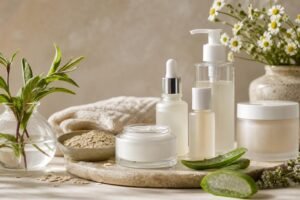
Discover how herbal hair oils traditionally help prevent premature hair fall. Learn which herbs work, how to use them, and tips for healthier, stronger hair.
Herbal hair oils traditionally help prevent premature hair fall by nourishing the scalp, strengthening hair roots, and improving blood circulation. Ingredients like amla, brahmi, and rosemary reduce inflammation and support healthier hair growth, making them a time-tested remedy for early hair loss.
Why Premature Hair Fall Happens and How Herbal Oils Help
Premature hair fall is a common concern, especially in Pakistan where environmental factors, stress, and nutritional gaps often contribute. It can start as early as the late teens or early twenties, and while genetics play a role, lifestyle and scalp health are major players. Herbal oils address the root causes by delivering essential nutrients directly to the hair follicles, improving blood flow, and balancing the scalp’s natural oils.
One of the primary reasons for early hair loss is poor scalp circulation. When blood flow to the hair follicles is compromised, they receive fewer nutrients and oxygen, leading to weaker strands and increased shedding. Herbal oils like rosemary and peppermint stimulate circulation, essentially waking up dormant follicles and encouraging them to produce thicker, stronger hair. This isn’t just folklore; modern studies confirm that certain botanical extracts can rival conventional treatments for mild to moderate hair thinning.
Another factor is inflammation. An inflamed scalp—often caused by pollution, harsh shampoos, or infections—can choke hair follicles and trigger premature shedding. Many herbs used in traditional oils, such as neem, turmeric, and amla, have natural anti-inflammatory and antibacterial properties. They soothe the scalp, reduce redness and itching, and create a healthier environment for hair to grow. This is particularly relevant in urban areas of Pakistan where dust and smoke are daily realities.
Nutritional deficiencies also play a huge role. Iron, zinc, and vitamins D and B12 are critical for hair health, and when levels are low, hair fall accelerates. While oils can’t replace a balanced diet, they can supplement your routine with fat-soluble vitamins and antioxidants that support follicle function. For example, amla oil is rich in vitamin C and antioxidants, which help protect hair from oxidative stress and premature aging. Similarly, brahmi oil contains alkaloids that may reduce hair fall by calming the nervous system, addressing stress-induced shedding.
Finally, hormonal fluctuations—whether from PCOS, thyroid issues, or postpartum changes—can trigger early hair loss. Herbal oils don’t directly alter hormones, but they can mitigate the effects by keeping the scalp healthy and reducing the inflammation that often accompanies hormonal imbalances. When used consistently, they become a supportive ally in your overall hair care strategy.
Key Herbal Ingredients That Target Hair Fall
Not all herbs are created equal. The most effective ones for preventing premature hair fall have a combination of stimulating, nourishing, and protective properties. Here are the stars you’ll find in traditional formulations:
Amla (Indian Gooseberry): This is a powerhouse in Ayurvedic hair care. Amla is packed with vitamin C, tannins, and minerals that strengthen hair shafts and prevent breakage. It also helps maintain scalp health by fighting off free radicals. Regular use can reduce premature graying and thinning. You’ll often see amla as a base in many herbal hair oils.
Brahmi (Bacopa Monnieri): Known as a brain tonic, brahmi also works wonders for hair. It reduces stress and anxiety, which are common triggers for hair fall. By calming the mind, it indirectly supports hair growth. Additionally, brahmi oil nourishes the hair roots and improves texture, making hair less prone to snapping.
Rosemary: This Mediterranean herb has gained modern fame for its ability to stimulate hair growth. Rosemary oil improves blood circulation to the scalp and has been shown in studies to be as effective as some pharmaceutical treatments for androgenetic alopecia (pattern baldness) when used consistently. It’s a must-have for anyone serious about preventing early hair loss.
Neem: Neem is a natural antiseptic and antifungal agent. It cleanses the scalp, removing buildup and microbes that can clog follicles and cause inflammation. A healthy scalp is the foundation for strong hair, and neem ensures that foundation is clean and balanced.
Fenugreek (Methi): Rich in protein and nicotinic acid, fenugreek seeds are often soaked and made into a paste or infused into oils. They help strengthen hair from the root, reduce dandruff, and promote a healthy shine. Fenugreek is especially good for those with dry, brittle hair that breaks easily.
Hibiscus: Known as the “flower of hair,” hibiscus contains natural mucilage that conditions hair and prevents split ends. It also stimulates hair growth by increasing blood circulation. Many traditional oils include hibiscus flowers for their softening and strengthening effects.
Black Seed (Kalonji): Black seed oil is revered in South Asian and Middle Eastern medicine for its anti-inflammatory and antioxidant properties. It helps treat scalp conditions like eczema and psoriasis, which can contribute to hair loss. Its high content of thymoquinone supports overall scalp health.
Curry Leaves: Often overlooked, curry leaves are rich in beta-carotene and proteins that nourish hair follicles. They are traditionally used to prevent premature graying and stimulate new growth. Infusing curry leaves into coconut or sesame oil is a common practice in Pakistani households.
When these herbs are combined, they create a synergistic effect that addresses multiple causes of hair fall—poor circulation, inflammation, nutritional deficiency, and stress. That’s why traditional oils often contain a blend of five or more herbs rather than a single extract.
How to Use Herbal Hair Oils: Step-by-Step
Using herbal oils correctly is just as important as choosing the right one. Follow these steps to maximize benefits and avoid common pitfalls.
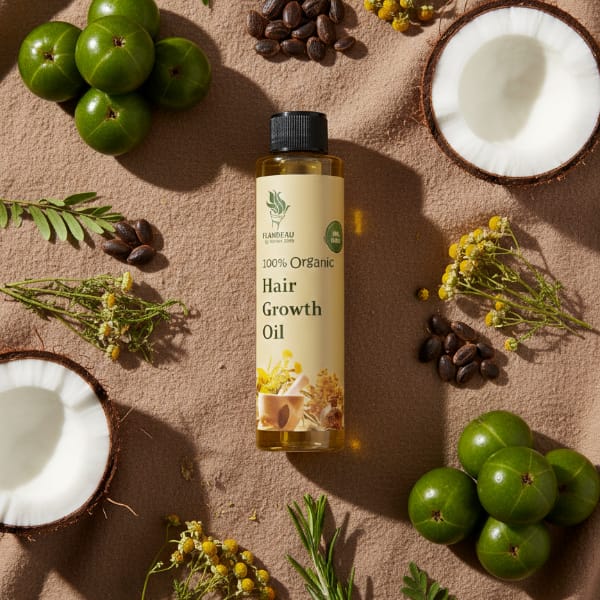
Step 1: Choose a high-quality oil. Look for oils that list herbs as the main ingredients, not just fragrance. Cold-pressed or traditionally infused oils retain more nutrients. If you’re buying online, check reviews and ingredient lists. For a trusted option, consider Hair Growth Oil – Strengthen & Nourish Hair Naturally, which blends multiple herbs to support scalp health.
Step 2: Do a patch test. Always patch test first, especially if you have sensitive skin or allergies. Apply a small amount behind your ear or on your inner forearm and wait 24 hours. If no irritation occurs, proceed.
Step 3: Warm the oil slightly. Warm oil penetrates the scalp better and feels relaxing. Place the bottle in a bowl of hot water for a few minutes—never microwave it, as high heat can destroy nutrients.
Step 4: Section your hair and apply. Use a dropper or your fingertips to apply oil directly to the scalp, parting your hair in sections. Massage gently in circular motions for 5–10 minutes. This boosts circulation and ensures even distribution. Don’t forget the ends, but focus on the scalp where it matters most.
Step 5: Leave it on for at least 30 minutes. For deeper conditioning, leave it on for 1–2 hours or overnight. Cover with a shower cap to prevent staining pillows. Overnight application is especially beneficial for dry, damaged hair.
Step 6: Wash thoroughly. Use a mild shampoo to remove all oil. You may need to shampoo twice. Follow with a conditioner on the lengths. Avoid harsh sulfates that strip natural oils.
Step 7: Repeat 2–3 times a week. Consistency is key. Herbal oils work gradually, so regular use over several months is needed to see noticeable reduction in hair fall. Pair with a healthy diet and stress management for best results.
For a complete hair care routine, explore our Hair Care category for more products that complement herbal oils. Also, check out our blog for tips on Yogurt for Skin and Hair to enhance your natural beauty regimen.
Common Mistakes to Avoid When Using Herbal Oils
Even with the best intentions, some mistakes can sabotage your efforts. Avoid these common pitfalls to get the most out of your herbal oil routine.
Mistake 1: Using too much oil. More isn’t better. Over-oiling can clog pores, attract dirt, and lead to dandruff or folliculitis. A few teaspoons are enough for the entire scalp. Start with a small amount and add more if needed.
Mistake 2: Not massaging properly. A quick smear won’t cut it. Massage is crucial for stimulating blood flow. Use your fingertips (not nails) and massage in gentle circles for at least 5 minutes. This also helps the oil absorb better.
Mistake 3: Leaving oil on too long without washing. While overnight application is fine, leaving oil on for days can lead to buildup and scalp issues. Wash it out within 24 hours. If you have dandruff, limit overnight treatments and wash after a few hours.
Mistake 4: Ignoring the type of hair you have. Not all oils suit everyone. For example, heavy oils like castor can weigh down fine hair, while lightweight oils like grapeseed are better for oily scalps. Choose based on your hair type (see next section).
Mistake 5: Expecting overnight results. Herbal oils are not magic. They take time—usually 2–3 months of consistent use—to show noticeable improvement. Be patient and consistent.
Mistake 6: Using low-quality or adulterated oils. Many commercial oils are diluted with mineral oil or synthetic fragrances. These can do more harm than good. Look for pure, herbal-infused oils from reputable brands. Reading labels is essential.
Mistake 7: Skipping a healthy diet. Oils are supplementary. A diet rich in protein, iron, and vitamins is foundational for hair health. No oil can compensate for severe nutritional deficiencies.
Mistake 8: Not addressing underlying health issues. If you have a thyroid disorder, PCOS, or other medical conditions, herbal oils alone won’t solve the problem. Consult a doctor for proper diagnosis and treatment.
Mistake 9: Overwashing or underwashing. If you oil regularly, you need to wash it out properly. But overwashing with harsh shampoos can strip natural oils. Find a balance with a gentle, sulfate-free shampoo.
By avoiding these mistakes, you’ll create a sustainable routine that actually works. Remember, consistency and patience are your best allies.
Choosing the Right Herbal Oil for Your Hair Type
Your hair type dictates which herbal oils will work best for you. Here’s a breakdown to help you choose wisely.
Fine or Oily Hair
If your hair is fine or tends to get oily quickly, heavy oils can weigh it down and make it look greasy. Opt for lightweight oils like grapeseed, jojoba, or sweet almond oil infused with herbs like rosemary and peppermint. These stimulate the scalp without leaving a heavy residue. Apply sparingly and focus on the scalp only. Wash out after 30 minutes to an hour.
Thick or Dry Hair
Thick, dry, or curly hair thrives on richer oils. Castor oil, coconut oil, and olive oil are excellent bases for herbal infusions. They provide deep moisture and seal the hair cuticle. Herbs like amla, brahmi, and hibiscus work well here. You can leave these oils on overnight for maximum conditioning.
Normal Hair
Lucky you! Normal hair can handle a variety of oils. A balanced blend like Hair Growth Oil – Strengthen & Nourish Hair Naturally is a great all-rounder. It combines multiple herbs to support scalp health without being too heavy. Use it 2–3 times a week for maintenance.
Dandruff-Prone Scalp
If you struggle with dandruff, choose oils with antifungal and antibacterial herbs like neem, tea tree, and turmeric. Avoid heavy oils that can feed Malassezia, the yeast responsible for dandruff. Light sesame or coconut oil infused with neem is ideal. Also, ensure you wash it out thoroughly to prevent buildup.
Sensitive or Reactive Scalp
Sensitive scalps need gentle care. Stick to fragrance-free, single-ingredient oils like pure jojoba or sweet almond, and patch test everything. Avoid essential oils like peppermint or eucalyptus, which can cause irritation. Herbs like chamomile and calendula are soothing alternatives.
Hair Fall Due to Stress or Hormones
For stress-induced shedding, adaptogenic herbs like brahmi, ashwagandha, and shatavari are beneficial. They help calm the nervous system and balance hormones. Oils with these herbs can be used regularly. For hormonal hair loss (e.g., PCOS), combine with medical treatment as advised by your doctor.
No matter your hair type, always introduce new oils gradually and observe how your scalp responds. What works for a friend may not work for you. Personalization is key. For more personalized tips, browse our blog archive.
Traditional Wisdom Meets Modern Science
Herbal hair oils have been used for centuries in South Asian, Middle Eastern, and Mediterranean cultures. Modern research is now validating what our grandmothers knew all along. Studies have shown that herbs like rosemary, peppermint, and amla can indeed promote hair growth and reduce shedding. For instance, a 2015 study found that rosemary oil was as effective as minoxidil (a common hair loss drug) after six months of use, with fewer side effects.
The American Academy of Dermatology acknowledges that certain natural ingredients can support hair health, though they recommend a comprehensive approach. According to the AAD’s hair and scalp care guidelines, maintaining a healthy scalp and avoiding harsh treatments are fundamental. Herbal oils fit perfectly into this framework by providing gentle, nutrient-rich care.
What makes traditional oils so effective is their holistic nature. They don’t just target one symptom; they address the entire ecosystem of the scalp. By improving circulation, reducing inflammation, providing antioxidants, and balancing oil production, they create an optimal environment for hair to thrive. This multi-pronged approach is often more sustainable than single-ingredient solutions.
Moreover, the ritual of oiling is stress-relieving. The massage, the warmth, the aroma—all contribute to a sense of well-being. Since stress is a major contributor to hair fall, this relaxation effect is an added bonus. In our fast-paced lives, taking 20 minutes to oil your hair can be a form of self-care that pays off in healthier hair.
When you choose a product like Beauty Care Deal, you’re not just buying an oil; you’re investing in a tradition that has stood the test of time. Pair it with a balanced diet, adequate sleep, and regular exercise—like the benefits discussed in our post on How Exercise and Sweating Affect Your Skin Health—for a comprehensive approach to beauty and wellness.

Remember, preventing premature hair fall is a journey, not a destination. Herbal oils are a powerful tool, but they work best when integrated into a healthy lifestyle. Be consistent, be patient, and enjoy the process. Your hair will thank you.
Frequently Asked Questions
How often should I use herbal hair oil to prevent hair fall?
For best results, use herbal hair oil 2–3 times a week. Consistency is key; it may take 2–3 months to see noticeable improvement.
Can herbal oils completely stop hair fall?
Herbal oils can significantly reduce hair fall by improving scalp health and strengthening hair, but they may not completely stop it if there are underlying medical conditions. A holistic approach is best.
Which herbal oil is best for premature hair fall?
Oils infused with rosemary, amla, brahmi, and neem are particularly effective. The best choice depends on your hair type and specific concerns.
Are there any side effects of using herbal hair oils?
Herbal oils are generally safe, but some people may experience allergic reactions. Always do a patch test first. If you have a sensitive scalp, avoid essential oils like peppermint.
Written by Mishal Rehman, owner of Flambeauty — sharing practical, professional beauty and skincare guidance.
Updated: September 2026