Discover how exercise boosts circulation and collagen, why sweat can clog pores, and the best post-workout skincare routine for glowing, healthy skin. Tips...
Regular exercise improves skin health by boosting circulation, delivering oxygen and nutrients to skin cells, and promoting collagen production, which can lead to a natural glow and firmer appearance. Sweating helps unclog pores by flushing out dirt and oils, but if left on the skin too long, it can mix with bacteria and cause breakouts. The key is to cleanse gently and moisturize after your workout to maintain a balanced, healthy skin barrier.
How Exercise Transforms Your Skin from Within
When you engage in physical activity—whether it’s a brisk walk in Gulberg, a yoga session at home, or a high-intensity interval training (HIIT) workout—your heart rate increases, and blood vessels dilate. This increased blood flow is like a natural facial massage; it delivers oxygen and essential nutrients to your skin cells while carrying away metabolic waste products. Over time, this enhanced circulation can improve skin tone and give you that sought-after “post-workout glow.” The American Academy of Dermatology notes that regular exercise can help maintain healthy skin by reducing stress, which is a known trigger for breakouts and conditions like eczema.
Beyond circulation, exercise stimulates the production of collagen, the protein responsible for keeping skin firm and elastic. As we age, collagen production naturally declines, leading to fine lines and sagging. By incorporating strength training or even moderate aerobic exercise into your routine, you encourage your body to produce more collagen, which can help delay visible signs of aging. Additionally, exercise reduces levels of cortisol, the stress hormone, which is linked to increased oil production and acne flare-ups. So, a regular workout schedule isn’t just good for your heart—it’s a powerful tool for maintaining a youthful, resilient complexion.
However, the benefits aren’t immediate or permanent. It takes consistent effort—at least 30 minutes of moderate exercise most days of the week—to see lasting improvements. And while exercise helps, it won’t reverse damage from sun exposure or poor diet. Think of it as one pillar of a holistic skincare approach, alongside a balanced diet and a consistent topical routine. For those living in Pakistan’s hot and humid climate, the cardiovascular benefits are particularly valuable because they help your body regulate temperature more efficiently, which can reduce the risk of heat-related skin issues like prickly heat.
The Sweat Factor: Friend or Foe for Your Pores?
Sweat itself is mostly water, but it also contains electrolytes, urea, and lactic acid. When you sweat, your body is essentially releasing toxins and cooling itself down. In terms of skin health, sweat can be beneficial because it helps to flush out the pores from the inside, removing dirt, oil, and dead skin cells that might otherwise lead to blackheads and whiteheads. This natural detoxification process can leave your skin looking clearer and more refined.
But there’s a catch: sweat left to dry on your skin can become a breeding ground for bacteria. When sweat evaporates, it leaves behind salt and other minerals that can irritate the skin, especially if you have sensitive skin. Moreover, if you exercise with makeup on, the combination of sweat, makeup, and oil can easily clog pores, leading to breakouts. This is particularly problematic in Pakistan’s hot weather, where you might be sweating even before you start your workout.
The key is to manage sweat effectively. Wear breathable, moisture-wicking fabrics that allow sweat to evaporate rather than sit against your skin. Avoid touching your face with sweaty hands, as this transfers bacteria. After your workout, it’s crucial to shower or at least cleanse your face within 15-20 minutes. If you can’t wash immediately, carry a gentle facial wipe or a small spray of rose water to refresh your skin. Remember, sweat is only harmful if it lingers, so making a habit of cleansing post-workout is your best defense against sweat-induced breakouts.
Your Post-Workout Skincare Routine: A Step-by-Step Guide
To maximize the benefits of exercise on your skin, you need a proper post-workout routine. Start by cleansing your face with a gentle, sulfate-free cleanser to remove sweat, oil, and any lingering dirt. Avoid harsh soaps that strip your skin’s natural oils, as this can lead to rebound oiliness. Instead, look for cleansers with ingredients like glycerin or aloe vera that hydrate while they clean. If you’re prone to breakouts, a cleanser containing salicylic acid can help unclog pores, but if you have sensitive skin, opt for a fragrance-free, hydrating formula.
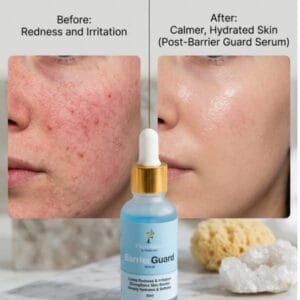
After cleansing, pat your skin dry with a clean towel—don’t rub, as friction can irritate. Then, apply a hydrating toner to rebalance your skin’s pH and prep it for the next steps. Follow with a lightweight, non-comedogenic moisturizer to lock in hydration. Sweating can cause dehydration, so replenishing moisture is essential. For an extra boost, consider using a serum with hyaluronic acid or niacinamide, which help retain moisture and calm redness. The Barrier Guard Serum 30ml | Skin Barrier Repair is an excellent option to strengthen your skin barrier after intense workouts, especially if you’re prone to irritation.
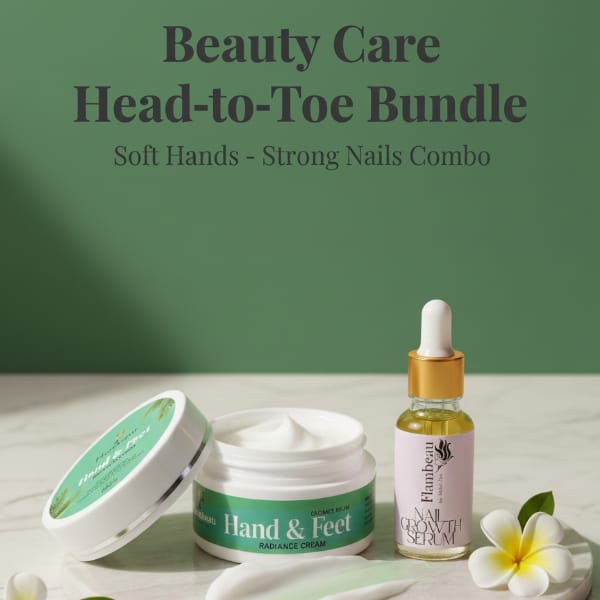
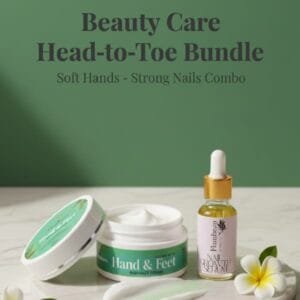
Don’t forget to reapply sunscreen if you’re heading out after your workout, as sun exposure can undo all your hard work. If you shower, use lukewarm water—hot water can strip your skin of its natural lipids. For your body, apply a moisturizer like the Beauty Care Head-to-Toe Bundle to keep your hands and feet soft, especially if you’ve been gripping weights or running. Finally, consider a post-workout snack rich in antioxidants, like berries or nuts, to support your skin from within.
Common Mistakes That Sabotage Your Skin After a Workout
One of the biggest mistakes is skipping the post-workout cleanse altogether. You might think that your sweat will just dry off, but leaving it on can mix with your skin’s natural oils and lead to clogged pores. Another common error is using a dirty towel to wipe your face. Reusing a towel that’s been hanging in a humid bathroom can harbor bacteria, which you then rub into your pores. Always use a fresh, clean towel each time, and if you’re at the gym, bring your own.
Over-exfoliating after a workout is another pitfall. You might be tempted to scrub your face to feel extra clean, but your skin is already sensitive from the increased blood flow and sweat. Exfoliating immediately after exercise can strip the skin and cause micro-tears, leading to redness and irritation. Instead, wait at least an hour before using any exfoliating acids or scrubs. Similarly, avoid using hot water to wash your face—it feels good after a workout but can dehydrate your skin and trigger oil overproduction.
Many people also forget to moisturize after cleansing, thinking that their skin is already oily from the workout. However, sweat can actually dehydrate your skin, so skipping moisturizer can leave it feeling tight and dry, prompting your oil glands to go into overdrive. Another mistake is working out with makeup on. Even if it’s just a tinted moisturizer, it can mix with sweat and clog pores. If you absolutely must wear makeup, choose non-comedogenic, sweat-resistant formulas, but ideally, wash your face before exercising.
Choosing the Right Skincare Products for Exercise-Prone Skin
When selecting skincare products for a lifestyle that includes regular exercise, look for lightweight, non-comedogenic formulas that won’t clog pores. Gel-based moisturizers are great for oily and combination skin, while cream-based ones suit dry skin. Ingredients like hyaluronic acid, glycerin, and aloe vera are excellent for hydration without heaviness. For those with acne-prone skin, products containing salicylic acid or benzoyl peroxide can help prevent breakouts, but use them sparingly to avoid irritation.
For your post-workout routine, consider a gentle cleanser with a pH between 4.5 and 5.5 to maintain your skin’s natural acid mantle. Avoid products with alcohol or fragrance, as they can be drying and irritating, especially after sweating. If you have sensitive skin, look for calming ingredients like chamomile, green tea, or centella asiatica. The Barrier Guard Serum is specifically designed to repair a compromised skin barrier, making it an excellent addition if your skin feels tight or reactive after workouts.
In Pakistan’s climate, you also need to consider the heat and humidity. Opt for water-based sunscreens that are lightweight and won’t feel greasy. For your body, use a moisturizer that’s easily absorbed and won’t leave a sticky residue. The Beauty Care Head-to-Toe Bundle includes a hand and foot repair cream and nail growth serum, perfect for areas that get extra attention during workouts. Remember, the best products are those that you’ll use consistently, so choose textures and scents you enjoy.
Skin Type Adaptations for Your Workout Skincare
Dry Skin: If your skin feels tight and flaky, focus on hydrating before and after exercise. Apply a rich moisturizer before your workout to create a protective barrier, and use a creamy cleanser afterward. Consider a facial oil with squalane or jojoba to lock in moisture.
Oily Skin: For oily skin, opt for a foaming or gel cleanser that removes excess oil without stripping. Use a lightweight, oil-free moisturizer after cleansing. You might also benefit from a clay mask once a week to draw out impurities, but avoid over-cleansing, which can trigger more oil production.
Combination Skin: Use a gentle cleanser that works for both dry and oily areas, and apply a hydrating serum only to the dry zones. A gel-cream moisturizer is a good middle ground. Always blot sweat with a clean cloth rather than rubbing.
Sensitive Skin: Choose fragrance-free, hypoallergenic products, and avoid harsh active ingredients like retinol or acids immediately after exercise. A soothing toner with rose or cucumber can calm redness. The Barrier Guard Serum is especially helpful here to restore your skin’s protective barrier.
Acne-Prone Skin: Use a cleanser with salicylic acid or benzoyl peroxide, but not both at once. After cleansing, apply a non-comedogenic moisturizer to prevent over-drying. If you sweat heavily, carry a small pack of salicylic acid wipes to use right after your workout.
For more tips on building a skincare routine that fits your lifestyle, explore our blog and our Skin Care category. You might also enjoy learning about traditional Pakistani beauty secrets like Gram Flour (Besan) for Skin, which can complement your modern routine. And if you’re dealing with dry hands from frequent washing, check out How to Keep Hands Soft Despite Frequent Handwashing.
Frequently Asked Questions
Why does my skin break out after I exercise?
Sweat mixes with oil and bacteria on your skin, which can clog pores if you don't cleanse soon after your workout. Always rinse your face within 15-20 minutes post-exercise to prevent breakouts.
Should I wash my face before or after working out?
Ideally, wash your face before working out to remove makeup and excess oil, then cleanse again afterward to remove sweat and impurities. If you're short on time, at least splash your face with water before and use a gentle cleanser after.
Can exercise make my skin look younger?
Yes, regular exercise boosts circulation and collagen production, which can improve skin elasticity and give a youthful glow. Consistency is key—aim for at least 30 minutes of moderate activity most days.
What should I apply to my skin after a workout?
Apply a gentle cleanser, then a hydrating toner, a lightweight moisturizer, and if you're going out, sunscreen. For extra barrier support, use a serum like Barrier Guard Serum to repair and protect your skin.
Written by Mishal Rehman, owner of Flambeauty — sharing practical, professional beauty and skincare guidance.
Updated: August 2026