Should oily skin use gel or cream moisturizer? Learn the key differences, benefits, and how to choose the right one for your skin type in Pakistan's climate.
For oily skin, a gel-based moisturizer is almost always the better choice because it hydrates without adding heavy oils or greasiness. Gels are lightweight, water-based, and absorb quickly, helping to balance oil production while keeping skin comfortable. Creams, on the other hand, are richer and can clog pores or feel too heavy for oily skin, though some oil-free creams can work if chosen carefully. The key is to pick a product that matches your skin’s needs and the local climate.
What Oily Skin Really Needs from a Moisturizer
Oily skin produces excess sebum, which can leave a shiny appearance and make pores look larger. Many people with oily skin skip moisturizer entirely, thinking it will make things worse. That’s a mistake. When you don’t moisturize, your skin can actually produce more oil to compensate for the lack of hydration, creating a vicious cycle. A good moisturizer helps maintain the skin’s moisture barrier, which is essential for keeping it balanced and healthy-looking.
The main goal for oily skin is hydration without heaviness. You want a product that delivers water and humectants to the skin, not oils and occlusives that sit on top. Humectants like hyaluronic acid and glycerin draw water into the skin, providing a plump, fresh feel without any greasiness. Emollients and occlusives, which are more common in creams, create a barrier that can trap oil and dirt, potentially leading to breakouts.
Another factor to consider is the climate. In Pakistan, especially in cities like Karachi, Lahore, or Islamabad, the weather is often hot and humid for much of the year. High humidity means your skin already has plenty of moisture in the air, so a heavy cream can feel suffocating. A gel moisturizer, with its light texture, works with the humidity to keep your skin comfortable without that sticky feeling.
It’s also important to think about your skincare routine as a whole. If you’re using active ingredients like salicylic acid or benzoyl peroxide to control acne, they can be drying. In that case, you still need a moisturizer, but a gel one that won’t interfere with your actives. The right moisturizer can actually enhance the effectiveness of your other products by keeping your skin healthy and less irritated.
Lastly, don’t forget that oily skin can still be dehydrated. Dehydration means lack of water, not lack of oil. You might have oily, shiny skin and still feel tight or flaky. Gel moisturizers are excellent for dehydrated oily skin because they provide that water content without adding oil. Creams, on the other hand, might not address dehydration as effectively and can sometimes worsen the oily appearance.
Gel-Based Moisturizers: The Lightweight Hydrator
Gel moisturizers are formulated with a high percentage of water, often combined with humectants like glycerin, hyaluronic acid, or aloe vera. They have a clear, jelly-like texture that feels cool and refreshing on application. When you apply a gel, it melts into the skin almost instantly, leaving no residue. This makes it a favorite for oily and combination skin types, especially during the day when you don’t want a heavy layer under makeup or sunscreen.
The primary advantage of gel moisturizers is their non-comedogenic nature. Because they lack heavy oils and butters, they are less likely to clog pores, which is a major concern for oily and acne-prone skin. Many gels are also oil-free, meaning they won’t contribute to excess shine. For anyone who has struggled with breakouts, switching to a gel can be a game-changer.
Another benefit is that gels often contain soothing ingredients like aloe vera or cucumber extract, which can calm inflammation and redness. This is particularly helpful if your oily skin is also sensitive or prone to acne. The cooling sensation also feels great in Pakistan’s warm weather, providing an instant pick-me-up.
However, gels aren’t perfect for everyone. Some gels contain alcohol to help them dry quickly, which can be drying or irritating for some skin types. Always check the ingredient list and avoid products with high amounts of denatured alcohol. Also, if you have extremely dry skin, a gel might not provide enough moisture on its own, even if you’re oily in your T-zone. In that case, you might need to layer a gel with a lighter serum or use a gel-cream hybrid.
When choosing a gel moisturizer, look for ingredients like hyaluronic acid, glycerin, niacinamide, and aloe vera. These provide hydration and additional benefits such as oil control and barrier support. Avoid gels with heavy fragrance or essential oils if your skin is sensitive. A product like the Skin Care range from Flambeauty includes options that fit this profile, though you should always patch test first.
Cream-Based Moisturizers: When They Might Work (Even for Oily Skin)
Cream moisturizers are typically richer, with a higher oil content and a thicker consistency. They are designed to provide a protective barrier and lock in moisture, making them ideal for dry or mature skin. For oily skin, creams can be a double-edged sword. On one hand, they offer intense hydration that can help repair a compromised moisture barrier. On the other, they can feel heavy, cause shine, and potentially clog pores if they contain comedogenic ingredients.
There are, however, some situations where a cream might be appropriate for oily skin. For example, if you’re using strong acne treatments that leave your skin dry and flaky, a lightweight cream can help soothe and restore balance. Similarly, in winter months when the air is dry, even oily skin can feel tight, and a cream might provide necessary comfort. But it’s crucial to choose a cream that is oil-free and non-comedogenic.
Many brands now offer “gel-creams” or “water creams” that blur the line between gel and cream. These have a lighter texture than traditional creams but are slightly more emollient than gels. They can be a good compromise for those who find pure gels too light or creams too heavy. Look for products labeled “oil-free” or “for combination skin” to ensure they won’t exacerbate oiliness.
If you decide to use a cream, apply it sparingly, focusing on the driest areas of your face, like your cheeks, while using a lighter gel on your T-zone. This is a technique called “multi-moisturizing,” and it can be very effective for combination skin. Always read the ingredient list and avoid heavy butters like shea butter or cocoa butter, and mineral oil, which can be comedogenic for some.
In Pakistan’s hot and humid climate, creams are generally less practical for daytime use. They can feel sticky and attract dust and pollution, which is not ideal for oily skin. If you do prefer a cream, reserve it for nighttime when your skin is repairing and you have time for richer products to absorb.
Choosing the Right One for Your Skin Type and Lifestyle
Your skin type is the starting point, but it’s not the only factor. Consider your environment, your routine, and your personal preferences. For example, if you live in a humid city like Karachi, a gel moisturizer is almost a must for daytime. If you’re in a drier area or spend a lot of time in air-conditioned rooms, your skin might need a bit more hydration, so a gel-cream hybrid could be ideal.
Your age also plays a role. As we age, our skin produces less oil, so you might find that your skin becomes less oily over time. In that case, you can gradually transition from a gel to a more nourishing moisturizer. Similarly, if you’re using anti-aging products that can be drying, you may need a richer formula.
Another consideration is your makeup routine. Gel moisturizers create a smooth, non-greasy base that helps makeup last longer. Creams, on the other hand, can sometimes cause makeup to slide off or look cakey if you have oily skin. If you wear heavy foundation, a gel is usually the safer bet.
It’s also worth thinking about the time of day. In the morning, you want something light that won’t interfere with your sunscreen or makeup. In the evening, you might be more willing to use a richer product if you feel you need it. Many people use a gel in the morning and a cream at night, but if your skin is genuinely oily, you might stick to gel throughout.
Finally, listen to your skin. It can change with seasons, stress, and hormones. What works in summer might not work in winter. Don’t be afraid to switch between gel and cream as needed. The goal is to keep your skin comfortable and balanced, not to follow a strict rule.
How to Apply Moisturizer for Best Results
Applying moisturizer correctly can make a big difference, especially for oily skin. Here’s a step-by-step guide that works for both gels and creams:
Step 1: Cleanse your face with a gentle, sulfate-free cleanser. This removes dirt, oil, and impurities without stripping your skin. Pat your face dry with a clean towel—don’t rub, as that can irritate the skin.
Step 2: Apply moisturizer while your skin is still slightly damp. This helps lock in extra hydration. For gels, you can take a small amount, about a pea-sized drop, and warm it between your fingertips. Press it gently onto your face, starting from the center and working outward. For creams, use a similar amount, but massage it in with upward, circular motions until fully absorbed.
Step 3: Give it a few minutes to absorb. This is especially important before applying sunscreen or makeup. Rushing to the next step can cause pilling or reduce effectiveness. For gels, absorption is usually quick, but creams may take a bit longer.
Step 4: Always patch test a new product. Even if a moisturizer is labeled for oily skin, your skin might react differently. Apply a small amount behind your ear or on your jawline for 24 hours before using it on your face. This is non-negotiable if you have sensitive or acne-prone skin.
If you’re using other skincare products like serums or treatments, apply them before your moisturizer, unless the instructions say otherwise. Moisturizers are meant to seal in everything else, so layering order matters.
Remember, more isn’t better. Using too much moisturizer can leave a sticky residue and make your skin look greasy. Start with a small amount and add more only if your skin feels tight or dry.
Common Mistakes to Avoid with Oily Skin Moisturizing
One of the biggest mistakes is skipping moisturizer altogether. As mentioned, this can backfire by causing your skin to produce more oil. Another mistake is using a moisturizer that contains heavy oils or fragrances, which can clog pores and irritate skin. Always read labels and choose non-comedogenic, fragrance-free formulas.
Another common error is applying moisturizer to dirty skin. Always cleanse first, or you’ll be trapping dirt and oil under the product, leading to breakouts. Also, avoid using too much product. A pea-sized amount for the whole face is usually enough for gel, and even less for cream if you have oily skin.
Some people also make the mistake of using a toner that is too astringent, which can strip the skin and trigger more oil production. Balance is key. If you use a toner, choose one that is alcohol-free and formulated for oily skin.
Finally, don’t forget to adjust your moisturizer with the seasons. In summer, a gel is perfect; in winter, you might need a slightly richer product. Pay attention to how your skin feels and looks, and don’t be afraid to switch it up. Your skin’s needs can change, and your routine should be flexible.
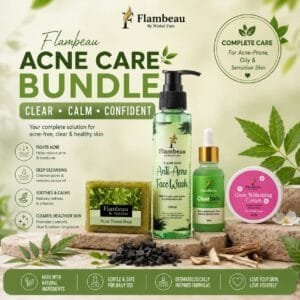
If you’re struggling with acne and oily skin, a targeted approach might help. Consider exploring the Acne Care Bundle – All in One which includes products designed to address breakouts while keeping your skin hydrated. Pair it with a gel moisturizer for best results.
Adapting Your Moisturizer Choice to Different Skin Subtypes
Not all oily skin is the same. Some people have oily skin all over, while others have combination skin (oily T-zone, dry cheeks). Here’s how to adapt your moisturizer choice:
Oily but dehydrated: If your skin feels tight or looks dull despite being oily, you need a gel moisturizer with hyaluronic acid or glycerin. These humectants will provide water without adding oil. Avoid any products with high alcohol content.
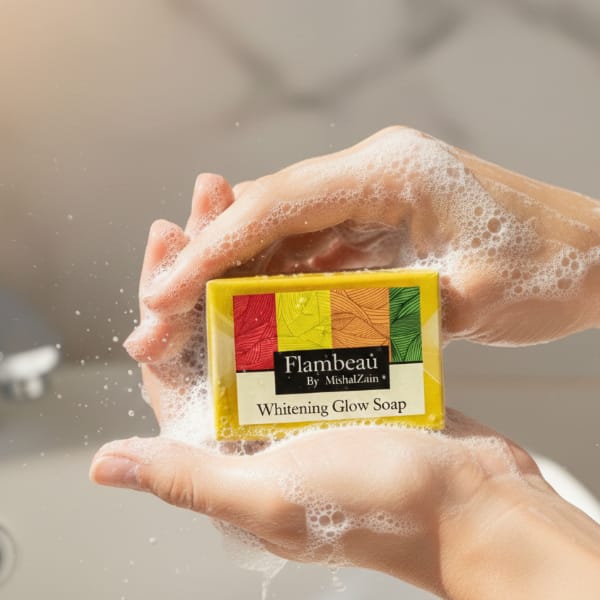
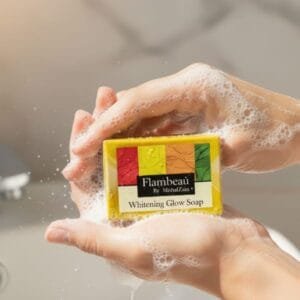
Oily and acne-prone: Look for gels that contain salicylic acid or niacinamide. These ingredients help control oil and reduce breakouts. The Whitening Glow Soap can also help with overall skin clarity, but always follow with a suitable moisturizer.
Combination skin: You might benefit from using a gel on your T-zone and a lightweight cream on your cheeks. This multi-moisturizing approach ensures each area gets what it needs without overloading the oily parts.
Sensitive oily skin: Choose a gel with soothing ingredients like aloe vera or chamomile. Avoid fragrances and essential oils. Patch test first, as sensitive skin can react unpredictably.
Mature oily skin: As you age, your skin’s oil production decreases, so you might find a gel-cream hybrid is more comfortable. Look for ingredients like peptides or antioxidants to support skin health.
For those on a budget, you don’t need to spend a fortune. Many affordable gel moisturizers are available in Pakistani pharmacies and online stores. The key is to focus on ingredients, not price tags. A simple gel with glycerin can work wonders if it’s applied correctly.
Remember, moisturizing is a crucial step in any skincare routine, even for oily skin. By choosing the right type and applying it properly, you can keep your skin balanced, healthy, and glowing. And don’t forget to check out our blog for more tips, like how exercise and sweating affect your skin or how to build a routine without overspending.
Frequently Asked Questions
Can I skip moisturizer if I have oily skin?
No, skipping moisturizer can cause your skin to produce more oil to compensate, leading to more shine and breakouts. Always use a lightweight, oil-free moisturizer like a gel.
How do I know if a moisturizer is non-comedogenic?
Look for the label 'non-comedogenic' on the packaging, which means it's formulated not to clog pores. Also check the ingredient list for heavy oils and butters, and avoid them.
Can I use a cream moisturizer at night even if I have oily skin?
Yes, if you prefer a richer texture at night, choose an oil-free, non-comedogenic cream and apply a small amount. However, a gel or gel-cream is still a safer choice for most oily skin types.
Does gel moisturizer provide enough hydration for oily skin?
Yes, gel moisturizers are often more hydrating than creams for oily skin because they contain humectants that draw water into the skin without adding oil. This helps balance oil production and keeps the skin comfortable.
Written by Mishal Rehman, owner of Flambeauty — sharing practical, professional beauty and skincare guidance.
Updated: August 2026