Learn how to treat closed comedones (tiny bumps) at home with gentle exfoliation, non-comedogenic products, and consistent routine. Clear your skin safely.
Closed comedones, also known as whiteheads, are small, flesh-colored bumps that form when pores become clogged with oil and dead skin cells. To treat them at home, focus on gentle exfoliation with salicylic acid or lactic acid, keep your skin hydrated with non-comedogenic moisturizers, and never pick or squeeze the bumps. Consistency and patience are essential, as it can take several weeks to see improvement.
What Are Closed Comedones and Why Do They Form?
Closed comedones are a type of non-inflammatory acne. Unlike blackheads, which are open at the surface, closed comedones have a tiny opening that is blocked, leaving the contents trapped beneath the skin. They often appear as small, skin-colored or slightly white bumps, commonly on the forehead, chin, and cheeks. They can feel rough to the touch, especially when you run your finger over the area.
The primary cause is a combination of excess sebum (oil) production and a buildup of dead skin cells. When these mix, they form a plug that blocks the pore. Hormonal fluctuations, stress, and certain medications can increase oil production, while dry skin can lead to more dead cells shedding and getting trapped. Additionally, using heavy or comedogenic skincare products (those that clog pores) can exacerbate the problem. Humidity and sweating can also contribute, as they can mix with oil and dead cells more easily.
It’s important to understand that closed comedones are not caused by poor hygiene. In fact, over-washing or using harsh scrubs can irritate the skin and make the bumps worse. The skin barrier is your first line of defense; when it’s compromised, it triggers more oil production and inflammation, which can turn a simple whitehead into an inflamed pimple. Therefore, a gentle, consistent approach is key.
One common misconception is that closed comedones are just “tiny pimples” that will go away on their own. While some may resolve, many persist for weeks or months if not addressed. They can also become inflamed if bacteria get inside, turning into red, painful pustules. That’s why proactive but gentle treatment is necessary.
In Pakistan’s climate, especially in humid cities like Karachi or Lahore, closed comedones can be particularly stubborn. The heat increases sweat and oil production, and the dust and pollution can settle on the skin, further clogging pores. This makes it essential to adapt your routine to the weather – using lighter gel-based moisturizers in summer and ensuring thorough but gentle cleansing.
Another factor is the use of hair products. Gels, oils, and serums that contain silicones or heavy oils can migrate onto the forehead and cause closed comedones along the hairline. Be mindful of how you apply hair products and try to keep them off your face. Similarly, always remove makeup thoroughly, as leftover foundation or sunscreen can block pores overnight.
Step-by-Step Home Treatment Routine
To treat closed comedones effectively at home, you need a structured routine that combines exfoliation, cleansing, hydration, and protection. Here’s a step-by-step guide that you can start with, but remember to always patch test new products first to avoid irritation.
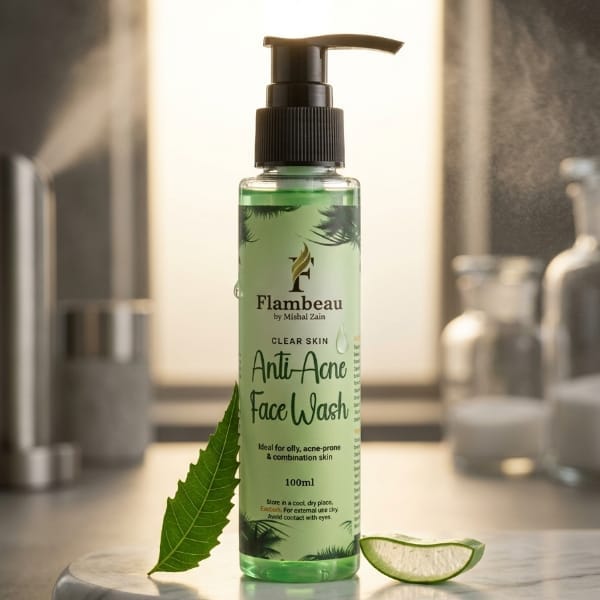
Step 1: Gentle Cleansing – Wash your face twice a day with a gentle, sulfate-free cleanser. Harsh soaps can strip your skin’s natural oils, leading to increased oil production. Look for a cleanser that contains salicylic acid or glycolic acid in low concentrations. For example, the Anti Acne Facewash for Pimples & Oil Control – Deep Cleansing Formula from Flambeauty is formulated to remove excess oil and impurities without over-drying, making it a good option for acne-prone skin. Use lukewarm water, not hot, as hot water can irritate and dry out the skin.
Step 2: Exfoliate Regularly – Exfoliation is crucial to remove the dead skin cells that contribute to clogged pores. For closed comedones, chemical exfoliants are more effective and gentler than physical scrubs. Salicylic acid (BHA) is oil-soluble, so it can penetrate into the pore to dissolve the plug. Lactic acid (AHA) is a gentle exfoliant that also helps improve skin texture. Start with a 2% salicylic acid product 2-3 times a week, and gradually increase frequency as your skin tolerates it. Avoid over-exfoliating, which can cause redness and irritation.
Step 3: Hydrate with Non-Comedogenic Moisturizer – Even oily skin needs hydration. When your skin is dehydrated, it produces more oil to compensate, which can worsen comedones. Choose a lightweight, oil-free moisturizer that contains humectants like hyaluronic acid or glycerin. Avoid heavy creams that contain petroleum, mineral oil, or lanolin, which can be comedogenic. Apply moisturizer immediately after cleansing while skin is still damp to lock in hydration.
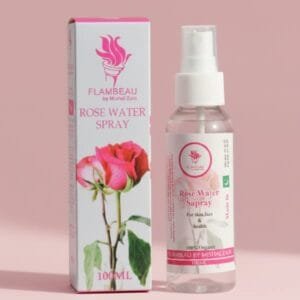
Step 4: Use a Toner to Balance – A gentle toner can help remove any residual impurities and balance your skin’s pH. Avoid toners with high alcohol content, which can be drying and irritating. Instead, look for soothing ingredients like rose water or witch hazel. You can even use a rose water spray like the Rose Water Spray 100% Organic – Refresh & Hydrate Skin to refresh your skin throughout the day, especially in Pakistan’s heat.
Step 5: Spot Treat with Care – If you have stubborn comedones, you can use a spot treatment containing benzoyl peroxide or a higher concentration of salicylic acid. Apply it only to the affected areas, not all over your face. Benzoyl peroxide can bleach fabrics, so let it dry completely before going to bed.
Step 6: Sun Protection – Many acne treatments increase sun sensitivity, so wearing a broad-spectrum SPF 30 or higher is non-negotiable. Look for a lightweight, non-comedogenic sunscreen that won’t clog pores. Apply it every morning as the last step of your skincare routine, and reapply if you’re outdoors for long periods.
This routine can take time to show results. You may notice a slight increase in breakouts in the first couple of weeks as your skin purges, but this should subside. If you see no improvement after 6-8 weeks, consider consulting a dermatologist.
Key Ingredients That Help Clear Tiny Bumps
Understanding which ingredients are effective can help you choose the right products. Here are the most beneficial ones for treating closed comedones, and how they work.
Salicylic Acid (BHA) – This is the gold standard for treating closed comedones. It’s a beta-hydroxy acid that is oil-soluble, meaning it can penetrate through the oil on your skin and exfoliate inside the pore. It helps dissolve the plug of oil and dead skin cells, unclogging the pore. It also has anti-inflammatory properties, which can reduce redness. Salicylic acid is found in many cleansers, toners, and serums. For best results, use a leave-on product (like a serum or toner) rather than a rinse-off cleanser, as it stays in contact with the skin longer.
Glycolic Acid (AHA) – An alpha-hydroxy acid that exfoliates the surface of the skin. It helps to loosen the bonds between dead skin cells, allowing them to shed more easily. This can reduce the buildup that contributes to clogged pores. Glycolic acid is particularly good for improving skin texture and tone. However, it can be irritating for sensitive skin, so start with a lower concentration (around 5-7%) and gradually increase.
Lactic Acid (AHA) – Similar to glycolic acid but larger in molecular size, so it penetrates more slowly and is gentler. It also acts as a humectant, attracting moisture to the skin, which is great for combination skin. Lactic acid can help smooth rough texture and improve skin clarity without over-drying.
Niacinamide (Vitamin B3) – This multi-tasking ingredient helps regulate oil production, reduce inflammation, and improve the skin barrier. It can help prevent pores from becoming clogged in the first place and also helps fade any post-acne marks. Niacinamide is well-tolerated by most skin types and can be used daily.
Retinoids (Vitamin A) – Over-the-counter retinoids like retinol or adapalene are powerful for treating comedones. They work by speeding up cell turnover, preventing dead skin cells from clogging pores. They also help unclog existing comedones. Retinoids can cause dryness, peeling, and irritation, especially when first starting. Begin with a low concentration and use only at night, and always wear sunscreen during the day.
Azelaic Acid – This ingredient has anti-inflammatory and antibacterial properties, and it also helps to normalize the shedding of dead skin cells. It’s particularly effective for people with sensitive skin or those who also have post-inflammatory hyperpigmentation. Azelaic acid is available in concentrations of 10% or lower over the counter.
When choosing products, look for those that are labeled “non-comedogenic” or “oil-free” to minimize the risk of new breakouts. Also, be mindful of the concentration of active ingredients – higher is not always better, especially if you have sensitive skin.
Common Mistakes to Avoid
Treating closed comedones can be tricky, and many people inadvertently make mistakes that worsen the condition. Here are the most common pitfalls and how to avoid them.
Picking or Squeezing – This is the #1 mistake. Squeezing a closed comedone can push the contents deeper into the skin, causing inflammation and potentially leading to a larger, more painful pimple. It can also cause scarring and hyperpigmentation. Resist the urge, and let your skincare do the work.
Over-Exfoliating – Using too many exfoliating products or using them too often can strip your skin’s protective barrier. This leads to irritation, redness, and increased oil production – ultimately making comedones worse. Stick to a maximum of 3 times per week for chemical exfoliants, and listen to your skin. If it feels tight or stings, you’re overdoing it.
Using Heavy, Comedogenic Products – Many moisturizers, sunscreens, and makeup products contain ingredients that can clog pores. Ingredients like cocoa butter, coconut oil, and certain silicones are notorious for causing comedones. Always check the ingredient list and opt for non-comedogenic products. If you are unsure, look for products labeled as suitable for acne-prone skin.
Skipping Moisturizer – Some people with oily skin skip moisturizer thinking it will help reduce oil. However, when your skin is dehydrated, it produces even more oil to compensate, leading to more clogged pores. Use a lightweight, oil-free moisturizer to keep your skin balanced.
Using Harsh Scrubs – Physical exfoliants like apricot scrubs or sugar scrubs can create micro-tears in the skin, leading to inflammation and worsening of comedones. They also don’t effectively remove the plug from inside the pore. Switch to chemical exfoliants for better and safer results.
Not Washing Your Face After Sweating – Sweat can mix with oil and dead cells on the skin’s surface, increasing the chance of clogged pores. If you exercise or sweat, wash your face with a gentle cleanser as soon as possible afterward.
Ignoring Your Diet – While diet isn’t a direct cause of comedones, certain foods with a high glycemic index (like white bread and sugary drinks) can spike insulin and increase oil production. Some people also react to dairy. Pay attention to your diet and see if reducing these foods helps your skin.
By avoiding these mistakes and following a consistent routine, you can effectively manage closed comedones at home.
How to Adapt Your Routine to Your Skin Type
Every skin type requires a slightly different approach when treating closed comedones. Here’s how to tailor your routine based on your skin’s needs.
Oily Skin
If you have oily skin, you may be tempted to over-dry your skin, but that’s a mistake. Use a gel-based cleanser with salicylic acid, and follow with a lightweight, oil-free moisturizer. You can use a BHA exfoliant more frequently – up to 4 times a week – but still watch for signs of irritation. Niacinamide is especially beneficial for oily skin as it helps control oil production. Avoid heavy creams and look for “mattifying” products.
Dry Skin
Dry skin still gets closed comedones, often due to a buildup of dead skin cells. Use a creamy, hydrating cleanser without sulfates. Exfoliate with lactic acid, which is gentler and also provides moisture. Apply a richer moisturizer containing ceramides or squalane to support your skin barrier. Ensure your skin is well-hydrated before applying any exfoliating products to reduce irritation.
Combination Skin
Combination skin can be tricky because you have both oily and dry areas. Use a gentle cleanser that doesn’t strip the skin. Apply a BHA product only to the T-zone (forehead, nose, chin) where you get comedones, and use a moisturizer that balances both areas – perhaps a gel-cream that absorbs quickly. You may need to adjust your routine seasonally – lighter in summer, slightly richer in winter.
Sensitive Skin
Sensitive skin needs extra care to avoid irritation. Choose a fragrance-free, gentle cleanser. For exfoliation, stick to PHA (like gluconolactone) which is very gentle and hydrating. Use a simple moisturizer with soothing ingredients like aloe vera or centella asiatica. Introduce new products one at a time and patch test before applying to your face. Avoid products with alcohol, essential oils, and artificial dyes.
Acne-Prone Skin
If you have active acne along with closed comedones, you may need a more targeted approach. Use a cleanser with benzoyl peroxide or salicylic acid. Incorporate a retinoid at night – adapalene is available OTC in many countries. Keep your routine simple to avoid irritation. Always use non-comedogenic makeup and sunscreen.
Remember, your skin type can change with the seasons, so be flexible and adjust your routine as needed. If you’re ever in doubt, consult a dermatologist.
How to Choose the Right Products for Closed Comedones
With so many products on the market, it can be overwhelming to choose. Here’s a simple guide to help you select effective products that won’t make your closed comedones worse.
Look for Key Ingredients – As mentioned, salicylic acid, glycolic acid, lactic acid, niacinamide, and retinoids are your best friends. Check the ingredient list on the product label. The active ingredient should be listed within the first few ingredients. For exfoliants, a concentration of 1-2% for BHA and 5-10% for AHA is effective for most skin types.
Check the Base – The base of the product matters too. Avoid products with a high amount of oils like coconut oil, mineral oil, or lanolin. Look for lightweight bases like water, aloe vera, or glycerin. If a product is labeled “non-comedogenic,” it’s less likely to clog pores, but this isn’t a guarantee – always patch test.
Consider Your Skin Type – Choose formulations designed for your skin type. Gel-based products are great for oily skin, while cream-based are better for dry skin. For sensitive skin, opt for fragrance-free and hypoallergenic products.
Start with a Simple Routine – When starting out, don’t introduce many active products at once. Begin with a gentle cleanser, a moisturizer, and one exfoliant. Once your skin adjusts, you can add a toner or serum. This way, if a product causes irritation, you know exactly which one it is.
Patch Test Before Use – Always apply a small amount of a new product to a small area of skin, like behind your ear or on your jawline, and wait 24-48 hours to see if there’s any reaction. This is crucial, especially if you have sensitive skin.
Be Patient and Consistent – Skincare takes time. Don’t expect overnight results. Stick with your routine for at least 4-6 weeks before assessing its effectiveness. If you don’t see improvement, you may need to adjust the concentration or frequency of use.
If you’re looking for a place to start, Flambeauty offers a range of skincare products that are formulated with gentle yet effective ingredients. You can explore their Skin Care category for options suitable for acne-prone skin. For more tips, check out their blog, where they discuss topics like managing hair fall during seasonal changes and the benefits of witch hazel as a gentle toner.
Remember, the best product is one that works for your skin without causing irritation. Take the time to understand your skin’s needs, and you’ll be able to clear those tiny bumps effectively.
Written by Mishal Rehman, owner of Flambeauty — sharing practical, professional beauty and skincare guidance.
Updated: August 2026