Discover the best overnight hair care routine for healthier hair. Learn simple steps, ingredients, and mistakes to avoid for stronger, shinier strands by...
For healthier hair, the best overnight routine involves gentle preparation, nourishing treatments, and protective styling. Start by brushing to distribute natural oils, apply a lightweight oil or leave-in conditioner to damp or dry hair, and braid or twist loosely. Use a silk scrunchie and sleep on a silk pillowcase to minimize friction. This simple routine helps lock in moisture, reduce breakage, and improve hair texture while you sleep.
Why Overnight Care Matters for Hair Health
Your hair works hard during the day—exposed to sun, pollution, styling tools, and the friction of collars and bags. Nighttime is the only long stretch when you can give it undivided attention. While you sleep, your body repairs cells, including those in the scalp and hair follicles. Supporting this natural process with a thoughtful overnight routine can make a visible difference in how your hair looks and feels.
During sleep, blood flow to the scalp increases, which helps deliver oxygen and nutrients to hair roots. However, if you go to bed with tangled hair, tight elastics, or heavy product buildup, you may undo all that good work. Friction against a cotton pillowcase can cause hair cuticles to lift, leading to frizz, split ends, and breakage. Overnight care is about reducing that friction and giving your hair a head start on moisture and repair.
Another key reason is time. Many of us don’t have 20 minutes in the morning for a deep conditioning mask. But at night, you can apply a treatment and let it sit for six to eight hours. This extended contact time allows ingredients like argan oil, shea butter, or hydrolyzed proteins to penetrate the hair shaft more deeply than a quick rinse-off mask. The result is softer, more manageable hair that looks healthier over time.
Overnight routines also help with scalp health. A well-moisturized scalp is less itchy and less prone to flakiness. Applying a few drops of a nourishing oil to your scalp before bed can soothe dryness and support a balanced microbiome. Just be careful not to overdo it—too much oil can clog pores and lead to buildup. A little goes a long way.
Consistency is what makes overnight care effective. Doing it once a week is nice, but making it a nightly habit—even just the protective styling part—creates cumulative benefits. Over weeks and months, you’ll notice less breakage, more shine, and a calmer scalp. It’s one of the most low-effort, high-reward habits you can adopt for your hair.
Finally, overnight care can save you time in the morning. Waking up with hair that’s already moisturized, detangled, and styled means less fixing and less heat styling. That means fewer damaged cuticles and less stress on your strands. It’s a win-win for your hair and your schedule.
Essential Overnight Hair Care Steps and Products
Step 1: Brush and Detangle Gently
Before anything else, gently brush your hair to remove tangles and distribute oils from your scalp to your ends. Use a wide-tooth comb or a soft-bristle brush, starting from the ends and working up. Avoid yanking or pulling, especially when your hair is dry. If your hair is prone to tangling, apply a tiny bit of leave-in conditioner or a drop of oil to your ends first to make brushing easier.
Brushing at night has a bonus: it stimulates the scalp, which can encourage blood flow and give your hair follicles a gentle wake-up call. But don’t over-brush—100 strokes is a myth. Ten to twenty gentle strokes are enough to distribute oils and smooth the cuticle.
Step 2: Apply a Nourishing Treatment
This is where you bring in the heavy-hitters. Choose an oil, serum, or leave-in cream that suits your hair type. For most people, a lightweight oil like argan, jojoba, or a blend with rosemary is perfect. Apply a few drops to your palms, rub them together, and smooth over the mid-lengths and ends. Avoid the scalp unless you have a dry scalp and are using a scalp-specific oil.
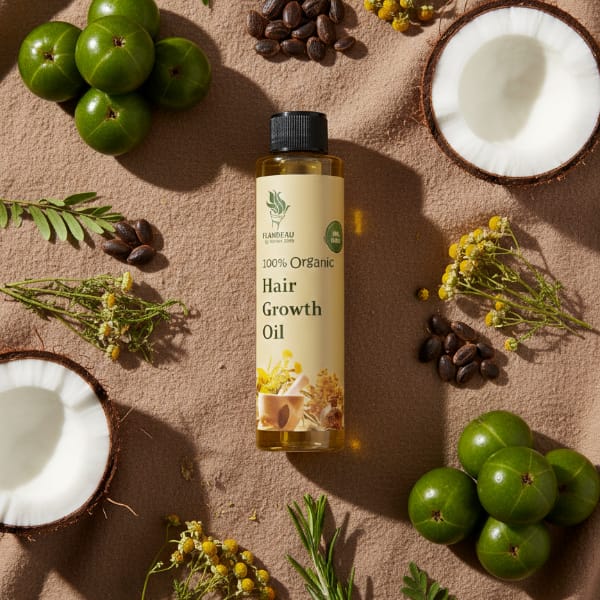
If your hair is very dry or damaged, consider a richer overnight mask. Look for ingredients like shea butter, coconut oil, or keratin. You can also use a product specifically designed for overnight use, like the Hair Growth Oil – Strengthen & Nourish Hair Naturally, which combines nourishing oils that help improve hair strength and texture without weighing it down. Massage a few drops into your scalp and ends for a calming pre-sleep ritual.

Step 3: Protect with a Silk Scrunchie or Braid
Once your treatment is applied, tie your hair up in a loose, low ponytail or braid. The key is to keep it loose so you don’t create tension on the roots. Use a soft, hair-friendly tie like a silk scrunchie. Unlike regular elastic bands, silk scrunchies don’t snag or pull, and they leave no creases. The 1 Silk Scrunchie – Gentle & Perfect for All Hair Types is a great choice—it’s gentle on all hair types and helps reduce breakage while you sleep.
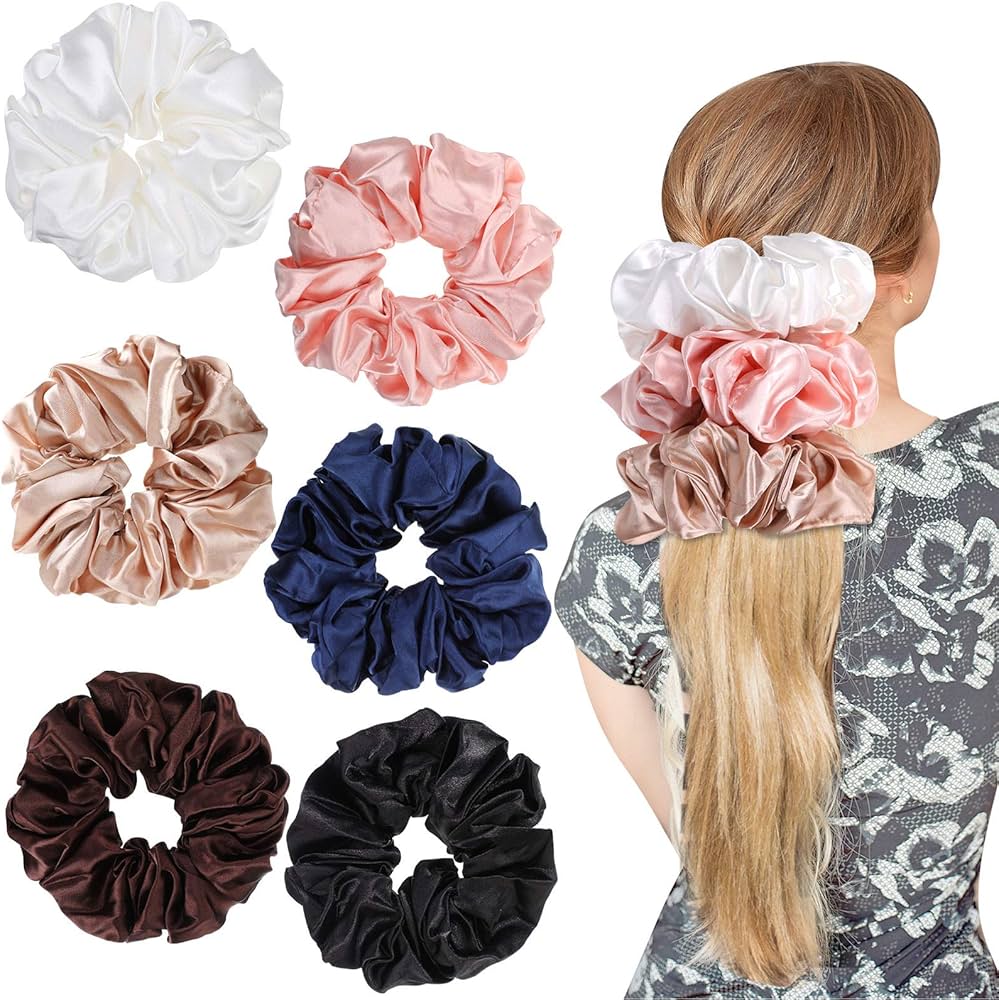
If you prefer braiding, a loose French braid or a simple three-strand braid works well. Braiding keeps your hair contained and prevents it from rubbing against your pillow. It also creates soft waves by morning, which many people love as a heatless styling bonus.
Step 4: Sleep on Silk or Satin
Your pillowcase is just as important as what you put on your hair. Cotton absorbs moisture and creates friction, which leads to frizz and breakage. Switching to a silk or satin pillowcase reduces friction and helps your hair retain moisture. If you can’t change your pillowcase, you can wrap your hair in a silk scarf or bonnet instead. This simple swap can make a huge difference in how your hair looks in the morning.
Step 5: Morning Refresh
In the morning, don’t just jump into the shower. First, take down your braid or ponytail and gently finger-comb your hair. If you applied oil overnight, you may only need to rinse with water or use a mild shampoo if your hair feels heavy. Follow with a light conditioner if needed. Then, style as usual—you’ll likely find your hair is more manageable and needs less heat.
This routine is flexible. You can do all steps every night, or mix and match. The most important parts are detangling, protecting from friction, and adding a little moisture. Even just doing the silk scrunchie and braid is better than nothing.
Best Overnight Hair Care for Different Hair Types
Fine Hair
If you have fine hair, you want to avoid heavy oils that can flatten your roots. Instead, opt for a lightweight, non-greasy serum or a spray leave-in conditioner. Apply only to the ends, not the scalp. Use a loose braid rather than a bun, and always sleep on silk to avoid static and frizz. A tiny amount of hair oil—just one or two drops—is plenty.
Thick or Coarse Hair
Thick and coarse hair can handle richer treatments. Coconut oil, shea butter, or a heavier overnight mask will help soften and tame frizz. You can apply oil more liberally, including to the mid-lengths. Consider a deep conditioning mask once a week, leaving it on overnight. Braids or a loose topknot will help maintain your style and reduce bulk.
Curly or Coily Hair
Curly and coily hair is naturally drier and more prone to breakage. Overnight, focus on sealing in moisture. Apply a leave-in conditioner or a curl cream, then seal with a light oil like jojoba or grapeseed. Use the “pineapple” method—gather your curls into a very loose ponytail on top of your head—and wrap with a silk scarf. This protects your curls and reduces shrinkage.
Dry or Damaged Hair
For dry or damaged hair, treat overnight as a mini spa session. Use a protein treatment once a week to strengthen, and a moisturizing mask the rest of the time. Apply a generous amount of oil to the ends and sleep with a shower cap or plastic wrap to create heat and enhance penetration. Always use a silk pillowcase to prevent further damage.
Oily Scalp with Dry Ends
This combination requires a targeted approach. Apply a small amount of oil to the ends only, avoiding the scalp entirely. You can also use a scalp scrub or a clarifying shampoo once a week to manage oiliness. At night, use a silk scrunchie to keep hair off your face and avoid touching your scalp with oily fingers. A dry shampoo in the morning can help absorb excess oil.
Common Overnight Hair Care Mistakes to Avoid
Even with the best intentions, some habits can backfire. One big mistake is sleeping with wet hair. Wet hair is more fragile and prone to breakage, and it can create a damp environment that encourages fungal growth on the scalp. If you must wash at night, make sure your hair is at least 80% dry before bed. Use a microfiber towel to gently squeeze out excess water and air-dry as much as possible.
Another mistake is using too much product. Slathering on oil like a salad dressing will leave your hair greasy and may clog your scalp. A few drops are usually enough. Start small and adjust based on your hair’s response. If your hair feels sticky in the morning, you’ve used too much.
Tying your hair too tightly is another common error. Tight ponytails or buns can cause tension on the hairline, leading to breakage and even traction alopecia over time. Always use loose ties and avoid styles that pull. If you braid, keep it loose, especially around the crown.
Ignoring your scalp is also a mistake. Overnight care isn’t just about the lengths—it’s about the roots. A dry, itchy scalp can lead to flaking and poor hair growth. Consider massaging a few drops of a scalp-nourishing oil onto your roots before bed, but only if your scalp is dry. If you have oily skin, skip this step.
Skipping the pillowcase upgrade is a missed opportunity. Cotton pillowcases are a major cause of overnight frizz and breakage. Investing in a silk or satin pillowcase is one of the easiest, most effective changes you can make. If you can’t, wrap your hair in a silk scarf—just make sure it’s not too tight.
Finally, not adjusting your routine seasonally. In humid Pakistani summers, you may need less oil, while in dry winters, you may need more. Listen to your hair and adapt. What works in July might not work in January.
Choosing the Right Overnight Hair Products
When picking products for overnight use, look for ingredients that are moisturizing and reparative. Natural oils like argan, jojoba, coconut, and almond are excellent for sealing in moisture. Shea butter and aloe vera soothe the scalp and add softness. Hydrolyzed proteins help strengthen the hair shaft, but don’t use protein treatments too often—overuse can make hair brittle.
Avoid products with heavy silicones, which can build up and weigh hair down. Also steer clear of alcohol-based products, which dry out the hair. If you have a sensitive scalp, choose fragrance-free or lightly scented options. Always patch test a new product on a small area of skin before using it all over your scalp.
For a budget-friendly option, the Hair Growth Oil – Strengthen & Nourish Hair Naturally is a great choice. It’s formulated with a blend of oils that help improve hair strength and texture without being greasy. You can also explore the Hair Care category for more options that suit your needs.
When it comes to scrunchies, silk is the way to go. The 1 Silk Scrunchie – Gentle & Perfect for All Hair Types is a simple, effective tool. It’s gentle on all hair types and prevents creases and breakage. If you’re on a tight budget, you can use a soft, old t-shirt strip as a tie, but silk is worth the investment.
Finally, don’t forget that your diet and hydration play a role. Overnight care works best when you’re well-nourished. Drink enough water, eat protein-rich foods, and include vitamins like biotin and iron. For more hair care tips, check out our blog for related articles like Daily Nail Care Habits for Stronger, Healthier Nails or Dandruff Relief Without a Dry, Flaky Scalp.
Remember, consistency beats intensity. A simple nightly routine done regularly will yield better results than a heavy treatment once a month. Start tonight—your hair will thank you in the morning.
Frequently Asked Questions
Is it okay to sleep with wet hair?
No, it's best to sleep with dry or at least 80% dry hair. Wet hair is more fragile and can lead to breakage and scalp issues.
How often should I do an overnight oil treatment?
It depends on your hair type. For normal hair, 1-2 times a week is enough. For very dry hair, you might do it 3-4 times a week.
Can I use coconut oil overnight if I have oily hair?
Coconut oil can be heavy for oily hair. Better to use a lighter oil like jojoba or argan, and apply only to the ends.
Written by Mishal Rehman, owner of Flambeauty — sharing practical, professional beauty and skincare guidance.
Updated: August 2026