Discover simple daily habits for stronger, healthier nails—hydration, gentle care, nutrition, and protection—plus common mistakes to avoid and product tips.
Stronger, healthier nails are built through consistent, gentle daily habits—staying hydrated, protecting your nails from harsh chemicals, eating a balanced diet, and using nourishing products like cuticle oil and nail serums. Simple routines like wearing gloves for chores and avoiding harsh filing can prevent breakage and peeling, while regular moisturizing and targeted treatments support natural nail strength. Consistency matters more than any single product, and you can start improving your nails today with small changes to your everyday routine.
What Your Nails Actually Need: Hydration, Protection, and Nutrition
Your nails are made of keratin, a protein that requires moisture, essential vitamins, and protection to stay strong. Without adequate hydration, nails become brittle and prone to splitting. Think of your nails like a sponge—when they’re dry, they lose flexibility and crack easily. Drinking enough water throughout the day is foundational, but topical hydration is equally important. Applying a rich hand cream or cuticle oil after washing your hands locks in moisture and prevents the nail plate from drying out.
Protection is another pillar. Everyday activities like washing dishes, cleaning with harsh detergents, or even typing can weaken nails over time. The chemicals in cleaning products strip natural oils, while repeated trauma from knocking your nails against hard surfaces can cause microscopic damage. Wearing gloves for household chores and being mindful of how you use your nails as tools—for opening cans or scraping stickers—can dramatically reduce breakage.
Nutrition plays a vital role too. A diet lacking in protein, biotin, iron, and zinc can lead to weak, peeling nails. Incorporate foods like eggs, lean meats, nuts, leafy greens, and whole grains. Biotin, in particular, has been shown to improve nail thickness and reduce splitting in some studies. If your diet is lacking, a supplement might help, but always consult a healthcare provider first.
Finally, your nails need a break from polish and harsh removers. Constant polishing and using acetone-based removers can dehydrate the nail plate, leaving it thin and weak. Giving your nails a few days without polish each week allows them to breathe and recover. When you do use remover, choose an acetone-free formula and moisturize immediately afterward.
Understanding these needs—hydration, protection, and nutrition—sets the stage for a daily routine that addresses each area. It’s not about complicated rituals; it’s about consistent, simple choices that support nail health from the inside out.
Your Daily Nail-Strengthening Routine: Step by Step
Building a daily routine doesn’t have to be time-consuming. Start with morning hydration: after your morning shower, apply a nourishing cuticle oil or hand cream to damp nails. This seals in moisture and sets the tone for the day. Keep a small bottle of hand cream at your desk or in your bag to reapply after handwashing—every time you wash your hands, you strip natural oils, so replenishing is key.
Midday, be mindful of how you use your hands. When typing, use your fingertips rather than your nails. When opening packages, use a tool instead of your nail. Simple awareness can prevent accidental breaks. If you work with your hands, consider wearing gloves during tasks that could cause trauma.
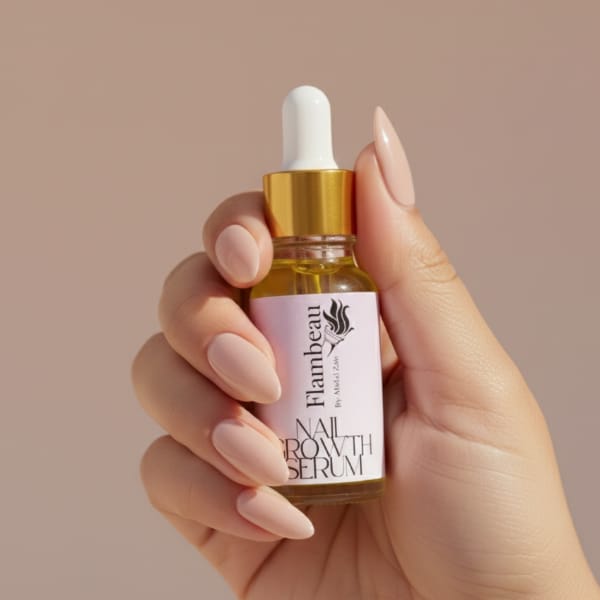
Evening is the perfect time for a more intensive treatment. Massage a rich nail and cuticle cream or a specialized Nail Growth Serum into your nails and cuticles. These serums often contain ingredients like biotin, keratin, and botanical extracts that support nail strength. Massaging improves circulation, which can promote healthier nail growth. Leave the product on overnight for maximum absorption.
Weekly, dedicate time to gentle maintenance. File your nails in one direction rather than sawing back and forth, which can cause peeling. Use a fine-grit file and shape nails in a rounded or square-oval shape, as sharp points are more prone to breaking. Push back cuticles with a soft tool, but avoid cutting them—cuticles protect the nail matrix from infection.
Also, consider a weekly strengthening treatment. Soak your nails in warm olive oil or a strengthening soak for 10 minutes. This deeply hydrates and can improve flexibility. Remember to always patch test new products first to avoid allergic reactions. Consistency is your best ally—within a few weeks, you’ll likely notice less peeling and breakage.
Common Mistakes That Sabotage Nail Strength (And How to Fix Them)
One of the biggest mistakes is using your nails as tools—opening soda cans, scraping off labels, or picking at things. This puts undue stress on the nail plate and can cause splits or breaks. Instead, keep a small multi-tool or use the tip of a pen to open things. It takes a few extra seconds but saves your nails from trauma.
Another common error is over-filing or filing incorrectly. Filing back and forth with a coarse file creates microscopic tears that lead to peeling. Always file in one direction with a fine-grit file, and avoid filing too close to the skin. Also, don’t file wet nails—they’re more flexible and prone to damage.
Skipping moisturizer is another misstep. Many people focus on nail hardeners or treatments but forget the basics. Dry cuticles lead to hangnails and can hinder healthy nail growth. Make it a habit to moisturize your hands and nails at least twice a day, especially after washing. Keep a travel-size hand cream in your bag and a pump bottle by the sink.
Using harsh nail polish removers excessively is also damaging. Acetone-based removers are extremely drying. Switch to an acetone-free remover, and if you must use acetone, limit exposure and rinse your nails afterward. Also, avoid leaving polish on for weeks—prolonged wear can stain and weaken nails. Give your nails a break between manicures.
Finally, ignoring your diet is a silent sabotager. If you’re low on iron or biotin, your nails may become weak and spoon-shaped. Incorporate more nutrient-dense foods, and if you suspect a deficiency, see a doctor. Remember, your nails reflect your overall health, so prioritize a balanced diet and proper hydration to see real improvement.
What to Look for in Nail-Strengthening Products
When choosing nail treatments, look for key ingredients known to support nail health. Biotin (vitamin B7) is a popular choice—studies suggest it can increase nail thickness and reduce splitting. Keratin, the protein that makes up nails, helps strengthen the structure when applied topically. Vitamin E is an antioxidant that nourishes cuticles and improves moisture retention. Calcium is often added to strengthen, though its topical efficacy is debated—still, many find it helpful.
Avoid products with harsh chemicals like formaldehyde, toluene, and dibutyl phthalate (DBP), which can be drying and irritating. Instead, opt for water-based, nourishing formulas. Also, check for potential allergens—if you have sensitive skin, look for fragrance-free options.
Consider the form: oils, creams, and serums each have benefits. Oils penetrate deeply and are great for cuticles, while creams are easier for all-over hand use. Serums often combine multiple active ingredients for targeted treatment. For example, a product like Nail Growth Serum may contain biotin and botanical extracts, designed to be massaged into the nail bed.
When shopping, read labels carefully and patch test a small area first. If you’re in Pakistan’s humid climate, lightweight, non-greasy formulas may be more comfortable. Also, check for cruelty-free or halal certifications if that matters to you. Remember, no product can work miracles overnight—consistent use is key. Look for products that support your routine, not replace it.
Finally, consider your budget. There are effective options in every price range. A simple combination of petroleum jelly and a balanced diet can improve nail health, but specialized serums may offer faster visible results. Choose what fits your lifestyle and stick with it.
Adapting Your Nail Care Routine to Your Lifestyle and Season
Your daily habits should flex with your environment. In Pakistan’s hot, humid summers, nails may become softer and more flexible, but sweat can lead to fungal issues if moisture gets trapped. Keep nails dry and clean, and avoid wearing tight gloves for long periods. In dry, cooler months, nails become brittle—increase moisturizing frequency and use a humidifier indoors if needed.
If you’re a busy parent or professional, time is limited. Keep a quick-repair kit: a nail file, cuticle oil pen, and hand cream in your bag. Use your commute time to massage oil into your nails. If you’re a student, stress can take a toll—practice stress-reducing activities and keep a balanced diet.
For those who love nail art, make sure to use a base coat to protect nails from staining. Take breaks between manicures to let nails recover. If you’re a swimmer or athlete, chlorine and sweat can dry nails—rinse and moisturize after swimming.
If you’re on a budget, you can still achieve strong nails with affordable options like petroleum jelly, olive oil, and over-the-counter biotin supplements. A DIY soak with warm coconut oil works wonders. For a complete nail care kit, consider the Beauty Care Deal, which offers multiple products at a value price.

Lastly, don’t ignore your cuticles—they’re your nails’ first line of defense. Gently push them back after a shower when they’re soft, and never bite them. With these adaptations, you can maintain healthy nails regardless of your lifestyle.
Conclusion: Small Daily Choices, Big Nail Payoff
Strengthening your nails isn’t about a single miracle product; it’s about the cumulative effect of daily mindful habits. From hydration and protection to nutrition and proper product use, every small choice contributes to the health of your nails. Start by implementing one or two changes—like moisturizing twice a day or wearing gloves for chores—and build from there. Consistency will lead to visible improvements in a few weeks.
Remember to listen to your body: if your nails are persistently weak or show signs of infection, consult a dermatologist. For everyday care, the American Academy of Dermatology recommends simple practices like keeping nails trimmed and moisturized. You can also explore more tips on our blog or check out our nail care category for products that support your routine. With patience and persistence, you’ll enjoy stronger, healthier nails that look and feel great.
Frequently Asked Questions
How long does it take to see results from a nail-strengthening routine?
Nails grow slowly, about 3-4 millimeters per month. With consistent daily care—hydration, protection, and nutrition—you may notice reduced breakage and peeling within 4-6 weeks, but full regrowth takes several months.
Can nail hardeners actually damage nails?
Some hardeners contain formaldehyde, which can make nails brittle and prone to splitting with overuse. Look for gentle, water-based formulas with nourishing ingredients like biotin or keratin, and use them sparingly.
What foods are best for strong nails?
Foods rich in protein, biotin, iron, and zinc are ideal: eggs, lean meats, salmon, nuts, legumes, spinach, and whole grains. A balanced diet supports keratin production and overall nail strength.
How can I stop biting my nails?
Keep nails trimmed short, apply bitter-tasting nail polish, and substitute the habit with stress-relief activities like squeezing a stress ball. Being mindful and rewarding progress also helps break the cycle.
Written by Mishal Rehman, owner of Flambeauty — sharing practical, professional beauty and skincare guidance.
Updated: August 2026