
Discover how sesame oil has been used for centuries in traditional skin and hair care. Learn its benefits, DIY recipes, and tips for incorporating it into...
Sesame oil, pressed from the tiny seeds of the Sesamum indicum plant, has been a cornerstone of traditional beauty rituals across Asia, the Middle East, and Africa for thousands of years. In Ayurveda, it’s known as “tila taila” and is prized for its warming, nourishing properties. Traditionally, it’s used for abhyanga (self-massage), as a natural moisturizer, and even as a scalp treatment to promote healthier hair. Its rich composition of fatty acids, vitamin E, and antioxidants makes it a versatile oil that supports skin barrier function and soothes dryness, while its antimicrobial properties help keep skin and scalp clean. In Pakistan, where sesame (til) is a familiar kitchen staple, this oil is now being rediscovered as a gentle, effective addition to modern skincare routines, especially for those seeking natural alternatives. Below, we explore its traditional uses, practical applications, and how to choose the right sesame oil for your needs.
What Makes Sesame Oil a Traditional Favorite?
Sesame oil’s reputation in traditional care isn’t just folklore—it’s backed by its unique composition. It contains linoleic acid, an omega-6 fatty acid that helps maintain the skin’s lipid barrier, and oleic acid, which penetrates deeply to soften and condition. Additionally, it’s rich in vitamin E, a powerful antioxidant that fights free radicals, and sesamol and sesaminol, compounds with anti-inflammatory and antimicrobial properties. These components work together to moisturize without clogging pores, making it suitable for various skin types, including oily and acne-prone skin, when used in moderation.
Historically, sesame oil was used in oil pulling—swishing oil in the mouth to improve oral hygiene—but it also played a role in skincare. In ancient Indian texts, it was recommended for pacifying vata dosha, which is linked to dryness and aging. The oil’s warming nature was believed to stimulate circulation and promote a healthy glow. In traditional Chinese medicine, sesame oil was used to treat skin conditions like eczema and psoriasis, often combined with herbs. This cross-cultural use underscores its versatility and safety.
Moreover, sesame oil is a natural source of phytosterols, which help reduce inflammation and support skin repair. This is why it’s often used in massage oils and balms for soothing irritated or chapped skin. Its ability to form a protective layer on the skin also helps lock in moisture, making it an excellent occlusive agent in dry climates like Pakistan’s winter months.
For hair, sesame oil has been used to condition the scalp and strengthen hair shafts. It’s rich in magnesium and calcium, which are essential for hair growth. Traditional practices involve warming the oil and massaging it into the scalp to improve blood flow, which nourishes hair follicles. This simple habit, done weekly, can lead to visibly softer, shinier hair over time.
Interestingly, sesame oil is also a natural sunscreen, offering SPF protection of around 4-5, though this is not enough for prolonged sun exposure. Its antioxidants help neutralize UV-induced free radicals, making it a good addition to daytime moisturizers for extra protection. However, it should not replace dedicated sunscreen.
In today’s beauty market, sesame oil is often refined, but cold-pressed, unrefined sesame oil retains the most nutrients. It’s this traditional, minimally processed version that offers the greatest benefits. When shopping, look for dark, amber-colored oil with a nutty aroma—these are signs of minimal processing.
Traditional Skin Care Uses of Sesame Oil
One of the most beloved traditional uses is abhyanga, a full-body self-massage with warm sesame oil. In Ayurveda, this practice is recommended daily, especially before bathing. The oil is warmed slightly and massaged into the skin in gentle, circular motions, which not only nourishes the skin but also calms the mind. This ritual helps improve lymphatic drainage, reduces muscle tension, and enhances skin elasticity. For those with dry skin, it’s a godsend—it deeply moisturizes and leaves a soft, supple finish.
For the face, sesame oil can be used as a cleansing oil or a moisturizer. As a cleanser, it dissolves makeup and impurities while maintaining the skin’s natural pH. To use, apply a few drops to your face, massage gently, then wipe off with a warm, damp cloth. This leaves the skin clean without stripping it. As a moisturizer, apply a thin layer to damp skin to lock in hydration. Its non-comedogenic nature means it’s unlikely to cause breakouts, making it suitable for acne-prone skin when used sparingly.
Sesame oil is also a traditional remedy for dark spots and uneven skin tone. The vitamin E and antioxidants help fade hyperpigmentation over time. A simple treatment is to mix sesame oil with a pinch of turmeric and apply to areas of concern, leaving it on for 15 minutes before rinsing. Turmeric’s curcumin complements sesame’s benefits, brightening the complexion naturally.
Another traditional use is as a carrier oil for essential oils. Because sesame oil is stable and has a long shelf life, it’s ideal for diluting essential oils like lavender or tea tree for therapeutic blends. For example, a drop of tea tree oil in sesame oil can be applied to blemishes to reduce inflammation and redness.
For dry, cracked heels, a traditional remedy is to massage sesame oil into the feet at night and cover them with socks. The oil’s emollient properties soften rough skin, and its antifungal nature helps prevent infections. This simple practice can be part of a weekly self-care routine.
In Pakistan’s hot summers, sesame oil might seem heavy, but it can be used in small amounts as a protective barrier against air conditioning’s drying effects. Many traditional recipes combine sesame oil with lighter oils like jojoba or grapeseed to create a balanced blend suitable for warmer months.
Traditional Hair Care with Sesame Oil
In traditional hair care, sesame oil is often warmed and massaged into the scalp to stimulate hair follicles and improve blood circulation. This practice, known as champi in India, is believed to prevent premature greying and hair loss. The oil penetrates the hair shaft, providing essential nutrients that strengthen the hair from within. Regular use can lead to reduced breakage and increased shine.
Sesame oil is also a popular pre-shampoo treatment. Applying it to dry hair, focusing on the ends, and leaving it for 30 minutes to an hour before washing helps moisturize and protect the hair from shampoo’s stripping effects. For deep conditioning, you can leave it overnight and wash out in the morning. This is especially beneficial for those with dry, damaged, or color-treated hair.
For a flaky scalp, sesame oil’s antimicrobial properties can help. Mix it with a few drops of tea tree oil and massage into the scalp. This combination helps soothe itching and reduce dandruff. In fact, our dandruff relief guide suggests using natural oils as part of a holistic approach.
Another traditional use is as a leave-in conditioner. A few drops of sesame oil rubbed between palms and applied to the ends of damp hair can tame frizz and add polish without weighing hair down. This works well for all hair types, though those with fine hair should use less.
For eyebrow and eyelash care, sesame oil is a gentle nourisher. Applying a small amount to brows before bed can help keep them neat and conditioned, as noted in our eyebrow maintenance tips. The oil’s vitamins support hair health, potentially reducing breakage.
In traditional South Asian households, sesame oil was often used for baby massage as well. Its mild nature and rich nutrients made it a safe choice for nourishing a baby’s delicate skin and hair. Today, it’s still a popular choice for parents seeking natural care products.
Step-by-Step: How to Use Sesame Oil in Your Routine
To incorporate sesame oil into your daily care, start with a patch test—apply a small amount to your inner arm and wait 24 hours. This is crucial to rule out any allergies. Once confirmed safe, you can use it in various ways.
For face: In the evening, warm a few drops of sesame oil in your palms and gently massage onto your face in upward circular motions. Leave it on for 10-15 minutes, then rinse with warm water or wipe off with a soft cloth. This can replace your moisturizer, especially if you have dry skin. For oily skin, use only a drop mixed with your regular moisturizer.
For body: After a shower, apply sesame oil to damp skin to lock in moisture. Focus on dry areas like elbows, knees, and feet. Massage in gentle strokes toward your heart to encourage circulation. This can be done daily or as a weekly ritual.
For hair: Once a week, warm 2-3 tablespoons of sesame oil and massage into your scalp for 5-10 minutes. Then, distribute the oil through your hair, especially the ends. Cover your hair with a warm towel and leave for at least 30 minutes. Wash with a gentle shampoo. If your scalp is oily, reduce the frequency to twice a month.
If you’re new to natural oils, you might also explore our oils and serums collection for curated blends that combine sesame with other beneficial ingredients. Many of our products, like the Glow Ritual Bundle, are designed to simplify a natural care routine.

For those dealing with acne, sesame oil can be used as a carrier for spot treatments. Mix a drop of tea tree oil with a teaspoon of sesame oil and apply to blemishes. The anti-inflammatory properties of both oils help calm redness and reduce swelling. However, always patch test first, as tea tree can be irritating to some.
Remember, consistency is key. While you might notice immediate softness, long-term benefits like improved skin tone and hair strength take 4-6 weeks of regular use. So, be patient and make it a habit.
Common Mistakes to Avoid with Sesame Oil
Using too much oil is a common mistake. Sesame oil is highly concentrated, and a little goes a long way. Over-application can leave your skin feeling greasy or clogged pores, especially on the face. Start with a few drops and adjust as needed.
Another mistake is using refined sesame oil for skincare. Refined oils are processed with heat and chemicals, stripping away beneficial nutrients. Always choose cold-pressed, unrefined oil, which retains its natural goodness. Check the label for terms like “extra virgin” or “unrefined.”
Not warming the oil is a missed opportunity. Warm oil penetrates better and feels more soothing. However, avoid overheating, as high heat can destroy its beneficial compounds. Simply warm the oil in a bowl of hot water or rub it between your palms.
Applying sesame oil to broken skin or active acne can cause irritation. While it’s generally non-comedogenic, if you have open pimples, the oil may trap bacteria. In such cases, focus on healing first, then incorporate the oil.
For hair, leaving sesame oil on for too long (like overnight) might work for some, but for others, it can lead to product buildup. If you have fine hair, limit the treatment to 30 minutes. Always wash thoroughly with a clarifying shampoo if needed.
Finally, don’t use sesame oil as a sunscreen replacement. Its SPF is minimal, and you still need a dedicated sunscreen with at least SPF 30 to protect against UV damage. Use sesame oil as a moisturizer, not as a shield.
Choosing the Right Sesame Oil for Your Skin and Hair
When selecting sesame oil, look for dark amber, unrefined oil that smells nutty. This indicates it’s cold-pressed and retains its nutrients. Avoid oils that are pale yellow and odorless, as they are likely refined. Check the origin—Indian or Middle Eastern sesame oils are often of high quality.
Packaging matters: choose a dark glass bottle to protect the oil from light, which can degrade its quality. Also, check the expiry date; sesame oil can go rancid, so buy in small quantities and store it in a cool, dark place.
If you have sensitive skin, opt for organic sesame oil to avoid pesticide residues. You can also look for blends specifically formulated for skin, like those in our oils and serums range, which often combine sesame with calming ingredients like chamomile.
For acne-prone skin, choose a sesame oil that’s classified as non-comedogenic, and always patch test. Some people find that sesame oil works well, while others might experience breakouts. It’s a personal trial.
Budget-wise, sesame oil is affordable, but if you’re investing in a high-quality cold-pressed version, it might cost a bit more. A 100ml bottle can last several months, making it cost-effective. You can also find sesame oil in many Pakistani grocery stores.
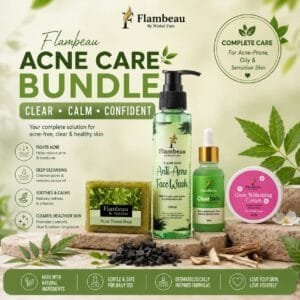
If you’re looking for a complete natural care routine, consider the Acne Care Bundle, which includes products that complement sesame oil’s benefits. Or, if you want to explore more, visit our blog for additional tips.
Adapting Sesame Oil to Different Skin and Hair Types
For Dry Skin and Hair
If your skin is dry, sesame oil is a boon. Use it as a daily moisturizer, especially after showering. For hair, a weekly overnight treatment can deeply condition dry strands. Mix a few drops of lavender oil for added soothing benefits.
For Oily Skin and Hair
Contrary to what you might think, sesame oil can help balance oily skin when used correctly. Use it as a cleanser, but make sure to rinse thoroughly. For hair, apply only to the ends, not the scalp, to avoid greasiness. A drop of sesame oil mixed with your regular moisturizer can help control sebum.
For Sensitive Skin
If your skin is sensitive, sesame oil’s anti-inflammatory properties can calm redness. Patch test first, and use it as a gentle makeup remover. For hair, a small amount on the scalp can reduce itchiness. Always choose unrefined oil to minimize irritation.
For Combination Skin
Combination skin benefits from sesame oil on dry areas like cheeks, while avoiding the T-zone. Apply it only where needed. For hair, use it as a pre-shampoo treatment, focusing on the ends, and wash thoroughly.
For Acne-Prone Skin
Use sesame oil sparingly. As a cleanser, it can remove impurities without clogging pores. For hair, it can help with a flaky scalp, but avoid leaving it on too long. Always patch test and discontinue if you notice breakouts.
For Normal Skin
If your skin is normal, incorporate sesame oil as a weekly treat. Use it for a full-body massage or as a hair mask. It will keep your skin and hair in top condition.
Frequently Asked Questions
Can sesame oil be used on the face daily?
Yes, but in moderation. For most skin types, a few drops at night can replace your moisturizer. If you have oily skin, use it sparingly or mix with your regular moisturizer.
Does sesame oil help with dandruff?
Sesame oil's antimicrobial and moisturizing properties can help soothe a dry, flaky scalp. Massage warm oil into your scalp weekly and leave for 30 minutes before washing.
Is sesame oil comedogenic (pore-clogging)?
Sesame oil is considered low on the comedogenic scale (around 2-3), so it's less likely to clog pores than many other oils. However, it's always best to patch test first, especially if you have acne-prone skin.
Written by Mishal Rehman, owner of Flambeauty — sharing practical, professional beauty and skincare guidance.
Updated: August 2026