Struggling with dry skin? We break down body lotion vs body butter—texture, hydration, climate fit, and how to choose. Find your perfect match for soft,...
For dry skin, body butter generally wins because its rich, oil-heavy formula provides a thicker, more lasting moisture barrier than body lotion’s lighter, water-based blend. However, the best choice depends on your specific dryness level, climate, and how your skin feels—many people benefit from using both at different times. This guide breaks down the differences so you can pick what truly works for you.
Understanding Your Dry Skin: Why It Needs More Than Just Moisture
Dry skin isn’t just a surface issue—it’s a sign that your skin’s natural moisture barrier is struggling to hold onto water. When that barrier is compromised, transepidermal water loss (TEWL) increases, leaving your skin feeling tight, flaky, and sometimes even itchy. This is especially common in Pakistan, where harsh sun, dry winds, and air conditioning can strip moisture from your skin year-round. Before you choose between a lotion and a butter, it helps to understand what your skin is actually asking for: not just a quick splash of hydration, but a way to lock that hydration in for hours.
Think of your skin barrier like a brick-and-mortar wall. The bricks are your skin cells, and the mortar is made of lipids—ceramides, fatty acids, and cholesterol. When that mortar is weak, water escapes easily. A good moisturizer should replenish both water and these lipids. Lotions are mostly water with a little oil, so they add water but don’t always strengthen the mortar. Butters, on the other hand, are mostly oil with a little water, so they help rebuild the protective layer. For someone with moderate to severe dryness, that lipid boost is often the missing piece.
Another factor is your skin’s natural oil production. Some people have naturally drier skin due to genetics, while others develop dryness from over-washing, hot showers, or harsh soaps. If you’re in the first group, your skin may need a heavier occlusive to prevent moisture loss. If you’re in the second, you might just need to adjust your habits and use a lighter product. Knowing your triggers helps you decide whether a lotion’s quick absorption or a butter’s deep nourishment is more important.
Finally, consider your environment. In humid months, a lotion might be enough because the air already has moisture. But in winter, or in air-conditioned rooms, the air is dry and pulls water from your skin. That’s when a butter’s thicker consistency really shines. You might even find that your skin needs different products in different seasons—that’s completely normal. The key is to listen to your skin and adjust accordingly.
So, before you buy anything, take a moment to assess your dryness level. Is it just your arms and legs after a shower, or is it all over and persistent? Do you see flaking, or does it feel tight but look fine? This will guide you toward the right texture and formula for your needs.
Body Lotion vs Body Butter: Key Differences in Texture and Ingredients
At their core, body lotions and body butters are emulsions—mixtures of oil and water—but the ratio makes all the difference. A typical body lotion is about 70-80% water and 20-30% oil. That high water content makes it lightweight, fast-absorbing, and perfect for daytime use or warmer weather. Common ingredients include humectants like glycerin or hyaluronic acid, which draw water into the skin, and light emollients like caprylic/capric triglyceride or dimethicone, which smooth the surface. Because they’re water-based, lotions feel refreshing and don’t leave a greasy residue, but they evaporate quickly and may need reapplication.
Body butters, by contrast, are usually 80-90% oil or butter and only 10-20% water—or sometimes no water at all. The main ingredients are natural butters like shea, cocoa, or mango butter, along with rich oils like coconut, jojoba, or almond. These provide intense occlusion, meaning they form a physical barrier on your skin that slows water loss. The texture is thick, creamy, and often solid at room temperature, melting on contact with your skin. This makes them incredibly nourishing and long-lasting, ideal for very dry patches like elbows, knees, and heels.
Another key difference is how they interact with your skin barrier. Lotions deliver water-soluble ingredients that hydrate the upper layers, but they don’t do much to repair lipids. Butters deliver fatty acids and sterols that mimic your skin’s own natural oils, helping to rebuild that mortar we talked about earlier. For example, shea butter contains triterpenes that have been shown to support skin barrier function. If your dryness is due to a compromised barrier, a butter is more effective at addressing the root cause.
There’s also a question of absorption and feel. Lotions sink in within minutes, leaving a soft, matte finish—perfect under clothing or before applying sunscreen. Butters take a little longer to absorb and leave a richer, more emollient feel that some people love and others find too heavy. If you hate the feeling of anything on your skin, a lotion is likely your friend. If you crave that cocooned, deeply moisturized sensation, a butter will feel like a treat.
Finally, consider the additives. Many lotions include preservatives, fragrances, and emulsifiers that can irritate sensitive skin. Butters, especially those with minimal ingredients, are often gentler. However, some butters can be comedogenic, meaning they might clog pores—though this is less of a concern on the body than the face. Always check the ingredient list and look for products that suit your skin type, whether that’s fragrance-free or non-comedogenic.
Which One Is Better for Dry Skin? A Detailed Comparison
If you have mild dryness that only appears occasionally, a body lotion might be sufficient. Lightweight lotions with humectants like glycerin and hyaluronic acid can draw moisture into the skin and prevent tightness after a shower. They’re also great if you live in a humid climate or sweat a lot, because they won’t feel sticky. For daily use, a lotion is easy to apply quickly and won’t interfere with your routine. Many people with dry skin find that a good lotion used consistently keeps flakiness at bay.
However, if your dryness is moderate to severe—think persistent flaking, rough patches, or a feeling of tightness even after applying lotion—a body butter is likely your better bet. The high oil content provides a thicker, more durable barrier that stops water loss for hours. Butters are especially effective on areas like elbows, knees, and heels, where the skin is thicker and more prone to dryness. They also create a protective layer that shields your skin from harsh weather and central heating or air conditioning.
But what about the middle ground? Many people with dry skin find they need both. You might use a lotion in the morning when you’re rushing out the door, and then apply a butter at night as a deep treatment while you sleep. This is a smart approach because it gives you the best of both worlds: quick hydration during the day and intense repair overnight. Some experts even recommend layering them—apply lotion to damp skin to lock in water, then seal it with a butter on top to prevent evaporation.
Another thing to consider is your skin’s reaction. Some people with dry skin also have sensitive skin, and thick butters can feel suffocating or cause breakouts. If that’s you, look for a lotion that contains ceramides or niacinamide, which help repair the barrier without being heavy. Conversely, if your skin is very dry and flaky, a light lotion might not be enough, and you could find yourself reapplying every few hours. In that case, a butter’s staying power is a game-changer.
Let’s also talk about climate. In Pakistan, especially in cities like Karachi or Lahore, the humidity in summer can make butters feel greasy and uncomfortable. A lotion is more practical then. But in the dry winter months, or in air-conditioned offices and homes, your skin loses moisture rapidly, and a butter becomes your best friend. So, the “better” option really depends on the season and your environment.
Ultimately, there’s no one-size-fits-all answer. It’s about finding what makes your skin feel comfortable and healthy. If you’re still unsure, try a patch test on a small area—apply a lotion to one arm and a butter to the other, and see which one feels better after a few hours. Your skin will tell you what it needs.
How to Choose and Use Body Butters for Dry Skin (Step-by-Step)
If you’ve decided to give body butter a try, here’s how to get the most out of it. First, choose the right formula. Look for products that list butters like shea, cocoa, or mango as the first ingredient. Avoid those with mineral oil or heavy silicones, which sit on top of the skin without nourishing it. Also, check for added fragrances—if you have sensitive skin, opt for a fragrance-free version to avoid irritation.
When you’re ready to apply, do it on damp skin. After a shower, pat yourself dry with a towel, leaving your skin slightly moist. This helps trap water in your skin, making the butter more effective. Take a small amount of butter—remember, a little goes a long way—and warm it between your palms. This makes it easier to spread and helps it absorb faster. Then, massage it into your skin using upward circular motions, paying extra attention to rough areas like elbows, knees, and heels.
For best results, apply body butter immediately after bathing, while your pores are still open and your skin is most receptive. This locks in the moisture from the water and prevents it from evaporating. If you’re using it as a night treatment, apply a generous layer before bed and wear loose cotton clothing to avoid staining your sheets. You can also use it as a spot treatment on extra-dry patches anytime during the day.
One common mistake is using too much. Because butters are so rich, a pea-sized amount is often enough for a whole leg. Using too much can leave a greasy film that feels uncomfortable and may even clog pores. Start with a small amount and add more if needed. Another mistake is applying butter to dry, already-flaky skin—it won’t penetrate as well. That’s why the damp-skin trick is so important.
If you find body butter too heavy for daytime, consider using it only at night and switching to a lighter lotion in the morning. This way, you get the deep moisture without feeling greasy during the day. You can also mix a small amount of butter with your regular lotion to lighten it up while still getting the benefits. Many people find this hybrid approach works perfectly for their skin.
Common Mistakes to Avoid When Moisturizing Dry Skin
One of the biggest mistakes people with dry skin make is skipping moisturizer entirely or applying it at the wrong time. To get the most benefit, you should apply your moisturizer within three minutes of stepping out of the shower. This is when your skin is still damp and most receptive to hydration. If you wait until your skin is completely dry, you’re just sealing in—not adding—moisture.
Another error is using the wrong product for your climate. In humid weather, a heavy butter can feel suffocating and may even cause heat rash or clogged pores. In dry winter air, a light lotion may evaporate quickly, leaving you feeling tight again. Being flexible with your products based on the season is key. Don’t be afraid to switch between a lotion and a butter as the weather changes.
Many people also overlook the importance of exfoliation. Dead skin cells can build up on the surface, making it harder for moisturizers to penetrate. Gentle exfoliation once or twice a week can make a huge difference. But be careful—over-exfoliating can worsen dryness. Use a mild scrub or a chemical exfoliant like lactic acid, and always follow with a rich moisturizer.
Another common mistake is using hot water in the shower. Hot water strips your skin of its natural oils, leaving it even drier. Instead, opt for lukewarm water and keep your shower short—under 10 minutes if possible. Also, avoid harsh soaps that contain sulfates or alcohol, which can be drying. Choose a gentle, fragrance-free body wash that cleanses without stripping.
Finally, don’t forget to moisturize your hands and feet, which are often the driest parts of the body. Your hands are constantly exposed to water and harsh cleansers, so they need extra care. Keep a small tube of lotion or butter at your desk or in your bag for quick touch-ups. Your feet, especially your heels, can benefit from a thick butter applied before bed and covered with socks overnight.
Choosing the Right Product for Your Skin Type and Lifestyle
When it comes to choosing between a lotion and a butter, your skin type and lifestyle are the biggest deciding factors. For those with oily or combination skin, even on the body, a body lotion is usually the safer choice. Look for oil-free, non-comedogenic formulas that hydrate without clogging pores. For dry or very dry skin, a body butter is your best friend, especially in winter. The rich, occlusive nature of butters provides the deep nourishment you need.
If you have sensitive skin, you’ll want to be extra careful. Fragrances and essential oils can trigger reactions, so opt for fragrance-free products with minimal ingredients. Butters like shea and cocoa are generally well-tolerated, but always do a patch test first. For acne-prone skin on the body, such as on the back or chest, lighter lotions are better to avoid clogging pores. Look for products labeled “non-comedogenic” to be safe.
Your lifestyle matters too. If you’re always on the go, a quick-absorbing lotion is more convenient. If you have time to pamper yourself at night, a butter can be a luxurious ritual. Athletes or people who sweat a lot may prefer lotions that don’t leave a greasy residue. Those with very dry skin due to conditions like eczema may need the extra barrier that butters provide.
In Pakistan, where the climate varies dramatically between summer and winter, it’s smart to have both a lotion and a butter in your routine. During humid months, reach for a lightweight lotion. In the dry winter months, or if you spend a lot of time in air-conditioned spaces, switch to a butter. This way, you’re always giving your skin what it needs.
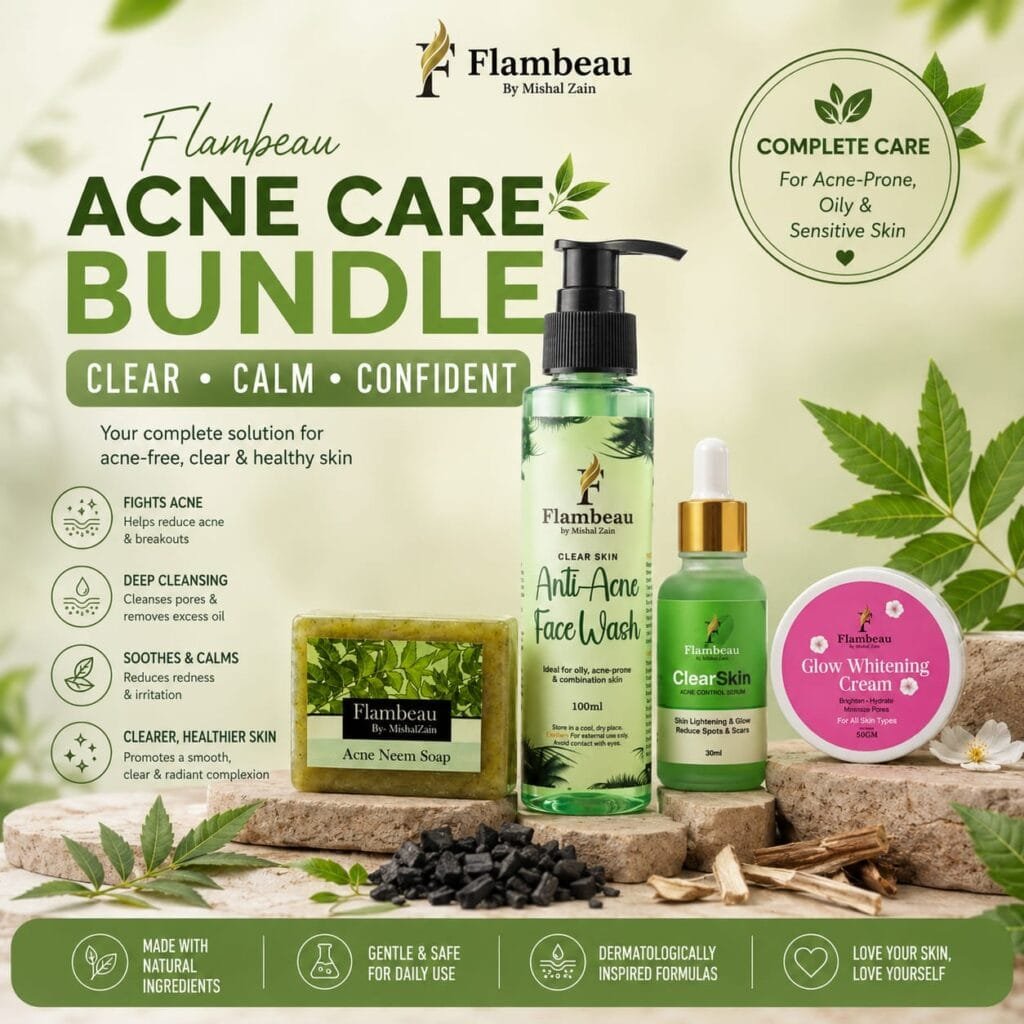
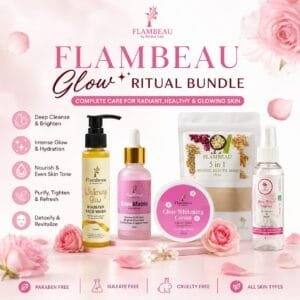
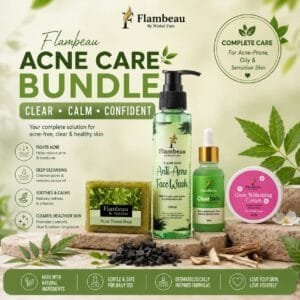
If you’re looking for a comprehensive skincare routine, consider exploring the Glow Ritual Bundle from Flambeauty, which includes a range of products designed to nourish and brighten your skin. While it’s primarily for the face, the principles of layering hydration apply to the body too. And for those dealing with body acne, the Acne Care Bundle might be helpful—though remember, body acne requires its own gentle care.
Practical Tips for Maximizing Hydration
Here are some extra tips to get the most out of your body moisturizer, whether you choose a lotion or a butter. First, always apply to damp skin. As mentioned, this helps lock in water. Second, use gentle, upward strokes to massage the product in—this also promotes circulation and lymphatic drainage. Third, don’t forget often-neglected areas like your back, shoulders, and the backs of your hands.
Another tip is to layer your products. If you use a body oil, apply it before your moisturizer. Oils are occlusive, so they seal in whatever is underneath. Or, you can mix a few drops of body oil into your lotion or butter for an extra boost. This is especially helpful in winter when your skin needs all the help it can get.
Consider your shower routine as well. Use lukewarm water, and avoid harsh soaps. After washing, gently pat your skin dry with a towel—don’t rub, as this can irritate dry skin. Then, immediately apply your moisturizer. If you’re using a body butter, take a small amount and warm it in your hands before applying. This helps it melt and spread more easily.
If you have very dry patches, like on your elbows or heels, apply a thick layer of butter and cover with a bandage or wear socks overnight. This is a simple, effective treatment that many people swear by. In the morning, your skin will feel noticeably softer.
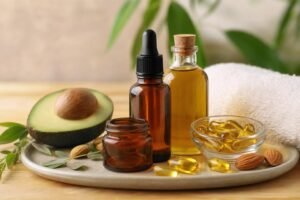
Finally, remember that hydration also comes from within. Drink plenty of water throughout the day, and eat foods rich in healthy fats, like avocados and nuts, which support skin health. Your skin is a reflection of your overall health, so a balanced diet and good hydration habits will show up in your skin’s appearance.
If you’re unsure about the order of your skincare products, check out our post on Serum or Moisturizer First? The Correct Skincare Order. And if you suspect your skin barrier is damaged, read about the 7 Signs & How to Repair It Fast. These resources can help you build a better routine for your skin.
Budget-Friendly Options and Local Favorites in Pakistan
In Pakistan, you can find excellent body lotions and butters at various price points. Local brands like Flambeauty offer quality products that are affordable and accessible. For example, their Glow Ritual Bundle is designed to give you a radiant complexion from head to toe, and it’s a great value for the price. If you’re looking for something specifically for body care, you might find that a basic drugstore lotion works fine for daily use, while a premium butter is a treat for weekends.
If you’re on a tight budget, you can still get great results with simple ingredients. For example, pure shea butter or cocoa butter can be bought in bulk and used as a body butter. They’re often cheaper than commercial products and free from additives. You can even make your own by whipping shea butter with a little coconut oil and a few drops of your favorite essential oil (if you like fragrance).
When shopping, look for sales or bundle deals. Many brands offer value packs that include both a lotion and a butter, so you can try both without spending too much. Also, don’t overlook local beauty stores and online marketplaces—they often have competitive prices and offer discounts on popular brands.
One thing to keep in mind is that you don’t need to use a lot of product. A high-quality butter might seem expensive, but because you use so little, it can last for months. In the long run, it can be more cost-effective than a cheap lotion that you have to reapply several times a day.
Ultimately, the choice between lotion and butter comes down to your skin’s needs and your personal preferences. Both have their place in a good skincare routine. By understanding the differences and following the tips above, you can keep your skin feeling soft, smooth, and hydrated all year round.
Frequently Asked Questions
Can I use body butter on my face if I have dry skin?
It's generally not recommended because body butters are thicker and can clog facial pores. However, if you have extremely dry skin, you can use a tiny amount on dry patches, but it's better to use a facial moisturizer formulated for your face.
How often should I apply body butter for dry skin?
You can apply body butter once or twice daily, especially after showering when your skin is still damp. For very dry areas, you can reapply as needed, but be careful not to overdo it to avoid greasiness.
Is it okay to mix body lotion and body butter?
Yes, mixing a small amount of body butter with your lotion can give you the benefits of both—lightweight hydration with a richer seal. This is a great option for those who find butter too heavy on its own.
Which is better for summer: body lotion or body butter?
In summer, body lotion is usually better because it's lighter and absorbs quickly, keeping you from feeling sticky in the heat. Body butter is better for winter or for very dry patches that need extra nourishment.
Written by Mishal Rehman, owner of Flambeauty — sharing practical, professional beauty and skincare guidance.
Updated: August 2026