Discover a practical daily routine for well-groomed hands and nails in Pakistan's climate. Learn key habits, products, and mistakes to avoid for...
Keeping your hands and nails looking well-groomed daily doesn’t require expensive salon visits or complicated routines—it’s about consistent, simple habits that protect your skin and nails from daily wear. Focus on moisturizing after every wash, gently pushing back cuticles, and using a nourishing nail product like a growth serum to support strength. With a few minutes each day, you can maintain soft hands and neat nails that look naturally polished.
Why Daily Hand and Nail Care Matters More Than You Think
Your hands are one of the most visible parts of your body—they’re used in every conversation, every handshake, and every selfie. Yet they’re also the most neglected when it comes to daily skincare. In Pakistan, where we often wash hands frequently for prayers, meals, and household chores, our hands are exposed to harsh soaps and hard water that strip away natural oils. Over time, this leads to dry, rough skin and brittle nails that peel or break easily. The skin on your hands is thinner and has fewer oil glands than your face, so it loses moisture faster and shows signs of aging and damage more quickly.
Nails, too, are constantly under stress—typing, cooking, cleaning, and even just gripping a steering wheel can cause micro-trauma that weakens the nail plate. When nails are dry, they become ridged, flaky, and prone to splitting. Cuticles, which act as a protective seal at the base of the nail, can become ragged and inflamed if they’re not gently cared for. Ignoring these daily stressors doesn’t just affect appearance; it can lead to painful hangnails and infections. That’s why a daily hand care routine is not vanity—it’s a form of self-care that keeps your hands functional and comfortable.
Moreover, your hands are a reflection of your overall health. Dry, cracked skin can be a sign of dehydration or a lack of essential fatty acids in your diet. Brittle nails might indicate a biotin deficiency or thyroid issues. By paying attention to your hands and nails daily, you can catch these signs early and adjust your diet or skincare accordingly. In a climate like Pakistan’s, where the summer heat and humidity can cause sweat and fungal issues, and winter dryness can crack skin, a routine that adapts to the seasons is essential.
Let’s also consider the psychological boost. Well-groomed hands make you feel more put-together and confident, especially in professional settings or social gatherings. It’s a subtle but powerful aspect of personal grooming that people notice subconsciously. When your hands look neat, you’re more likely to use them expressively without self-consciousness. So, investing a few minutes daily in this routine pays off in multiple ways—appearance, comfort, and confidence.
Finally, daily care prevents the need for more intensive treatments later. A small crack in the skin can become a deep fissure that’s painful and difficult to heal. A minor cuticle tear can turn into an infection requiring antibiotics. By addressing small issues every day, you avoid costly and time-consuming problems down the road. Think of your daily routine as a tiny insurance policy for your hands.
Essential Products and Ingredients for Healthy Hands and Nails
You don’t need a cabinet full of products—just a few targeted items that address hydration, nourishment, and protection. The first essential is a good hand cream or lotion. Look for ingredients like glycerin, hyaluronic acid, or ceramides that attract and lock in moisture. In Pakistan, where humidity levels vary, a lightweight lotion works in summer, while a thicker, oil-based balm is better for winter. Shea butter, cocoa butter, and almond oil are excellent emollients that soften rough patches and create a barrier against environmental damage.
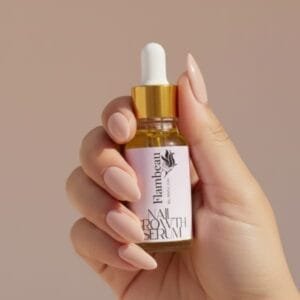
For nails and cuticles, a dedicated cuticle oil or balm is a game-changer. Ingredients like jojoba oil closely mimic the skin’s natural sebum, making it highly absorbent and effective at hydrating the nail bed and cuticles. Vitamin E oil is another hero—it’s an antioxidant that helps repair damaged skin and promotes healthier nail growth. If you’re looking for a ready-made option, consider a product like the Nail Growth Serum – Helps Nails Grow Stronger, Healthier, which often contains a blend of nourishing oils and vitamins designed to strengthen and condition nails.
Another crucial product is a gentle, sulfate-free hand wash. Many conventional soaps contain harsh detergents that strip away natural oils, leaving your hands feeling tight and dry. Opt for a cleanser with mild surfactants and added moisturizers. If you’re unsure how to choose, you can read our guide on how to use soap correctly without stripping your skin barrier. This will help you understand what to look for in a cleanser.
For those who want to go the extra mile, a weekly exfoliating scrub for hands can remove dead skin cells and improve circulation. Look for fine particles like sugar or ground oatmeal, which are gentle enough for daily use if you have tough skin. Avoid harsh walnut shell scrubs that can cause micro-tears. Additionally, a hand mask or a thick overnight cream used once a week can provide intense hydration, especially if you have chronically dry hands from frequent washing or manual work.
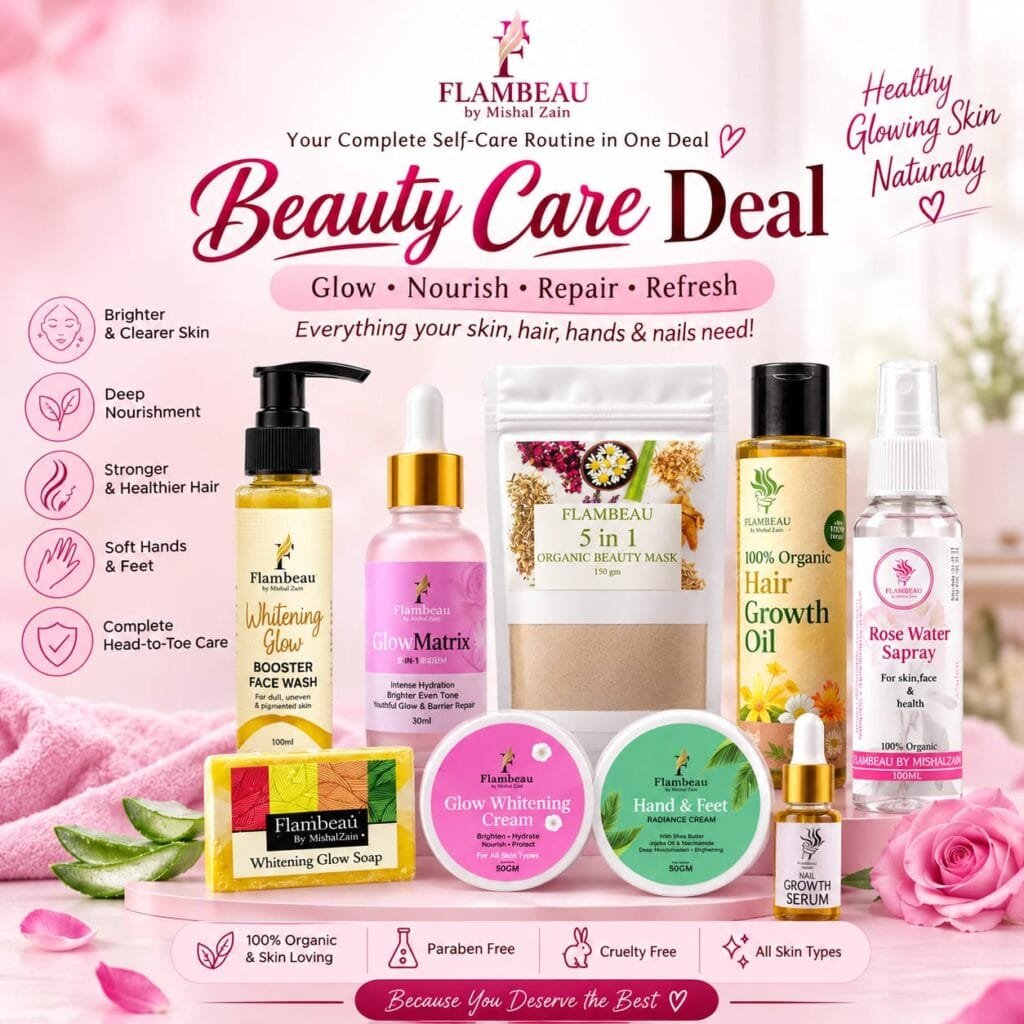
If you’re on a budget, you can create effective DIY treatments at home. A simple blend of coconut oil and sugar acts as a moisturizing scrub. Soaking your nails in warm olive oil for 10 minutes can soften cuticles and strengthen nails. However, for consistent results and convenience, investing in a quality product like the Beauty Care Deal can simplify your routine—it often includes multiple essentials at a better price point.

Step-by-Step Daily Hand and Nail Care Routine
Creating a routine that sticks is about simplicity and consistency. Here’s a step-by-step guide that you can adapt to your lifestyle. Start with cleansing: Wash your hands with lukewarm water (not hot, which strips oils) and a gentle cleanser. Avoid scrubbing too vigorously—just enough to remove dirt and germs. After washing, pat your hands dry with a soft towel instead of rubbing, which can cause irritation. Don’t forget the spaces between your fingers and around your nails, where moisture can linger and lead to fungal issues.
Immediately moisturize: The golden rule is to apply hand cream within 3 minutes of washing, while your skin is still slightly damp. This helps lock in moisture. Keep a travel-sized hand cream in your bag, at your desk, and by your bedside so you never miss this step. Massage the cream into your hands, paying extra attention to your knuckles and cuticles. Use upward strokes from your wrists to your fingertips to promote circulation and absorption.
Care for your cuticles: Once or twice a day, apply a drop of cuticle oil or a nourishing serum to each nail and massage it into the cuticle area. This softens the cuticles and prevents them from becoming dry and torn. Gently push back your cuticles with a soft wooden stick or your fingertip after a shower or bath when they’re pliable. Never cut your cuticles—this can lead to infection. If you have hangnails, carefully trim them with clean cuticle nippers, but avoid pulling or biting.
Use a nail strengthener: If your nails are prone to breaking, apply a nail hardener or growth serum daily. Products like the Nail Growth Serum can be applied like a polish to the nail plate. These serums often contain proteins and vitamins that reinforce the nail structure. Use them consistently for at least 4-6 weeks to see visible improvement.
Protect your hands: When doing chores like washing dishes or cleaning with chemicals, wear rubber gloves. This simple step prevents your hands from being stripped of natural oils and exposed to harsh detergents. If you’re outdoors, apply sunscreen to your hands—they’re just as prone to sun damage as your face. In Pakistan’s sunny climate, this is especially important to prevent age spots and premature aging.
Weekly maintenance: Once a week, spend a few extra minutes on your nails: file them into your preferred shape (always file in one direction to prevent splitting), buff the surface gently to remove ridges, and give yourself a nourishing hand mask or a longer soak in warm oil. This weekly ritual will keep your nails looking neat and your hands feeling smooth.
Common Mistakes That Ruin Your Hands and Nails
Even with the best intentions, many people unknowingly sabotage their hand and nail health. One of the biggest mistakes is cutting your cuticles. Cuticles are a protective barrier against bacteria and moisture loss. Cutting them opens the door to infections and causes them to grow back thicker and more ragged. Instead, gently push them back after softening them with oil or water.
Another frequent error is using nails as tools—opening cans, scratching labels, or peeling off stickers. This puts immense pressure on the nail plate and can cause it to bend, crack, or separate from the nail bed. Always use appropriate tools like a nail file or a knife. Similarly, biting your nails or picking at the skin around them is a habit that damages both the nail and the surrounding tissue, leading to unsightly and painful conditions.
Over-washing your hands without immediately moisturizing is another culprit. In the age of hygiene awareness, many people wash their hands excessively, and if they don’t follow up with a moisturizer, their hands become dry and cracked. If you must wash frequently, use a gentle cleanser and always have a hand cream nearby. Also, avoid very hot water—it’s more stripping than lukewarm.
Using harsh nail polish removers that contain acetone can also dehydrate your nails and cuticles. Acetone removes oils and can cause nails to become brittle and peel. Opt for acetone-free removers, or at least minimize their use. When you do remove polish, soak a cotton pad and press it on the nail for a few seconds before wiping—don’t scrub aggressively.
Finally, ignoring the health of your hands in winter is a common mistake. Cold weather and indoor heating can zap moisture from your skin, leading to chapped, painful hands. In Pakistan, winters can be harsh in the north, while summers bring humidity that can cause fungal issues. For winter, switch to a heavier, oil-based moisturizer and wear gloves when going outside. For summer, keep your hands dry and clean to prevent fungal infections, and use a lighter lotion.
Adapting Your Routine for Different Skin Types and Lifestyles
Just like your face, your hands have different needs depending on your skin type and how you use them. If you have dry skin, your hands may feel tight and flaky even after washing. You’ll need a thicker, more emollient cream and should apply it more frequently—perhaps after every wash. Consider using an oil-based balm at night and wearing cotton gloves to lock in moisture while you sleep. Ingredients like lanolin, shea butter, and petroleum jelly are excellent for very dry hands.
For those with oily or sweaty hands, the challenge is different. You may not need heavy moisturizers, but you still need hydration to keep your skin barrier healthy. Use a lightweight, water-based gel or lotion that absorbs quickly without leaving a greasy residue. Also, pay attention to fungal prevention—sweaty hands can lead to fungal infections, so keep your hands dry, especially between fingers, and use an antifungal powder if needed.
If you have sensitive skin or conditions like eczema, your hands are prone to irritation and allergic reactions. Choose fragrance-free, hypoallergenic products with minimal ingredients. Avoid soaps with strong detergents and opt for syndet bars or cleansers with a neutral pH. Test any new product on a small patch of skin first. Ingredients like oatmeal and aloe vera are soothing and safe for sensitive skin.
Your lifestyle also dictates your routine. If you’re a healthcare worker or a mother who washes hands constantly, you need a heavy-duty moisturizer that creates a barrier. Look for products with dimethicone or ceramides. If you work with your hands—like gardening or construction—you may need to exfoliate more often to remove dirt and rough skin, and always wear gloves for protection. If you’re a desk worker, you might not have as many external stressors, but you’re likely typing a lot, which can stress your nail beds. In that case, a nail strengthener is especially beneficial.
For those who love wearing nail polish, adapt your routine to include a base coat to protect your nails from staining, and always give your nails a break from polish for a few days each month to let them breathe. And if you’re on a tight budget, you can mix your own hand soak with lemon juice and sugar, or use plain yogurt as a nourishing mask—these are cheap and effective. Remember, the goal is to find a routine that you can maintain consistently, not to buy every product on the market.
Choosing the Right Products: What to Look For
With countless options available, selecting the right hand and nail products can be overwhelming. Start by reading labels and understanding key ingredients. For hand creams, look for humectants like glycerin, hyaluronic acid, or aloe vera that draw moisture into the skin, and emollients like shea butter, jojoba oil, or squalane that smooth the skin. Avoid products with high amounts of alcohol, which can dry out your skin further.
For cuticle oils, choose ones that contain a mix of vitamins and botanical oils. Jojoba oil, vitamin E, and tea tree oil (for its antibacterial properties) are great choices. If you have fungal issues, look for products with anti-fungal ingredients like tea tree or neem. For nail strengtheners, look for proteins like keratin, collagen, or biotin, which support nail structure. Some products also contain calcium or silica, which are minerals that fortify nails.
When it comes to hand washes, opt for sulfate-free formulas that are labeled “gentle” or “hydrating.” If you have sensitive skin, choose fragrance-free or hypoallergenic options. Also, consider the pH level—soaps with a pH around 5.5 are closest to your skin’s natural pH and won’t disrupt your acid mantle.
If you’re looking for a complete solution, the Beauty Care Deal might be a convenient bundle that includes a hand cream, cuticle oil, and nail strengthener, saving you the effort of researching each product. However, always check the ingredient list to ensure it suits your needs. And remember, more expensive doesn’t always mean better—sometimes simple, affordable products work just as well.
Finally, don’t forget to consider the climate you live in. In Pakistan’s humid summers, a water-based gel might be more comfortable than a heavy cream. In winters, a rich, oil-based balm will provide better protection. If you travel frequently, look for travel-size versions or multi-purpose products. And always do a patch test when trying a new product, especially if you have allergies—apply a small amount to your inner wrist and wait 24 hours to see if any reaction occurs.
Daily Habits and Lifestyle Tweaks for Better Hands and Nails
Beyond products, your daily habits play a significant role in the health of your hands and nails. Staying well-hydrated is crucial—dehydration can make your skin and nails dry and brittle. Aim for at least 8 glasses of water a day, more if you’re active or live in a hot climate. Your diet also matters: foods rich in biotin (eggs, almonds), omega-3 fatty acids (fish, walnuts), and antioxidants (berries, leafy greens) can strengthen nails from within.
Protect your hands from extreme temperatures. In winter, always wear gloves when going outside, and in summer, avoid prolonged exposure to harsh sun by applying sunscreen to your hands. When cleaning, use gloves—this is one of the most effective ways to prevent dryness and damage. Also, be mindful of how you use your hands: avoid using nails as tools, and when typing or texting, use your fingertips instead of your nails.
Incorporate regular exercise that improves blood circulation, like walking or yoga, as good circulation promotes nail growth. Stress can also affect nail health, so practice stress-reducing techniques like meditation or deep breathing. And get enough sleep—your body repairs itself during sleep, including your nails.
If you’re looking to improve your nail health specifically, you might want to explore the nail care category on our site for more targeted products and tips. Also, check out our blog for more in-depth guides on skincare and wellness. For example, you can learn about how ingredients like ginger extract support circulation, which is also beneficial for your scalp and nails—read about how ginger extract supports scalp circulation and hair health to understand the connection.
Finally, be patient. Nails grow slowly, and it takes about 6 months to fully replace a nail. So, don’t expect overnight miracles. Consistency is key. If you stick to your routine and healthy habits, you’ll see gradual improvements in the strength and appearance of your hands and nails. Remember, the goal is not perfection but healthy, well-cared-for hands that serve you well every day.
Frequently Asked Questions
How often should I moisturize my hands for best results?
You should moisturize your hands every time you wash them, especially before they dry out completely. A good rule is to apply hand cream within 3 minutes of washing, and at least twice more during the day: once in the morning and once before bed.
Can I use regular body lotion on my hands?
Yes, but it's not ideal. Body lotions are formulated for the thicker skin on your body and may not be rich enough for your hands, which need more frequent hydration. If you have very dry hands, a dedicated hand cream with heavier ingredients like shea butter or ceramides will work better.
How do I stop biting my nails?
Try applying a bitter-tasting nail polish or wearing gloves, and keep your nails trimmed short to reduce temptation. Identify your triggers—like stress or boredom—and find alternative habits like squeezing a stress ball or chewing gum. Consistent effort and patience are key.
Are nail growth serums effective?
Yes, nail growth serums can be effective if they contain ingredients like biotin, keratin, and nourishing oils. They work by strengthening the nail plate and improving hydration, which reduces breakage and allows nails to grow longer. For best results, use daily for at least 4-6 weeks.
Written by Mishal Rehman, owner of Flambeauty — sharing practical, professional beauty and skincare guidance.
Updated: August 2026