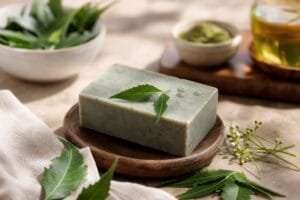

Struggling with closed comedones? Discover the best face washes, key ingredients to look for, and a step-by-step routine to smooth your skin. Expert tips...
The best face wash for skin prone to closed comedones is one that gently exfoliates and deeply cleanses without stripping your skin’s moisture barrier. Look for salicylic acid, glycolic acid, or niacinamide in a non-comedogenic, sulfate-free formula. Use it once or twice daily, always follow with a lightweight moisturizer, and patch test first. Consistency matters more than harsh scrubbing.
Understanding Closed Comedones and Why Your Face Wash Matters
Closed comedones, often called whiteheads, are small, flesh-colored bumps that form when a pore becomes clogged with excess oil and dead skin cells, and the opening of the pore closes over. Unlike blackheads, which are open to the air and oxidize, closed comedones stay sealed under the skin’s surface, making them tricky to treat. They can appear on the forehead, chin, cheeks, and even the jawline, and they often feel rough or bumpy to the touch.
Your face wash plays a pivotal role in managing closed comedones because it’s the first step in removing the impurities that contribute to clogged pores. However, not all cleansers are created equal. Some face washes contain harsh sulfates that strip away natural oils, prompting your skin to produce even more oil to compensate—a vicious cycle that can worsen comedones. Others are too heavy or creamy, leaving behind residue that can further block pores.
The ideal face wash for closed comedones should strike a balance: it must be effective enough to dissolve oil and sweep away dead skin cells, yet gentle enough to preserve your skin’s protective barrier. Ingredients like salicylic acid are oil-soluble, meaning they can penetrate deep into pores to exfoliate from within. Glycolic acid, on the other hand, works on the surface to loosen the bonds between dead skin cells, making them easier to rinse away.
In Pakistan’s climate—where humidity and heat can ramp up oil production—this balance becomes even more critical. A face wash that leaves your skin feeling squeaky clean is often a red flag; it likely contains aggressive detergents that will trigger rebound oiliness within hours. Instead, aim for a cleanser that leaves your skin feeling clean but not tight, with a soft, supple finish.
Another factor to consider is your skin’s pH level. Healthy skin is slightly acidic, around 4.5 to 5.5. Many traditional bar soaps are alkaline, which disrupts this balance and weakens your skin’s defense against bacteria. A low-pH, sulfate-free face wash helps maintain that acidic environment, keeping your skin’s microbiome happy and reducing the likelihood of new comedones forming.
Finally, remember that a face wash alone cannot cure closed comedones—it’s a crucial part of a broader skincare routine that includes exfoliation, moisturizing, and sun protection. But choosing the right cleanser is the foundation. Get this step right, and you’re already on your way to smoother, clearer-looking skin.
Key Ingredients to Look For in a Closed-Comedone Face Wash
When scanning ingredient lists, look for exfoliating acids and soothing agents that target congestion without irritation. Here are the heavy hitters to keep on your radar:
Salicylic acid (BHA) is arguably the gold standard for closed comedones. Because it’s oil-soluble, it can travel deep into the pore lining and dissolve the sebum and dead skin cells that cause blockages. In a face wash, salicylic acid is typically present in concentrations of 0.5% to 2%, which is sufficient for daily use. It also has mild anti-inflammatory properties, which can help reduce the redness that sometimes accompanies clogged pores.
Glycolic acid (AHA) is a water-soluble exfoliant that works on the skin’s surface to loosen the “glue” holding dead cells together. Regular use helps smooth rough texture and fade post-acne marks. In a cleanser, it provides a gentle resurfacing effect, but note that its contact time is short—only a minute or two—so it’s less potent than a leave-on treatment.
Niacinamide (vitamin B3) is a multitasker: it regulates sebum production, strengthens the skin barrier, and soothes inflammation. In a face wash, it helps prep the skin to better handle other active ingredients you might use later in your routine. It’s especially beneficial for those with combination or oily skin, as it can help control shine without over-drying.
Other beneficial ingredients include zinc PCA (which has antibacterial properties), tea tree oil (a natural antiseptic), and aloe vera (to calm and hydrate). If your skin is sensitive, look for a cleanser that combines a low percentage of BHA with soothing botanicals like chamomile or green tea.
It’s equally important to avoid certain ingredients. Steer clear of heavy oils like coconut oil or mineral oil in a cleanser if you’re prone to congestion—they can leave a film that contributes to clogged pores. Also, avoid high-alcohol formulas that strip your skin; they disrupt the barrier and can make comedones worse. Fragrance is another potential irritant; opt for fragrance-free or lightly scented products to minimize the risk of a reaction.
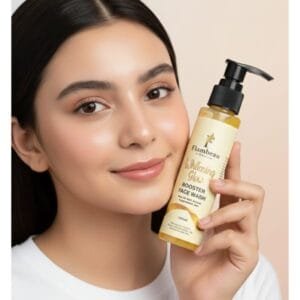
In Pakistan, you’ll find many face washes that claim to “brighten” or “control oil,” but it’s crucial to read the ingredient list carefully. Some local products rely on harsh sulfates and artificial fragrances that do more harm than good. Look for products that clearly state their active ingredients and their concentrations. For a reliable option, consider the Whitening Face Wash – Brightening & Deep Cleansing by Flambeauty, which contains brightening agents that help fade post-acne marks while deep-cleaning pores without stripping your skin.
How to Choose the Right Face Wash for Your Skin Type
Not all closed comedone-prone skin is the same. Here’s how to tailor your choice based on your skin’s unique needs:
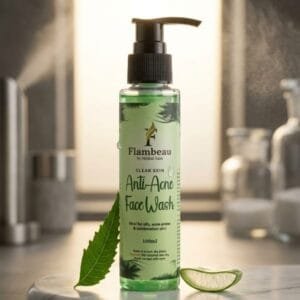
Oily skin: If your face is consistently shiny and you’re prone to blackheads and whiteheads, you’ll benefit from a gel-based cleanser with salicylic acid. These formulas rinse away excess oil without leaving a residue. You might also appreciate a foaming cleanser that contains a blend of BHA and niacinamide to control shine. One example is the Anti Acne Facewash for Pimples & Oil Control – Deep Cleansing Formula, which combines deep-cleaning power with oil control—a solid pick for oily skin in humid climates.
Dry or dehydrated skin: Yes, you can still get closed comedones even if your skin feels tight. In this case, avoid foaming cleansers that strip moisture. Instead, look for a cream or lotion cleanser that contains gentle exfoliating acids like mandelic acid (which has a larger molecule size, making it less irritating) or lactic acid. These provide exfoliation while maintaining hydration. Always follow up with a moisturizer to keep your barrier intact.
Combination skin: You have an oily T-zone (forehead, nose, chin) and drier cheeks. A balanced gel cleanser with a low concentration of salicylic acid (0.5%) works well. It will target congestion in your oily areas without over-drying your cheeks. You can also consider using a gentle foaming cleanser in the morning and a cream cleanser at night to adapt to your skin’s changing needs.
Sensitive skin: If your skin reacts easily to new products, choose a fragrance-free, alcohol-free cleanser with soothing ingredients like allantoin, panthenol, or centella asiatica. Avoid high concentrations of acids; instead, look for a product with 0.2% salicylic acid or a PHA like gluconolactone, which is even gentler. Patch test on your inner arm for 24 hours before using it on your face.
Step-by-Step Routine for Managing Closed Comedones
Using the right face wash is just one piece of the puzzle. Here’s a simple, effective routine to help smooth your skin:
Step 1: Cleanse twice daily. In the morning, splash your face with lukewarm water and gently massage your cleanser over damp skin for 30–60 seconds. Rinse thoroughly and pat dry with a clean towel. In the evening, double cleanse if you wear makeup or sunscreen: first with an oil-based cleanser or micellar water, then with your regular face wash. This ensures all traces of SPF and pollution are removed.
Step 2: Exfoliate 2–3 times a week. While your face wash may contain a low dose of exfoliating acids, you might need a separate leave-on exfoliant to see significant improvement. A 2% salicylic acid serum applied at night can help unclog pores over time. Start every other night, and always follow with a moisturizer.
Step 3: Moisturize. Even oily skin needs hydration. Use a lightweight, oil-free moisturizer with ingredients like hyaluronic acid or glycerin. Skip heavy creams that could add to pore congestion. A well-hydrated skin barrier is better equipped to regulate oil production and fend off irritation.
Step 4: Wear sunscreen daily. Exfoliating acids make your skin more sensitive to UV damage. Apply a broad-spectrum SPF 30+ every morning, even when it’s cloudy. In Pakistan’s intense sun, this is non-negotiable. Sunburn can inflame existing comedones and lead to post-inflammatory hyperpigmentation.
Step 5: Do not pick or squeeze. It’s tempting, but picking at closed comedones can cause them to rupture, leading to inflammation, infection, and scarring. Let your skincare do the work; with consistent exfoliation, they will eventually come to the surface and clear on their own.
Step 6: Be patient. Closed comedones take time to clear—often 4 to 8 weeks. Don’t expect overnight results. Stick to your routine, and if you don’t see improvement after 2–3 months, consider consulting a dermatologist for prescription-strength options like tretinoin.
Common Mistakes That Worsen Closed Comedones
Even with the best face wash, certain habits can sabotage your progress. Here are pitfalls to avoid:
Over-washing. Washing your face more than twice a day strips your skin, causing it to produce more oil to compensate. This can lead to more clogged pores. Stick to your morning and evening cleanse; if you feel oily mid-day, blot with a clean tissue or use a gentle micellar water to freshen up.
Using harsh exfoliants. Physical scrubs with crushed walnut shells or beads can cause micro-tears in your skin, triggering inflammation and making comedones more noticeable. Instead, rely on chemical exfoliants like salicylic acid, which dissolve the bonds between dead skin cells without rough friction.
Skipping moisturizer. Many people with oily skin skip moisturizer, thinking it will worsen breakouts. However, when your skin is dehydrated, it overproduces oil, which can clog pores—a double whammy. Always use a non-comedogenic moisturizer to keep your skin balanced.
Ignoring your diet. While diet isn’t the sole cause of closed comedones, high-glycemic foods and dairy have been linked to increased sebum production in some people. Consider keeping a food diary to see if certain foods trigger more breakouts. A balanced diet rich in fruits, vegetables, and omega-3 fatty acids can support overall skin health.
Using heavy, pore-clogging products. Check your makeup, sunscreen, and hair products for comedogenic ingredients. Look for labels that say “non-comedogenic” or “oil-free.” Avoid layering thick creams or heavy foundations that can seal in dead skin and oil.
Not patch testing new products. Even if a face wash is perfect in theory, your skin might react differently. Always patch test a new product on a small area (like behind your ear) for 24 hours before applying it to your face. This is especially important in a country like Pakistan where humidity can intensify reactions.
Adapting Your Routine for Pakistani Climate and Budget
Living in Pakistan means dealing with extreme weather—from humid summers to dry winters. Here’s how to adjust your closed-comedone care accordingly:
Summer: During the hot, humid months, your skin produces more sweat and oil, making clogged pores more likely. Use a gel-based face wash with salicylic acid, and consider cleansing an extra time after heavy sweating. Keep your moisturizer lightweight, like a gel-cream. Also, protect your skin from the sun with a matte-finish sunscreen to avoid greasiness.
Winter: In winter, the air is drier, which can lead to dehydration and overproduction of oil. Switch to a creamier cleanser that hydrates while it cleans. You might reduce exfoliation to once a week if your skin feels tight. Layer a hydrating serum under your moisturizer to keep your barrier strong.
Budget-friendly tips: You don’t need to splurge on high-end products. Look for affordable local brands that offer effective ingredients. For instance, Flambeauty’s face washes are budget-friendly and formulated for Pakistani skin. Also, check the facewash category on their website for a range of options. To get more value from your cleanser, apply it only to your face and neck, not your entire body. And remember, a little goes a long way—a pea-sized amount is enough.
What to Look For in a Face Wash: A Quick Checklist
When you’re shopping for a face wash to tackle closed comedones, keep this checklist in mind:
1. Active ingredients: Look for salicylic acid, glycolic acid, niacinamide, or a combination. The percentage should be reasonable—salicylic acid between 0.5% and 2%.
2. pH level: Ideally, the cleanser should have a pH between 4.5 and 5.5. If the label doesn’t specify, you can test it with pH strips at home.
3. Non-comedogenic: The product should be labeled non-comedogenic, meaning it’s formulated to not clog pores.
4. No harsh sulfates: Avoid sodium lauryl sulfate (SLS) and sodium laureth sulfate (SLES). These are harsh detergents that can disrupt your barrier.
5. Fragrance-free: Fragrance can irritate sensitive skin and increase inflammation. Choose unscented options when possible.
6. Gel or cream base: Gel cleansers are great for oily skin; cream cleansers suit dry or sensitive skin. Pick based on your skin type.
7. Patch test first: Always patch test a new product. Apply a small amount to your jawline or behind your ear for 24 hours before using it on your face.
If you’re unsure where to start, you can browse the Flambeauty blog for more skincare tips, or check out their related articles on managing skin in humid weather, such as How to Make Your Makeup Last in Hot, Humid Weather. While that’s about makeup, it also offers insights into controlling excess oil and shine.
Remember, closed comedones are stubborn, but with the right face wash and a consistent routine, you can smooth them out. Be patient, be gentle, and your skin will thank you.
Frequently Asked Questions
Can a face wash alone get rid of closed comedones?
No, a face wash alone is not enough. While a good cleanser helps remove surface oil and dead skin, closed comedones often require a leave-on exfoliant like a salicylic acid serum and consistent skin care. Use a face wash with exfoliating acids as part of a broader routine.
How long does it take for closed comedones to clear?
It typically takes 4 to 8 weeks of consistent use of the right products to see significant improvement. Cell turnover slows down as we age, so be patient. If you don't see results after 3 months, consider seeing a dermatologist for stronger treatments.
Is it safe to use a scrub on closed comedones?
It's best to avoid physical scrubs because they can cause micro-tears and inflammation, worsening the condition. Instead, use chemical exfoliants like salicylic acid, which dissolve the connections between dead skin cells without harsh friction.
Can moisturizer cause closed comedones?
Yes, if your moisturizer is too heavy or contains comedogenic ingredients. Look for non-comedogenic, oil-free moisturizers with ingredients like hyaluronic acid or glycerin. Even oily skin needs hydration to prevent overproduction of oil that can clog pores.
Written by Mishal Rehman, owner of Flambeauty — sharing practical, professional beauty and skincare guidance.
Updated: August 2026