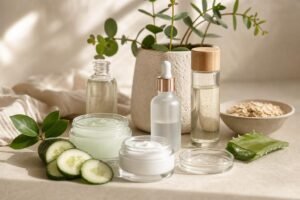
Sulfate-free soaps are gentler on sensitive skin, preventing dryness and irritation. Learn how to choose, use, and avoid mistakes with our practical guide.
Sulfate-free soaps matter for sensitive skin because they avoid harsh detergents like sodium lauryl sulfate (SLS) that strip natural oils, disrupt the skin barrier, and trigger redness, itching, and flaking. By using milder cleansing agents, these soaps maintain moisture and reduce irritation, making them a safer daily choice for reactive skin types.
Understanding Sulfates and Their Effects on Sensitive Skin
Sulfates are surfactants—compounds that help water mix with oil and dirt so they can be rinsed away. The most common are sodium lauryl sulfate (SLS) and sodium laureth sulfate (SLES). They are effective cleansers, but their strong degreasing action can be problematic. In fact, sulfates are often used in household detergents because they are so effective at breaking down grease. When applied to your skin, they do the same thing: they strip away not only dirt and sweat but also the natural lipid barrier that keeps moisture in and irritants out.
For people with sensitive skin, this barrier is already compromised. It may be thinner, more reactive, or lacking in ceramides and fatty acids. When sulfates remove these protective oils, the skin becomes even more vulnerable. Water escapes, leading to dryness and tightness, while environmental triggers like pollution, pollen, and bacteria can penetrate more easily. This often results in redness, itching, flaking, and a stinging sensation—the classic signs of sensitivity. Over time, repeated sulfate use can worsen conditions like eczema, rosacea, and contact dermatitis.
It’s not just about what you feel immediately. Sulfates can also disrupt the skin’s pH balance. Normal skin pH is slightly acidic, around 4.5 to 5.5, which supports beneficial bacteria and enzyme activity. Many sulfate-based soaps are alkaline, raising the pH and leaving the skin in a state that encourages dryness and discomfort. Sulfate-free cleansers are often formulated to be pH-balanced, helping to preserve the skin’s natural ecosystem and resilience.
Another issue is that sulfates can be contaminated with 1,4-dioxane, a byproduct of the ethoxylation process used to make SLES. While the amounts are small, some studies suggest it may be a potential carcinogen, and for sensitive individuals, any extra chemical load can be a concern. Choosing sulfate-free products reduces exposure to these unwanted byproducts and aligns with a more minimalist, gentle approach to skincare.
In Pakistan’s climate, where heat and humidity can increase sweating and oiliness, you might think stronger cleansers are necessary. However, sensitive skin still needs a gentle touch. Harsh sulfates can lead to a cycle of over-drying, followed by excess oil production as the skin tries to compensate—this can actually worsen acne and congestion. A sulfate-free soap can cleanse effectively without triggering that rebound oiliness, making it a smart choice even in warmer weather.
Choosing the Right Sulfate-Free Soap for Your Skin Type
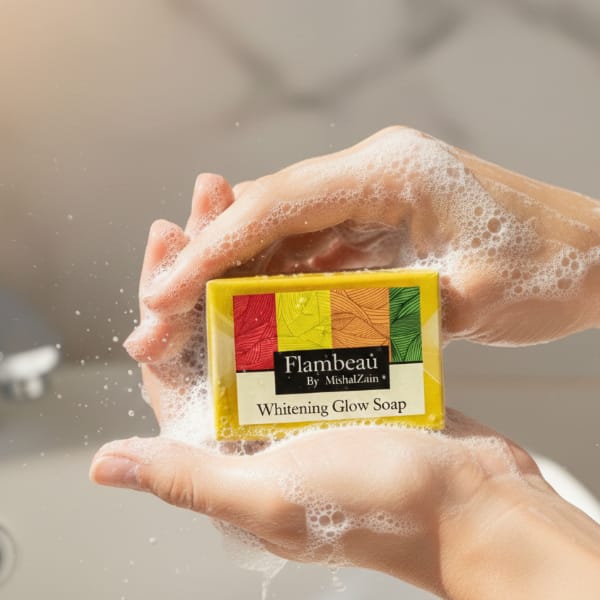
Not all sulfate-free soaps are created equal, and your specific skin type should guide your choice. For dry and dehydrated skin, look for soaps with moisturizing ingredients like shea butter, glycerin, or aloe vera. These help replenish hydration while cleansing. The Whitening Glow Soap from Flambeauty, for example, is sulfate-free and enriched with botanical extracts that support a more even skin tone without stripping moisture—it’s a good option if you’re dealing with dullness alongside dryness.
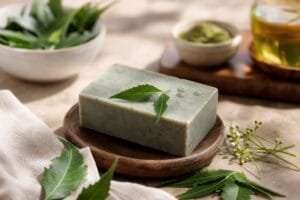
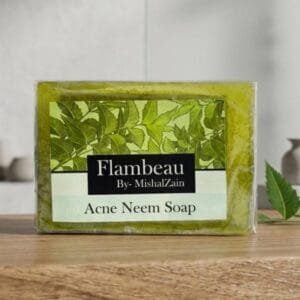
For oily and acne-prone skin, you might worry that sulfate-free soaps aren’t strong enough to remove excess oil. But over-stripping is counterproductive. Instead, seek out soaps with ingredients like neem, tea tree, or salicylic acid, which help control oil and clarify pores without aggressive detergents. The Acne Neem Soap for Pimples, Oil Control & Deep Skin Cleansing is a fantastic sulfate-free option that harnesses neem’s antibacterial properties to target breakouts while still being gentle enough for sensitive, reactive skin.
If you have combination skin, you need a balanced soap that cleanses without leaving the T-zone shiny or the cheeks parched. Look for terms like “gentle” or “hydrating” and avoid any soap with added fragrance or dyes, which are common irritants. A simple, unscented sulfate-free bar is often your safest bet. For eczema or rosacea-prone skin, even sulfate-free soaps can sometimes cause issues if they contain essential oils or botanical extracts that you’re allergic to. Always check the ingredient list and stick to the most minimal formulas possible.
When evaluating any soap, don’t just look for “sulfate-free” on the label—also check for other harsh surfactants like sodium coco-sulfate or disodium laureth sulfosuccinate. True gentle cleansers use amphoteric or non-ionic surfactants like cocamidopropyl betaine, decyl glucoside, or lauryl glucoside. These are derived from coconut or glucose and are much milder, breaking down dirt without damaging the barrier.
Finally, consider the form of the soap. Bar soaps traditionally have a higher pH, but many modern artisan bars are formulated to be skin-friendly. Liquid cleansers are often easier to formulate with balanced pH and added humectants. For sensitive skin, both can work—what matters is the specific formula. Always do a patch test on a small area, like the inside of your wrist, before using a new soap on your face or body. If you experience any stinging or redness, discontinue use immediately.
Step-by-Step: How to Switch to Sulfate-Free Cleansing
Transitioning to a sulfate-free routine doesn’t have to be complicated. Here’s a step-by-step guide to make the switch smooth and effective. First, phase out your current cleanser gradually. If you’re used to a foaming sulfate-based wash, your skin may go through a short adjustment period where it feels a bit different—perhaps less “squeaky clean.” That’s normal because you’re not stripping it anymore. To ease the transition, you can alternate: use your old cleanser in the evening and the new sulfate-free soap in the morning for a week, then switch fully.
Second, adjust your expectations of “clean”. A clean face shouldn’t feel tight or dry. After rinsing, your skin should feel soft and comfortable. If it feels oily or filmy, you might not be using enough product or you need a different formulation. Remember, a good cleanser removes impurities without removing your natural oils.
Third, use lukewarm water, not hot. Hot water strips moisture and can aggravate sensitivity. Splash your face with lukewarm water to open pores slightly, then massage the soap gently in circular motions for about 30-60 seconds, avoiding harsh scrubbing. Rinse thoroughly and pat dry with a clean, soft towel—don’t rub, as friction can irritate.
Fourth, follow up with a moisturizer while your skin is still slightly damp. This helps lock in hydration and reinforces the barrier. For sensitive skin, look for a fragrance-free moisturizer with ceramides, hyaluronic acid, or squalane. In Pakistan’s humid climate, you might prefer a lighter gel moisturizer in summer, but don’t skip it entirely—even oily skin needs hydration.
Fifth, monitor your skin’s response. Keep a simple journal for two weeks, noting any changes in dryness, redness, or breakouts. This will help you determine if the new soap is working or if you need to try a different one. Remember that skincare is personal; what works for one person may not work for another.
Finally, be patient. Your skin barrier needs time to repair. It may take up to four weeks for you to see significant improvements in texture and hydration. Stick with a consistent routine, and don’t introduce multiple new products at once—that makes it impossible to know what’s helping or hurting.
Common Mistakes to Avoid When Using Sulfate-Free Soaps
Even with a gentle cleanser, there are pitfalls that can sabotage your sensitive skin. One common mistake is assuming all sulfate-free soaps are automatically non-irritating. Many contain other harsh ingredients like artificial fragrances, essential oils, or alcohol that can trigger reactions. Always read the full ingredient list, not just the marketing claims.
Another error is overwashing. Sensitive skin doesn’t need to be cleansed more than twice a day, and often once is enough, especially if you have dry skin. In Pakistan’s dusty environment, you might feel tempted to wash your face multiple times, but that disrupts your barrier. Instead, just rinse with water if you feel dirty between washes, or use a gentle micellar water to remove sunscreen or makeup.
Using water that’s too hot is another common issue. Hot water feels soothing but quickly dries out skin. Stick to lukewarm or cool water. Similarly, scrubbing with a washcloth or sponge can cause micro-tears and increase sensitivity. Use your fingertips or a soft muslin cloth only if you must, and always be gentle.
Some people also make the mistake of skipping moisturizer because their skin feels oily after cleansing. That’s counterproductive—when you don’t moisturize, your skin produces more oil to compensate. Even oily sensitive skin needs a lightweight, non-comedogenic moisturizer. Another mistake is using a sulfate-free soap that isn’t pH-balanced. A soap with high pH can still disrupt your barrier. Look for products that state “pH balanced” or “5.5” on the label.
Finally, introducing a new soap during a flare-up is a bad idea. If your skin is already red, itchy, or broken out, wait until it calms down before trying a new product. And don’t forget to patch test every new product, even if it’s sulfate-free. Apply a small amount behind your ear or on your inner arm for 24-48 hours to check for any adverse reaction.
What to Look for in Sulfate-Free Soaps (Ingredients and Labels)
Choosing a truly gentle soap requires a bit of label literacy. Look for the absence of the word “sulfate” in any ingredient, but also check for related compounds like “sulfate” or “sulfo”. Instead, seek out mild surfactants such as cocamidopropyl betaine, decyl glucoside, or lauryl glucoside. These are plant-derived and much friendlier to sensitive skin.
Consider the base ingredients. Soaps made with glycerin are humectants that draw moisture to the skin. Shea butter, coconut oil, or olive oil can provide nourishing fats, but be cautious if you’re allergic to any of these. Aloe vera is soothing and anti-inflammatory, perfect for reactive skin. Niacinamide (vitamin B3) can help strengthen the barrier and reduce redness. Look for these in the ingredient list.
On the other hand, avoid synthetic fragrances and dyes as they are common allergens. Even natural essential oils like lavender or citrus can be irritating to some people. Alcohol (like SD alcohol or denatured alcohol) is drying and should be avoided. Also be wary of SLS alternatives like sodium coco-sulfate, which is similar in structure and can be just as harsh. True sulfate-free products will use the gentler glucosides or betaines.
Also, consider the pH. Your skin’s natural pH is around 5.5, so look for soaps that are pH balanced. Traditional bar soaps often have a pH of 9-10, which is why they can be drying. Many modern sulfate-free bars are formulated to be pH neutral or slightly acidic. If the label doesn’t specify, you can test it with pH strips at home, but it’s easier to choose products that explicitly state they are pH balanced.
Finally, think about your overall routine. If you’re using a sulfate-free soap, you may also want to check your shampoo and body wash. Sulfates in those products can run down your face and cause irritation. For a complete sensitive-skin approach, consider switching to sulfate-free haircare and body cleansers too. You can find more gentle options in our soaps category at Flambeauty, where all our products are crafted with sensitive skin in mind.
Tailoring Sulfate-Free Cleansing to Different Skin Types
Sensitive skin isn’t just one type—it can be dry, oily, combination, or acne-prone. Each variation requires a slightly different approach to sulfate-free cleansing.
Dry and sensitive: Your main goal is to cleanse without stripping. Look for cream-based or milk cleansers, or soaps with added oils and butters. Use a sulfate-free bar like the Whitening Glow Soap, which is designed to brighten while keeping moisture in, thanks to ingredients like licorice extract and vitamin C. Wash only once daily, preferably in the evening to remove dirt and sunscreen, and in the morning just rinse with water.
Oily and sensitive: You might be tempted to over-cleanse to control shine, but that backfires. Choose a gel-based sulfate-free cleanser with ingredients like salicylic acid or tea tree. The Acne Neem Soap is ideal because neem naturally regulates oil and soothes inflammation. Use it twice a day, but if you feel tightness, reduce to once daily and use a gentle toner instead of an astringent.
Combination sensitive: Balance is key. Use a mild sulfate-free cleanser that won’t dry out your cheeks but still controls the T-zone. Avoid heavy creams or overly foaming washes. A bar with a neutral pH and simple ingredients works well. You might find that your skin tolerates a sulfate-free cleanser better in the morning and a slightly more clarifying one at night, but always keep both sulfate-free.
Acne-prone sensitive: This is tricky because acne treatments often contain acids or benzoyl peroxide that can be harsh. Using a sulfate-free soap can help mitigate that irritation. Look for ingredients like neem, which is antibacterial, or sulfur. The Acne Neem Soap is a great choice because it targets pimples without stripping your skin, which can actually make breakouts worse in the long run. Pair it with a non-comedogenic moisturizer to keep your barrier healthy.
For all types, remember that your skin’s needs can change with the seasons. In Pakistan’s hot summers, you might need a slightly more cleansing formula, while in winter, you may need a more hydrating one. Listen to your skin and adjust accordingly.
Conclusion
Switching to sulfate-free soap is a simple yet powerful step for anyone with sensitive skin. It helps preserve your natural moisture barrier, reduce irritation, and improve overall skin health. By choosing the right formula for your skin type and avoiding common mistakes, you can enjoy clean, comfortable skin without the sting. For more tips on gentle skincare, explore our blog or check out our range of soaps that are crafted with care for sensitive skin.
Frequently Asked Questions
Is sulfate-free soap better for sensitive skin?
Yes, sulfate-free soaps are generally better for sensitive skin because they do not contain harsh detergents like SLS that strip natural oils and disrupt the skin barrier, leading to dryness and irritation. They clean gently while maintaining moisture.
Can sulfate-free soap help with acne?
Sulfate-free soaps can help with acne by avoiding the over-stripping that can trigger excess oil production and worsen breakouts. Look for formulations with ingredients like neem or salicylic acid that target acne without harshness, such as the Acne Neem Soap from Flambeauty.
How do I know if a soap is truly sulfate-free?
Check the ingredient list for any word containing 'sulfate', such as sodium lauryl sulfate or sodium laureth sulfate. Also avoid sodium coco-sulfate. Instead, look for mild surfactants like cocamidopropyl betaine or decyl glucoside.
Will a sulfate-free soap still clean my skin properly?
Absolutely. Sulfate-free cleansers effectively remove dirt, oil, and makeup using milder surfactants. They just do so without over-stripping your skin, leaving it clean and comfortable rather than tight and dry.
Written by Mishal Rehman, owner of Flambeauty — sharing practical, professional beauty and skincare guidance.
Updated: September 2026