
Struggling to find makeup that flatters? Learn how to identify your undertone (warm, cool, or neutral) and choose foundation, blush, and lipstick shades...
Your undertone—the subtle hue beneath your skin’s surface—determines which makeup shades will look harmonious rather than harsh. Unlike your skin’s surface color, which can change with sun exposure or products, undertone stays constant. To find your perfect match, look at the veins on your wrist, consider how your skin reacts to the sun, and test jewelry against your complexion. If you have warm undertones (yellow or golden), cool undertones (pink or blue), or neutral undertones (a balance of both), choosing shades that align with your undertone ensures your makeup enhances your natural beauty instead of fighting it. Start with a simple test, then apply the guidelines below to foundations, concealers, blushes, lipsticks, and eyeshadows for a seamlessly radiant look.
Understanding Undertones: The Key to Flattering Makeup
Before you pick up another foundation bottle, it’s essential to grasp what an undertone actually is. Your skin’s surface tone is the color you see in the mirror—fair, light, medium, tan, or deep—and it can shift with tanning, irritation, or even changes in your skincare routine. The undertone, by contrast, is the permanent tint that shows through your skin, and it falls into three main categories: warm, cool, or neutral. Warm undertones have a yellow, peachy, or golden cast; cool undertones carry pink, red, or blue hues; and neutral undertones are a mix of both, often appearing as a balanced beige. Knowing your undertone is not about labeling your skin but about unlocking a shortcut to makeup that looks like it belongs on you. For instance, a warm-toned person wearing a cool pink foundation might see a grayish or ashy cast appear, while a cool-toned person in a golden foundation could look sallow or overly yellow. This mismatch is why two people with the same depth of skin can wear completely different foundation shades and both look amazing—their undertones differ.
To identify your undertone at home, start with the classic vein test. In natural daylight, look at the inside of your wrist. If your veins appear blue or purple, you likely have cool undertones; if they look green, that’s a sign of warm undertones, because the yellow in your skin makes the veins appear greenish. Can’t decide? You may be neutral. Another method is the jewelry test: hold a silver piece and a gold piece against your bare skin (no makeup). Which metal makes your skin look brighter and healthier? Silver tends to flatter cool undertones, while gold enhances warm ones. If both look good, you’re probably neutral. Also consider how your skin reacts to the sun. If you tan easily and rarely burn, warm undertones are likely; if you burn quickly and tan minimally, cool undertones are more probable. People with neutral undertones might burn first and then tan, or they might tan evenly without much burning. These simple observations provide a reliable baseline, but remember that undertone doesn’t dictate your skin’s depth—you can be fair with warm undertones or deep with cool undertones. Once you know your undertone, every makeup decision becomes more straightforward, from choosing the right foundation formula to selecting that perfect nude lipstick.
Undertone also explains why some shades that look gorgeous on a friend might not work for you. It’s not about your skin being ‘difficult’—it’s about color theory. Every makeup product contains pigments with specific undertones, and when those pigments align with your skin’s undertone, they create a seamless blend that looks natural. When they clash, the product stands out as a separate layer. This is particularly noticeable in foundations and concealers, where a mismatch can make your face look disconnected from your neck. But it also affects blushes and lipsticks: a warm peach blush on a cool-toned face can look muddy, while a cool berry on a warm-toned face might appear too purple. Understanding this fundamental principle helps you shop smarter, avoid wasted money on mismatched products, and appreciate your own unique coloring. So take a few minutes to determine your undertone—it’s the single most valuable step you can take before building your makeup collection.
Step-by-Step Guide: Matching Foundation, Concealer, and Powder
Once you’ve identified your undertone—warm, cool, or neutral—it’s time to apply that knowledge to your base makeup. Foundation is the most critical match, because it covers the largest area of your face and sets the tone for everything else. Start by choosing a foundation that matches both your depth and undertone. In Pakistan, where skin tones range from very fair to deep, you’ll find that local beauty brands often cater to a spectrum of warm and neutral undertones, but it’s still essential to test before you buy. When testing foundation, never swipe it on your hand, as your hand’s color can differ from your face. Instead, apply a few shades along your jawline and blend slightly. The right shade should disappear into your skin, leaving no visible line. Check in natural daylight if possible, because indoor lighting can distort colors. For warm undertones, look for foundations with ‘golden’, ‘warm’, or ‘peach’ in the description; for cool undertones, seek ‘porcelain’, ‘rose’, or ‘cool’ tones; for neutral, ‘beige’ or ‘ivory’ often work well.
Concealer should be one shade lighter than your foundation if you’re using it to brighten under-eye areas, but the undertone must still match your skin. If you have warm undertones, a yellow-toned concealer will camouflage dark circles more effectively than a pink one, because the yellow counteracts the bluish-purple of dark circles. For cool undertones, a peach or salmon-toned concealer works better. Neutral undertones can often use a mix of both, or look for concealers labeled ‘neutral’ or ‘balance’. When applying concealer, remember that the goal is to blend seamlessly with your foundation—no harsh patches. Set your base with a powder that matches your undertone too. A translucent powder works for almost everyone, but if you prefer a tinted powder, choose one with the same undertone as your foundation to avoid a cakey or ashy finish. Always test products on your actual skin, not just in the bottle, and give the product a few minutes to oxidize—some foundations darken slightly after application.
For those who prefer minimal makeup, a BB cream or tinted moisturizer can be a great option, but the same undertone rules apply. If you’re shopping online, many brands—including Flambeauty’s skincare line—offer shade guides, but nothing replaces seeing the product on your skin. If you’re between shades, consider mixing two foundations to create your perfect match, or use a color-correcting primer to help adjust the undertone. For example, a green primer can neutralize redness (great for cool undertones with rosacea), while a lavender primer can brighten sallow skin (useful for warm undertones). The key is to always check your makeup in natural light before leaving the house, because what looks perfect in a bathroom mirror might look off in sunlight. By following these steps, you’ll achieve a base that looks like your skin, but better—the ultimate goal of any foundation.
Choosing Blush, Lipstick, and Eyeshadow by Undertone
Your undertone influences every color you put on your face, not just your base. Blush is meant to mimic a natural flush, so it should complement your skin’s undertone. For warm undertones, peach, apricot, coral, and terracotta blushes look fresh and natural. These shades add a sun-kissed warmth that harmonizes with your golden undertones. For cool undertones, pinks, roses, and berries—especially those with a blue or purple base—create a lovely flush that echoes your skin’s natural pinkness. Neutral undertones are lucky: they can wear both peach and pink, but often look best in soft rose or mauve shades that sit between the two extremes. When applying blush, place it on the apples of your cheeks and blend upward toward your temples. Always start with a light hand, as it’s easier to add more than to remove excess.
Lipstick is another area where undertone knowledge pays off. The classic advice is that blue-based reds suit cool undertones (think crimson or cherry), while orange-based reds suit warm undertones (think tomato or brick). For nudes, warm undertones should look for beige, caramel, or honey shades; cool undertones should choose pinky nudes, mauves, or rose; and neutral undertones can wear most nudes, but a greige (gray-beige) or rose-gold might be particularly flattering. If you’re unsure about a lipstick, test it on your fingertip—the color of your fingertips is closer to your lips than your hand. Or apply a swipe on your bare lips and step into daylight. For everyday wear, a tinted lip balm in a matching undertone can provide a subtle enhancement without the commitment.
Eyeshadows also respond to undertones, although there’s more flexibility due to personal style. As a general guideline, warm undertones look stunning in earthy tones—bronze, copper, gold, warm browns, and olive greens. These shades bring out the golden flecks in your eyes and create a cohesive look. Cool undertones shine in taupe, silver, cool mauve, and dusty lavender, which harmonize with your skin’s pink or blue undertones. Neutral undertones can experiment with both, but may find that true neutrals—like warm taupe or greige—work best. If you love a dramatic pop of color, use your undertone as a guide: a warm-toned person might pull off a yellow or orange shadow, while a cool-toned person might prefer a blue or purple. The goal is to make your eyes stand out, not compete with your natural coloring. And remember, eyeshadow base and primer can help colors appear true to their pan, so invest in a good one if you’re serious about shadow play.
Common Undertone Mistakes and How to Avoid Them
Even with the best intentions, many women make a few classic mistakes when it comes to undertones. The most common error is mistaking surface color for undertone. If you have a tan or you’re currently dealing with hyperpigmentation, you might think you’re warm-toned because your skin looks golden, but your undertone could still be cool. Always rely on the vein and jewelry tests, which are unaffected by sun exposure. Another frequent mistake is choosing a foundation shade based on the back of your hand. The skin on your hands and wrists often has a different undertone than your face, neck, and chest. Always test foundation on your jawline or cheek, and blend down to your neck to ensure a seamless transition. If you’re between shades, don’t automatically go lighter—going too light can make you look washed out, while going too dark can make you look muddy. Instead, try mixing two shades to get a perfect match.
A third pitfall is ignoring your neck and chest. Your face may have more redness or pigmentation, but your neck and chest often show your true undertone more clearly. When testing foundation, apply it to your jawline and look at the color against your neck. If you have a very different face-to-neck color, you may need to blend foundation down your neck, or use a primer to even out facial redness before applying foundation. Also, beware of the oxidizing factor: some foundations darken after being on the skin for a few minutes due to a reaction with your skin’s natural oils. Always wait at least five minutes before deciding if a shade works. Another mistake is assuming you can’t wear a certain color family because of your undertone. While guidelines are helpful, they’re not absolute. For instance, a cool-toned person can absolutely wear a golden highlighter if it’s subtle, and a warm-toned person can wear a pink blush if it leans toward peach. The key is to test and trust your own eyes—if a shade makes you look radiant, it’s likely a good fit, regardless of the label.
Finally, many people forget that undertone can affect how your makeup wears over time. For example, if your foundation matches perfectly at application but turns orange or ashy after a few hours, it could be an undertone mismatch, not just oxidation. This happens when the product’s pigments don’t align with your skin’s chemistry. To avoid this, consider using a primer that helps balance your skin’s pH, and choose products with a formula that’s compatible with your skin type. If you have oily skin, a matte foundation might help; if you have dry skin, a hydrating formula will prevent the foundation from breaking up. Always set your makeup with a powder that matches your undertone, and carry a touch-up powder for midday shine. By avoiding these common mistakes, you’ll save money and frustration, and your makeup will look more natural and polished.
Tailoring Undertone Matching to Skin Types and Regional Needs
Undertone matching isn’t one-size-fits-all; your skin type and even your local climate can influence how products appear on your skin. In Pakistan’s varied climate—from the humid coastal areas to the dry northern regions—your skin’s needs change, which can affect how makeup sits on your face. For oily skin, which is common in humid areas like Karachi, foundations with a matte or oil-free finish are ideal, but they can sometimes appear more pigmented or oxidize quickly. If you have oily skin and warm undertones, look for oil-free formulas with a golden undertone; if you have cool undertones, oil-free options with a pink undertone. Always use a mattifying primer to help your foundation stay true to color throughout the day. For dry skin, which is prevalent in winter or in dry climates, a hydrating foundation is key. Dry skin can make makeup look patchy or emphasize fine lines, so choose a formula with a dewy finish, and consider mixing a drop of facial oil into your foundation to keep it smooth. Undertone remains the same, but the finish should be more luminous.
Sensitive skin requires extra caution with makeup, as some pigments and preservatives can cause irritation. If your skin is prone to redness, your surface color may look pinker than your true undertone. In this case, use a green color-correcting primer to neutralize the redness before applying foundation, but still choose a foundation that matches your undertone—often a neutral or warm shade, even if your skin looks cool due to irritation. Always patch test new products on a small area of your jaw or neck before applying them to your face, especially if you have a history of allergies. For combination skin, which is common in Pakistan’s changing seasons, you may need to use a mattifying primer on your T-zone and a hydrating primer on your cheeks. The undertone matching process remains the same, but you might need to adjust the finish of your foundation across different areas of your face.
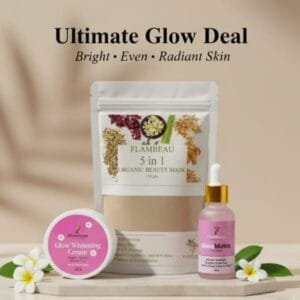
Given that many Pakistani women use makeup not just for special occasions but also for daily wear and religious events like Eid, it’s important to consider how your makeup will last through long hours and varying weather. A good setting spray can help, but the foundation shade must be correct from the start. If you’re shopping locally, many Pakistani beauty brands, including Flambeauty, offer a range of shades that suit South Asian skin tones, which often have warm or neutral undertones, but don’t assume you’re warm—test it out. Additionally, if you use skin-lightening or brightening products for evening out skin tone, remember that your undertone will remain the same; you’re just altering the surface color. For a comprehensive approach, you might explore the Ultimate Glow Deal – Whitening Cream+ Face Mask +Glow Matrix to improve your skin’s overall appearance, which can make undertone matching even more accurate. But always let your undertone guide your color choices, not the other way around. By considering your skin type and regional factors, you can adapt this guide to your life and achieve a flawless look every time.
Budget-Friendly Tips for Undertone Matching Without a Pro
Professional color matching services are helpful, but not always accessible or affordable. Fortunately, you can master undertone matching on a budget, especially in Pakistan where you can find a wide range of products at various price points. Start with the free tests at home—vein and jewelry—to establish your undertone. Then, when shopping, make use of in-store testers, but be mindful of hygiene: use a cotton swab or ask for a fresh sample. Many drugstore brands in Pakistan, such as those available at local pharmacies, offer good shade ranges, and you can often find an affordable foundation that matches. If you’re on a tight budget, focus on getting your foundation right first, since it’s the most important product. For blush, lipstick, and eyeshadow, you can often find inexpensive options that work well once you know your undertone. For example, a warm-toned person can buy a peach blush from a local brand for under 500 PKR, while a cool-toned person might find a pink lipstick at a similar price.
Another budget-friendly tip is to mix your own shades. If you have a foundation that’s too light, you can add a drop of a darker foundation or a liquid bronzer to deepen it, as long as the undertone is similar. Conversely, if a foundation is too dark, a bit of a lighter shade or a mixing medium can lighten it. This can extend the life of your products and save you money. For eyeshadow and blush, you can combine shades you already own to create a custom color that matches your undertone. For instance, mixing a warm brown with a peach blush can create a beautiful warm-toned contour. Also, consider buying mini or sample sizes of high-end products to test before investing in full sizes. Many Pakistani online stores offer sample packets or trial sizes, which are perfect for finding your match without breaking the bank.
When looking for affordable makeup, don’t forget to check out Beauty Care Deal from Flambeauty, which offers a set of beauty essentials that might include items like lip tints or cream blushes—though always check that the shades align with your undertone. Additionally, you can read our blog for more tips on beauty and skincare, and explore the Skin Care range to improve your skin’s health, which always helps makeup look better. Remember that undertone matching is a skill that improves with practice, and you don’t need a professional to get it right. By using these budget-friendly strategies, you can build a makeup collection that flatters your natural beauty without overspending.

Frequently Asked Questions
How can I tell my undertone if my veins look both blue and green?
If you see both blue and green veins, you likely have a neutral undertone. Neutral undertones are a mix of warm and cool, so you can wear both warm and cool shades, but you may find that true neutral colors like beige, taupe, and rose look most natural on you.
Does my undertone change if I tan or use skin lightening products?
No, your undertone is permanent and doesn't change with sun exposure or skincare products that alter surface pigmentation. Tanning or lightening only affects the surface color, not the underlying undertone. Always determine your undertone using tests that are unaffected by surface color change.
What should I do if I can't find a foundation that matches my undertone in local stores?
If you can't find an exact match, consider mixing two foundations—one with a warm undertone and one with a cool undertone—to create a custom shade. Alternatively, use a color-correcting primer to adjust your skin's surface color before applying a foundation that's close. Online stores often have a wider range, so look for sample sizes to test before buying.
Is it necessary to match the undertone of my concealer to my foundation?
Yes, your concealer's undertone should match your foundation to ensure a seamless blend. For under-eye brightening, you might choose a concealer that is a shade lighter, but the undertone should still be the same as your foundation to avoid a gray or ashy look. For spot concealing, match the concealer exactly to your foundation.
Written by Mishal Rehman, owner of Flambeauty — sharing practical, professional beauty and skincare guidance.
Updated: September 2026