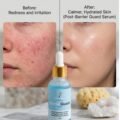
Late 20s Anti-Aging Serum Guide: What Actually Works

For skin in your late 20s, the best anti-aging serum combines antioxidants (like vitamin C), hydration (hyaluronic acid), and gentle cell-communicating ingredients (like peptides or niacinamide) to prevent and soften fine lines, loss of firmness, and dullness. Look for a serum that suits your skin type and use it consistently in your morning or evening routine. Why Your Late 20s Are a Turning Point for Skin Your late 20s are often when you first notice subtle changes: a fine line around your eyes when you smile, a slight loss of that “baby” plumpness, or a duller complexion that no amount of sleep seems to fix. This isn’t random – it’s biology. Collagen production begins to slow down around age…

Continue ReadingLate 20s Anti-Aging Serum Guide: What Actually Works

Herbal Remedies for Dry, Cracked Heels: A Complete Guide

Dry, cracked heels can be soothed and improved with simple herbal remedies like coconut oil, aloe vera, and oatmeal soaks, combined with regular exfoliation and moisturizing. These natural ingredients help soften thick skin, reduce discomfort, and support the skin's barrier. Consistency is key—daily care, gentle scrubbing, and wearing comfortable footwear can make a noticeable difference. For stubborn cracks, pairing herbal treatments with a barrier-repairing serum can speed up visible improvement.Understanding Dry, Cracked Heels: Causes and Why Herbal Remedies HelpDry, cracked heels occur when the skin around your feet loses moisture and elasticity, often due to factors like hot showers, harsh soaps, dry climates, prolonged standing, and wearing open-backed shoes. The skin on our heels is naturally thicker and has…

Continue ReadingHerbal Remedies for Dry, Cracked Heels: A Complete Guide

Glow Up Guide: Pre-Event Skincare Tips for Radiant Skin

To get glowing skin before an event, focus on gentle exfoliation, deep hydration, and a consistent skincare routine in the days leading up to it. Start with a mild cleanser, use a hydrating serum with vitamin C, moisturize thoroughly, and don't forget sunscreen during the day. On the day, keep makeup light and use a facial mist for a dewy finish. Avoid trying new products at the last minute to prevent breakouts or irritation. Understanding Your Skin's Needs Before the Big Day Every skin type has unique requirements, and understanding yours is the first step to achieving that coveted pre-event glow. Whether your skin is dry, oily, combination, or sensitive, the core principle remains: healthy skin reflects light better.…

Continue ReadingGlow Up Guide: Pre-Event Skincare Tips for Radiant Skin

Apple Cider Vinegar for Scalp and Skin Balance: A Complete Guide

Apple cider vinegar (ACV) is a natural toner and scalp rinse that helps restore your skin's and scalp's acid mantle, which can be disrupted by harsh cleansers, hard water, and pollution. Regular use can lead to a calmer, more balanced complexion and a healthier scalp with less itchiness and flakiness. But ACV is strong, so it must always be diluted and used in moderation. Here’s everything you need to know to use it safely and effectively.Understanding pH Balance: Why Your Skin and Scalp Need ACVYour skin and scalp have a natural pH level—typically between 4.5 and 5.5—which is slightly acidic. This acidity is crucial for maintaining a healthy skin barrier, which keeps moisture in and irritants out. Many commercial…

Continue ReadingApple Cider Vinegar for Scalp and Skin Balance: A Complete Guide

Rose Water for Skin: Toning & Hydration Benefits Explained

Rose water is a gentle, natural toner that helps balance your skin's pH, tighten pores, and provide a light layer of hydration, making it suitable for most skin types, including sensitive and acne-prone skin. Its anti-inflammatory properties can soothe redness and irritation, while its refreshing mist can revive tired skin. To get the most benefit, use pure rose water without added alcohol or synthetic fragrances. Incorporate it into your daily routine after cleansing and before moisturizing to improve skin's overall tone and texture. Why Rose Water Works for Toning and Hydration Rose water is more than just a fragrant splash. It's a natural astringent that helps remove excess oil and impurities from the skin without stripping away essential moisture.…

Continue ReadingRose Water for Skin: Toning & Hydration Benefits Explained

Sunscreen Stick vs Lotion: Which Is More Convenient Daily?

For daily sun protection, a sunscreen stick is generally more convenient than a lotion because it is quick to apply, portable, and mess-free, making it ideal for touch-ups and on-the-go use. However, a lotion offers easier coverage for larger areas and is better for those with dry skin. The best choice depends on your skin type, lifestyle, and how you plan to use it. What to Consider: Your Skin, Your Routine, Your Environment When choosing between a sunscreen stick and a lotion, the first thing to think about is your skin type. If you have oily or combination skin, a stick's matte, often powder-like finish can be a blessing because it doesn't add extra shine. Many sticks are formulated…

Continue ReadingSunscreen Stick vs Lotion: Which Is More Convenient Daily?

Choosing a Hydrating Serum for Oily, Dehydrated Skin

For oily yet dehydrated skin, the key is choosing a water-based, lightweight serum with humectants like hyaluronic acid, glycerin, and niacinamide—avoid heavy oils and thick creams. These ingredients draw moisture into the skin without adding grease, helping to balance oil production and improve skin texture. Look for non-comedogenic formulas and always patch test before full use. Understanding Oily, Dehydrated Skin Oily, dehydrated skin is a common yet confusing condition where the skin produces excess sebum but lacks sufficient water. This often leads to a shiny T-zone, enlarged pores, and a tight or flaky feeling—especially after cleansing. The root cause is often a damaged skin barrier, which loses moisture faster than it can hold it. When the barrier is compromised,…

Continue ReadingChoosing a Hydrating Serum for Oily, Dehydrated Skin

How a Consistent Sleep Schedule Improves Hair Health

Consistent sleep is a cornerstone of hair health because it regulates hormones like cortisol and melatonin, supports the body's repair processes, and ensures proper blood flow to hair follicles. When you sleep and wake at the same times daily, your body enters a rhythm that lowers stress hormones, increases growth hormone production during deep sleep, and reduces inflammation—all of which translate to stronger, shinier, and faster-growing hair. Why Sleep Quality Directly Impacts Hair Growth and Strength Your hair follicles are among the most metabolically active cells in your body, and they rely heavily on the overnight repair cycle to function optimally. During deep sleep stages, the body releases human growth hormone (HGH), which stimulates cell regeneration and tissue repair—including…

Continue ReadingHow a Consistent Sleep Schedule Improves Hair Health

How to Keep Lips Soft and Prevent Chapping Naturally

To keep lips soft and prevent chapping naturally, focus on consistent hydration, gentle exfoliation, and protective barriers using ingredients like honey, coconut oil, and shea butter. Avoid licking lips, stay hydrated, and use a humidifier in dry climates. For persistent dryness, choose balms with ceramides or petrolatum, and always protect lips from sun and wind. Incorporate a nightly moisturizing routine and a weekly sugar scrub for smooth, healthy lips. Why Lips Chap Easily and What They Really Need Your lips are uniquely vulnerable compared to the rest of your skin. The skin on your lips is only about three to five cell layers thick, while the skin on the rest of your face has around sixteen layers. This thinness…

Continue ReadingHow to Keep Lips Soft and Prevent Chapping Naturally

Revive Dry, Rough Hair Ends Without Cutting: A Complete Guide

Rough, dry hair ends can be revived without trimming by focusing on intensive moisture, sealing with oils, and adopting protective habits. Key steps include using a deep conditioning mask weekly, applying a lightweight leave-in conditioner, and sealing with a nourishing oil like argan or jojoba. Avoiding heat styling, tight hairstyles, and harsh washing routines prevents further damage. Products like Hair Growth Oil – Strengthen & Nourish Hair Naturally can help improve the appearance of dry ends over time. Why Hair Ends Get Rough and Dry (And What You Can Actually Do About It) The ends of your hair are the oldest part of the strand, having endured months of washing, brushing, sun exposure, and styling. Each hair shaft is…

Continue ReadingRevive Dry, Rough Hair Ends Without Cutting: A Complete Guide