Winter Nail Care: How to Keep Nails Strong & Hydrated

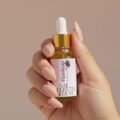
To maintain healthy nails in winter, moisturise hands after every wash, wear gloves outdoors, use a nourishing cuticle oil daily, and avoid harsh soaps and acetone. Keep nails trimmed and file in one direction. Drink water and eat protein-rich foods. These habits prevent dryness, peeling, and breakage. Why Winter Wrecks Your Nails (And What You Can Do About It) Winter in Pakistan might not bring snow to most cities, but the dry, cold air of December and January in places like Lahore, Islamabad, and Quetta can still play havoc with your nails. Indoor heating, hot showers, and constant hand-washing strip away natural oils, leaving nails brittle and prone to peeling. Understanding why this happens is the first step to…
Continue ReadingWinter Nail Care: How to Keep Nails Strong & Hydrated

Skincare Tips for Men: A Beginner’s Guide to Healthy Skin

Start with a simple three-step routine: a gentle cleanser, a lightweight moisturizer, and a broad-spectrum sunscreen every morning. Use a dedicated face wash twice daily, moisturize while skin is damp, and never skip SPF. Add treatments like a niacinamide or salicylic acid serum only after the basics feel consistent. Why Men Need a Skincare Routine (And Why It's Different) Men's skin is structurally different from women's. It's typically about 20-25% thicker, has more collagen (at least until later in life), and produces more sebum (oil) because of higher testosterone levels. That extra thickness and oiliness can make skin look tough and resilient, but it also means clogged pores, shaving irritation, and a shiny T-zone are common complaints. A dedicated…

Continue ReadingSkincare Tips for Men: A Beginner’s Guide to Healthy Skin

How to Actually Get Results from a Brightening or Vitamin C Serum

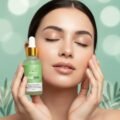
To get results from a brightening or Vitamin C serum, apply it consistently every morning on clean skin, use the right concentration for your skin type, and always follow with sunscreen. Look for stabilized formulas, patch test first, and give it 8–12 weeks to see visible improvement in tone and radiance. Why Brightening Serums Need Consistency and Patience Brightening serums, especially those with Vitamin C, are not overnight miracles. They work by interfering with excess melanin production and neutralizing free radicals that dull your complexion over time. But your skin cells turn over roughly every 28 days, and visible changes in pigmentation often take multiple cycles. If you apply a serum once or twice a week and expect a…

Continue ReadingHow to Actually Get Results from a Brightening or Vitamin C Serum

Body Lotion vs Body Butter: Which Is Better for Dry Skin?

For dry skin, body butter is generally better than body lotion because it contains a higher concentration of occlusive and emollient ingredients like shea butter and cocoa butter that lock in moisture and repair the skin barrier. However, body lotion works well for mild dryness or daytime use. The best choice depends on your skin's severity and your daily routine. Understanding Dry Skin: What's Happening and Why It Matters Dry skin, or xerosis, occurs when your skin's natural barrier is compromised, leading to water loss and a rough, flaky texture. This barrier is made of lipids (fats) and dead skin cells that normally trap moisture. When it's damaged by cold weather, harsh soaps, or genetics, your skin can't hold…

Continue ReadingBody Lotion vs Body Butter: Which Is Better for Dry Skin?

Yogurt for Skin and Hair: Benefits, How to Use & Mistakes

Yogurt is a natural probiotic rich in lactic acid, vitamins, and proteins that can gently exfoliate, brighten, and hydrate skin while strengthening hair. It soothes irritation, reduces dandruff, and improves texture when used in masks or hair packs. Always patch test first and choose plain, unsweetened yogurt for best results. Why Yogurt Works: The Science Behind This Kitchen Staple Yogurt has been used in beauty rituals for centuries, from Cleopatra's legendary milk baths to modern DIY face masks. But what makes this fermented dairy product so effective? The answer lies in its unique composition. Yogurt is made by fermenting milk with beneficial bacteria, which produces lactic acid—a gentle alpha-hydroxy acid (AHA) that softly dissolves dead skin cells and promotes…

Continue ReadingYogurt for Skin and Hair: Benefits, How to Use & Mistakes

Best Soap for Combination Skin That Isn’t Too Harsh

The best soap for combination skin is a gentle, low-pH cleanser with hydrating ingredients like glycerin or goat milk, and optional oil-control actives such as neem. It should clean thoroughly without stripping, leaving both oily and dry zones comfortable. Always patch test first. Why Combination Skin Needs a Different Kind of Soap Combination skin is exactly what it sounds like: your T-zone (forehead, nose, chin) tends to be oilier, while your cheeks and sometimes jawline feel normal to dry. This split personality makes cleansing tricky. A strong, foaming soap that feels amazing on your oily forehead can leave your cheeks tight, flaky, and irritated. On the flip side, a rich, creamy cleanser that pampers dry cheeks may leave your…

Continue ReadingBest Soap for Combination Skin That Isn’t Too Harsh

Sunscreen Stick vs Lotion: Which Is More Convenient Daily?

For most people, a sunscreen lotion is more convenient for full-face and body coverage on a daily basis, while a sunscreen stick wins for quick touch-ups and targeted areas. The best choice depends on your skin type, lifestyle, and how often you reapply. Understanding the Difference: Sticks vs. Lotions Before deciding which format is more convenient, it helps to understand what sets these two apart. Sunscreen sticks are solid, wax-based formulas that glide directly onto the skin. They look a bit like a chubby lip balm or deodorant stick. Lotions, on the other hand, are liquid or cream emulsions that you squeeze or pump out and then spread with your fingers. Both can offer broad-spectrum protection, but their texture,…

Continue ReadingSunscreen Stick vs Lotion: Which Is More Convenient Daily?

How to Treat an Oily, Itchy Scalp Naturally

To treat an oily, itchy scalp naturally, cleanse regularly with a gentle, sulfate-free shampoo, avoid heavy products, and use soothing ingredients like aloe vera, tea tree oil, and apple cider vinegar. Maintain a balanced diet and manage stress to reduce oil production and itching. Why Your Scalp Gets Oily and Itchy An oily, itchy scalp is often the result of excess sebum production combined with irritation or inflammation. Sebum is the natural oil your scalp produces to keep skin and hair moisturised, but when glands work overtime, the scalp can feel greasy and uncomfortable. Several factors contribute to this imbalance, including genetics, hormonal fluctuations, stress, and even the weather. In Pakistan, the hot and humid climate can exacerbate oiliness,…

Continue ReadingHow to Treat an Oily, Itchy Scalp Naturally

Best Nail Care Tips for People Who Do a Lot of Housework

To keep nails strong and healthy despite frequent housework, wear gloves for wet tasks, moisturise after every wash, keep nails short and filed, and use a strengthening nail serum. Avoid harsh chemicals, never use nails as tools, and give cuticles regular care. These habits prevent splitting, peeling, and breakage. Why Housework Takes a Toll on Your Nails If you spend hours every day washing dishes, scrubbing floors, wiping counters, and handling cleaning products, your nails are under constant attack. Water is the number one enemy: when nails soak, they expand; as they dry, they contract. This repeated swelling and shrinking weakens the nail plate, causing layers to separate and peel. Detergents and cleaning agents strip away natural oils, leaving…

Continue ReadingBest Nail Care Tips for People Who Do a Lot of Housework

Shea Butter for Deeply Moisturized Skin: Benefits & How to Use

Shea butter is a rich, plant-based fat extracted from the nuts of the shea tree, prized for its ability to deeply moisturize and nourish the skin. Packed with vitamins and fatty acids, it helps restore the skin barrier, leaving skin soft, supple, and hydrated for hours. What Is Shea Butter and Why Does It Work So Well? Shea butter is a natural fat derived from the nuts of the African shea tree (Vitellaria paradoxa). It has been used for centuries in Africa for its skin-loving properties, and today it's a staple in many moisturizers, balms, and body butters. What makes shea butter so effective is its unique composition: it's rich in fatty acids like oleic, stearic, linoleic, and palmitic…

Continue ReadingShea Butter for Deeply Moisturized Skin: Benefits & How to Use