
Natural Herbal Remedies for Chapped Lips That Actually Work

Chapped lips are a common nuisance, especially in dry or cold climates, and can range from mild flaking to painful cracking. The most effective natural herbal remedies include applying pure honey, coconut oil, or aloe vera gel directly to the lips, creating a protective barrier with beeswax or shea butter, and staying hydrated. These simple, plant-based solutions soothe, moisturize, and help repair the delicate skin on your lips without harsh chemicals. For persistent issues, incorporating a gentle lip balm with herbal extracts and avoiding licking your lips can prevent further damage. Understanding Chapped Lips: Causes and the Role of Natural Herbs Chapped lips occur when the thin, delicate skin on your lips loses moisture faster than it can be…

Continue ReadingNatural Herbal Remedies for Chapped Lips That Actually Work

Hair Fall After Fever: Recovery Tips That Work

After a high fever or illness, you may notice excessive hair shedding that can be alarming. This is a common condition called telogen effluvium, where stress on the body pushes hair follicles into a resting phase, causing them to fall out weeks later. The good news is that this type of hair loss is usually temporary and reversible with the right care, nutrition, and patience. Here’s how to reduce hair fall and support regrowth. What Happens to Your Hair After Illness? When your body fights an infection like dengue, typhoid, or even a severe flu, it prioritizes vital functions over non-essential ones like hair growth. This stress response can send up to 30% of your hair follicles into the…

Continue ReadingHair Fall After Fever: Recovery Tips That Work

Soften Rough, Dry Skin Around Nails: A Complete Guide

To soften rough, dry skin around the nails, focus on consistent moisturizing, gentle exfoliation, and protective habits. Apply a rich, emollient hand cream or cuticle balm several times daily, especially after washing hands. Regularly massage the cuticles with nourishing oils, wear gloves for wet chores, and avoid picking or cutting the skin. Over time, these practices restore suppleness and prevent further dryness. Why the Skin Around Your Nails Gets Rough and Dry The skin around your nails, known as the cuticle and periungual area, is thinner and more delicate than the rest of your hand. It lacks the oil glands that keep other parts of your skin lubricated, making it especially prone to dryness. Everyday activities strip away the…

Continue ReadingSoften Rough, Dry Skin Around Nails: A Complete Guide

How to Pick a Safe Face and Body Soap: A Complete Guide

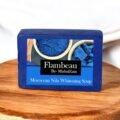
Choosing a soap that works well for both your face and body means looking for a gentle, balanced formula that cleanses without stripping your skin’s natural moisture. Ideal soaps have a pH close to your skin’s (around 4.5 to 5.5), contain mild surfactants or natural oils, and avoid harsh sulfates, synthetic fragrances, and drying alcohols. Always patch test first, and if you have sensitive or acne-prone skin, opt for non-comedogenic and fragrance-free options. In Pakistan, brands like Flambeau offer targeted soaps that can serve both purposes when chosen carefully.What Your Skin Actually Needs from a Dual-Purpose SoapYour face and body have different needs: facial skin is thinner and more delicate, while body skin is generally thicker and less reactive.…

Continue ReadingHow to Pick a Safe Face and Body Soap: A Complete Guide

How Often Should Combination Skin Use Niacinamide Serum?

For combination skin, using a niacinamide serum once daily is the sweet spot, ideally in your morning routine. Start with 2–3 times per week if you're new to it, then build up to daily use as your skin adjusts. This frequency balances oil control on your T-zone while keeping your cheeks hydrated, without risking irritation or over-sensitizing your skin. Always patch test first and monitor your skin's response. Why Niacinamide Suits Combination Skin Combination skin is a balancing act. Your T-zone (forehead, nose, chin) tends to produce excess oil, while your cheeks and jawline often feel dry or even flaky. This dual nature makes choosing the right product and frequency tricky—too heavy and you'll break out; too light and…

Continue ReadingHow Often Should Combination Skin Use Niacinamide Serum?

Nail Care Tips for Housework: Strong, Clean Hands

If you spend hours scrubbing, washing, and cleaning, your nails take a beating. The best way to keep them strong and healthy is to minimize water and chemical exposure by wearing gloves, keeping nails short and filed, moisturizing after every wash, and using a strengthening treatment like a nail growth serum. These habits prevent peeling, brittleness, and breakage, so your hands can look as good as your home. Why Housework Is So Hard on Your Nails Housework is a constant assault on your nails. Every time you plunge your hands into soapy water, you’re stripping away the natural oils that keep your nail plate flexible. Water is the biggest culprit: it seeps into the keratin layers, causing them to…

Continue ReadingNail Care Tips for Housework: Strong, Clean Hands

Aloe Vera Soap for Soothing Irritated Skin: A Complete Guide

Aloe vera soap can be a gentle, effective way to soothe irritated skin, thanks to its natural anti-inflammatory and moisturizing properties. It helps calm redness, reduce itching, and restore the skin's barrier without harsh detergents. For best results, choose a soap with a high aloe content and minimal additives, and always patch test first. Why Aloe Vera Works for Irritated Skin Aloe vera has been used for centuries to treat burns, cuts, and skin inflammation. Its gel contains compounds like polysaccharides, glycoproteins, and antioxidants that help reduce inflammation and promote skin repair. When formulated into a soap, these beneficial properties are transferred to your skin during cleansing, making it a convenient way to incorporate aloe into your daily routine.…

Continue ReadingAloe Vera Soap for Soothing Irritated Skin: A Complete Guide

Combination Skin Routine for Humid Weather: A Guide

For combination skin in humid weather, the goal is to balance oil production without stripping moisture, using lightweight, non-comedogenic products. Start with a gentle cleanser, follow with a water-based moisturizer, and always wear a mattifying sunscreen. Adjust by area: use lighter products on the T-zone and richer ones on dry cheeks. Consistency and seasonal tweaks are key to keeping skin comfortable and clear.Understanding Combination Skin in Humid ClimatesCombination skin is characterized by an oily T-zone (forehead, nose, chin) and dry or normal cheeks. In humid weather, the excess moisture in the air can trigger even more oil production in the T-zone, leading to shine, clogged pores, and breakouts. Meanwhile, the cheeks may still feel tight or flaky, especially if…

Continue ReadingCombination Skin Routine for Humid Weather: A Guide

How to Reduce Forehead and Chin Oiliness: A Complete Guide

To reduce forehead and chin oiliness, focus on gentle cleansing, oil-balancing ingredients like niacinamide and salicylic acid, and a lightweight moisturizer. Avoid over-washing and harsh scrubs, which can trigger more oil. For persistent shine, use blotting papers or a clay mask weekly. Consistency is key—a balanced routine helps your skin regulate sebum naturally. Understanding Why Your Forehead and Chin Get Oily Your forehead and chin—often called the T-zone—are naturally oilier than the rest of your face. This is because these areas have a higher density of sebaceous glands, the tiny glands that produce sebum, an oily substance that keeps skin lubricated and protected. Sebum itself isn't bad; it forms a barrier that locks in moisture and shields against irritants.…

Continue ReadingHow to Reduce Forehead and Chin Oiliness: A Complete Guide

Pre-Wash Hair Oiling Routine for Stronger Hair: Step-by-Step Guide

A consistent pre-wash hair oiling routine is one of the simplest yet most effective ways to nourish your scalp, strengthen your strands, and improve overall hair health. By applying the right oils before shampooing, you create a protective barrier that reduces protein loss, adds moisture, and helps prevent breakage. In this guide, you’ll learn exactly how to build this routine—from choosing the best oils to applying them correctly—so you can enjoy visibly stronger, more resilient hair with every wash.Why Pre-Wash Oiling Matters for Hair StrengthYour hair goes through a lot daily—brushing, styling, sun exposure, and even washing itself can weaken the hair shaft. Pre-wash oiling acts as a protective shield: when you massage oil into your scalp and through…

Continue ReadingPre-Wash Hair Oiling Routine for Stronger Hair: Step-by-Step Guide