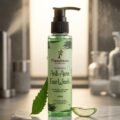

How to Pick a Face Wash That Won’t Clog Pores

To pick a face wash that won't clog pores, look for a non-comedogenic formula with water-based, gel, or foaming textures, and avoid heavy oils, butters, and silicones. Check the ingredient list for pore-clogging culprits like isopropyl myristate, cocoa butter, and certain waxes. For oily or acne-prone skin, choose a cleanser with salicylic acid or benzoyl peroxide; for dry or sensitive skin, opt for gentle, hydrating ingredients like glycerin or ceramides. Always patch test new products and wash twice daily to keep pores clear without over-stripping. Understanding Pore-Clogging Ingredients When you're scanning the back of a face wash bottle, the ingredient list is your best friend. Certain ingredients are notorious for their ability to trap dead skin cells, excess oil,…

Continue ReadingHow to Pick a Face Wash That Won’t Clog Pores

Skincare Habits That Quietly Age Your Skin Faster

Certain everyday habits—like sleeping on your side, skipping sunscreen on cloudy days, or washing your face with hot water—can quietly accelerate skin aging by breaking down collagen, dehydrating the skin, and triggering inflammation. Over time, these seemingly small choices contribute to fine lines, loss of elasticity, and dullness. The good news is that most are easy to correct once you know what to watch for. Why Your Daily Routine Might Be Sabotaging Your Skin Your skin is a living organ, and it responds to every touch, temperature change, and product you apply. Many people assume that aging is purely genetic, but your habits can either speed up or slow down the visible signs of aging. For instance, rubbing your…

Continue ReadingSkincare Habits That Quietly Age Your Skin Faster

How Often Should You Trim and File Your Nails? A Complete Guide

For most people, trimming your nails every 1 to 2 weeks and filing them every 3 to 4 days is the sweet spot for maintaining healthy, neat nails without causing damage. However, your exact schedule depends on your nail growth rate, lifestyle, and the shape you prefer. This guide breaks down everything you need to know about nail trimming and filing frequency, techniques, and common pitfalls, so you can keep your nails strong and beautiful. Understanding Nail Growth and Why Frequency Matters Your nails grow at an average rate of about 3 millimeters per month, which translates to roughly 0.75 millimeters per week. That means in two weeks, your nails can grow about 1.5 millimeters—enough to make them look…

Continue ReadingHow Often Should You Trim and File Your Nails? A Complete Guide

Tulsi for Acne: Holy Basil Benefits for Clearer Skin

Tulsi, or holy basil, is a time-honored herb in Pakistani households and Ayurvedic medicine, and its benefits for acne-prone skin are remarkable. Its natural antibacterial and anti-inflammatory compounds help reduce acne-causing bacteria, soothe redness, and support a clearer, more even complexion. By incorporating tulsi into your routine—whether as a tea, toner, or in skincare products—you can gently tackle breakouts while nurturing your skin's overall health. Why Tulsi Works for Acne-Prone Skin Acne is a complex skin condition influenced by excess sebum, clogged pores, bacteria, and inflammation. Tulsi addresses several of these factors simultaneously. Its primary active compounds—eugenol, ursolic acid, and camphor—provide a trio of benefits: they fight bacteria, reduce swelling, and help balance oil production. Eugenol, in particular, has…

Continue ReadingTulsi for Acne: Holy Basil Benefits for Clearer Skin

Sesame Oil in Traditional Skin & Hair Care Rituals

Sesame oil, pressed from the tiny seeds of the Sesamum indicum plant, has been a cornerstone of traditional beauty rituals across Asia, the Middle East, and Africa for thousands of years. In Ayurveda, it's known as “tila taila” and is prized for its warming, nourishing properties. Traditionally, it's used for abhyanga (self-massage), as a natural moisturizer, and even as a scalp treatment to promote healthier hair. Its rich composition of fatty acids, vitamin E, and antioxidants makes it a versatile oil that supports skin barrier function and soothes dryness, while its antimicrobial properties help keep skin and scalp clean. In Pakistan, where sesame (til) is a familiar kitchen staple, this oil is now being rediscovered as a gentle, effective…

Continue ReadingSesame Oil in Traditional Skin & Hair Care Rituals

Body Lotion vs Body Butter: Which Wins for Dry Skin?

For dry skin, body butter generally wins because its rich, oil-heavy formula provides a thicker, more lasting moisture barrier than body lotion's lighter, water-based blend. However, the best choice depends on your specific dryness level, climate, and how your skin feels—many people benefit from using both at different times. This guide breaks down the differences so you can pick what truly works for you. Understanding Your Dry Skin: Why It Needs More Than Just Moisture Dry skin isn't just a surface issue—it's a sign that your skin's natural moisture barrier is struggling to hold onto water. When that barrier is compromised, transepidermal water loss (TEWL) increases, leaving your skin feeling tight, flaky, and sometimes even itchy. This is especially…

Continue ReadingBody Lotion vs Body Butter: Which Wins for Dry Skin?

Micellar Water vs Face Wash: Which Cleans Skin More Effectively?

Micellar water and face wash serve different purposes: micellar water is a gentle, no-rinse makeup remover and light cleanser, while face wash provides a deeper, water-based cleanse. Neither is universally “better”; the most effective approach often combines both, using micellar water to dissolve makeup and sunscreen, then following with a face wash suited to your skin type for a thorough clean. Your choice should depend on your skin’s needs, your routine, and the level of cleansing required. Understanding Micellar Water: How It Works and When to Use It Micellar water is a clever skincare innovation that uses tiny oil molecules—called micelles—suspended in soft water. When you apply it to a cotton pad and sweep it across your skin, these…

Continue ReadingMicellar Water vs Face Wash: Which Cleans Skin More Effectively?

Daily Hand & Nail Grooming: A Pakistani Beauty Guide

Keeping your hands and nails looking well-groomed daily doesn't require expensive salon visits or complicated routines—it's about consistent, simple habits that protect your skin and nails from daily wear. Focus on moisturizing after every wash, gently pushing back cuticles, and using a nourishing nail product like a growth serum to support strength. With a few minutes each day, you can maintain soft hands and neat nails that look naturally polished. Why Daily Hand and Nail Care Matters More Than You Think Your hands are one of the most visible parts of your body—they're used in every conversation, every handshake, and every selfie. Yet they're also the most neglected when it comes to daily skincare. In Pakistan, where we often…

Continue ReadingDaily Hand & Nail Grooming: A Pakistani Beauty Guide

How to Layer Skincare Before Makeup: A Step-by-Step Guide

The best way to layer skincare before makeup is to follow a simple rule: apply products from thinnest to thickest consistency, starting with cleansing, then toners, serums, moisturizers, and sunscreens, and always waiting a minute or two between each layer so everything absorbs properly. This creates a smooth, hydrated base that helps your makeup apply evenly and last longer, while also keeping your skin healthy underneath.Why Layering Skincare Before Makeup MattersLayering skincare before makeup is not just about piling on products; it’s about creating the perfect canvas. When you apply makeup directly onto bare, unprepared skin, you risk uneven texture, dry patches, and a shorter-lasting finish. A well-layered skincare routine ensures your skin is hydrated, plump, and smooth, which…

Continue ReadingHow to Layer Skincare Before Makeup: A Step-by-Step Guide

Handmade vs Commercial Soap for Sensitive Skin: Which Is Better?

For sensitive skin, handmade soap is generally better than commercial soap because it retains natural glycerin, uses gentler ingredients, and often has a balanced pH, while commercial bars may strip moisture and contain harsh detergents and synthetic fragrances. However, not all handmade soaps are equal, and some commercial options can be suitable if carefully formulated. Always patch test first and look for simple, skin-friendly ingredients. What Makes Handmade Soap Different from Commercial Soap Handmade soap is created through the saponification process, where natural oils and fats react with an alkali, such as sodium hydroxide, to produce soap and glycerin. In traditional cold-process soapmaking, the glycerin—a natural humectant that draws moisture into the skin—is left intact. This is a key…

Continue ReadingHandmade vs Commercial Soap for Sensitive Skin: Which Is Better?