Discover effective pre-event skincare routines to achieve a natural glow. From hydration to exfoliation, these tips will leave your skin looking radiant and...
To get glowing skin before an event, focus on gentle exfoliation, deep hydration, and a consistent skincare routine in the days leading up to it. Start with a mild cleanser, use a hydrating serum with vitamin C, moisturize thoroughly, and don’t forget sunscreen during the day. On the day, keep makeup light and use a facial mist for a dewy finish. Avoid trying new products at the last minute to prevent breakouts or irritation.
Understanding Your Skin’s Needs Before the Big Day
Every skin type has unique requirements, and understanding yours is the first step to achieving that coveted pre-event glow. Whether your skin is dry, oily, combination, or sensitive, the core principle remains: healthy skin reflects light better. For dry skin, focus on layering hydrating products like hyaluronic acid and ceramides to plump the skin and reduce flakiness. Oily skin benefits from oil-free, non-comedogenic moisturizers and a gentle clay mask once or twice a week to control excess sebum without stripping the skin. Combination skin needs a balanced approach—use lighter gels on the T-zone and richer creams on the cheeks. Sensitive skin demands minimal, fragrance-free products to avoid redness and irritation.
One of the most effective ways to boost radiance is through exfoliation, but it must be done correctly. Over-exfoliating can damage your skin barrier, leading to dullness and breakouts. Aim to exfoliate 2-3 times a week with a chemical exfoliant like lactic acid or salicylic acid, which gently dissolve dead skin cells without harsh scrubbing. Physical scrubs with fine particles are okay if your skin tolerates them, but always use a light hand. For a quick pre-event fix, a 10-minute enzyme mask can instantly smooth the skin’s surface. However, always patch test first if you’re trying a new product, especially if you have sensitive skin.
Hydration is the cornerstone of glowing skin. When your skin is well-hydrated, it appears plumper and more luminous. Drink plenty of water throughout the day, but don’t rely solely on internal hydration—topical moisturizers are essential. Look for ingredients like glycerin, hyaluronic acid, and squalane that draw moisture into the skin and lock it in. Apply your moisturizer while your skin is still damp after cleansing to maximize absorption. For an extra boost, use a hydrating serum underneath your moisturizer, and consider a sleep mask the night before your event for intense overnight hydration.
Your nighttime routine in the week leading up to the event is critical. This is when your skin repairs itself, so help it along with nourishing ingredients. Retinol, if you use it, should be introduced weeks in advance, not the night before, as it can cause peeling. Instead, opt for a barrier-repairing night cream with peptides or niacinamide. Niacinamide is a multitasker that improves skin texture, minimizes pores, and evens out tone—ideal for achieving a radiant complexion. Incorporate a facial oil like rosehip or jojoba into your nightly routine if your skin is dry, but use sparingly on oily skin to avoid congestion.
Stress and lack of sleep can sabotage your glow, no matter how good your skincare is. Aim for 7-8 hours of quality sleep in the nights leading up to the event. Elevate your head with an extra pillow to reduce morning puffiness. Manage stress with deep breathing or a short walk; cortisol spikes can trigger breakouts and dull the skin. Remember, a calm mind reflects on your face. If you’re prone to stress-induced breakouts, keep a spot treatment with salicylic acid on hand, but apply it only to active blemishes.
Finally, don’t forget your neck and chest. These areas often show signs of aging and dehydration more quickly than the face. Extend your skincare routine down to your décolletage, using the same cleanser, serum, and moisturizer. Sunscreen is non-negotiable, even on cloudy days, as UV rays cause premature aging and dark spots. The American Academy of Dermatology recommends daily sunscreen with SPF 30 or higher. Make it a habit, and your skin will thank you with a healthy glow.
Step-by-Step Pre-Event Skincare Routine
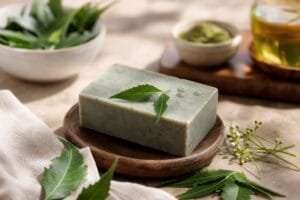
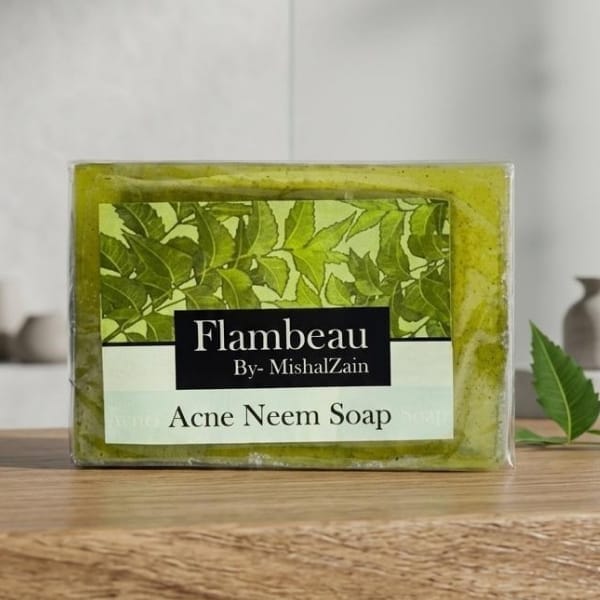
Creating a timeline for your skincare can ensure you don’t miss any crucial steps. Start a week before the event with a deep cleansing treatment like the Acne Neem Soap for Pimples, Oil Control & Deep Skin Cleansing to unclog pores and prevent breakouts. Neem has antibacterial properties that can calm existing acne and keep new ones at bay. Use it in the shower, lathering gently over your face and body, then rinse thoroughly. This is particularly beneficial if you have oily or acne-prone skin, as it helps control oil without over-drying. For best results, use it 3-4 times a week in the lead-up to your event.
Two to three days before, focus on exfoliation. Use a gentle chemical exfoliant containing AHAs or BHAs to slough off dead skin cells and reveal fresh, glowing skin underneath. Apply it in the evening after cleansing, following the product’s instructions. Alternatively, you can use a soft washcloth with your regular cleanser to gently buff away flakes. Avoid combining multiple exfoliants on the same day to prevent irritation. If you notice any redness or sensitivity, skip exfoliation and focus on soothing hydration instead.
The night before the event, treat your skin to a nourishing mask. Choose one that suits your skin’s needs: a hydrating sheet mask for dry skin, a clay mask for oily skin, or a calming mask for sensitive skin. Leave it on for the recommended time, then massage the excess into your skin. Follow with your regular serum and moisturizer. This is also a good time to give yourself a quick facial massage to boost circulation and reduce puffiness. Use your fingertips to gently press and stroke your face in upward motions for a few minutes.
On the morning of the event, keep your routine simple. Cleanse with a gentle face wash, apply a vitamin C serum to brighten and even out skin tone, then moisturize. Don’t skip sunscreen if you’ll be outdoors. For an instant pick-me-up, place a cold damp cloth or chilled cucumber slices over your eyes for 5 minutes to reduce puffiness. If you have any blemishes, use a spot treatment with benzoyl peroxide or salicylic acid, but only on the affected area. Let your skin absorb all products for a few minutes before applying makeup.
When it comes to makeup, less can be more. A lightweight, buildable foundation or tinted moisturizer will let your natural glow shine through. Use a creamy concealer to cover any imperfections, and set with a light dusting of translucent powder only where needed. A cream blush and highlighter on the high points of your face (cheekbones, brow bone, inner corners of eyes) will add a luminous, healthy finish. Finish with a hydrating setting spray to lock in your look and give a dewy glow. Carry blotting papers or a compact powder for touch-ups, but avoid over-powdering, which can make skin look cakey.
Throughout the day, keep your hands off your face. Touching your face transfers dirt and bacteria, which can cause breakouts. If you need to nap or rest, use a clean silk or satin pillowcase to reduce friction and absorb less moisture from your skin. Stay hydrated by sipping water, and avoid salty snacks that can cause bloating. If you feel stressed, take a few deep breaths—your skin will look calmer and more radiant. By following this timeline, you’ll step into your event with confidence and a natural, healthy glow.
Common Mistakes to Avoid Before an Event
One of the biggest mistakes is trying new products at the last minute. Your skin needs time to adjust to new ingredients, and an adverse reaction can ruin your glow. Stick to tried-and-true products in the weeks leading up to the event. If you must introduce something new, do it at least two weeks prior and patch test on a small area first. This includes new makeup and hair products, which can also trigger breakouts along the hairline or neck.
Over-exfoliating is another common pitfall. While you want smooth skin, too much exfoliation can strip your skin’s natural oils, leading to redness, irritation, and even more breakouts. Limit exfoliation to 2-3 times a week, and always follow with a moisturizer. Avoid physical scrubs with rough particles like walnut shells, which can create micro-tears in the skin. Instead, choose gentle chemical exfoliants that dissolve dead cells without friction. If your skin feels tight or looks flaky, you’ve overdone it—back off and focus on hydration.
Picking at pimples or blackheads is a surefire way to cause scarring and inflammation. Resist the urge to pop, as it can push bacteria deeper and make the blemish worse. Instead, apply a spot treatment and let your skincare do its job. If you have a major breakout, see a dermatologist for a cortisone injection, but that’s an extreme measure. For most of us, using a pimple patch overnight can help flatten a blemish without causing damage. Remember, a small imperfection is less noticeable than a red, angry scar.
Skipping sunscreen is a critical error, even if you’re indoors most of the day. UV rays can penetrate windows and cause hyperpigmentation, which dulls your complexion. Always apply a broad-spectrum sunscreen with at least SPF 30 every morning, regardless of the weather. If you’re using exfoliating acids or retinol, sun protection is even more crucial because these can make your skin more sensitive to the sun. Reapply every two hours if you’re outdoors.
Failing to moisturize properly is another mistake. Even if you have oily skin, you need a moisturizer to keep your skin barrier healthy. When your skin is dehydrated, it can overproduce oil to compensate, leading to clogged pores and shine. Choose a lightweight, oil-free moisturizer for daytime and a richer one at night. Apply it to damp skin to lock in moisture. If you skip moisturizer, your skin will look dull and tight, not glowing.
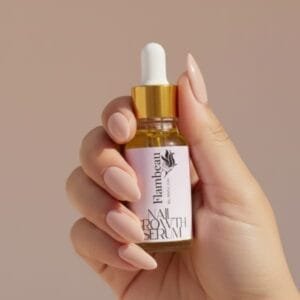
Finally, don’t forget about your lips and hands. Chapped lips can detract from your overall look, so exfoliate gently with a lip scrub and apply a nourishing balm. For your hands, use a rich hand cream and don’t forget your cuticles. If you want your nails to look great for the event, start using a Nail Growth Serum – Helps Nails Grow Stronger, Healthier a few weeks before to strengthen your nails and promote healthy growth. Apply it daily to the nail bed and massage it in. This will help prevent breakage and keep your nails looking polished.
Choosing the Right Products & Ingredients for Your Skin
With countless products on the market, selecting the right ones can be overwhelming. The key is to focus on ingredients that address your specific concerns. For dullness, look for vitamin C, niacinamide, and alpha-hydroxy acids (AHAs) that brighten and exfoliate. For dryness, seek out hyaluronic acid, ceramides, and glycerin. For acne-prone skin, salicylic acid, benzoyl peroxide, and neem are beneficial. Always read labels and avoid fragrances if you have sensitive skin.
When choosing a cleanser, opt for a gentle, sulfate-free formula that won’t strip your skin. A creamy cleanser works well for dry skin, while a foaming or gel cleanser suits oily skin. If you have acne, a medicated cleanser with salicylic acid can help, but be careful not to over-dry. The Acne Neem Soap is a great option for deep cleansing without harsh chemicals, thanks to neem’s antibacterial properties. It’s also non-comedogenic, so it won’t clog pores—which you can read more about in our guide to non-comedogenic soaps.
Serums are the workhorses of a glowing skin routine. A vitamin C serum is a morning essential for brightening and protecting against environmental damage. Look for a stable form like ascorbic acid or magnesium ascorbyl phosphate. Niacinamide serums are excellent for improving skin texture and reducing redness. For hydration, hyaluronic acid serums can hold up to 1000 times their weight in water. Apply serums to clean, damp skin, and allow them to absorb before layering moisturizer.
Moisturizers should be chosen based on your skin type. Dry skin benefits from richer creams with ceramides and oils. Oily skin should use lightweight, gel-based moisturizers that won’t feel greasy. Combination skin can use a lotion that’s balanced, and sensitive skin needs fragrance-free, hypoallergenic formulas. Don’t forget your eye area—use a separate eye cream if you have specific concerns like dark circles or puffiness. Look for caffeine to reduce puffiness and peptides to firm.
When it comes to cleansing, you might wonder about micellar water vs. face wash. Micellar water is great for removing makeup and gentle cleansing, but it’s not a substitute for a thorough wash if you’ve been sweating or wearing heavy makeup. For a deep clean, use a proper face wash. Our post comparing micellar water and face wash can help you decide which method suits your needs. In general, double cleansing—starting with an oil-based cleanser to remove makeup, then a water-based cleanser to cleanse—ensures your skin is perfectly clean without stripping.
Finally, consider your skin’s health holistically. A healthy diet rich in antioxidants, omega-3 fatty acids, and vitamins can enhance your glow from within. Foods like berries, nuts, and leafy greens are excellent. Avoid excessive sugar and dairy, which can trigger inflammation and breakouts. Regular exercise boosts circulation, giving your skin a natural rosy glow. And don’t underestimate the power of stress management—practices like meditation or journaling can reduce cortisol levels, which in turn improves your skin’s appearance. For more tips, explore our blog for skincare advice that’s tailored to Pakistani skin and climate.
Adapting Your Routine to Different Skin Types
If you have dry skin, your pre-event focus should be on intense hydration. Use a gentle cleanser that doesn’t foam, like a milky or cream cleanser. Follow with a hydrating serum containing hyaluronic acid, then a rich moisturizer with ceramides. Consider a facial oil like rosehip or argan to seal in moisture. The night before the event, apply a thick layer of a sleeping mask and leave it on overnight. Avoid long, hot showers, which can strip oils. Instead, use lukewarm water and pat your skin dry, then apply moisturizer immediately.
Oily skin requires a careful balance between controlling shine and keeping the skin hydrated. Use a gel-based cleanser with salicylic acid to keep pores clear. Apply a lightweight, oil-free moisturizer to avoid triggering excess oil production. Clay masks once a week can help absorb excess oil. In the days leading up to the event, avoid heavy creams and rich serums that can feel greasy. Instead, use a niacinamide serum to regulate sebum. For makeup, choose oil-free, mattifying products and set with powder. Carry blotting papers for touch-ups.
Combination skin often needs a split approach. Use a gentle foaming cleanser that works for both areas. Apply a lightweight gel moisturizer all over, then add a richer cream to your cheeks if they feel dry. Use a clay mask on your T-zone only, twice a week. Exfoliate with a mild AHA/BHA to balance texture. When choosing serums, look for ones that hydrate without being too heavy. Hyaluronic acid is perfect because it hydrates without clogging. For events, use a primer that mattifies the T-zone and hydrates the rest.
Sensitive skin needs the most careful handling to avoid irritation. Stick to fragrance-free, hypoallergenic products with minimal ingredients. Look for soothing ingredients like aloe vera, chamomile, and allantoin. Do a patch test before any new product. Avoid harsh scrubs and strong exfoliants. The night before, use a calming mask with oatmeal to reduce redness. On the day, apply a mineral sunscreen with zinc oxide. If you experience any stinging or redness, simplify your routine to just a gentle cleanser and moisturizer.
For acne-prone skin, prevention is key. Use a cleanser with salicylic acid or benzoyl peroxide to keep breakouts at bay. However, don’t overdo it—use it once a day to avoid dryness. Incorporate a non-comedogenic moisturizer to keep the skin barrier healthy. In the week before the event, avoid picking or popping pimples. If you have a breakout, use a spot treatment with tea tree oil or salicylic acid. The Acne Neem Soap can be a great addition to your routine, as neem helps reduce inflammation and prevent new breakouts. For more product recommendations, check out our Skin Care category.
Regardless of your skin type, consistency is more important than intensity. A simple routine you follow daily will yield better results than a complicated one you do once. Start your pre-event routine at least a week in advance, and don’t forget to patch test anything new. Listen to your skin—if something causes irritation, stop using it. With the right care, your skin will glow naturally, and you’ll feel confident at your event.
Quick Fixes for Last-Minute Glow
If you’re short on time, there are a few quick tricks to boost your glow. A cold compress can reduce puffiness and tighten pores. Apply a brightening sheet mask for 10 minutes to instantly hydrate. Use a facial roller to de-puff and improve circulation. For a makeup-multitasker, mix a drop of liquid highlighter into your foundation for a luminous finish. These are temporary fixes, but they can make a difference when you’re in a pinch.
Indoor vs. Outdoor Events: Adjusting Your Glow Strategy
If your event is outdoors, sunscreen is your best friend. Reapply every two hours, and consider a setting spray with SPF. For indoor events, you can skip extra sunscreen but still wear a moisturizer with SPF. In humid weather, opt for lightweight, water-based products. In dry air, focus on hydration and carry a facial mist. Adjust your makeup accordingly—use more powder outdoors to control shine, and more cream products indoors for a dewy look.
Budget-Friendly Glow: How to Get the Look for Less
You don’t need to splurge to achieve glowing skin. Focus on affordable, effective ingredients like aloe vera, green tea, and honey. DIY masks with oatmeal, yogurt, and turmeric can soothe and brighten. Drugstore brands often have excellent options—look for serums with hyaluronic acid or vitamin C at reasonable prices. The key is consistency, not cost. If you’re on a tight budget, invest in a good sunscreen and a moisturizer; those two can do wonders for your skin’s health.
In the end, the most important thing is to feel good about yourself. Skincare is self-care, and the ritual of preparing for an event can be calming and enjoyable. Your glow comes from within, and a healthy lifestyle will always reflect on your skin. So take a deep breath, smile, and enjoy your moment—you’ve earned it.
Frequently Asked Questions
How early should I start my skincare routine before an event?
Start at least one week in advance to allow time for gentle exfoliation and hydration. Avoid new products within 2-3 days of the event to prevent adverse reactions.
Can I use a new face mask the night before an event?
It's risky to try a new mask so close to the event, as it may cause irritation. Stick to masks you've used before, or do a patch test first.
What's the quickest way to reduce puffiness on the day of an event?
Apply a cold compress or chilled spoons over your eyes for a few minutes. A quick facial massage with your fingers can also help stimulate circulation and reduce puffiness.
Is it okay to skip moisturizer if I have oily skin?
No, even oily skin needs moisturizer to maintain a healthy barrier. Use a lightweight, oil-free moisturizer to hydrate without clogging pores.
Written by Mishal Rehman, owner of Flambeauty — sharing practical, professional beauty and skincare guidance.
Updated: August 2026