Discover effective herbal remedies for dry, cracked heels, from natural ingredients to daily habits. Learn how to soothe, soften, and protect your feet with...
Dry, cracked heels can be soothed and improved with simple herbal remedies like coconut oil, aloe vera, and oatmeal soaks, combined with regular exfoliation and moisturizing. These natural ingredients help soften thick skin, reduce discomfort, and support the skin’s barrier. Consistency is key—daily care, gentle scrubbing, and wearing comfortable footwear can make a noticeable difference. For stubborn cracks, pairing herbal treatments with a barrier-repairing serum can speed up visible improvement.
Understanding Dry, Cracked Heels: Causes and Why Herbal Remedies Help
Dry, cracked heels occur when the skin around your feet loses moisture and elasticity, often due to factors like hot showers, harsh soaps, dry climates, prolonged standing, and wearing open-backed shoes. The skin on our heels is naturally thicker and has fewer oil glands, making it more prone to dryness. Over time, this dryness can turn into fissures—painful cracks that may deepen and even bleed if left untreated. Understanding these causes is the first step toward effective care, as it helps you choose remedies that target the root of the problem rather than just masking symptoms.
Herbal remedies work by nourishing the skin with natural oils, humectants, and anti-inflammatory compounds. Ingredients like coconut oil, shea butter, and aloe vera provide deep moisture, while herbs such as chamomile and calendula soothe irritation and promote skin repair. Unlike synthetic products that may contain harsh chemicals, herbal options are gentle yet effective, making them suitable for regular use on sensitive feet. They also often contain antioxidants that protect the skin from environmental damage, which is particularly relevant in Pakistan’s varied climate—from humid coastal areas to dry, dusty inland regions.
Another reason herbal remedies are beneficial is their ability to improve skin barrier function. Cracked heels are a sign of a compromised barrier, where moisture escapes and irritants enter. Natural oils rich in fatty acids, like olive oil and almond oil, help restore lipid balance, sealing in hydration and protecting against further damage. The American Academy of Dermatology emphasizes the importance of moisturizing and gentle exfoliation for managing dry skin, which aligns perfectly with herbal approaches. By incorporating these remedies into your routine, you’re not just treating symptoms but also strengthening your skin’s defense.
Additionally, herbal remedies often have anti-inflammatory and antimicrobial properties. Cracked heels can become infected if bacteria enter through fissures, leading to redness, swelling, and pain. Herbs like tea tree oil and neem have natural antiseptic qualities that help prevent such complications. While they shouldn’t replace medical treatment for severe infections, they can be a preventive measure during early stages. This dual action—moisturizing and protective—makes herbal remedies a holistic choice for heel care.
Lastly, herbal remedies are accessible and affordable, especially in Pakistan where many ingredients are readily available in local markets. You can create effective treatments at home without spending heavily on commercial products. This aligns with a natural, budget-friendly lifestyle, which many people prefer. By understanding the causes and the science behind herbal ingredients, you can tailor your care routine to your specific needs, whether you’re dealing with mild dryness or deep cracks.
Key Herbal Ingredients for Healing Cracked Heels
Certain herbs and natural ingredients stand out for their ability to soften, heal, and protect cracked heels. Coconut oil is a rich emollient that penetrates deep into the skin, providing long-lasting moisture. Its medium-chain fatty acids help repair the skin barrier, while its antimicrobial properties reduce infection risk. For best results, apply it after a warm foot soak when pores are open, and cover with socks to lock in the moisture overnight.
Aloe vera is another powerhouse, known for its soothing and hydrating properties. The gel from the leaf contains polysaccharides that help retain moisture and promote skin regeneration. It’s particularly effective for irritated, inflamed cracks. You can use fresh aloe gel directly from the plant or look for a pure gel product. Applying it twice daily can significantly improve skin softness and reduce pain.
Oatmeal is a gentle exfoliant and anti-inflammatory agent. Colloidal oatmeal, which is finely ground oats, can be added to a foot soak to calm itchy, dry skin. It also helps remove dead skin cells without harsh scrubbing, making it ideal for sensitive or painful heels. A simple soak with oatmeal and a few drops of lavender oil can be a relaxing and effective treatment.
Shea butter is a thick, nutrient-rich butter extracted from the nuts of the shea tree. It’s packed with vitamins A and E, which support skin healing and elasticity. Shea butter forms a protective layer that prevents moisture loss, making it excellent for overnight treatments. Combined with a few drops of tea tree oil (diluted, as it’s potent), it can help address any fungal or bacterial issues that often accompany cracked heels.
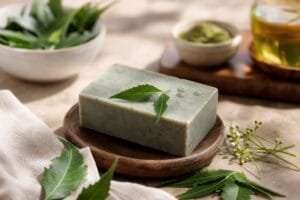
Other beneficial herbs include chamomile, calendula, and neem. Chamomile has anti-inflammatory and soothing properties, ideal for reducing redness and discomfort. Calendula promotes wound healing and can be used as an infused oil or cream. Neem is a traditional remedy in Pakistan, known for its antibacterial and antifungal effects. You can find neem oil or make a neem leaf paste to apply to affected areas. These herbs can be used individually or combined in DIY recipes to create potent healing treatments.
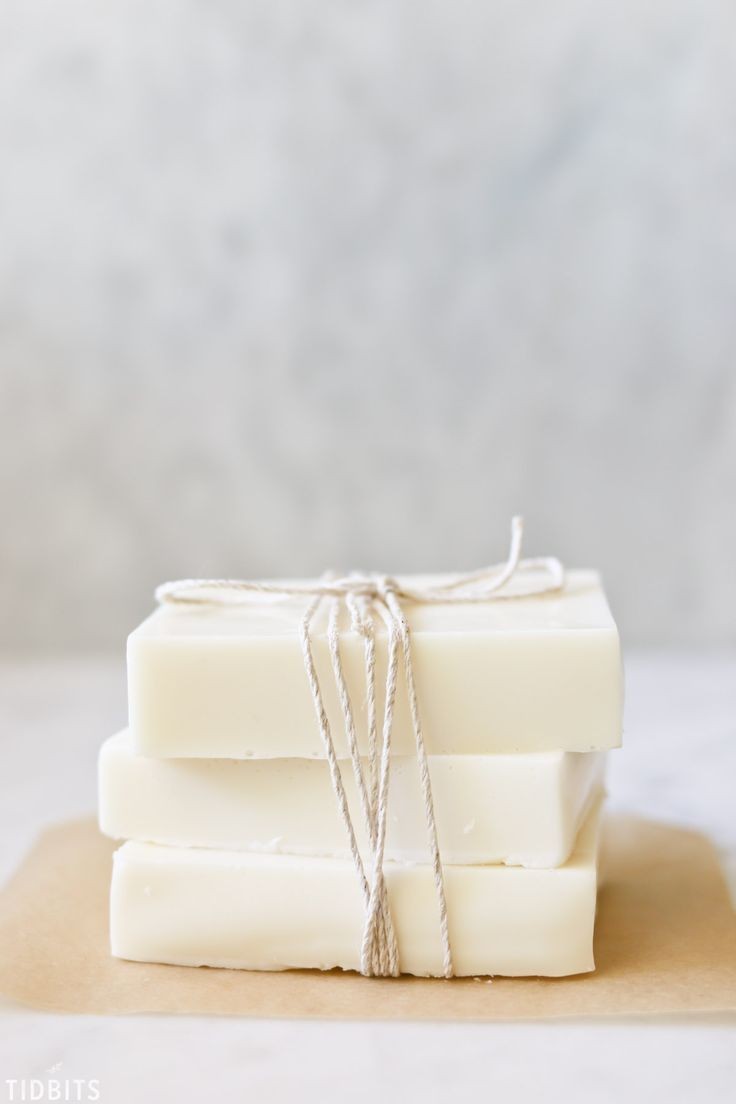
When choosing products, look for those that contain these herbal ingredients in high concentrations. For instance, Goat Milk Soap is a gentle cleanser that can be used during your foot care routine—goat milk contains lactic acid, which gently exfoliates while providing moisture, making it suitable for sensitive, cracked skin. It’s a practical addition to your herbal arsenal, as it cleanses without stripping natural oils.
Step-by-Step DIY Herbal Treatment Routine
Creating an effective herbal treatment routine at home is simple and can be done with ingredients you likely already have. Here’s a step-by-step guide to help you get started. First, always patch test any new ingredient on a small area of your skin to ensure you don’t have an allergic reaction. This is especially important with essential oils like tea tree oil, which should always be diluted.
Begin with a warm foot soak to soften the thick, dry skin. Fill a basin with warm water (not hot, as hot water can strip oils) and add a handful of Epsom salts and a few drops of lavender or chamomile essential oil. Soak your feet for 15-20 minutes. This not only relaxes you but also prepares the skin for exfoliation. You can also add a cup of oatmeal for extra soothing benefits.
After soaking, gently exfoliate using a pumice stone or a foot file. Focus on the heels and any rough patches, but be gentle—avoid scrubbing too hard, as this can cause micro-tears. Use circular motions for a few minutes, then rinse. This step removes dead skin cells, allowing your moisturizing treatments to penetrate deeper. If you have a Goat Milk Soap, use it during this step to cleanse and exfoliate simultaneously; its natural lactic acid helps dissolve dead skin.
Pat your feet dry with a soft towel, leaving them slightly damp. This helps lock in moisture. Next, apply a generous amount of a rich herbal moisturizer. You can use pure coconut oil, shea butter, or a blend you’ve made at home. For a DIY blend, mix two tablespoons of shea butter with one tablespoon of coconut oil and three drops of tea tree oil. Warm the mixture slightly to make it easier to apply. Massage it into your heels and entire foot, paying extra attention to cracked areas.
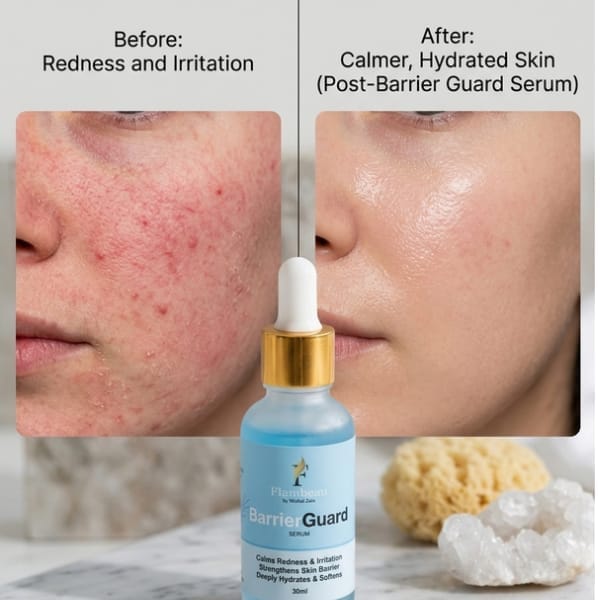
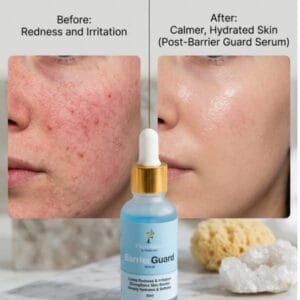
For deep healing, apply a barrier-repairing serum like Barrier Guard Serum 30ml | Skin Barrier Repair. This serum contains ingredients that support skin repair and strengthen the barrier, making it an excellent addition to your routine. Apply a few drops to the cracked areas and let it absorb before applying your moisturizer on top. This layering technique ensures both immediate relief and long-term improvement.
Finally, put on a pair of clean cotton socks to lock in the moisture and let the treatments work overnight. In the morning, remove the socks and gently rinse your feet with lukewarm water. Follow this routine every evening for best results. Within a week or two, you should notice softer, smoother heels and reduced cracking. Consistency is crucial—skipping days can set back your progress.
Common Mistakes to Avoid When Treating Cracked Heels
Many people inadvertently worsen their cracked heels by making common mistakes. One major error is using hot water for soaking. Hot water strips the skin of its natural oils, leading to further dryness and irritation. Always use warm or lukewarm water, and limit soaks to 20 minutes. Similarly, avoid taking long, hot showers that expose your feet to heat and harsh soaps.
Another mistake is over-exfoliating or using aggressive tools. While removing dead skin is necessary, too much scrubbing can damage the new skin underneath, causing more cracking. Use a pumice stone gently and no more than twice a week. If your heels are already cracked, skip exfoliation until the cracks begin to heal, and focus on moisturizing instead.
Neglecting to moisturize regularly is also a common pitfall. Applying lotion once in a while isn’t enough; you need a daily moisturizing routine, ideally twice a day—morning and night. Choose thick creams or oils rather than light lotions, as they provide more lasting hydration. Also, don’t forget to moisturize between your toes and the rest of your feet, not just your heels.
Ignoring the type of footwear you wear can also sabotage your efforts. Open-backed shoes and sandals expose your heels to friction and dryness, while tight shoes can cause pressure and cracking. Opt for comfortable, well-fitted shoes with closed backs, and consider using heel cups or insoles for extra cushioning. Also, avoid walking barefoot on hard surfaces, as this increases pressure on your heels.
Finally, some people pick at or peel the dead skin, which can introduce bacteria and cause infections. Instead of picking, let the skin soften and slough off naturally with regular soaking and moisturizing. If you have diabetes or poor circulation, it’s especially important to avoid self-treatment and consult a doctor, as cracked heels can lead to serious complications in such cases. Always listen to your body; if cracks become painful, infected, or don’t improve with home care, seek professional advice.
Choosing the Right Herbal Products: What to Look For
With so many products on the market, selecting the right herbal treatment can be overwhelming. Here’s what to look for to ensure you’re getting effective, safe options. First, check the ingredient list for high concentrations of herbal extracts and natural oils. Ingredients are listed in descending order of quantity, so if you see “coconut oil” near the top, it’s likely a substantial component. Avoid products where the first ingredient is water or mineral oil, as they may be less effective.
Look for products that contain humectants and emollients in combination. Humectants like glycerin and honey draw moisture into the skin, while emollients like shea butter and jojoba oil seal it in. A well-formulated product will have both. Additionally, seek out products with anti-inflammatory herbs like chamomile, calendula, or licorice root extract, which can soothe irritated skin and promote healing.
Consider the texture and your lifestyle. If you need a quick-absorbing treatment for daytime, a lotion or serum might be preferable. For overnight therapy, a thick butter or balm is more suitable. Also, think about scent—some herbal products have strong natural aromas that may be pleasant or overpowering. Test a small amount to see if you like the feel and smell.
For those who prefer ready-made products, brands like Flambeauty offer a range of skincare items that incorporate herbal ingredients. Their Barrier Guard Serum is a great example—it’s designed to repair the skin barrier, which is essential for cracked heels. It contains ingredients that support lipid balance and reduce moisture loss, making it a valuable addition to your foot care routine.
Also, check for certifications like cruelty-free or organic, if that’s important to you. And don’t forget to consider your budget. Many herbal remedies can be made at home with affordable ingredients, but if you prefer store-bought, compare prices per ounce to find the best value. Remember that expensive doesn’t always mean better; effectiveness depends on the formulation and your consistency in using it.
Finally, read reviews and look for testimonials from people with similar skin concerns. Real experiences can provide insight into how a product works in practice. But remember, everyone’s skin is different, so what works for others may not work for you. Be patient and give a product at least two weeks of regular use before judging its effectiveness.
Tailoring Your Routine to Your Skin Type and Lifestyle
Your approach to treating cracked heels should adapt to your specific skin type and daily habits. For dry skin that is flaky and tight, focus on intense moisturization. Use a rich butter like shea butter or a combination of coconut oil and olive oil. Apply immediately after bathing to lock in moisture, and consider using a humidifier in your room to add moisture to the air.
For sensitive skin that reacts easily, choose gentle, fragrance-free products. Avoid essential oils that might irritate, and stick to soothing herbs like chamomile and calendula. Test any new product on a small patch first. Oatmeal soaks are excellent for sensitive skin as they calm and moisturize without irritation.
If you have oily skin on other parts of your body, you might think your heels aren’t dry, but they still need moisture. Use lighter oils like jojoba or grapeseed oil, which absorb quickly without leaving a greasy residue. Avoid heavy creams that might feel sticky, and focus on regular exfoliation to keep dead skin at bay.
For those with combination skin, where some areas are dry and others oily, you can use a balanced approach. Apply a heavier moisturizer only to the dry, cracked areas, and a lighter lotion to the rest of your feet. This prevents over-moisturizing the parts that don’t need it.
Your lifestyle also plays a role. If you’re on your feet all day, you need to pay extra attention to foot care. Use cushioned insoles and take breaks to elevate your feet. If you’re always in a hurry, choose quick-absorbing treatments like a serum or lotion that you can apply in seconds. For those who prefer natural, DIY solutions, set aside time on weekends for a thorough foot care session.
Budget-conscious readers will be happy to know that herbal remedies are often cost-effective. Most ingredients like coconut oil, oatmeal, and aloe vera are inexpensive and multi-purpose. You can even grow your own aloe plant at home. For those who want to splurge, investing in a high-quality serum or cream can be worth it for faster results. Remember, the best routine is one you can stick to consistently, so choose methods that fit your lifestyle and preferences.
For more tips on caring for your skin and nails, check out our blog for additional guides like Daily Hand & Nail Grooming: A Pakistani Beauty Guide and Best Serum for Reducing Fine Lines Around the Eyes. These resources can help you develop a comprehensive skincare routine that includes your feet.
Frequently Asked Questions
How often should I exfoliate my cracked heels?
Exfoliate gently 2-3 times a week, but if your heels are severely cracked, skip exfoliation until they heal. Over-exfoliating can worsen the cracks.
Can I use these herbal remedies if I have diabetes?
If you have diabetes or poor circulation, consult your doctor before self-treating cracked heels, as they can lead to serious infections. Professional guidance is essential.
How long does it take to see improvement with herbal remedies?
With consistent daily care, you may see softer skin and reduced cracking within 1-2 weeks. Deeper cracks may take longer, so be patient and stick to your routine.
Written by Mishal Rehman, owner of Flambeauty — sharing practical, professional beauty and skincare guidance.
Updated: August 2026