Dry, flaky skin? Compare body lotion vs body butter to find out which one truly hydrates and suits your skin best. Get expert tips and product picks.
For dry skin, body butter is generally better than body lotion because it contains a higher concentration of occlusive and emollient ingredients like shea butter and cocoa butter that lock in moisture and repair the skin barrier. However, body lotion works well for mild dryness or daytime use. The best choice depends on your skin’s severity and your daily routine.
Understanding Dry Skin: What’s Happening and Why It Matters
Dry skin, or xerosis, occurs when your skin’s natural barrier is compromised, leading to water loss and a rough, flaky texture. This barrier is made of lipids (fats) and dead skin cells that normally trap moisture. When it’s damaged by cold weather, harsh soaps, or genetics, your skin can’t hold onto water, and it becomes dry, itchy, and sometimes cracked. In Pakistan, the dry winter months in cities like Lahore and Islamabad, combined with indoor heating, can strip moisture from your skin. Similarly, air conditioning in summer can dehydrate your skin. Understanding this helps you choose between body lotion and body butter, as each works differently to address dryness.
Body lotions are lightweight, water-based emulsions that absorb quickly. They’re great for normal to mildly dry skin, but their high water content means they evaporate fast and may not provide long-lasting relief for very dry skin. Body butters, on the other hand, are thick, oil-based or anhydrous (water-free) formulas packed with rich butters and oils. They create a protective seal over your skin, preventing water loss and delivering deep nourishment. For severely dry skin, this occlusive layer is crucial. However, body butters can feel greasy and take longer to absorb, which some people dislike. Your choice should depend on your skin’s specific needs and your lifestyle.
It’s also important to note that dry skin isn’t just about lack of oil; it’s about lack of water and a damaged barrier. So, simply applying oil may not be enough if you don’t add water first. That’s why dermatologists often recommend applying moisturizer to damp skin after a shower. This traps water in. Body lotions, being water-based, can add that water, but they need help from occlusives to keep it in. Body butters provide those occlusives but lack water. The ideal routine might combine both: a lotion for hydration and a butter for sealing. But if you must choose one, consider the severity of your dryness.
Another factor is the environment. In humid climates, a lightweight lotion might suffice, while in dry, arid regions, a rich butter is better. Pakistan’s diverse climate means you might need different products for different seasons. For example, in Karachi’s humid summers, a body lotion might feel more comfortable, whereas in Quetta’s dry cold, a body butter could be a savior. Also, your skin type matters: if you’re prone to body acne or have oily skin elsewhere, heavy butters might clog pores. Always patch test new products. For more on skin care basics, see the American Academy of Dermatology’s guide.
Body Lotion: Pros, Cons, and When It Works Best
Body lotion is a staple in many skincare routines because it’s easy to apply, absorbs quickly, and feels light on the skin. Most lotions are oil-in-water emulsions, meaning they contain a small amount of oil dispersed in a larger amount of water. This makes them spreadable and fast-penetrating. They often include humectants like glycerin or hyaluronic acid that draw water into the skin, and emollients like jojoba oil or dimethicone that soften the surface. For mild dryness, this can be enough. If your skin feels tight after a shower but isn’t flaky or cracked, a lotion might be all you need. It’s also ideal for daytime use because it doesn’t leave a greasy residue, so you can get dressed quickly.
However, body lotions have limitations for very dry skin. Because they contain a high percentage of water, they can evaporate and leave skin feeling dry again within a few hours. Additionally, many lotions contain alcohol or fragrances that can further irritate dry, sensitive skin. If your skin is extremely dry, you might find yourself reapplying lotion multiple times a day, which isn’t practical. Also, lotions may not provide enough occlusion to repair a damaged barrier; they sit more on the surface. For those with conditions like eczema or psoriasis, a lotion alone might not be sufficient.
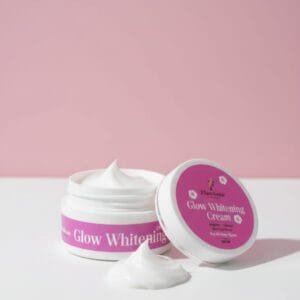
That said, lotions are excellent for maintaining normal skin and preventing dryness in the first place. They’re also great for hairy areas like legs and arms because they don’t leave a heavy film. If you have combination skin—oily in some areas, dry in others—a lotion allows you to moisturize without adding excess oil. Some lotions are formulated with ceramides or niacinamide to support the barrier. For example, Glow Whitening Cream – Brighten & Hydrate for All Skin Types is a versatile option that hydrates while brightening, though it’s a cream not a lotion. Still, it shows that lightweight moisturizers can be effective.
When choosing a body lotion for dry skin, look for one that is fragrance-free, dye-free, and contains ingredients like glycerin, shea butter, or ceramides. Avoid lotions with high alcohol content. Apply immediately after bathing, while skin is still damp, to lock in moisture. If you find your lotion isn’t cutting it, you might need to switch to a butter or layer both. Remember, consistency is key: moisturize at least twice daily. For more tips, check out our blog.
Body Butter: Pros, Cons, and When It’s the Better Choice
Body butter is a thick, rich moisturizer typically made from a blend of butters like shea, cocoa, mango, and oils like coconut, olive, or almond. These ingredients are high in fatty acids and vitamins that nourish and protect the skin. Unlike lotions, body butters are usually water-free or contain very little water, making them highly concentrated. They work by forming a protective barrier on the skin’s surface, reducing transepidermal water loss (TEWL) and allowing the skin to heal. For very dry, cracked, or ashy skin, this barrier is essential. Body butters are especially beneficial in harsh winters or for those with chronically dry skin conditions.
The main drawback of body butter is its texture. It can feel greasy and heavy, and it takes longer to absorb. You might need to wait a few minutes before dressing to avoid staining clothes. Some butters can also clog pores, leading to body acne, especially on the back and chest. If you have oily or acne-prone skin on your body, you might want to use butter only on very dry areas like elbows, knees, and heels. Also, because they are so rich, they can feel uncomfortable in hot, humid weather. However, for many people with dry skin, the benefits outweigh these cons. The key is to find a butter that is formulated with non-comedogenic oils and to use it sparingly if you’re prone to breakouts.
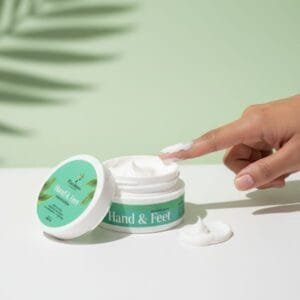
Body butters are also great for targeted treatments. You can apply a thick layer to rough patches and cover with socks or gloves for an overnight treatment. This is similar to how you might use a foot cream. Some butters contain added ingredients like vitamin E or essential oils for extra benefits. For example, Moroccan Nila Soap is a gentle cleanser that pairs well with a rich body butter to maintain moisture. When choosing a body butter, look for one with shea butter or cocoa butter as the first ingredient, and avoid those with mineral oil or parabens if you prefer natural options. Also, consider the scent: unscented is best for sensitive skin.

To use body butter effectively, warm a small amount in your palms and massage it into damp skin after a shower. Focus on dry areas. You can also layer it over a lotion for extra hydration. If you find it too greasy, try a whipped body butter, which has a lighter texture. Remember, a little goes a long way. For those with extremely dry skin, body butter can be a game-changer. It’s also excellent for maintaining skin elasticity and preventing stretch marks during pregnancy. Just be patient with absorption and enjoy the pampering feel.
How to Choose the Right Moisturizer for Your Dry Skin Type
Your skin type and the severity of your dryness should guide your choice between lotion and butter. Here’s a breakdown for different skin types:
Mildly Dry Skin
If your skin feels tight after cleansing but doesn’t flake or crack, a body lotion is likely sufficient. Look for lotions with humectants like glycerin and emollients like jojoba oil. These will hydrate and soften without heaviness. You can use it daily, even in summer. For an extra boost, choose a lotion with ceramides to strengthen the barrier. Apply twice daily for best results.
Moderately Dry Skin
If you experience flaking, itching, or rough patches, you might need a richer lotion or a light body butter. Consider a lotion that contains shea butter or a butter that is whipped for easier spread. You can also layer: apply a lotion first, then seal with a thin layer of butter on very dry areas. This gives you both hydration and occlusion. In winter, you might switch entirely to butter.
Severely Dry or Cracked Skin
For skin that is cracked, painful, or prone to eczema, a heavy body butter is often necessary. Look for butters with colloidal oatmeal or ceramides. Apply generously after bathing and reapply as needed. You might also need an ointment like petroleum jelly for very severe cracks. Consult a dermatologist if your skin doesn’t improve. Body butters with shea and cocoa butter are excellent for healing.
Sensitive or Acne-Prone Body Skin
If you have sensitive skin, choose fragrance-free, dye-free formulas. For acne-prone skin, look for non-comedogenic butters or stick to lightweight lotions. Shea butter is generally non-comedogenic, but coconut oil can clog pores for some. Test on a small area first. You might prefer a lotion with salicylic acid for body acne, but that can be drying, so pair with a gentle butter on dry areas.
Also consider the climate and season. In Pakistan’s summer, a lotion might be more comfortable, while winter calls for butter. If you’re unsure, start with a lotion and see if it’s enough. You can always add a butter for targeted areas. And don’t forget to drink plenty of water and use a humidifier if needed.
Step-by-Step Guide: Building the Perfect Dry Skin Routine
Whether you choose lotion or butter, the way you apply it matters. Follow these steps for best results:
1. Cleanse gently: Use a mild, fragrance-free cleanser or a moisturizing soap like Moroccan Nila Soap. Avoid hot water; lukewarm is best. Pat dry, leaving skin slightly damp.
2. Exfoliate weekly: Once a week, gently exfoliate with a soft cloth or a chemical exfoliant like lactic acid to remove dead flakes. Don’t scrub harshly.
3. Apply moisturizer immediately: Within three minutes of showering, apply your chosen moisturizer. If using lotion, massage in circular motions. If using butter, warm it in your hands first.
4. Layer if needed: For extra dry areas, apply a lotion first, then a thin layer of butter. This is called layering and can be very effective.
5. Reapply as necessary: Throughout the day, especially after washing hands, reapply lotion or butter to maintain moisture.
6. Protect overnight: Before bed, apply a thick layer of butter to your feet and hands, and cover with socks and gloves. This locks in moisture while you sleep.
7. Stay hydrated: Drink water and eat foods rich in omega-3s to support skin health from within.
Consistency is key. Even the best product won’t work if you use it sporadically. Make moisturizing a daily habit. For more routine ideas, see our Skin Care category.
Common Mistakes to Avoid When Treating Dry Skin
Many people inadvertently make their dry skin worse. Here are mistakes to avoid:
Using harsh soaps: Antibacterial or heavily fragranced soaps strip natural oils. Switch to a gentle, moisturizing cleanser. Also, avoid very hot showers.
Not moisturizing damp skin: Applying moisturizer to dry skin is less effective. Always apply within minutes of bathing to trap water.
Over-exfoliating: Scrubbing dry skin can cause micro-tears and irritation. Limit exfoliation to once or twice a week.
Choosing the wrong product: Using a lightweight lotion for severe dryness won’t help. Conversely, using heavy butter on oily skin can cause breakouts. Match the product to your skin’s needs.
Ignoring ingredients: Alcohol, fragrance, and essential oils can irritate dry skin. Read labels and choose fragrance-free options.
Not drinking enough water: Hydration starts from within. Dehydration can worsen dry skin.
Scratching: Scratching dry, itchy skin can damage the barrier and lead to infection. Use cool compresses and moisturize to soothe.
By avoiding these mistakes, you’ll give your skin the best chance to heal. If your skin remains very dry despite your efforts, consult a dermatologist. They can recommend prescription creams or check for underlying conditions like thyroid issues.
Frequently Asked Questions
Can I use body butter on my face?
Body butters are generally too heavy for facial skin and can clog pores. Use a face-specific moisturizer instead.
How often should I apply body lotion or butter for dry skin?
Apply at least twice daily, especially after bathing, and reapply to dry areas as needed.
Which is better for eczema: lotion or butter?
Body butter is often better for eczema because it provides a stronger barrier and is more occlusive. Look for fragrance-free butters with ceramides.
Can I layer body lotion and body butter?
Yes, layering is effective. Apply lotion first to hydrate, then seal with butter on very dry areas.
Written by Flambeau by Mishal Zain — sharing practical, affordable beauty and skincare tips.
Updated: September 2026