Learn how to get real results from brightening or Vitamin C serums: proper application, ingredient tips, common mistakes, and product picks for radiant skin.
To get results from a brightening or Vitamin C serum, apply it consistently every morning on clean skin, use the right concentration for your skin type, and always follow with sunscreen. Look for stabilized formulas, patch test first, and give it 8–12 weeks to see visible improvement in tone and radiance.
Why Brightening Serums Need Consistency and Patience
Brightening serums, especially those with Vitamin C, are not overnight miracles. They work by interfering with excess melanin production and neutralizing free radicals that dull your complexion over time. But your skin cells turn over roughly every 28 days, and visible changes in pigmentation often take multiple cycles. If you apply a serum once or twice a week and expect a dramatic shift, you’ll be disappointed. Consistency is the single most important factor for seeing real improvement.
Think of it like going to the gym: one workout won’t transform your body, but months of regular sessions will. Similarly, a Vitamin C serum needs to be used daily—ideally every morning—to build up its effects. Many people give up after two weeks because they don’t see a glow yet, but that’s exactly when the real work is just beginning. Give any new brightening serum at least 8 to 12 weeks before you judge its effectiveness.
Another reason patience matters: brightening ingredients don’t bleach or whiten skin; they help fade existing dark spots and prevent new ones from forming. That means you’ll first notice that your skin looks less dull and more even-toned, and only later will individual spots start to fade. This gradual process is healthier and safer than harsh lightening creams that can damage your skin barrier.
Finally, consistency also means using the right amount and not skipping days. A pea-sized amount for the whole face is enough; more doesn’t speed up results and can cause irritation. If your skin is sensitive, start with every other day and build up. The goal is a sustainable habit, not a sprint. Pair your serum with a gentle cleanser and moisturizer to keep your barrier happy—if your skin is irritated, it won’t respond well to active ingredients.
What You Actually Need: Ingredients, Products, and Habits
Not all Vitamin C serums are created equal. The most researched form is L-ascorbic acid, but it’s unstable and can oxidize quickly. If you have sensitive skin or live in a hot, humid climate like Pakistan, you might prefer a derivative such as sodium ascorbyl phosphate or ascorbyl glucoside, which are more stable and less irritating, though they may work more slowly. Other brightening heroes include niacinamide, alpha arbutin, tranexamic acid, and licorice root extract. These can be used alongside Vitamin C or in separate products.
Beyond the serum itself, you need three supporting habits: sun protection, gentle cleansing, and moisturizing. Sunscreen is non-negotiable—without it, UV rays will undo any brightening progress and worsen dark spots. Use a broad-spectrum SPF 30 or higher every day, even indoors near windows. A gentle, non-stripping cleanser keeps your skin barrier intact, and a good moisturizer prevents dryness that can make your skin look dull.
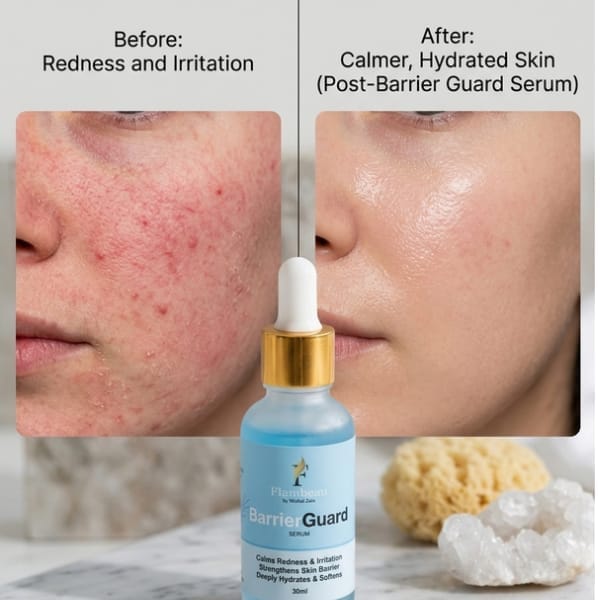
When choosing products, look for airtight, opaque packaging (dark glass or pump bottles) to protect Vitamin C from light and air. If your serum turns dark orange or brown, it has oxidized and is no longer effective—toss it. For a reliable option, consider Barrier Guard Serum 30ml | Skin Barrier Repair, which supports your skin’s barrier while you use brightening actives. You can also explore more serums in our serums category to find one that suits your skin type.
If you’re on a budget, don’t feel pressured to buy a dozen products. A simple routine with a well-formulated Vitamin C serum, a basic moisturizer, and sunscreen can deliver impressive results. Sometimes a Beauty Care Deal can give you a curated set at a better price. Just remember: the best serum is the one you’ll actually use consistently.

Step-by-Step: How to Apply Your Brightening Serum for Best Results
Step 1: Start with a clean face. In the morning, wash your face with a gentle cleanser and lukewarm water. Pat dry—don’t rub. If you use a toner, apply it now and let it absorb. Your skin should be dry before applying Vitamin C, as some formulas can be unstable in water.
Step 2: Apply 3–5 drops or a pea-sized amount. Dispense the serum into your palm, then dot it on your forehead, cheeks, and chin. Gently pat and press it into your skin using your fingertips. Avoid the eye area unless the product is specifically formulated for eyes. Don’t rub aggressively—patting helps absorption and prevents pulling on your skin.
Step 3: Wait 1–2 minutes. Let the serum fully absorb before applying the next product. This prevents pilling and ensures the Vitamin C penetrates effectively. Use this time to brush your teeth or pick your outfit.
Step 4: Follow with a moisturizer. A lightweight moisturizer seals in hydration and supports your skin barrier. If your serum is watery, a moisturizer also prevents it from evaporating. For extra brightening, you can layer a niacinamide moisturizer, but introduce one new product at a time.
Step 5: Finish with sunscreen. This is the most crucial step. Apply a generous amount of broad-spectrum SPF 30 or higher. Without sunscreen, your brightening efforts are wasted. Reapply every two hours if you’re outdoors. If you’re using a Vitamin C serum in the evening instead, still use sunscreen the next morning—UV damage accumulates.
At night, you can use a different brightening serum like retinol or alpha hydroxy acids, but don’t mix them with Vitamin C in the same routine unless you know your skin can handle it. For more tailored advice based on age, see our Late 20s Anti-Aging Serum Guide: What Actually Works.
Common Mistakes That Sabotage Your Results
Mistake 1: Skipping sunscreen. This is the biggest one. Even if you use the best Vitamin C serum, unprotected sun exposure will trigger new pigmentation and break down collagen. UV rays undo brightening faster than any serum can fix. Make sunscreen a daily habit, rain or shine.
Mistake 2: Using too much product. More serum doesn’t mean faster results. Overloading your skin can cause irritation, redness, and even breakouts. Stick to the recommended amount—usually a pea-sized or 3–5 drops. If you’re unsure, check the product label.
Mistake 3: Not patch testing. Always patch test first when trying a new serum, especially if you have sensitive skin. Apply a small amount behind your ear or on your inner forearm and wait 24 hours. If you see redness, itching, or swelling, don’t use it on your face.
Mistake 4: Mixing incompatible ingredients. Vitamin C doesn’t play well with benzoyl peroxide or strong acids in the same layer. It can also be destabilized by certain preservatives. If you use multiple actives, alternate them—Vitamin C in the morning, retinol at night, for example. If you’re unsure, consult a dermatologist or keep it simple.
Mistake 5: Expecting overnight miracles. As mentioned, brightening takes time. Don’t jump from product to product every two weeks. Choose one well-formulated serum and commit to it for at least two months. Take photos in consistent lighting to track subtle changes—sometimes progress is gradual but real.
Mistake 6: Storing your serum incorrectly. Heat and light degrade Vitamin C. Keep your serum in a cool, dark place—ideally in its original opaque packaging. If you live in a hot climate, consider storing it in the refrigerator. A spoiled serum is a wasted investment.
Choosing the Right Brightening Serum for Your Skin Type
Your skin type should guide your serum choice. Here’s a breakdown for common skin types, including concerns specific to Pakistan’s climate.
Dry or Dehydrated Skin
Look for Vitamin C serums with added hydrating ingredients like hyaluronic acid or glycerin. Avoid high concentrations of L-ascorbic acid (over 15%) as they can be drying. A derivative like sodium ascorbyl phosphate is gentler. Layer with a rich moisturizer to lock in hydration. In dry, cold weather, you might prefer a cream-based brightening serum.
Oily or Acne-Prone Skin
Choose lightweight, water-based serums that won’t clog pores. Niacinamide is excellent for oily skin as it regulates oil and brightens. Avoid heavy oils or silicone-heavy formulas. If you have active acne, treat that first with a gentle routine, then introduce Vitamin C to fade post-acne marks. Don’t use Vitamin C on broken skin—it can sting.
Combination Skin
You can use a balanced serum that hydrates without being too rich. Look for formulas with both Vitamin C and niacinamide, or use separate products on different zones if needed. A gel-cream texture often works well. Monitor your T-zone for excess oil and adjust moisturizer accordingly.
Sensitive or Reactive Skin
Start with the lowest concentration possible, like 5% sodium ascorbyl phosphate, and use it every other day. Avoid fragrances and essential oils. Patch test diligently. If your skin reacts, stop and focus on barrier repair first—a product like Barrier Guard Serum can help calm and strengthen your skin before you reintroduce brightening actives.
Remember, these are general guidelines. Your skin is unique, so what works for a friend might not work for you. Pay attention to how your skin feels and adjust. For more skin-type-specific advice, browse our blog archive.
What to Look for When Buying a Brightening Serum
When scanning product labels, focus on these key factors:
Concentration: For L-ascorbic acid, 10–20% is ideal; higher isn’t always better and can irritate. For derivatives, follow the manufacturer’s recommendation, but typically 5–10% is effective. More isn’t better—efficacy depends on formulation.
Packaging: Choose opaque, airtight pumps or dark glass bottles with droppers. Avoid jars that expose the formula to air and light. If the serum is in a clear bottle, it may lose potency quickly.
Additional ingredients: Look for soothing and stabilizing companions like vitamin E (tocopherol) and ferulic acid, which enhance Vitamin C’s stability and effectiveness. Hyaluronic acid adds hydration. Avoid unnecessary fragrances and alcohol if you have sensitive skin.
Price and value: You don’t need to spend a fortune. In Pakistan, you can find effective brightening serums ranging from PKR 1,500 to PKR 5,000. More expensive doesn’t guarantee better results—check the ingredients and reviews. A Beauty Care Deal can offer good value if you want to try multiple products.
Brand reputation: Choose brands that are transparent about their formulations and conduct stability testing. Look for products that state the pH (Vitamin C is effective at pH below 3.5). If a brand doesn’t provide this info, be cautious.
Finally, consider the climate. In Pakistan’s hot and humid weather, a lightweight, fast-absorbing serum is more comfortable than a heavy one. During winter, you might prefer a more hydrating formula. Always store your serum properly to maintain its potency.
By following these guidelines, you’ll be well on your way to achieving a brighter, more even complexion. Remember, consistency, sun protection, and patience are your best allies. For more tips on maintaining healthy skin, check out our related post on Hair Fall After Fever: Recovery Tips That Work, because overall health reflects in your skin too.
Frequently Asked Questions
How long does it take to see results from a Vitamin C serum?
Most people notice improved radiance and more even tone after 8 to 12 weeks of consistent daily use. Dark spots may take longer to fade, so patience and daily sunscreen are key.
Can I use Vitamin C serum if I have sensitive skin?
Yes, but start with a low concentration (5-10%) and a gentle derivative like sodium ascorbyl phosphate. Patch test first and apply every other day before building up to daily use.
Should I apply Vitamin C serum in the morning or night?
Morning is ideal because Vitamin C provides antioxidant protection against daytime UV and pollution. If you prefer nights, that's fine too, but always wear sunscreen during the day.
What should I look for in a brightening serum?
Look for stabilized Vitamin C (L-ascorbic acid or derivatives), supportive ingredients like vitamin E and ferulic acid, opaque packaging, and a concentration suited to your skin type. Avoid fragrances if sensitive.
Written by Flambeau by Mishal Zain — sharing practical, affordable beauty and skincare tips.
Updated: September 2026