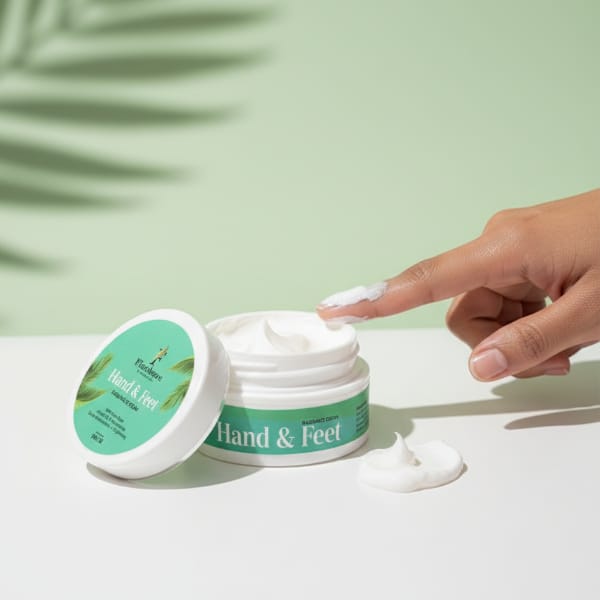
Discover how to keep your skin healthy and clear while wearing hijab daily. Learn cleansing, moisturizing, and fabric tips for a fresh, balanced complexion.
To keep skin healthy under a hijab, cleanse gently twice daily, moisturize with a lightweight gel or lotion, and choose breathable fabrics like cotton. Always remove makeup before bed, exfoliate once or twice weekly, and let your skin breathe when you can. These habits prevent clogged pores and irritation.
Why Hijab-Wearing Skin Needs a Different Approach
Wearing a hijab creates a unique microclimate for your skin. The fabric traps heat, moisture, and sometimes friction against your forehead, cheeks, and jawline. Over a full day, this can lead to excess oil, sweat, and a build-up of dead skin cells that may clog pores. Unlike exposed skin, the covered areas don’t get the same air circulation, so they can feel warmer and more prone to congestion. Understanding this helps you tailor your routine instead of following generic advice that assumes your face is always open to the air.
The key issue is moisture and heat retention. When you wear a hijab, especially in humid or warm weather, your skin’s natural cooling mechanism—sweating—is partially blocked. Sweat mixed with sebum and dead cells creates a film that can irritate or inflame. If you also wear makeup, the combination can be a recipe for breakouts. But don’t worry: with the right habits, you can absolutely maintain clear, comfortable skin. The goal is to support your skin’s natural functions, not fight them.
Another factor is friction. The edges of the hijab, particularly around the hairline and jaw, can rub against the skin. Over time, this may cause redness or small bumps. Choosing soft, breathable fabrics and avoiding tight wrapping helps. Also, the area under the hijab may be more sensitive because it’s constantly covered. That means you should be extra gentle when cleansing and avoid harsh scrubs that could worsen irritation.
Finally, consider the rest of your day. If you wear a hijab for long hours, your skin might not get a chance to “breathe” until evening. This makes your nighttime routine crucial for repair. A consistent, gentle approach will keep your skin balanced and reduce the chance of problems. Remember, healthy skin is about consistency, not perfection. Small, daily choices add up.
Building a Simple Daily Skincare Routine Under Hijab
A good routine doesn’t need ten steps. Focus on three core actions: cleanse, moisturize, and protect. In the morning, start with a gentle cleanser to remove overnight oil and sweat. Avoid foaming cleansers with harsh sulfates if your skin feels tight afterward. A mild, hydrating cleanser works for most skin types. Rinse with lukewarm water—hot water can strip natural oils and make your skin produce more sebum later.
After cleansing, apply a lightweight moisturizer. Under a hijab, heavy creams can feel suffocating and may contribute to clogged pores. Look for gel-based or lotion textures that absorb quickly. Hyaluronic acid and glycerin are excellent ingredients because they attract water without adding oil. If you have oily skin, choose an oil-free moisturizer. For dry skin, a slightly richer lotion is fine, but still avoid occlusive balms during the day.
Next, sunscreen. Yes, even under a hijab, UV rays can penetrate fabric—especially lighter, thinner materials. And if you’re outdoors, indirect sunlight still affects your skin. Use a broad-spectrum sunscreen with SPF 30 or higher. A lightweight, non-greasy formula won’t feel heavy under your scarf. If you wear makeup, let the sunscreen set for a few minutes before applying foundation. For a detailed guide on layering, check out How to Apply Sunscreen Under Makeup: A Step-by-Step Guide.
At night, repeat the cleanse and moisturize steps. This is when you remove the day’s buildup of sweat, oil, and sunscreen. If you wore makeup, use a gentle makeup remover or cleansing balm first, then your regular cleanser. Follow with a moisturizer to support overnight repair. Once or twice a week, you can add a gentle exfoliant—like a lactic acid or mandelic acid serum—to keep pores clear. But don’t overdo it; irritation under the hijab can be frustrating.
Adapting Your Routine by Skin Type
Your skin type should guide your product choices. Here’s how to tweak the basic routine for different needs:
Oily skin: You may need to cleanse more thoroughly, but still gently. Use a salicylic acid cleanser in the evening to help unclog pores. Choose a mattifying moisturizer or a gel with niacinamide to control oil. During the day, blotting papers can help if you get shiny under the hijab. Avoid heavy creams and coconut oil, which can be comedogenic.
Dry skin: Focus on hydration. Use a creamy cleanser that doesn’t foam. Layer a hydrating serum with hyaluronic acid under a ceramide-rich moisturizer. You might also benefit from a facial oil at night, like rosehip or squalane, to seal in moisture. But be careful with oils during the day—they can make the hijab feel greasy.
Combination skin: You might have an oily T-zone and drier cheeks. Use a gentle cleanser and a lightweight lotion all over. You can apply a mattifying primer only on the T-zone if needed. Exfoliate once a week to keep the oily areas clear without irritating the dry parts.
Sensitive skin: Choose fragrance-free products and avoid essential oils. Patch test everything. Always patch test first on your jawline or behind your ear. Look for soothing ingredients like centella asiatica or oat extract. Keep your routine minimal—cleanser, moisturizer, sunscreen—and introduce new items one at a time.
Acne-prone skin: You need to manage both oil and bacteria. Use a gentle cleanser with benzoyl peroxide or salicylic acid (but not both at once). Moisturize with a non-comedogenic gel. Avoid touching your face, and clean your hijab regularly. If acne persists, see a dermatologist.
Step-by-Step: Your Morning and Evening Hijab-Friendly Routine
Here’s a practical, step-by-step routine you can follow. It’s simple enough to stick with daily, and it addresses the specific challenges of wearing a hijab.
Morning:
1. Cleanse gently. Use lukewarm water and a mild cleanser. Massage for 30 seconds, then rinse. Pat dry with a clean towel—don’t rub.
2. Apply a hydrating serum. If your skin is dry or dehydrated, a few drops of hyaluronic acid serum on damp skin can boost moisture.
3. Moisturize. Choose a lightweight lotion or gel. Wait a minute for it to absorb.
4. Sunscreen. Apply a broad-spectrum SPF 30+ evenly. Don’t forget your neck and ears if they’re exposed.
5. Optional: primer. If you wear makeup, a mattifying primer can help control shine under the hijab.
Evening:
1. Remove makeup and sunscreen. Use a cleansing balm or micellar water first, then your regular cleanser. This double cleanse ensures no residue is left.
2. Exfoliate (1-2 times a week). Use a gentle chemical exfoliant like lactic acid. Skip if your skin feels irritated.
3. Treat. If you have acne, apply a spot treatment with benzoyl peroxide or salicylic acid. For dullness, a vitamin C serum in the morning can help brighten.
4. Moisturize. Use a slightly richer night cream or add a few drops of facial oil if your skin is dry.
5. Eye cream (optional). A hydrating eye cream can help with puffiness.
Remember, consistency matters more than product count. Even a three-step routine done daily will outperform a ten-step routine done occasionally.
Common Mistakes to Avoid When Wearing Hijab
Even with good intentions, some habits can sabotage your skin. Here are the most common mistakes and how to fix them.
Mistake 1: Not cleansing properly at night. After a long day, it’s tempting to skip washing your face. But sweat, oil, and sunscreen build up under the hijab. If left on, they can clog pores and cause breakouts. Make cleansing a non-negotiable part of your evening.
Mistake 2: Over-exfoliating. Some people think that because their skin is covered, they need to scrub more. Actually, over-exfoliating damages the skin barrier, leading to redness, sensitivity, and even more oil production. Stick to once or twice a week with a gentle exfoliant.
Mistake 3: Using heavy, occlusive products during the day. Thick creams and balms can trap heat and sweat, making your skin feel suffocated. Save rich moisturizers for nighttime. During the day, opt for lightweight, breathable formulas.
Mistake 4: Wearing the same hijab without washing. Fabric can harbor bacteria, oil, and dead skin cells. If you wear the same scarf multiple days in a row, you’re essentially pressing that buildup back onto your skin. Wash your hijabs regularly—ideally after every one or two wears, especially in summer.
Mistake 5: Choosing the wrong fabric. Synthetic fabrics like polyester trap heat and moisture. Natural fibers like cotton, linen, or bamboo are more breathable. If you prefer chiffon or georgette, look for blends with natural fibers or wear a soft cotton underscarf.
Mistake 6: Touching your face frequently. Under the hijab, you might be tempted to adjust or scratch. But your hands carry bacteria. Keep hands clean and avoid unnecessary touching.
Mistake 7: Ignoring sunscreen. As mentioned, UV rays can penetrate fabric. Don’t skip sunscreen just because you’re covered.
Choosing the Right Products and Ingredients for Hijab-Wearing Skin
When shopping for skincare, look for ingredients that support a healthy barrier and control excess oil without stripping. Here are some key ingredients to consider.
Niacinamide is a superstar for hijab-wearing skin. It helps regulate oil production, strengthens the skin barrier, and can reduce redness. You’ll find it in many serums and moisturizers. Hyaluronic acid is another must-have for hydration—it holds up to 1000 times its weight in water, plumping the skin without heaviness. Salicylic acid is great for unclogging pores, especially if you’re prone to breakouts under the scarf. Use it in a cleanser or toner 2-3 times a week.
For soothing irritation, look for centella asiatica (also known as cica), aloe vera, and green tea extract. These calm inflammation and can help with redness from friction. Ceramides are essential for repairing the skin barrier—they’re naturally found in the skin and can be depleted by harsh products or environmental stress.
Avoid ingredients that can be too harsh: high concentrations of alcohol, sulfates, and essential oils (if you have sensitive skin). Also, be cautious with coconut oil on the face—it can be comedogenic for some.
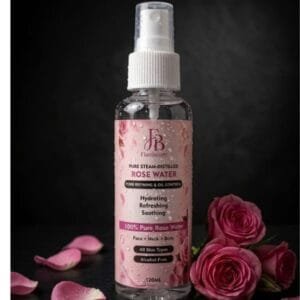
When it comes to specific products, you don’t need to spend a fortune. A gentle cleanser, a niacinamide serum, a lightweight moisturizer, and a sunscreen are enough. If you want to incorporate a soothing toner, rose water is a lovely option. For instance, Flambeauty Pure Steam-Distilled Rose Water – 120ml can be used as a refreshing mist or toner to calm and hydrate skin. It’s gentle and can be kept in your bag for a quick refresh if you’re feeling warm under the hijab.
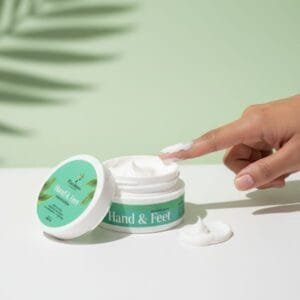
For body care, especially hands and feet that might also be covered, a product like Hand & Feet Whitening Cream | Flambeauty can help maintain smooth, even-toned skin. Remember, “whitening” here refers to brightening and evening out tone, not bleaching. It’s about healthy-looking skin.
Also, consider the role of diet and lifestyle. Drinking plenty of water, eating fruits and vegetables, and getting enough sleep all support skin health from within. Stress can also trigger breakouts, so manage it with relaxation techniques.
Practical Tips for Different Seasons and Situations
Your skincare needs may change with the seasons. In hot, humid weather, you’ll want lighter products and more frequent cleansing. In cold, dry months, you may need richer moisturizers and a hydrating serum. Here’s how to adapt.
Summer: Switch to a gel moisturizer and consider a mattifying sunscreen. Keep blotting papers handy. Wash your hijab more often—sweat and oil build up quickly. A refreshing rose water mist can help cool your skin. You might also want to keep your hair off your face with a soft underscarf to reduce friction.
Winter: The cold air outside and dry indoor heating can dehydrate your skin. Use a creamier cleanser and a thicker moisturizer at night. Don’t skip sunscreen—UV rays are still present. A humidifier in your room can help.
During exercise: If you work out in a hijab, cleanse your face immediately after to remove sweat. Use a gentle cleanser and reapply moisturizer and sunscreen. If possible, choose a breathable sport hijab made of moisture-wicking fabric.
When traveling: Long flights can dry out your skin. Keep a hydrating mist and a rich moisturizer in your carry-on. Wash your face before landing to refresh.
If you wear makeup daily: Double cleansing at night is essential. Also, clean your makeup brushes regularly to avoid bacteria. Consider using a makeup setting spray that’s lightweight and non-comedogenic.
Remember, your skin is unique. What works for someone else may not work for you. Pay attention to how your skin feels and adjust accordingly.
When to See a Dermatologist
While most skin issues under a hijab can be managed with good home care, some situations warrant professional help. If you experience persistent acne that doesn’t improve with over-the-counter treatments, severe redness or irritation, or signs of infection (like pus-filled bumps, pain, or swelling), see a dermatologist. Also, if you notice unusual moles or changes in your skin, get them checked.
A dermatologist can prescribe stronger treatments, such as topical retinoids or antibiotics, and offer personalized advice. Don’t self-treat severe conditions—it can make things worse. For general skin care basics, you can refer to the American Academy of Dermatology for trusted guidance.
In Pakistan, dermatologists are available in most cities. If cost is a concern, many hospitals have dermatology departments with reasonable fees. Your skin health is worth the investment.
Also, consider that some skin issues may be related to underlying health conditions, like hormonal imbalances. A doctor can help diagnose and treat those.
Finally, don’t compare your skin to filtered photos online. Everyone’s skin is different, and the goal is healthy, comfortable skin—not perfection.
For more skincare tips and product recommendations, explore our blog archive and check out our Skin Care category. You might also find our post on Natural Nail Care Habits to Prevent Fungus Effectively helpful for overall self-care.
Frequently Asked Questions
How often should I wash my hijab to prevent skin problems?
Ideally, wash your hijab after every one or two wears, especially if you sweat or wear makeup. This removes oil, dead skin cells, and bacteria that can clog pores.
Can wearing a hijab cause acne?
It can contribute to acne if you don't cleanse properly, use heavy products, or wear unwashed fabrics. But with a consistent routine and breathable materials, you can keep breakouts at bay.
What fabrics are best for hijab-wearing skin?
Natural, breathable fabrics like cotton, linen, bamboo, and modal are best. Avoid synthetic fabrics like polyester, which trap heat and moisture.
Should I wear sunscreen under my hijab?
Yes. UV rays can penetrate fabric, especially lighter materials. Use a broad-spectrum SPF 30 or higher daily to protect your skin from sun damage.
Written by Mishal Rehman, owner of Flambeauty — sharing practical, professional beauty and skincare guidance.
Updated: September 2026