Find the best soap for combination skin that cleans without stripping. Learn ingredients, routines, and product picks for balanced, healthy-looking skin.
The best soap for combination skin is a gentle, low-pH cleanser with hydrating ingredients like glycerin or goat milk, and optional oil-control actives such as neem. It should clean thoroughly without stripping, leaving both oily and dry zones comfortable. Always patch test first.
Why Combination Skin Needs a Different Kind of Soap
Combination skin is exactly what it sounds like: your T-zone (forehead, nose, chin) tends to be oilier, while your cheeks and sometimes jawline feel normal to dry. This split personality makes cleansing tricky. A strong, foaming soap that feels amazing on your oily forehead can leave your cheeks tight, flaky, and irritated. On the flip side, a rich, creamy cleanser that pampers dry cheeks may leave your T-zone feeling like it never got clean, leading to clogged pores and more shine by midday.
The root of the problem is your skin barrier. When you use harsh soaps, you strip away natural oils and disrupt the acid mantle, the slightly acidic film that keeps skin healthy. Your skin then panics and may produce even more oil to compensate, while dry areas become drier and more sensitive. That is why the goal is not to eliminate oil but to cleanse without stripping. A well-formulated soap supports your barrier while removing dirt, sweat, and excess sebum.
Many traditional bar soaps, especially those high in sodium tallowate or with a pH around 9–10, are too alkaline for facial skin. Your skin’s natural pH is around 4.5 to 5.5. Using an alkaline soap can leave it feeling squeaky clean but actually damages the barrier over time, leading to redness, tightness, and even more oil production. So when you are shopping, look for soaps labeled as gentle, low-pH, or formulated for facial use.
Another factor is the climate. In Pakistan, summers are hot and humid, which can make combination skin oilier, while winters are dry and cold, making the dry zones even drier. A soap that works in July may feel too harsh in December. That is why it helps to have a flexible routine or two different gentle soaps you can rotate. The key is to listen to your skin and adjust as the weather changes.
Ultimately, the best soap for combination skin is one that balances: it removes excess oil without over-drying, and it hydrates without leaving a greasy film. It should contain mild surfactants (cleansing agents), soothing botanicals, and perhaps a gentle exfoliant or oil-absorbing ingredient. And it should never leave your face feeling tight or itchy after washing. If it does, that is a sign it is too harsh.
Key Ingredients to Look For (and Avoid) in a Soap for Combination Skin
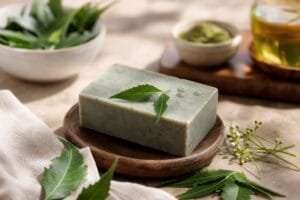
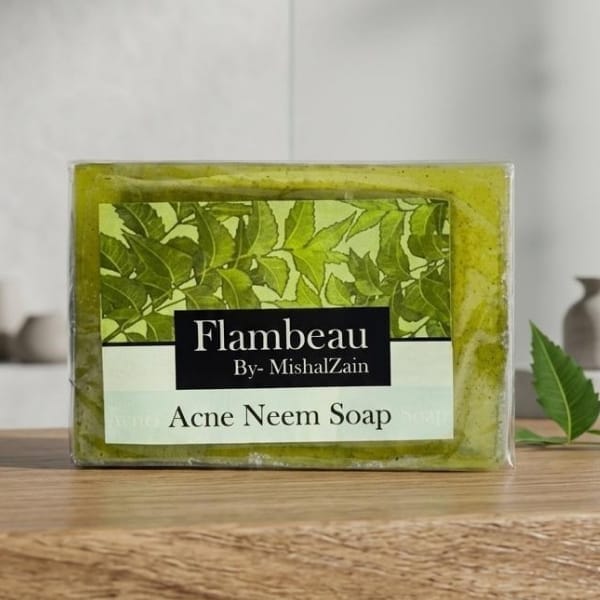
When you read a soap label, focus on what is inside. For combination skin, you want ingredients that cleanse gently, balance oil, and support hydration. One standout is neem, a traditional botanical with antibacterial and antifungal properties. It helps control acne-causing bacteria and soothes inflammation, making it ideal for oily, breakout-prone zones. You will often find neem in soaps designed for acne-prone skin, like the Acne Neem Soap for Pimples, Oil Control & Deep Skin Cleansing. This soap combines neem with other gentle ingredients to deep-clean pores without stripping.
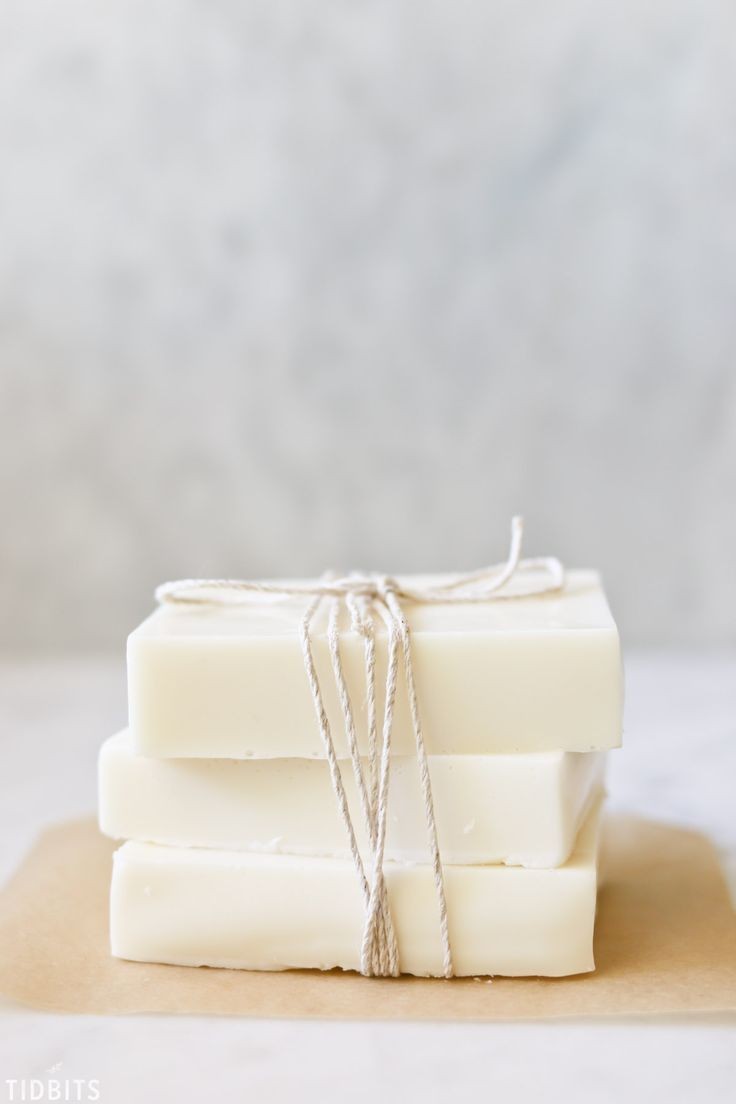
Another hero ingredient is goat milk. It is rich in lactic acid, a gentle alpha-hydroxy acid that exfoliates dead skin cells and brightens, while its fatty acids and vitamins nourish dry areas. Goat milk soap tends to have a creamy lather and a pH closer to skin’s natural level, making it less likely to cause tightness. For combination skin, it can provide moisture where you need it without making your T-zone greasy. You can explore options like the Goat Milk Soap from Flambeauty, which is formulated to be gentle yet effective.
Other beneficial ingredients include glycerin, a humectant that draws water into the skin, and aloe vera, which soothes and hydrates. Kaolin clay or bentonite clay can help absorb excess oil in the T-zone without over-drying, while oatmeal calms irritation and provides mild exfoliation. Tea tree oil is another antibacterial option, but it can be sensitizing for some, so patch test first. Salicylic acid, a beta-hydroxy acid, is oil-soluble and can penetrate pores to clear them, but in a wash-off product its effect is limited; still, it can help.
On the flip side, avoid soaps with harsh sulfates like sodium lauryl sulfate (SLS) or sodium laureth sulfate (SLES) high on the ingredient list, as they can be too stripping. Also steer clear of high concentrations of alcohol, which can dry out skin, and artificial fragrances if you are sensitive. Some people react to essential oils like peppermint or eucalyptus, so if your skin is reactive, choose fragrance-free options. Remember, gentle is the new clean. You do not need a squeaky-clean feeling to know your skin is clean.
It is also wise to check the pH of the soap. Ideally, it should be between 5 and 6, close to your skin’s natural pH. Many artisanal soaps, like those from Flambeauty, are formulated with this in mind. If the label does not specify pH, look for terms like “pH-balanced” or “gentle.” And always do a patch test on your inner arm before using a new soap on your face, especially if you have sensitive skin.
How to Choose the Right Soap for Your Combination Skin
With so many options, choosing can feel overwhelming. Start by identifying your primary concern: is it acne, oiliness, dryness, or sensitivity? If acne is your main issue, a neem-based soap like the Acne Neem Soap could be a great fit. If dryness and dullness bother you more, a goat milk soap might be better. If you have both, you might alternate between two soaps or find one that multitasking like the Goat Milk Soap which also has mild cleansing properties.
Consider the form: bar soap or liquid? Bar soaps are often more concentrated and can last longer, but some can be drying. Liquid cleansers may contain more water and humectants, but they can also have more preservatives. For combination skin, a gentle bar soap with nourishing ingredients can work well, especially if it is cold-processed, which retains natural glycerin. Cold-process soaps are typically milder and more skin-friendly.
Check for certifications or claims like “dermatologist-tested,” “non-comedogenic” (won’t clog pores), and “hypoallergenic.” These are not guarantees, but they can guide you. Also, read reviews from people with similar skin types. What works for someone with oily skin may not work for you. If possible, buy a small size or sample first. Many brands, including Flambeauty, offer trial sizes or you can check their soaps category to compare options.
Another tip: look for soaps that contain a mix of gentle surfactants and emollients. For example, a soap with coconut oil (cleansing) and shea butter (moisturizing) can balance. Avoid soaps that list only one or two ingredients if they are harsh. And remember, price does not always equal quality. There are affordable gems and overpriced duds. Focus on the formula, not the marketing.
Finally, consider the season. In summer, you might prefer a soap with a bit more oil control, like one with neem or clay. In winter, switch to a more hydrating option like goat milk. Having two soaps on rotation is a smart strategy for combination skin. It allows you to adapt without buying a whole new skincare line. And always store your soap in a dry place to prevent it from getting mushy and losing effectiveness.
Step-by-Step: Building a Gentle Cleansing Routine for Combination Skin
Cleansing is the foundation of any skincare routine, but how you cleanse matters as much as what you cleanse with. Follow these steps to keep your combination skin balanced and happy.
Step 1: Prep your hands and face. Always wash your hands first to avoid transferring bacteria. Then, splash your face with lukewarm water. Hot water can strip oils and irritate, while cold water may not dissolve sebum effectively. Lukewarm is just right.
Step 2: Lather the soap. If using a bar, rub it between wet hands to create a lather, then apply the lather to your face. Do not rub the bar directly on your face, as it can be too abrasive and may deposit bacteria. If using a liquid, dispense a small amount (about a dime-sized) into your palms. For combination skin, you might need a little more on your T-zone and less on your cheeks.
Step 3: Massage gently. Using your fingertips, massage the lather onto your face in circular motions. Focus on the T-zone where oil and impurities accumulate, but be gentle on dry areas. Avoid scrubbing vigorously; friction can cause irritation. Spend about 30 seconds to a minute cleansing. Never scrub hard – your skin is not a floor.
Step 4: Rinse thoroughly. Use lukewarm water to rinse all the soap off. Residual soap can clog pores and cause dryness. Check your hairline and jawline, common spots for missed soap. Pat your face dry with a clean, soft towel. Do not rub; patting prevents micro-tears and irritation.
Step 5: Follow with toner and moisturizer. While your skin is still slightly damp, apply a hydrating toner (alcohol-free) and a lightweight moisturizer. This locks in moisture and keeps your barrier healthy. For combination skin, you might use a gel moisturizer on your T-zone and a creamier one on your cheeks. If you use a serum, this is the time. For example, niacinamide can help regulate oil and improve tone; check out this related post on how often combination skin should use niacinamide serum.
Step 6: Repeat morning and night. In the morning, cleanse to remove overnight oil and prep for makeup. At night, cleanse to remove dirt, sunscreen, and makeup. If you wore heavy makeup or sunscreen, consider double cleansing: first with an oil-based cleanser, then your soap. But be careful not to over-cleanse; twice a day is enough for most people. If your skin feels tight after cleansing, reduce to once a day or switch to a gentler soap.
Common Mistakes to Avoid When Cleansing Combination Skin
Even with the best soap, certain habits can sabotage your skin. Here are mistakes to avoid.
Over-cleansing. Washing your face more than twice a day can strip your skin and trigger excess oil production. If you feel oily midday, instead of washing, use blotting papers or a gentle micellar water. Over-cleansing is a one-way ticket to irritation.
Using hot water. Hot water feels soothing but it damages the skin barrier and dilates blood vessels, leading to redness. Stick to lukewarm. Similarly, avoid long, steamy showers for your face.
Scrubbing with harsh exfoliants. Physical scrubs with large particles can cause micro-tears, especially on dry cheeks. Chemical exfoliants like AHAs and BHAs can be beneficial, but use them sparingly (1-2 times a week) and only if your skin tolerates them. Never exfoliate immediately after cleansing with a strong soap.
Neglecting moisturizer. Some people with oily T-zones skip moisturizer, thinking it will make them oilier. But dehydrated skin can produce more oil. Use a lightweight, non-comedogenic moisturizer all over. Your dry cheeks will thank you.
Using the same products year-round. As mentioned, your skin’s needs change with seasons. What works in summer may be too drying in winter. Adjust your soap and moisturizer accordingly. You can also read more tips on everyday beauty tips for looking fresh without heavy makeup to keep your skin glowing.
Ignoring the neck and jawline. These areas are part of your face and can also be combination. Extend your cleansing and moisturizing down to your neck. And do not forget sunscreen in the morning; it is the best anti-aging product.
Not patch testing. Always patch test new products on your inner arm or behind your ear for 24-48 hours before applying to your face. This can save you from a nasty reaction.
Adapting Your Soap Choice to Specific Skin Scenarios
Combination skin is not one-size-fits-all. Here is how to tweak your soap choice based on additional skin concerns.
If You Are Acne-Prone
Look for soaps with neem, tea tree, or salicylic acid. The Acne Neem Soap is a solid choice as it targets acne bacteria and helps control oil. Use it once or twice daily, but if your skin feels dry, alternate with a gentler soap like goat milk.
If You Are Sensitive
Choose fragrance-free, minimal-ingredient soaps. Goat milk soap is often well-tolerated because it is naturally gentle. Avoid essential oils and exfoliating acids. Always patch test.
If You Are Dry in Winter
Switch to a more hydrating soap like goat milk or one with added oils like olive or avocado. You might also reduce cleansing to once a day in the morning with just water, and use soap only at night.
If You Are Oily in Summer
Use a soap with oil-absorbing ingredients like clay or neem. You can also use a toner with witch hazel to control shine. But do not over-dry; moisturize with a gel.
If You Are on a Budget
You do not need to spend a fortune. Many affordable soaps, including those from Flambeauty, are effective. Check their blog for tips and product recommendations. Approximate price ranges for gentle soaps in Pakistan are PKR 500–1500, depending on brand and size.
| Product | Approximate Price (PKR) |
| Acne Neem Soap | PKR 800 |
| Goat Milk Soap | PKR 900 |
| Other gentle soaps | PKR 500–1500 |
Remember, the best soap for combination skin is the one that leaves your skin feeling comfortable, not tight or greasy. It should clean effectively without disrupting your barrier. With the right product and routine, you can achieve balanced, healthy-looking skin. For more personalized advice, consult a dermatologist. And always follow the American Academy of Dermatology’s skin care secrets for gentle cleansing.
Frequently Asked Questions
Can I use the same soap for both my oily T-zone and dry cheeks?
Yes, you can use one gentle soap for your whole face, but you may need to adjust the amount or follow with different moisturizers. For example, use a neem soap lightly on cheeks and more on the T-zone, then apply a richer cream on dry areas. If your skin still feels unbalanced, consider alternating two soaps.
How often should I wash my face if I have combination skin?
Twice a day, morning and night, is generally sufficient. If your skin feels tight or dry, reduce to once a day or use a gentler soap. Over-washing can strip your skin and trigger more oil production.
Is goat milk soap good for combination skin?
Yes, goat milk soap is often great for combination skin because it is gentle, contains lactic acid for mild exfoliation, and provides moisture without being heavy. It can help balance both oily and dry areas, leaving skin soft and comfortable.
What ingredients should I avoid in a soap for combination skin?
Avoid harsh sulfates like SLS, high alcohol content, and strong synthetic fragrances if you are sensitive. Also skip soaps with a high pH (above 7) as they can disrupt your skin barrier. Look for gentle surfactants, glycerin, and soothing botanicals instead.
Written by Mishal Rehman, owner of Flambeauty — sharing practical, professional beauty and skincare guidance.
Updated: September 2026