Struggling with rough, dry skin around your nails? Learn effective habits, ingredients, and step-by-step routines to soften and protect your cuticles for...
To soften rough, dry skin around the nails, focus on consistent moisturizing, gentle exfoliation, and protective habits. Apply a rich, emollient hand cream or cuticle balm several times daily, especially after washing hands. Regularly massage the cuticles with nourishing oils, wear gloves for wet chores, and avoid picking or cutting the skin. Over time, these practices restore suppleness and prevent further dryness.
Why the Skin Around Your Nails Gets Rough and Dry
The skin around your nails, known as the cuticle and periungual area, is thinner and more delicate than the rest of your hand. It lacks the oil glands that keep other parts of your skin lubricated, making it especially prone to dryness. Everyday activities strip away the little moisture it has: frequent hand washing, using alcohol-based sanitizers, exposing your hands to cold or dry air, and handling harsh chemicals like dish soap without gloves. In Pakistan, the dry heat of summer and the cold, dry winters can further sap moisture from your skin, leaving the area around your nails feeling tight, flaky, and even cracked.
When the skin becomes dehydrated, it loses its flexibility and begins to lift or peel. This rough texture isn’t just uncomfortable—it can lead to painful hangnails or even infections if bacteria enter through tiny cracks. Your natural habits might worsen the issue: biting your nails, picking at the skin, or aggressively pushing back cuticles can damage the delicate tissue and trigger more dryness. Understanding these causes is the first step because it helps you target the problem at its root rather than just treating the surface.
Another often-overlooked factor is your diet and hydration levels. Just like the rest of your skin, the cuticle area reflects your internal health. If you’re dehydrated, your skin loses elasticity and becomes more prone to roughness. A lack of essential fatty acids, like omega-3s, can also compromise your skin’s moisture barrier. So while topical care is crucial, supporting your body from within with adequate water intake and nutrient-rich foods can make a noticeable difference in how soft and smooth the skin around your nails feels.
Your nail care routine—or lack of one—can also be a culprit. Many people forget to moisturize this specific area, focusing only on their hands or nails. Using harsh nail polish removers that contain acetone can strip natural oils, leaving the surrounding skin parched. Moreover, repeatedly soaking your hands in water, like during long baths or while washing dishes, can actually pull moisture out of the skin rather than adding it, especially if you don’t apply a moisturizer immediately afterward. Recognizing these triggers helps you adjust your daily habits to protect this fragile area.
Finally, certain medical conditions like eczema or psoriasis can cause chronic dryness and flaking around the nails. If you notice persistent inflammation, severe cracking, or discoloration, it’s wise to consult a dermatologist. However, for most people, occasional roughness is simply a result of environmental stress and neglect. By identifying what’s causing your specific dryness, you can choose the most effective remedies and prevent future flare-ups.
Key Ingredients and Products That Soften and Protect
When it comes to softening rough, dry skin around the nails, the ingredients you use matter more than the price tag. Look for humectants like glycerin, hyaluronic acid, and panthenol, which draw moisture into the skin. Emollients such as shea butter, cocoa butter, and jojoba oil fill in gaps between skin cells, creating a smooth surface. Occlusives like petroleum jelly, lanolin, or beeswax form a protective barrier that locks in moisture and prevents evaporation. A product that combines all three types—like a rich hand cream or cuticle balm—will give you the best results.
For the skin around the nails, oils are especially effective because they penetrate deeply and soften the cuticle. Jojoba oil is a favorite because its molecular structure is similar to your skin’s natural sebum, making it easily absorbed. Vitamin E oil is another excellent choice; it not only moisturizes but also has antioxidant properties that help repair damaged skin. Almond oil and coconut oil are also great options, offering deep nourishment and a pleasant scent. You can use these oils alone or in combination, massaging a few drops into each nail and cuticle before bed.
When choosing a commercial product, read the label carefully. Avoid products with high amounts of alcohol, fragrance, or synthetic dyes, as these can irritate and further dry out the skin. Instead, opt for fragrance-free or lightly scented formulas that list natural oils and butters near the top of the ingredient list. Look for terms like “cuticle cream,” “nail oil,” or “hand repair balm.” Products that contain urea or lactic acid are also beneficial because they gently exfoliate dead skin cells while moisturizing, making them ideal for thicker, rougher patches.
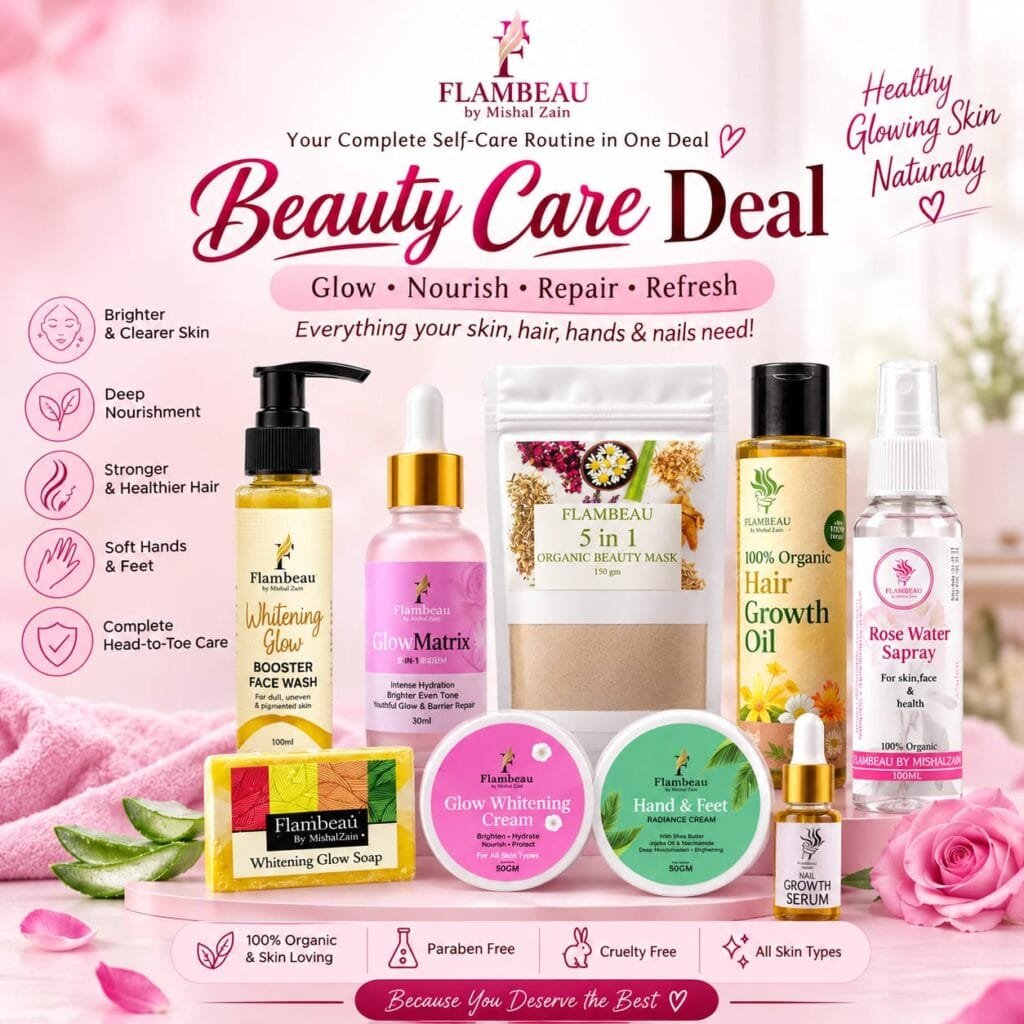
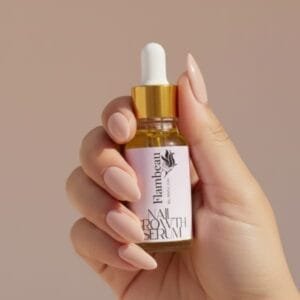
If you’re looking for a dedicated treatment, the Nail Growth Serum – Helps Nails Grow Stronger, Healthier not only supports nail strength but also includes ingredients that condition the surrounding skin. Its formulation is designed to nourish the nail bed and cuticle area, reducing dryness and promoting a healthier appearance. For a broader approach, the Beauty Care Deal bundle may include multiple products that target different aspects of hand and nail care, offering a comprehensive solution.

Remember, consistency is key. Even the best product won’t work if you use it sporadically. Keep a hand cream or cuticle oil in your bag, on your desk, and by your bedside so you can apply it throughout the day. Make it a habit to moisturize after every hand wash, just like you would apply lotion to your face. Over time, you’ll notice the skin around your nails becoming noticeably softer and more resilient.
Step-by-Step Routine to Soften and Smooth
Creating a simple yet effective routine can make a world of difference. Start by gentle exfoliation once or twice a week to remove dead skin cells that make the area feel rough. You can use a soft-bristled nail brush or a gentle sugar scrub. Mix a teaspoon of sugar with some olive oil or honey, then massage the mixture over your cuticles and the sides of your nails for about a minute. Rinse with lukewarm water and pat dry. This helps smooth the surface and allows your moisturizer to penetrate better.
Next, focus on daily moisturizing. After every hand wash, apply a generous amount of hand cream or cuticle balm, paying special attention to the nail folds. Massage the product in circular motions to stimulate blood flow and aid absorption. For an intensive treatment, apply a thick layer of petroleum jelly or a rich cuticle cream and wear cotton gloves overnight. This “glove therapy” locks in moisture while you sleep, leaving your hands incredibly soft by morning.
In addition to moisturizing, protect your hands from harsh conditions. Always wear rubber gloves when washing dishes, cleaning, or using harsh chemicals. In cold weather, wear warm gloves to shield your hands from wind and cold air. If you swim, apply a waterproof barrier cream before entering the pool, as chlorine can be extremely drying. These small protective measures prevent moisture loss and keep the skin around your nails from becoming rough.
Incorporate a weekly soak to deeply nourish the area. Fill a bowl with warm water, add a few drops of jojoba or almond oil, and soak your fingertips for 10 minutes. This softens the cuticles and hydrates the skin, making it easier to gently push back any overgrown cuticles with a wooden stick—never cut them. After soaking, pat dry and immediately apply a rich moisturizer to seal in the moisture. This ritual can be a relaxing part of your self-care routine.
Finally, consider using a nail strengthening serum that also conditions the surrounding skin. Products like the Nail Growth Serum are designed to be applied directly to the nail and cuticle, delivering concentrated nutrients that both fortify the nail and soften the skin. Apply a small drop to each nail and massage it in. For best results, use it consistently as part of your nightly routine.
Common Mistakes to Avoid
One of the biggest mistakes people make is cutting the cuticles. Cuticles are a protective barrier that prevents bacteria from entering the nail bed. Removing them exposes the delicate skin and increases the risk of infection and dryness. Instead, gently push them back after a warm shower or soak, and always moisturize afterward. If you have hangnails, never pull or tear them—clip them carefully with sterilized cuticle scissors and apply an antiseptic ointment.
Another common error is using harsh nail polish removers that contain acetone. Acetone strips the natural oils from your skin and nails, leaving everything dry and brittle. Opt for acetone-free removers, and after using any remover, wash your hands and apply a moisturizer immediately. Also, avoid leaving nail polish on for weeks; give your nails a break every few weeks to let them breathe and recover.
Many people also underestimate the importance of hydration from within. Drinking too little water can exacerbate skin dryness, including around the nails. Aim for at least 8 glasses a day, and include water-rich foods like cucumbers, watermelon, and oranges in your diet. Additionally, a diet lacking in healthy fats—like those found in nuts, seeds, and fish—can compromise your skin’s moisture barrier, so include these regularly.
Ignoring the condition of your hands during seasonal changes is another mistake. In winter, indoor heating lowers humidity, which dries out skin. In summer, air conditioning can have a similar effect. Always adapt your routine to the season by using richer creams in winter and lighter lotions in summer. Also, don’t forget to apply sunscreen to your hands—sun damage can accelerate skin aging and worsen dryness.
Finally, avoid over-washing your hands with hot water and harsh soaps. Hot water strips natural oils, and antibacterial soaps can be especially drying. Use lukewarm water and a mild, moisturizing hand wash. After washing, dry your hands gently with a soft towel and apply a hand cream while they are still slightly damp to lock in moisture. By sidestepping these common pitfalls, you’ll keep the skin around your nails smooth and healthy.
Adapting Your Routine to Different Skin Types and Lifestyles
Your approach to softening rough skin around the nails should be tailored to your skin type. If you have dry skin, opt for heavier creams and balms that provide an occlusive barrier, like those containing shea butter or petroleum jelly. If you have sensitive skin, choose fragrance-free, hypoallergenic formulas and avoid essential oils that might irritate. For oily skin, you might prefer lighter, fast-absorbing oils like jojoba or grapeseed that moisturize without leaving a greasy residue. Combination skin can benefit from layering: a light oil during the day and a rich cream at night.
Lifestyle also plays a role. If you’re a healthcare worker or someone who washes hands frequently, you need a routine that’s quick and effective. Keep a travel-sized hand cream in your pocket and apply it after every wash. If you’re a parent constantly doing dishes or laundry, make sure to wear gloves and do a nightly intensive treatment. For those who work outdoors in Pakistan’s sun, use a moisturizer with SPF during the day and a repairing balm at night.
Budget-conscious readers can still achieve great results without breaking the bank. Simple ingredients like coconut oil, olive oil, or even petroleum jelly from your kitchen are effective and affordable. You can create your own sugar scrub or buy a basic cuticle oil. For those willing to invest a bit more, a dedicated cuticle serum or hand mask can offer quicker results. The key is consistency, not cost.
If you’re looking for a comprehensive solution that combines several nourishing elements, the Beauty Care Deal may be worth exploring. It often includes several products that work together to improve both nail and skin health. Remember, whatever products you choose, always patch test first to ensure you don’t have an allergic reaction. And for more tips on nail care, you can browse our blog or specific nail care products.
What to Look for When Choosing Products
When selecting a product to soften the skin around your nails, start by checking the ingredient list. Avoid products with alcohol, synthetic fragrances, and parabens, as these can irritate and dry out skin. Instead, look for natural oils like jojoba, almond, or argan, and butters like shea or cocoa. Also, consider whether you want a quick-absorbing lotion for daytime use or a thick balm for overnight treatment.
Consider the packaging: a pump bottle for hand cream is hygienic and easy to use, while a tube is portable. For cuticle oils, a brush applicator allows precision. Think about your routine—if you’re always on the go, a small roll-on oil might be convenient. If you prefer a ritual at home, a jar of balm could be more satisfying. Also, check for any certifications like cruelty-free or vegan, if that matters to you.
Read reviews from other users, especially those with similar skin types or lifestyles. Look for feedback on texture, absorption, and long-term effects. Remember that what works for one person may not work for another, so be prepared to try a few options. It’s also helpful to consult a dermatologist if you have persistent issues or conditions like eczema.
Finally, be cautious of products that make exaggerated claims like “instant softness” or “cures dryness.” Effective products work gradually and consistently. Set realistic expectations: you may notice improvement in a few days, but lasting softness requires ongoing care. By choosing wisely and using products regularly, you’ll achieve the smooth, healthy-looking skin you desire around your nails.
Frequently Asked Questions
How often should I moisturize the skin around my nails?
You should moisturize at least twice a day, especially after washing your hands. For very dry skin, apply a cuticle oil or cream every time you wash your hands or whenever they feel tight.
Can I use regular hand cream on my cuticles?
Yes, but a dedicated cuticle balm or oil is often more effective because it contains richer emollients and penetrates deeper. Look for ingredients like jojoba oil, shea butter, or vitamin E.
Is it safe to cut my cuticles?
It's best to avoid cutting cuticles as they protect against infection. Instead, gently push them back after soaking and keep them moisturized. If you have hangnails, clip them carefully with sterilized scissors.
What home remedies can soften rough skin around nails?
Simple remedies include soaking fingertips in warm olive oil, applying coconut oil or petroleum jelly, and using a sugar scrub to exfoliate. These are effective and budget-friendly.
Written by Mishal Rehman, owner of Flambeauty — sharing practical, professional beauty and skincare guidance.
Updated: August 2026