Discover how sea salt scalp exfoliation removes buildup, boosts circulation, and supports healthier hair. Learn step-by-step methods, mistakes to avoid, and...
Sea salt scalp exfoliation is a simple yet powerful way to remove dead skin, product buildup, and excess oil from your scalp, which can help create a healthier environment for hair growth and improve overall hair health. By gently massaging fine sea salt into your scalp, you stimulate blood flow, unclog hair follicles, and balance oil production, leaving your scalp feeling refreshed and your hair looking more voluminous and shiny.
What Is Sea Salt Scalp Exfoliation and Why Does It Matter?
Your scalp is skin, and just like the skin on your face, it accumulates dead cells, sebum, and residue from styling products over time. This buildup can clog hair follicles, leading to a dull appearance, itchiness, and even thinning hair. Sea salt acts as a natural physical exfoliant because its granular texture helps slough away these impurities without the harshness of some synthetic scrubs. But it’s not just about scrubbing—sea salt is rich in minerals like magnesium, calcium, and potassium, which are known to support skin health and can help balance the scalp’s natural oil production.
When you exfoliate your scalp, you’re essentially hitting the reset button. By removing the barrier of buildup, your scalp can better absorb nourishing oils and treatments, and your hair follicles are free to breathe. This is particularly important in humid climates like Pakistan, where sweat and humidity can mix with styling products, making buildup worse. Regular exfoliation—about once a week—can help maintain a clean, balanced scalp, which is the foundation for healthy hair growth.
Moreover, the physical action of massaging sea salt into your scalp stimulates blood circulation. Increased blood flow brings oxygen and nutrients to the hair follicles, which can help strengthen roots and promote healthier hair over time. Many people report that their hair feels lighter and looks fuller after a sea salt scrub, because the removal of buildup reveals the natural volume that was hidden underneath.
Step-by-Step Guide to Exfoliating Your Scalp with Sea Salt
To get the most out of sea salt exfoliation, it’s important to do it correctly. Start with dry or slightly damp hair—this helps the salt granules grip the scalp without dissolving too quickly. Take about one to two tablespoons of fine sea salt (or a mix of sea salt and a carrier oil if you have a sensitive scalp) and gently massage it into your scalp using your fingertips in small, circular motions. Focus on the areas where buildup tends to accumulate, like the crown and the hairline, but avoid pressing too hard—the goal is to exfoliate, not irritate.
Spend about three to five minutes massaging, then let the salt sit for a couple of minutes to allow the minerals to absorb. Rinse thoroughly with warm water, and follow with a gentle shampoo to remove any leftover salt and loosened debris. You can finish with a lightweight conditioner on your lengths, but avoid the roots to prevent weighing them down. Always patch test first on a small area of your scalp if you have any cuts or sensitivities, and limit this treatment to once a week to avoid over-exfoliation.
For an added boost, you can mix sea salt with a few drops of essential oils like tea tree or lavender, which have soothing and antimicrobial properties. However, if you have a dry or flaky scalp, you might prefer to mix the salt with a carrier oil like jojoba or coconut oil to provide moisture while exfoliating. This creates a gentle scrub that buffs away flakes while nourishing the skin. Remember to be consistent—like any skincare routine, you’ll see the best results over time with regular, gentle exfoliation.
Common Mistakes to Avoid When Using Sea Salt on Your Scalp
While sea salt is generally safe, there are several pitfalls that can turn a beneficial treatment into a problematic one. Using too coarse salt or pressing too hard can cause micro-tears in the scalp, leading to irritation, redness, or even infection. Always choose fine or medium-grain sea salt, and use light pressure—your fingertips should glide, not dig. Another common mistake is exfoliating too frequently. Doing it every day can strip the scalp of its natural oils, causing it to produce even more oil to compensate, leading to an oily scalp and potential dryness.
Skipping the rinse thoroughly is another issue. Leftover salt crystals can dry out the scalp and cause itching. Make sure to rinse until the water runs clear and no granules remain. If you have a sensitive scalp or conditions like eczema or psoriasis, it’s best to consult a dermatologist before trying sea salt exfoliation. And don’t forget to moisturize after exfoliating—just like your face, your scalp needs hydration. Use a lightweight, non-comedogenic oil or a soothing scalp serum to restore moisture balance.
Also, avoid using sea salt on an irritated or sunburned scalp. The abrasive action can worsen inflammation. And if you have colored or chemically treated hair, be aware that excessive scrubbing can fade color faster, so you might want to reduce frequency to every two weeks. By avoiding these mistakes, you can safely enjoy the benefits of sea salt without compromising your scalp health.
Choosing the Right Sea Salt and Products for Your Hair Type
Not all sea salt is created equal. For scalp exfoliation, you want unrefined sea salt that retains its natural minerals—think Celtic sea salt or Himalayan pink salt. These are less processed and contain trace elements that are beneficial for skin health. Avoid table salt, which is heavily processed and often contains anti-caking agents that can be irritating. If you have a dry scalp, opt for a finer grain that won’t be too abrasive, and consider mixing it with a moisturizing base. For oily scalps, a slightly coarser grain can provide a deeper clean without stripping too much.
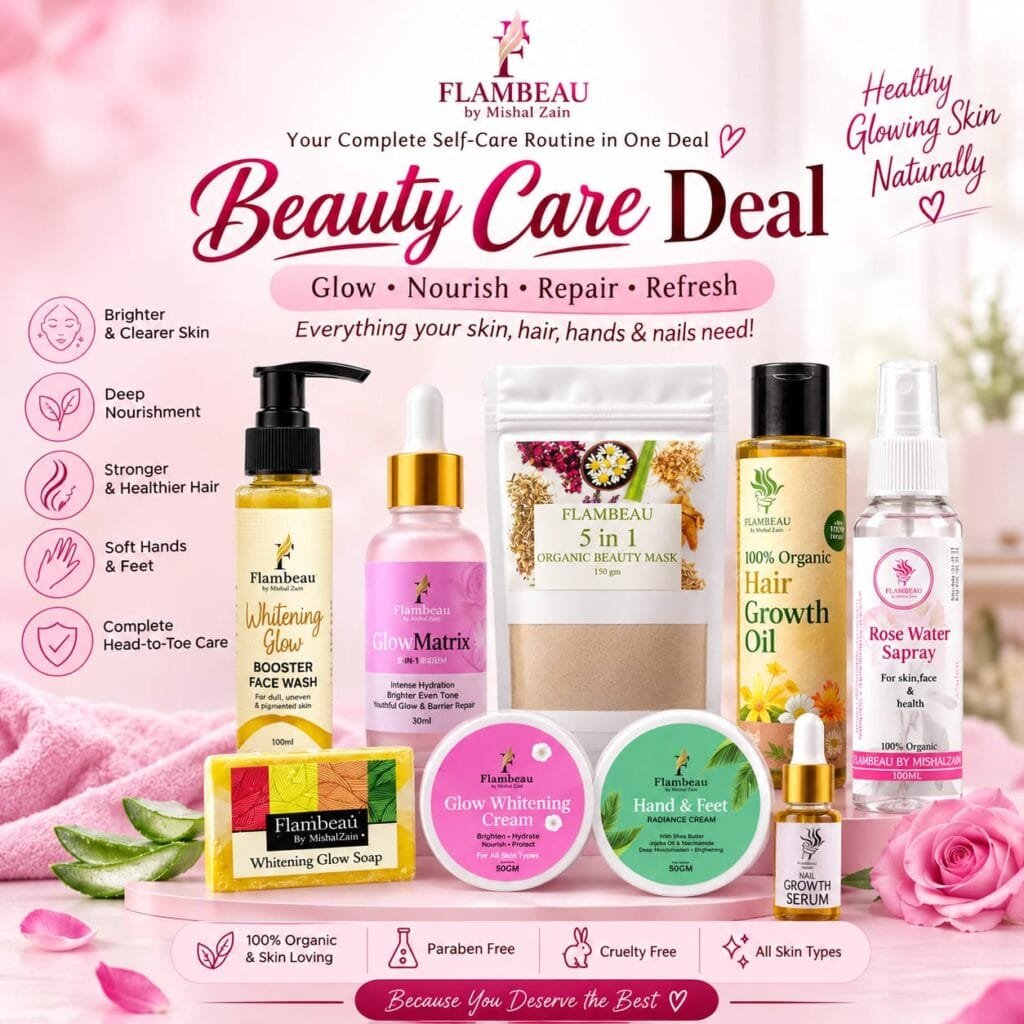
When choosing a store-bought scalp scrub, look for products that list sea salt as a primary ingredient and avoid those with harsh sulfates or synthetic fragrances, which can be drying. You might also consider a salt spray for a lighter, leave-in exfoliation, but for a true scrub, you’ll want a paste-like formula. If you prefer a DIY approach, you can easily make your own with sea salt and a carrier oil. For a complete hair care routine, you can pair your exfoliation with a gentle shampoo and conditioner from a trusted brand like Flambeauty’s Hair Care line to ensure your hair gets the nourishment it needs.
Remember that your hair type matters. If you have curly or coily hair, which tends to be drier, you’ll want to be extra gentle and follow with a rich conditioning treatment. For straight, fine hair, sea salt can add beautiful texture and volume, but avoid overdoing it to prevent dryness. And if you have a sensitive scalp, always do a patch test and start with a lower concentration of salt. The key is to listen to your scalp—if it feels tight or itchy after exfoliating, you’re either using too much salt or not moisturizing enough.
Adapting Sea Salt Exfoliation for Different Hair Types
Sea salt exfoliation isn’t one-size-fits-all. For oily hair and scalps, sea salt can be a game-changer because it helps absorb excess oil and remove the buildup that weighs hair down. Use a slightly coarser salt and massage thoroughly, but don’t overdo it—once a week is usually enough. Follow with a light conditioner only on the ends to keep the roots from getting greasy.
For dry or damaged hair, the key is to mix the sea salt with a hydrating agent like honey or aloe vera gel. This creates a moisturizing scrub that exfoliates without stripping essential oils. You might also reduce the frequency to every two weeks and always follow with a deep conditioning mask. For curly or textured hair, which is prone to dryness and breakage, it’s best to use a very fine sea salt mixed with a rich oil like argan or shea butter. Focus on the scalp, not the lengths, and be gentle to avoid disrupting curl patterns.
If you have a sensitive or irritated scalp, it’s wise to avoid sea salt altogether or use it very sparingly. You can opt for gentler exfoliants like sugar or oatmeal, but if you want to try sea salt, mix it with a soothing ingredient like aloe and only leave it on for a minute. And for those with normal hair, you can enjoy the classic sea salt scrub once a week to maintain a healthy scalp. Remember to always follow up with a nourishing hair oil or serum to keep your scalp balanced. For an extra touch of care, consider using a silk scrunchie like the 1 Silk Scrunchie – Gentle & Perfect for All Hair Types to prevent breakage during sleep.

What to Look For in Scalp Exfoliation Products and Ingredients
When you’re shopping for a scalp exfoliator, either DIY or commercial, pay attention to the ingredient list. Look for natural, mineral-rich sea salt as the primary ingredient, and avoid products with synthetic microbeads, which are harmful to the environment and can be too abrasive. Check for hydrating ingredients like glycerin, aloe vera, or botanical oils that will counteract the drying effects of salt. If you have a specific scalp concern, like dandruff or itchiness, look for added ingredients like salicylic acid, tea tree oil, or zinc pyrithione, which are known to help with those issues.
It’s also important to consider the pH balance. A scalp-friendly exfoliator should have a pH around 4.5 to 5.5, which helps maintain the natural acid mantle. If the product is too alkaline, it can disrupt your scalp’s microbiome. You can test this at home with pH strips, or simply choose products from brands that are transparent about their pH levels. Additionally, avoid products with heavy fragrances or dyes, which can cause irritation, especially if you have sensitive skin.
If you’re looking for a complete hair care routine, you might want to explore the Flambeauty blog for tips on how to integrate exfoliation with other treatments. And if you’re on a budget, you can easily create a DIY sea salt scrub at home using ingredients you likely already have—sea salt, coconut oil, and a few drops of your favorite essential oil. This can be just as effective as a store-bought product, and you have full control over the ingredients. Remember, the best product is one that you’ll use consistently and that works for your specific scalp needs.

Frequently Asked Questions
How often should I exfoliate my scalp with sea salt?
Generally, once a week is enough for most people. If you have a very oily scalp, you might do it twice a week, but for dry or sensitive scalps, stick to every two weeks to avoid over-exfoliation.
Can sea salt scalp exfoliation help with dandruff?
Yes, sea salt can help remove the flakes and buildup associated with dandruff, but it's not a cure. It can improve the appearance and reduce flaking, but for persistent dandruff, you may need a medicated shampoo or see a dermatologist.
Is sea salt safe for colored hair?
Yes, but be gentle. Sea salt can strip color faster if you scrub too hard or too often. Reduce frequency to every two weeks and use a fine grain mixed with a moisturizing oil to minimize color fading.
Can I use table salt instead of sea salt for scalp exfoliation?
It's not recommended. Table salt is heavily processed and contains anti-caking agents that can irritate the scalp. Use unrefined sea salt or Himalayan pink salt for the best results.
Written by Mishal Rehman, owner of Flambeauty — sharing practical, professional beauty and skincare guidance.
Updated: August 2026