Discover why your scalp itches without flakes and how to soothe it. Learn causes, step-by-step routines, and product tips for lasting relief in Pakistan's...
An itchy scalp without dandruff often stems from dryness, product buildup, irritation, or skin conditions like eczema or psoriasis. Gentle cleansing, moisturizing, and avoiding harsh ingredients can soothe it. If itching persists or worsens, consult a dermatologist to rule out underlying issues.
Understanding an Itchy Scalp That Isn’t Dandruff
An itchy scalp can be incredibly frustrating, especially when you don’t see the telltale flakes of dandruff. You might be dealing with a different beast altogether. While dandruff is a common culprit, itching without visible flakes often points to other issues such as dryness, sensitivity, or even product buildup. In Pakistan’s hot and humid climate, sweating can exacerbate scalp irritation, leading to itching that has nothing to do with dandruff. It’s essential to distinguish between the two because the treatments are quite different. Dandruff typically requires antifungal ingredients like zinc pyrithione or ketoconazole, whereas an itchy scalp without flakes may need gentle hydration and soothing agents.
One of the most common misconceptions is that an itchy scalp automatically means dandruff. But the truth is, your scalp can itch for a variety of reasons. For instance, seborrheic dermatitis can cause itching and redness, sometimes without prominent flakes. Psoriasis, eczema, and even allergic reactions to hair products can also trigger itching. Additionally, lifestyle factors like stress, poor diet, and inadequate hair washing can contribute. Understanding the root cause is the first step toward finding relief. If you’re unsure, it’s always best to consult a dermatologist who can properly diagnose your condition.
It’s also worth noting that the scalp is an extension of your skin, and just like the skin on your face, it can become dry, irritated, or sensitive. Harsh shampoos, hot water, and excessive styling can strip away natural oils, leading to a dry, itchy scalp. On the flip side, not washing enough can lead to buildup of oils, dead skin cells, and styling products, which can also cause itching. Finding the right balance is key. In this post, we’ll explore the various causes of an itchy scalp without dandruff, and provide you with practical, effective solutions to soothe and care for your scalp.
Common Causes of Itchy Scalp Without Dandruff
To effectively treat an itchy scalp, you need to identify what’s causing it. Here are some of the most common culprits behind scalp itching that isn’t dandruff. Dry scalp is a frequent offender, especially in dry climates or during winter months. When your scalp lacks moisture, it can become tight, flaky, and itchy. Unlike dandruff, which produces large, oily flakes, dry scalp flakes are usually smaller and drier. If you live in an area with low humidity, or if you frequently use hot water to wash your hair, you might be stripping your scalp of its natural oils. Product buildup is another major cause. When you use styling products, dry shampoo, or even regular shampoo that isn’t rinsed out properly, residue can accumulate on your scalp, clogging hair follicles and causing irritation. This is particularly common if you use heavy gels, pomades, or conditioners that aren’t meant for your scalp.
Allergic reactions or sensitivities to ingredients in hair care products can also lead to itching. This condition, known as contact dermatitis, can be triggered by fragrances, preservatives, or even natural ingredients like tea tree oil. If you’ve recently switched products and noticed itching, that could be the cause. Scalp psoriasis is an autoimmune condition that causes rapid skin cell turnover, leading to thick, silvery scales and intense itching. While it often appears on the scalp, it can also affect other parts of the body. Eczema (atopic dermatitis) can also affect the scalp, causing redness, itching, and flaking. Fungal infections other than dandruff, such as tinea capitis (ringworm of the scalp), can cause itching and hair loss. However, these are less common and usually require medical treatment.
Other factors include stress, which can trigger or worsen itching through a mind-body connection. Poor diet, lacking in essential fatty acids, vitamins, and minerals, can affect scalp health. Hormonal changes, such as those during pregnancy or menopause, can also impact the scalp. And let’s not forget weather changes – extreme heat or cold can dry out or irritate the scalp. In Pakistan, the intense summer heat can lead to sweating and itching, while the dry winter air can cause dryness. Identifying your specific triggers is crucial for effective management.
Soothing Ingredients and Products to Look For
When choosing products for an itchy scalp, look for ingredients that are gentle, hydrating, and anti-inflammatory. Aloe vera is a fantastic natural soother; it’s cooling, moisturizing, and can help reduce irritation. Tea tree oil has antifungal and antibacterial properties, but it can be sensitizing for some, so use with caution. Chamomile and lavender are calming botanicals that can soothe an irritated scalp. Oatmeal is another excellent ingredient for soothing itching and reducing inflammation. Hyaluronic acid and glycerin are humectants that attract moisture to the scalp, helping to combat dryness. Niacinamide (vitamin B3) can strengthen the skin barrier and reduce inflammation. Panthenol (provitamin B5) is moisturizing and healing. Jojoba oil and argan oil are lightweight oils that mimic the scalp’s natural sebum and can provide relief without clogging pores. Coconut oil is popular but can cause issues for some, especially if you’re prone to fungal overgrowth, as it can feed yeast. So, patch test first.
When it comes to shampoos, opt for sulfate-free and paraben-free formulas that are labeled as gentle or for sensitive scalp. pH-balanced shampoos are less likely to disrupt the scalp’s acid mantle. Avoid shampoos with strong fragrances or alcohol, as these can be drying and irritating. For conditioners, apply only to the ends of your hair, not the scalp, unless it’s specifically designed for scalp use. Leave-in treatments like scalp serums or oils can be very helpful. Look for ones with soothing ingredients like aloe, chamomile, or niacinamide. Scalp scrubs can help remove buildup, but use them sparingly and gently, as over-exfoliation can worsen irritation. DIY remedies like a diluted apple cider vinegar rinse can help restore pH balance, but always dilute properly (1 part ACV to 4 parts water) and rinse thoroughly.
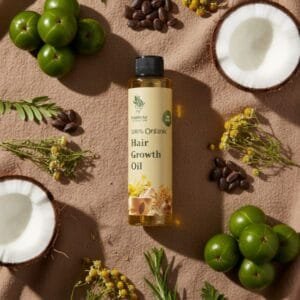
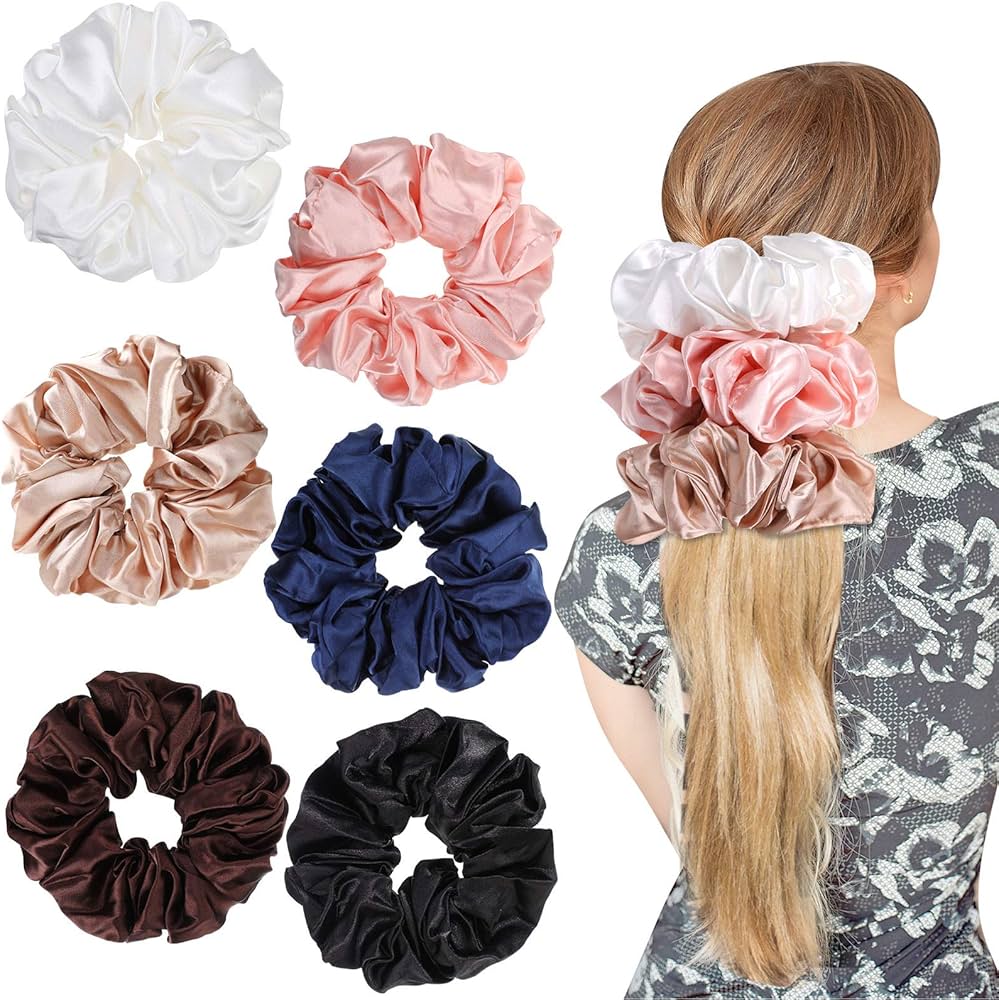
If you’re looking for a product that combines many of these soothing ingredients, consider our Hair Growth Oil – Strengthen & Nourish Hair Naturally. It’s formulated with natural oils that can nourish the scalp and reduce itching, while also promoting healthy hair growth. For those who prefer a gentle hair tie that won’t snag or irritate the scalp, our 1 Silk Scrunchie – Gentle & Perfect for All Hair Types is a great choice, as it reduces tension on the hair and scalp. Remember, always patch test first when trying new products, especially if you have sensitive skin.
Step-by-Step Routine to Soothe an Itchy Scalp
Establishing a gentle scalp care routine is essential for managing itching. Here’s a step-by-step guide to help you find relief. Step 1: Pre-wash oiling. Before washing, apply a soothing oil to your scalp and massage gently for 5-10 minutes. This can help loosen buildup and moisturize the scalp. Use oils like jojoba, argan, or our Hair Growth Oil. Step 2: Gentle cleansing. Wash your hair with a sulfate-free, gentle shampoo. Use lukewarm water, not hot, as hot water can strip oils and worsen itching. Massage the shampoo into your scalp with your fingertips, not your nails, to avoid scratching. Rinse thoroughly. If you have buildup, you might need to shampoo twice, but be gentle. Step 3: Condition with care. Apply a moisturizing conditioner to the mid-lengths and ends of your hair, avoiding the scalp unless the conditioner is specifically for scalp use. Leave it on for a few minutes, then rinse well. Step 4: Post-wash treatment. After washing, gently pat your hair dry with a soft towel. While still damp, apply a soothing scalp serum or a few drops of oil to your scalp. Massage it in gently. This helps lock in moisture and soothe irritation.
Step 5: Avoid heat and styling tools. Excessive heat can dry out the scalp and worsen itching. If you must use heat, apply a heat protectant and keep the tool moving. Step 6: Protect your scalp from the sun. The sun can burn your scalp, leading to itching and peeling. Wear a hat or use a scalp sunscreen. Step 7: Manage stress. Stress can trigger itching, so incorporate stress-reducing activities like yoga, meditation, or deep breathing into your routine. Step 8: Watch your diet. Eat a balanced diet rich in omega-3 fatty acids, vitamins, and minerals. Stay hydrated by drinking plenty of water. Step 9: Avoid scratching. As tempting as it is, scratching can damage the scalp and lead to infection. If you must, use the pads of your fingers to gently massage instead. Step 10: Be consistent. Give your new routine time to work. It may take a few weeks to see improvement.
Additionally, consider the frequency of washing. If you have an oily scalp, you may need to wash every other day, while a dry scalp might only need washing once or twice a week. Adjust based on your scalp’s needs. Also, be mindful of the products you use for styling. Avoid heavy gels, mousses, and sprays that can buildup on the scalp. If you use dry shampoo, don’t overdo it, and make sure to wash it out thoroughly. For more tips on maintaining healthy hair and scalp, check out our blog archive.
Common Mistakes to Avoid When Dealing with an Itchy Scalp
When trying to soothe an itchy scalp, it’s easy to fall into habits that actually make things worse. Here are some common mistakes to avoid. Mistake 1: Over-washing. While it might seem logical to wash more often to remove irritants, over-washing can strip your scalp of natural oils, leading to dryness and more itching. Mistake 2: Using harsh shampoos. Shampoos with sulfates, parabens, and strong fragrances can irritate the scalp. Always choose gentle, sulfate-free options. Mistake 3: Scratching vigorously. Scratching can cause micro-tears in the scalp, leading to infection and increased inflammation. It also triggers the itch-scratch cycle, making itching worse. Mistake 4: Applying conditioner to the scalp. Unless it’s a scalp-specific conditioner, applying regular conditioner to the scalp can clog pores and cause buildup. Mistake 5: Ignoring product buildup. Not clarifying your scalp regularly can lead to residue from styling products, dead skin cells, and oils, which can cause itching. Use a clarifying shampoo or scalp scrub once a week or every two weeks. Mistake 6: Using too many products. Layering multiple products can overwhelm the scalp and cause irritation. Simplify your routine.
Mistake 7: Not rinsing thoroughly. Leftover shampoo or conditioner can irritate the scalp. Make sure to rinse until the water runs clear. Mistake 8: Using hot water. Hot water strips oils and can exacerbate dryness and itching. Stick to lukewarm or cool water. Mistake 9: Ignoring underlying conditions. If your itchy scalp is due to a medical condition like psoriasis or eczema, over-the-counter products may not be enough. Consult a dermatologist. Mistake 10: Giving up too soon. It takes time for the scalp to heal and for new products to work. Be patient and consistent. Mistake 11: Using essential oils undiluted. Essential oils like tea tree or peppermint can be irritating if applied directly. Always dilute them with a carrier oil. Mistake 12: Sharing hair tools. Sharing combs, brushes, or hats can spread fungal infections or irritants. Keep your tools clean and avoid sharing. Mistake 13: Wearing tight hairstyles. Tight ponytails, buns, or braids can pull on the scalp, causing irritation and itching. Opt for loose styles and use gentle hair ties like silk scrunchies. Our 1 Silk Scrunchie is designed to be gentle on hair and scalp.
Another common mistake is self-diagnosing and using strong medicated shampoos without knowing the cause. If your itching is not due to dandruff, using anti-dandruff shampoo can dry out your scalp further. Also, avoid overusing dry shampoo, as it can buildup and irritate the scalp. If you have a sensitive scalp, patch test all new products before full application. And finally, don’t ignore persistent symptoms. If your itchy scalp doesn’t improve with home care, see a doctor. For more on caring for your hair and scalp, visit our Hair Care category.
Adapting Your Routine for Different Scalp Types
Just like your skin, your scalp can be dry, oily, combination, or sensitive. Tailoring your routine to your specific scalp type is key. Dry scalp: Focus on hydration. Use moisturizing shampoos and conditioners, and apply soothing oils or serums regularly. Avoid hot water and harsh ingredients. Wash less frequently, maybe once or twice a week. Oily scalp: You may need to wash more often, but still use gentle products. Look for shampoos with ingredients like tea tree oil or salicylic acid to help control oil. Avoid heavy conditioners on the scalp. Use a clarifying shampoo weekly to prevent buildup. Combination scalp: This is common – oily at the roots, dry at the ends. Use a gentle shampoo for the scalp and a moisturizing conditioner for the ends. You might need to wash every other day. Sensitive scalp: This requires extra care. Use fragrance-free, hypoallergenic products. Avoid essential oils unless specifically formulated for sensitive skin. Patch test everything. Use cool water and gentle massage. Our Hair Growth Oil is formulated with natural ingredients that are generally well-tolerated, but always patch test first.
For those with psoriasis or eczema, you may need medicated shampoos prescribed by a doctor. These often contain ingredients like coal tar, salicylic acid, or corticosteroids. Follow your doctor’s instructions carefully. Scalp acne can also cause itching. Use products with salicylic acid or benzoyl peroxide, and avoid heavy oils. Fungal infections like tinea capitis require antifungal medication. If you suspect a fungal infection, see a doctor. Allergic contact dermatitis requires identifying and avoiding the allergen. This might mean switching to free-and-clear products. Stress-induced itching can be managed with stress reduction techniques. Remember, it’s okay to adjust your routine as needed. What works for one person may not work for another. Listen to your scalp.
If you’re unsure about your scalp type, consider seeing a trichologist or dermatologist. They can analyze your scalp and recommend a personalized routine. In the meantime, you can experiment with different products and techniques to see what works best for you. Keep a journal of your symptoms and what you use, to identify patterns. And don’t forget, a healthy lifestyle – balanced diet, adequate sleep, and stress management – plays a huge role in scalp health. For more related reading, check out our post on Body Lotion vs Body Butter, which discusses dry skin care principles that can apply to the scalp too.
When to See a Dermatologist
While most cases of itchy scalp can be managed at home, there are times when professional help is needed. If your itching is severe, persistent, or accompanied by other symptoms like redness, swelling, oozing, or hair loss, see a dermatologist. Also, if you’ve tried over-the-counter treatments for a few weeks without improvement, it’s time to seek medical advice. A dermatologist can diagnose conditions like psoriasis, eczema, or fungal infections, and prescribe appropriate treatments. They can also check for underlying health issues that might be causing the itching, such as thyroid problems or nutritional deficiencies. In Pakistan, you can find dermatologists in major cities, and many offer teleconsultations. Don’t hesitate to seek help if you’re uncomfortable.
Additionally, if you notice signs of infection – such as pus, severe pain, or fever – seek immediate medical attention. Scratching can lead to open sores, which can become infected. If you have a compromised immune system, it’s especially important to address scalp issues promptly. Remember, self-treating a condition you don’t understand can delay proper care and make things worse. A dermatologist can also recommend specific products or ingredients that are safe for your condition. For general hair and scalp care guidelines, you can refer to resources like the American Academy of Dermatology. They provide evidence-based tips for maintaining scalp health.
In conclusion, an itchy scalp without dandruff can be caused by a variety of factors, from dryness to product buildup to skin conditions. By identifying the cause and adopting a gentle, consistent routine, you can find relief. Remember to avoid common mistakes, tailor your approach to your scalp type, and seek professional help when needed. With patience and the right care, you can soothe your scalp and enjoy healthier, happier hair. For more tips and product recommendations, explore our blog and Hair Care range. And if you’re dealing with other skin concerns, our article on Retinol vs Bakuchiol might be helpful.
Frequently Asked Questions
Can an itchy scalp without dandruff be a sign of something serious?
Usually it's not serious and can be due to dryness, irritation, or product buildup. However, if it persists or is accompanied by redness, swelling, or hair loss, see a dermatologist to rule out conditions like psoriasis or eczema.
How often should I wash my hair if I have an itchy scalp?
It depends on your scalp type. If oily, you may need to wash every other day; if dry, once or twice a week. Use a gentle, sulfate-free shampoo and lukewarm water to avoid stripping natural oils.
Are there any home remedies for an itchy scalp?
Yes, natural remedies like aloe vera gel, diluted apple cider vinegar rinses, and soothing oils like jojoba or coconut oil can help. Always patch test first and avoid undiluted essential oils.
Can stress cause an itchy scalp?
Yes, stress can trigger or worsen itching through the mind-body connection. Managing stress through relaxation techniques may help reduce scalp itching.
Written by Mishal Rehman, owner of Flambeauty — sharing practical, professional beauty and skincare guidance.
Updated: September 2026