Learn how to choose a soap safe for both face and body. Understand ingredients, pH, skin types, and common mistakes. Find top Pakistani options like...
Choosing a soap that works well for both your face and body means looking for a gentle, balanced formula that cleanses without stripping your skin’s natural moisture. Ideal soaps have a pH close to your skin’s (around 4.5 to 5.5), contain mild surfactants or natural oils, and avoid harsh sulfates, synthetic fragrances, and drying alcohols. Always patch test first, and if you have sensitive or acne-prone skin, opt for non-comedogenic and fragrance-free options. In Pakistan, brands like Flambeauty offer targeted soaps that can serve both purposes when chosen carefully.
What Your Skin Actually Needs from a Dual-Purpose Soap
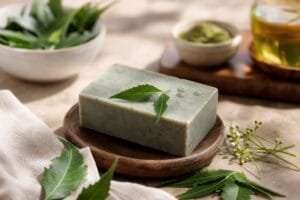
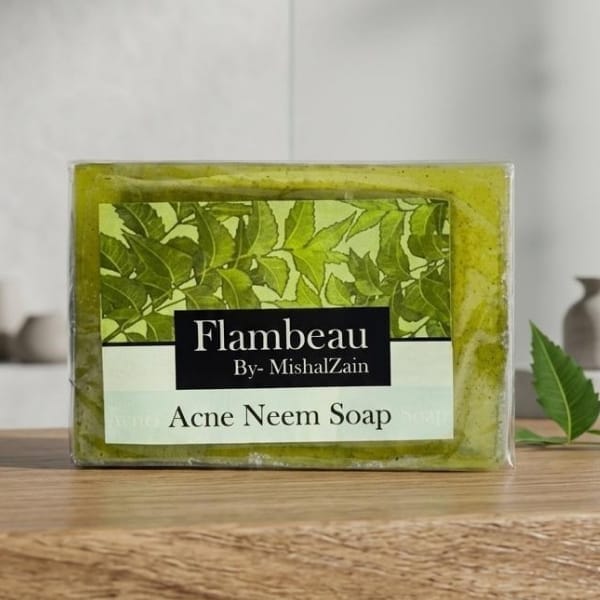
Your face and body have different needs: facial skin is thinner and more delicate, while body skin is generally thicker and less reactive. Yet a dual-purpose soap must strike a balance—cleansing thoroughly without leaving either area tight or irritated. The most important factor is pH balance. Your skin’s acid mantle sits around pH 4.5 to 5.5, and using a soap that’s too alkaline (many traditional soaps are pH 9–10) disrupts this barrier, leading to dryness, flakiness, and increased sensitivity. Look for soaps labeled “pH balanced” or those that state a pH between 5 and 6. For example, Acne Neem Soap from Flambeauty is formulated with neem, known for its antibacterial properties, and is designed to be gentle enough for daily facial use while still effectively cleansing the body.
The next key is moisture retention. A good dual-purpose soap should cleanse without completely stripping your skin’s natural oils. Ingredients like glycerin, shea butter, coconut oil, or aloe vera help maintain hydration. Avoid soaps that contain sodium lauryl sulfate (SLS) or sodium laureth sulfate (SLES) as primary cleansers, as these are harsh and can cause irritation, especially on the face. Instead, look for gentler surfactants like sodium cocoate or decyl glucoside, or traditional cold-process soaps that retain natural glycerin. In humid climates like Pakistan, a soap that’s too heavy might clog pores, so a light, non-comedogenic formula is often best.
Finally, consider fragrance and additives. Synthetic fragrances are a common cause of allergic reactions and can be particularly problematic on facial skin. If you have sensitive skin, choose unscented or naturally scented soaps using essential oils (though even those can be irritating for some). Similarly, avoid soaps with artificial colors, which serve no skin benefit. For a dual-purpose soap, simplicity is key: fewer ingredients mean less risk of irritation. Always check the ingredient list, and if you see “parfum” or “fragrance” high on the list, it’s best to skip it.
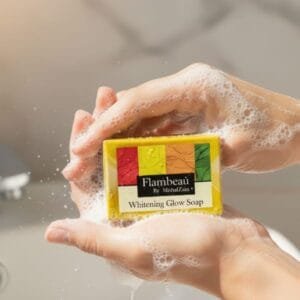
Another often-overlooked aspect is cleansing strength. Your body may produce more sweat and oil, requiring a slightly stronger cleanser, but your face needs something milder. A soap that’s too strong will leave your face feeling tight and dry, while a too-weak soap might not effectively remove body odor or sunscreen. Look for a soap that lathers moderately and rinses clean without a slippery residue. The Whitening Glow Soap by Flambeauty is an example of a soap that aims to brighten skin tone gently, making it suitable for both face and body if your skin is not overly sensitive—though always patch test first.
Lastly, think about your skin’s current condition. If you have active acne, fungal issues, or eczema, your soap choice becomes even more critical. For acne-prone skin, a soap with sulfur, salicylic acid, or neem can help manage breakouts. For eczema, a soap with colloidal oatmeal or ceramides is better. Since your face and body might have different concerns, it’s sometimes wise to use a targeted soap for your face and a separate one for your body—but if you prefer one product, choose a gentle, non-medicated option that won’t aggravate any condition.
Ultimately, the best dual-purpose soap is one that leaves your skin feeling clean, soft, and comfortable—not tight, itchy, or excessively dry. Pay attention to how your skin reacts over a week of use. If you notice redness, breakouts, or increased dryness, that soap isn’t right for you. For more guidance, the American Academy of Dermatology advises using gentle cleansers and moisturizing immediately after washing to lock in hydration.
Step-by-Step: How to Evaluate a Soap for Face and Body Use
When you pick up a soap in a store or browse online, follow this practical checklist to determine if it’s safe for both face and body. First, read the ingredient list carefully. Look for gentle, plant-based oils like olive, coconut, or palm oil, and humectants like glycerin or honey. Avoid sulfates (SLS, SLES), parabens, phthalates, and synthetic dyes. If you see a long list of unpronounceable chemicals, it’s probably not the best choice for your face.
Second, check the pH. If the product doesn’t state its pH, you can test it at home with pH strips. Wet the soap’s surface and press a strip against it. A reading between 4.5 and 6.0 is ideal. If it’s higher than 7, it’s alkaline and likely too harsh for facial use. Many traditional bar soaps are alkaline, which is why they feel so “squeaky clean” but actually strip your skin. A pH-balanced soap will leave your skin feeling comfortable, not tight.
Third, consider the lather type. A rich, creamy lather usually indicates moisturizing ingredients, while a foamy, bubbly lather often means stronger detergents. For face and body, a creamy lather is generally better because it cleanses more gently. However, if you have oily skin, you might prefer a slightly more foaming soap—just ensure it doesn’t leave your face feeling dry.
Fourth, do a patch test. Apply a small amount of the soap’s lather to a discreet area, like behind your ear or on your inner forearm, and wait 24 hours to see if any redness, itching, or breakouts occur. This is especially important if you have sensitive skin. Even natural ingredients can cause reactions, so never skip this step.
Fifth, assess how it feels after use. After washing your face, your skin should feel clean but not “squeaky” or excessively dry. If it feels tight, the soap is too stripping. After washing your body, your skin should not feel itchy or look flaky. If you need to apply moisturizer immediately to avoid discomfort, that’s a sign the soap is too harsh for daily use.
Finally, consider the fragrance. Even if a soap smells lovely, synthetic fragrances are a common allergen. If you have sensitive skin, choose unscented or use a fragrance-free version. For a dual-purpose soap, it’s safer to go without added fragrance, as your face is more reactive than your body. If you do choose a scented soap, opt for one with essential oils like tea tree (for acne) or lavender (for calming), but still patch test first.
By following these steps, you can confidently select a soap that will treat your face and body well. Remember, a soap that works for a friend might not work for you—everyone’s skin is unique.
Common Mistakes to Avoid When Choosing a Dual-Purpose Soap
One of the biggest mistakes is using the same soap for face and body without considering your skin type. For instance, if you have dry skin and use a soap with sodium cocoate, it can worsen your dryness. Conversely, if you have oily skin and use a heavy, moisturizing soap, it might clog pores. Always match the soap to your skin’s needs, not just to convenience.
Another common error is assuming “natural” means safe. Essential oils, while natural, can be highly irritating, especially at high concentrations. For example, a soap with citrus oils can cause photosensitivity, making your skin more prone to sunburn. Similarly, “organic” soaps can still contain harsh surfactants or fragrances. Always check the full ingredient list, not just the marketing claims.
People also often ignore the pH factor. Many believe that any soap is fine, but as mentioned, an alkaline soap disrupts your skin barrier. Over time, this can lead to chronic dryness, eczema flare-ups, and even accelerated aging. Invest in pH strips or choose soaps that explicitly state their pH balance.
Another mistake is using a soap that’s too abrasive. Some soaps contain exfoliating particles like crushed walnut shells or pumice. While these can be great for body exfoliation, they are far too harsh for your facial skin, causing micro-tears and irritation. If you want exfoliation, use a separate gentle scrub for your face, not your daily soap.
Finally, skipping patch tests is a major pitfall. Even if a soap is pH balanced and free of common irritants, you might still be allergic to a specific ingredient. Always test a new soap on a small area before using it on your face or entire body. This is especially crucial if you have a history of sensitive skin or allergies.
Also, beware of overusing medicated soaps. Soaps with active ingredients like benzoyl peroxide or salicylic acid are meant for targeted treatment, not daily full-body use. Using them too frequently can dry out your skin and worsen acne. For dual-purpose use, stick to a gentle, non-medicated soap for daily cleansing, and reserve medicated soaps for specific problem areas.
Lastly, don’t fall for “whitening” claims. Many soaps promise skin lightening, but these often contain harsh chemicals like hydroquinone or mercury, which are dangerous. At best, they may temporarily brighten the skin, but they can cause long-term damage. Instead, look for soaps with gentle brightening ingredients like vitamin C or licorice extract, which improve skin tone without harmful effects. Flambeauty’s Whitening Glow Soap is marketed as a brightening soap, but it’s important to use it as directed and not expect instant results.
Choosing the Right Soap for Your Skin Type
Dry and Sensitive Skin
If your skin tends to feel tight, flaky, or itchy, you need a soap that is ultra-moisturizing and free of harsh detergents. Look for soaps with shea butter, oatmeal, or glycerin as key ingredients. Avoid anything with alcohol, sulfates, or heavy fragrances. A soap like Flambeauty’s neem soap might be too drying if you have very dry skin, but the glow soap could work if it contains moisturizing agents. Always patch test and follow up with a rich moisturizer immediately after washing.
Oily and Acne-Prone Skin
For oily skin, you need a soap that removes excess oil without stripping your skin completely. Ingredients like tea tree oil, neem, or salicylic acid can help control acne. The Acne Neem Soap is a good option because neem has antibacterial properties and is known to help with breakouts. However, be careful not to over-cleanse, as that can trigger more oil production. Use it once or twice daily, and always moisturize lightly.
Combination Skin
Combination skin (oily T-zone, dry cheeks) requires a balanced soap that doesn’t over-dry or clog pores. A gentle, pH-balanced soap with a creamy lather is best. Avoid heavy creams or oils that can clog pores on your forehead and nose. Look for soaps that contain jojoba oil or aloe vera, which help balance both areas. You might also consider using different soaps for face and body if your body skin is much drier than your facial skin.
Normal Skin
If your skin is neither too dry nor too oily, you have flexibility. Choose a mild, pH-balanced soap with simple ingredients. Glycerin-based soaps are excellent for normal skin. You can experiment with different natural soaps, but always patch test first. Remember, even normal skin can become sensitive with age or environmental changes.
Sensitive and Reactive Skin
For sensitive skin, the key is to keep it simple. Choose a fragrance-free, dye-free soap with minimal ingredients. Look for labels that say “hypoallergenic” or “for sensitive skin.” Avoid any soap with botanical extracts that might cause allergies. A basic glycerin soap or a soap specifically formulated for sensitive skin is ideal. Always patch test and introduce slowly.
What to Look for in Ingredients: A Mini-Glossary
Understanding ingredient labels is crucial. Here are some common terms and what they mean for dual-purpose use. Moisturizers: Glycerin, shea butter, cocoa butter, aloe vera—these help maintain hydration and are safe for both face and body. Surfactants: Sodium cocoate, sodium palmate, decyl glucoside—these are milder than SLS and better for facial use. Harsh detergents: Sodium lauryl sulfate (SLS), sodium laureth sulfate (SLES)—avoid these if you have sensitive skin or want a gentle soap. Preservatives: Parabens, phenoxyethanol—parabens are often avoided due to health concerns; look for paraben-free formulas.
For acne-prone skin, look for salicylic acid, benzoyl peroxide, tea tree oil, or neem. These help unclog pores and reduce bacteria. For brightening, vitamin C, licorice extract, kojic acid, or niacinamide are effective yet gentle. Avoid harsh skin lighteners like hydroquinone. For soothing, chamomile, calendula, or colloidal oatmeal can calm irritation. Always check if the soap is non-comedogenic—meaning it won’t clog pores—which is essential for facial use. You can read more about non-comedogenic soaps in our related post.
Also, consider the pH level as an ingredient-related factor. Many soaps don’t list pH, but you can test it. A pH-balanced soap is less likely to disrupt your skin’s acid mantle. If you’re in Pakistan, where the weather can be hot and humid, you might prefer a soap that is lightweight and doesn’t leave a heavy residue. For example, Flambeauty’s soaps are designed with local climate in mind, offering effective cleansing without being overly greasy.
Finally, be mindful of fragrance oils and essential oils. While they add a pleasant scent, they can be irritants. If you have sensitive skin, choose unscented or “fragrance-free” soaps. If you like natural scents, patch test first. And remember, more ingredients mean more potential for irritation, so simpler is often better.
Budget-Friendly Tips for Choosing a Dual-Purpose Soap
You don’t have to spend a fortune to get a good face and body soap. Many affordable options exist, especially in Pakistan. Look for local brands like Flambeauty that offer quality soaps at reasonable prices. For instance, the Acne Neem Soap and Whitening Glow Soap are priced competitively. Check the soaps category on their website to see current prices.
One budget tip is to buy in bulk or multi-packs if you find a soap that works for you. This can reduce the per-bar cost. Also, consider using a washcloth or loofah to create more lather with less soap, making each bar last longer. You can also cut bars in half to use one half at a time, which helps preserve the soap and makes it last twice as long.
Another tip is to use a soap that serves dual purposes—like a mild cleanser that can also act as a shaving cream or a gentle exfoliant. This saves money by replacing multiple products. However, be cautious about using exfoliating soaps on your face; it’s better to have a separate gentle face wash if you have sensitive skin.
If you have a limited budget, prioritize the essentials: a pH-balanced, fragrance-free soap with simple ingredients. You can skip fancy packaging and expensive marketing. In Pakistan, you can find good options from local brands for under 500 PKR. For example, Flambeauty’s soaps are often priced around 300-400 PKR, making them affordable for most.
Finally, don’t forget to moisturize. A good moisturizer can compensate for a slightly drying soap, but it’s better to choose a soap that works with your skin. If you’re on a tight budget, focus on finding a soap that doesn’t cause irritation, and invest in a basic moisturizer like petroleum jelly or a simple lotion to apply after washing.
By following these tips, you can find a dual-purpose soap that fits your budget without compromising your skin’s health. Remember, the most expensive soap isn’t necessarily the best; it’s the one that suits your skin type and lifestyle.
Frequently Asked Questions
Can I use the same soap on my face and body every day?
Yes, if the soap is gentle, pH-balanced, and non-comedogenic. However, if you have very different needs (e.g., oily face and dry body), you might benefit from using separate products.
What is the ideal pH for a face and body soap?
The ideal pH is between 4.5 and 6.0, which matches your skin's natural acid mantle. Soaps with higher pH can strip your skin's moisture and cause irritation.
Are 'whitening' soaps safe for daily use?
It depends on the ingredients. Avoid soaps with harsh chemicals like hydroquinone or mercury. Opt for soaps with gentle brighteners like vitamin C or licorice extract, and always patch test first.
How often should I use a medicated soap like neem soap?
For acne-prone skin, you can use a neem soap once or twice daily, but if you experience dryness or irritation, reduce frequency. Always moisturize after use.
Written by Mishal Rehman, owner of Flambeauty — sharing practical, professional beauty and skincare guidance.
Updated: August 2026