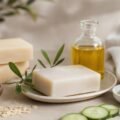
Why pH-Balanced Soap Matters for Healthy Skin

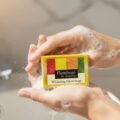
A pH-balanced soap has a pH close to your skin's natural level (around 4.7-5.5), so it cleanses without disrupting the acid mantle. This helps maintain moisture, reduces irritation, and supports a healthy skin barrier. Choosing the right soap can make a real difference for soft, calm, healthy-looking skin. What Is Skin pH and Why Does It Matter? Your skin has a natural pH of about 4.7 to 5.5, which is slightly acidic. This acidity is not a flaw; it's a vital part of your skin's defense system. The acid mantle is a thin film on the skin's surface made of sweat, sebum (oil), and dead skin cells. It creates an environment where beneficial bacteria can thrive and harmful bacteria,…
Continue ReadingWhy pH-Balanced Soap Matters for Healthy Skin

Rose Soap for Skin Brightening & Hydration: A Complete Guide

Rose soap helps with skin brightening and hydration because rose extract is naturally rich in antioxidants and soothing compounds that calm inflammation, while its gentle cleansing base removes impurities without stripping moisture. Regular use can leave skin softer, more even-toned, and comfortably hydrated. Why Rose Soap Works for Brightening and Hydration Rose has been used in skincare for centuries, not just for its romantic scent but for its genuine benefits. The petals contain antioxidants like vitamin C and flavonoids that help neutralize free radicals — unstable molecules that can dull the skin and speed up signs of aging. When you wash with rose soap, these compounds come into contact with your skin, gently encouraging a more even tone and…

Continue ReadingRose Soap for Skin Brightening & Hydration: A Complete Guide

Best Soap for Combination Skin That Isn’t Too Harsh

The best soap for combination skin is a gentle, low-pH cleanser with hydrating ingredients like glycerin or goat milk, and optional oil-control actives such as neem. It should clean thoroughly without stripping, leaving both oily and dry zones comfortable. Always patch test first. Why Combination Skin Needs a Different Kind of Soap Combination skin is exactly what it sounds like: your T-zone (forehead, nose, chin) tends to be oilier, while your cheeks and sometimes jawline feel normal to dry. This split personality makes cleansing tricky. A strong, foaming soap that feels amazing on your oily forehead can leave your cheeks tight, flaky, and irritated. On the flip side, a rich, creamy cleanser that pampers dry cheeks may leave your…

Continue ReadingBest Soap for Combination Skin That Isn’t Too Harsh

Why Face Wash Alone Isn’t Enough for Clear Skin

Face wash alone isn't enough for clear skin because it only removes surface dirt, oil, and makeup. You also need exfoliation, targeted treatments, moisturizer, and sunscreen to address clogged pores, excess oil, and dark spots. Cleansing is step one, not the whole routine. Why Cleansing Is Only the First Step Think of your skin as a living organ that constantly produces oil, sheds dead cells, and renews itself. A face wash removes what's sitting on the surface—sweat, dirt, makeup, and some excess sebum. But it can't reach inside pores to dissolve the plug of dead skin cells and oil that forms a blackhead or pimple. It can't stop melanin from overproducing in response to inflammation, which is what leaves…

Continue ReadingWhy Face Wash Alone Isn’t Enough for Clear Skin

Handmade Soap for Family: 7 Real Benefits You’ll Notice

Switching to handmade soap for the whole family can mean gentler cleansing, fewer harsh chemicals, and better moisture retention for all skin types. It often reduces irritation, supports sensitive or eczema-prone skin, and is a more eco-friendly, cost-effective choice over time. Why Handmade Soap Is Different from Commercial Bars Most commercial soaps you find in supermarkets are not technically soap at all. They are detergents made with synthetic surfactants, hardeners, and a long list of additives designed to create lots of lather, a strong fragrance, and a long shelf life. These bars often strip your skin's natural oils because they contain ingredients like sodium lauryl sulfate, which can be harsh even on healthy skin. Handmade soap, on the other…

Continue ReadingHandmade Soap for Family: 7 Real Benefits You’ll Notice

Chemical vs Natural Exfoliants: Which Is Better for Your Skin?

For most skin types, chemical exfoliants are more effective and gentler than natural (physical) scrubs, but natural options can work well for sensitive skin if used correctly. The best choice depends on your skin type, concerns, and tolerance. Chemical exfoliants like AHAs and BHAs dissolve dead skin cells without friction, while natural scrubs like sugar or ground apricot kernels physically buff them away. Always introduce any exfoliant gradually and pair with sunscreen, especially in sunny climates. Understanding Exfoliation: Why Your Skin Needs It Exfoliation is the process of removing dead skin cells from the surface of your skin. Your skin naturally sheds millions of these cells every day, but as we age, this cellular turnover slows down. When dead…

Continue ReadingChemical vs Natural Exfoliants: Which Is Better for Your Skin?

Fragrance-Free Face Wash for Sensitive Skin: A Complete Guide

Choosing a fragrance-free face wash is essential for sensitive skin because synthetic fragrances are among the most common triggers for irritation, redness, and allergic reactions. Look for cleansers labeled “fragrance-free” (not just “unscented”), with simple ingredient lists, gentle surfactants, and soothing botanicals. Always patch test a new product on your inner arm for 24 hours before use, and avoid harsh scrubs, sulfates, and alcohol. Below is a detailed guide to help you navigate the process with confidence. Understanding Sensitive Skin and Why Fragrance Matters Sensitive skin isn’t a medical diagnosis but a skin type that reacts more easily to environmental factors, cosmetics, and even temperature changes. Symptoms can include stinging, burning, tightness, dryness, redness, and sometimes flare-ups of conditions…

Continue ReadingFragrance-Free Face Wash for Sensitive Skin: A Complete Guide

Natural Face Wash Ingredients for Glowing Skin: A Complete Guide

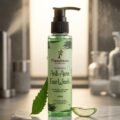
For a genuinely glowing complexion, the best natural face wash ingredients are those that cleanse without stripping your skin’s moisture barrier—think aloe vera, honey, green tea, cucumber, and botanical oils. These ingredients gently remove dirt and excess oil while delivering antioxidants and hydration, which supports a brighter, more even-looking skin tone over time. Avoid harsh sulfates and alcohol, and always patch test new products to ensure your skin reacts well. Why Natural Ingredients Matter for Glowing Skin Your face wash is the first step in any skincare routine, and the ingredients you choose can either support or sabotage your glow. Harsh synthetic cleansers often contain sulfates like sodium lauryl sulfate, which create a rich lather but can strip away…

Continue ReadingNatural Face Wash Ingredients for Glowing Skin: A Complete Guide

Foaming vs Gel Face Wash: Which Cleanser Is Actually Right for Your Skin?

Foaming face washes create a rich, airy lather and feel deeply cleansing, while gel face washes have a slick, jelly-like texture that spreads easily and often feels more hydrating. The real difference lies in their surfactant systems: foaming cleansers typically use stronger detergents that strip away oil and impurities thoroughly, whereas gel cleansers rely on gentler, water-soluble agents that dissolve dirt without over-tightening the skin. Choosing between them depends on your skin type, your climate, and how your skin reacts to the day's buildup of sweat, pollution, and sunscreen.What Your Skin Actually Needs from a Face WashBefore you pick a foaming or gel formula, it helps to understand what a face wash is supposed to do. Your skin has…

Continue ReadingFoaming vs Gel Face Wash: Which Cleanser Is Actually Right for Your Skin?

Why Sulfate-Free Soap Matters for Sensitive Skin

Sulfate-free soaps matter for sensitive skin because they avoid harsh detergents like sodium lauryl sulfate (SLS) that strip natural oils, disrupt the skin barrier, and trigger redness, itching, and flaking. By using milder cleansing agents, these soaps maintain moisture and reduce irritation, making them a safer daily choice for reactive skin types. Understanding Sulfates and Their Effects on Sensitive Skin Sulfates are surfactants—compounds that help water mix with oil and dirt so they can be rinsed away. The most common are sodium lauryl sulfate (SLS) and sodium laureth sulfate (SLES). They are effective cleansers, but their strong degreasing action can be problematic. In fact, sulfates are often used in household detergents because they are so effective at breaking down…

Continue ReadingWhy Sulfate-Free Soap Matters for Sensitive Skin