
Learn how to maintain soft, smooth hands even with constant handwashing. Expert tips on moisturizing, barrier repair, and hand care for dry, chapped skin.
Frequent handwashing strips the skin of natural oils, leading to dryness and irritation. To maintain soft, smooth hands, you need to use a gentle cleanser, pat dry instead of rubbing, and apply a rich moisturizer immediately after each wash. Reapply moisturizer throughout the day, wear gloves for wet chores, and incorporate a nourishing hand cream or balm into your nightly routine. Consistency is key to repairing the skin barrier and keeping hands comfortable.
Why Frequent Handwashing Dries Out Hands
Water alone can disrupt the skin’s lipid barrier, especially when combined with harsh soaps. Each wash removes sebum—the skin’s natural moisturizer—and can cause transepidermal water loss (TEWL). Over time, this leads to tightness, flakiness, and even painful cracks. The problem worsens in cold, dry weather or when using hot water, which further strips oils. In Pakistan, where many people wash hands multiple times a day for prayer, meals, and hygiene, the cumulative effect is significant. Understanding this process helps you choose the right protective measures.
Frequent washing also disrupts the skin’s microbiome, the community of beneficial bacteria that help maintain barrier function. A compromised microbiome can lead to increased sensitivity and inflammation. Additionally, the mechanical action of scrubbing and drying can cause micro-tears in the skin, making it more vulnerable to irritants. For healthcare workers or those who wash hands dozens of times daily, these factors compound rapidly.
To counter this, you need to replace lost lipids and humectants. Ingredients like glycerin, ceramides, and shea butter are effective at restoring moisture. Avoid soaps with sulfates (like sodium lauryl sulfate) that are too stripping. Instead, opt for sulfate-free, pH-balanced cleansers that respect the skin’s natural acidity (around pH 5.5).
Another factor is the temperature of the water. Hot water may feel soothing but it accelerates oil removal. Always use lukewarm water for handwashing. Also, the duration of washing matters—20 seconds is sufficient for hygiene; longer is unnecessary and more drying.
Finally, consider the frequency of alcohol-based sanitizers. While they are effective against germs, they can be extremely drying. If you alternate between soap and sanitizer, the effect multiplies. Using a moisturizer after each sanitizer application is crucial.
Step-by-Step Hand Care Routine
Step 1: Choose a gentle, moisturizing hand wash. Look for cleansers with added emollients like aloe vera, oat extract, or glycerin. Avoid antibacterial soaps containing triclosan, which can be harsh. You can even use a body wash designed for dry skin if you don’t have a dedicated hand wash. Brands like Flambeauty offer products that are gentle yet effective.
Step 2: Wash with lukewarm water and pat dry. Avoid rubbing vigorously with a towel, as that exfoliates the already fragile skin. Patting leaves a thin layer of moisture for the moisturizer to lock in.
Step 3: Apply moisturizer immediately (within 3 minutes of drying). This is when the skin is most receptive. Use a thick cream or ointment. For daytime, a non-greasy hand cream works; for night, a richer balm or even petroleum jelly can be applied under cotton gloves.
Step 4: Reapply after every handwash. Keep a small tube of hand cream in your bag, at your desk, and near every sink. Consistency is more important than the specific product.
Step 5: Use a weekly treatment. Once a week, apply a thick layer of hand cream or a specialized mask, put on gloves, and leave for 15-20 minutes. This is especially helpful if you already have dry, rough hands.
Step 6: Protect your hands during chores. Wear rubber gloves when washing dishes or using cleaning chemicals. The combination of water and detergents is extremely drying.
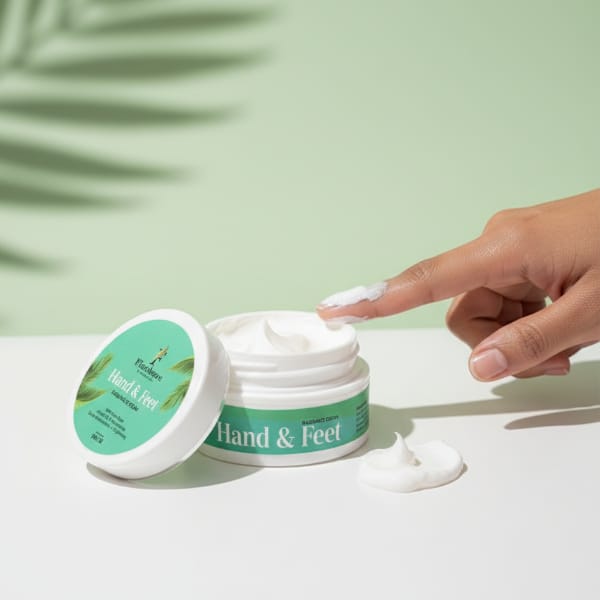
For an extra boost, consider using a product like Hand & Feet Whitening Cream which not only moisturizes but also helps even out skin tone if you have dark patches from friction or sun exposure. This can be used as part of your nightly routine.
If you want a comprehensive approach to skin health, the Glow & Fit Lifestyle Deal includes products that support overall skin wellness, including hand care. Check out our blog for more tips on maintaining healthy skin in different seasons.

Key Ingredients for Soft, Smooth Hands
Humectants like glycerin, hyaluronic acid, and honey draw moisture from the air into the skin. They are essential for hydration but need to be sealed with occlusives. Occlusives such as shea butter, cocoa butter, lanolin, and petrolatum create a physical barrier to prevent water loss. They are especially important after handwashing. Emollients like squalane, jojoba oil, and ceramides fill in the gaps between skin cells, smoothing the skin’s surface and improving texture.
For damaged skin, look for ceramides which are lipids that mimic the skin’s natural barrier. Products containing niacinamide can help strengthen the barrier and reduce redness. Allantoin and panthenol (provitamin B5) soothe irritation and promote healing. If you have extremely dry hands, urea in concentrations of 5-10% can gently exfoliate dead skin while moisturizing.
Avoid ingredients that can exacerbate dryness, such as alcohol (denatured alcohol, SD alcohol), fragrances, and essential oils that may irritate compromised skin. Always check the label, especially for products marketed as “natural” but containing citrus oils that can be sensitizing when applied to already chapped skin.
In Pakistan, ingredients like kewra (screwpine) water and rose water are sometimes used in traditional recipes for their soothing properties. While they can be hydrating, they are not as effective as modern occlusives. Combining traditional wisdom with science-based ingredients gives the best results.
For those with specific concerns like dark knuckles or uneven tone, look for ingredients like kojic acid, licorice extract, or vitamin C in a gentle formulation. The Hand & Feet Whitening Cream includes such brightening agents along with moisturizers, making it a dual-purpose product.
Common Mistakes to Avoid
Mistake 1: Using hot water. Hot water strips oils faster. Stick to lukewarm water.
Mistake 2: Rubbing hands dry. This causes friction damage. Pat or air dry instead.
Mistake 3: Skipping moisturizer after every wash. Even if you think your hands feel fine, the damage accumulates. Make it a habit.
Mistake 4: Using alcohol-based sanitizers excessively without moisturizing. They are very drying. If you must use them, follow with a hand cream immediately.
Mistake 5: Not wearing gloves for chores. Dish soap and cleaning agents are harsh surfactants that can cause contact dermatitis. Always protect your hands.
Mistake 6: Ignoring the backs of hands and cuticles. These areas are thinner and more prone to dryness. Apply moisturizer to the entire hand, massaging into cuticles.
Mistake 7: Using a single moisturizer for day and night. Daytime should be lighter, non-greasy; night should be richer and more occlusive. This optimizes hydration without interfering with daily activities.
Mistake 8: Over-exfoliating. While exfoliation can help remove dead skin, doing it too often on already dry hands can worsen irritation. Limit to once a week with a gentle scrub.
Another common error is neglecting sun protection on hands. Hands are constantly exposed to UV rays, which can accelerate aging and worsen pigmentation. Use a hand cream with SPF during the day or apply sunscreen separately. In Pakistan, where the sun is intense, this is especially important.
Finally, don’t forget to drink enough water. Hydration from within supports skin health. While it won’t replace topical moisturizers, it helps maintain overall skin elasticity.
Choosing Products for Different Skin Types
Dry and Sensitive Skin
If your hands are already chapped, red, or itchy, avoid products with fragrance, essential oils, or acids. Look for fragrance-free, hypoallergenic formulations with ceramides, colloidal oatmeal, and shea butter. Ointments like petroleum jelly are excellent for overnight use. The Hand & Feet Whitening Cream is formulated to be gentle while providing deep moisture and brightening benefits, making it suitable for sensitive skin.
Oily or Acne-Prone Skin (Yes, Hands Can Be Oily)
Some people have naturally oily hands or are prone to hand eczema that gets greasy. For these skin types, choose non-comedogenic lotions that absorb quickly, such as those containing glycerin, hyaluronic acid, or dimethicone. Avoid heavy creams with petrolatum or mineral oil if you find them too greasy. Gel-based hand creams are a great option.
Mature or Sun-Damaged Hands
As we age, hands lose collagen and develop age spots. Look for products with retinol, vitamin C, and SPF. Retinol can help stimulate collagen, but start with a low concentration to avoid irritation. Always use sunscreen on hands during the day. The Hand & Feet Whitening Cream contains brightening agents that can help fade dark spots over time.
Eczema-Prone Hands
If you have hand eczema, you need a regimen that soothes and repairs. Use a gentle, soap-free cleanser, apply a thick emollient like Cetaphil Restoraderm or Eucerin (international brands) or local equivalents. Always patch test new products. Avoid known triggers like nickel or fragrances. For severe cases, consult a dermatologist.
Lifestyle Tips for Long-Term Hand Health
In addition to topical care, your overall habits matter. Wear gloves in cold weather to protect from wind and low humidity. Use a humidifier indoors, especially in air-conditioned or heated rooms. The dry air in Pakistani summers and winters can exacerbate moisture loss. Stay hydrated by drinking 8-10 glasses of water daily. Eat foods rich in omega-3 fatty acids (like fish, flaxseeds, and walnuts) to support skin barrier function from within.
Avoid nail biting or picking at cuticles, as this damages the skin barrier. Instead, keep nails trimmed and apply cuticle oil regularly. If you use hand sanitizers, choose ones with moisturizers like aloe vera or glycerin. Some sanitizers now come in gel-cream hybrids that are less drying.
For those in Pakistan who use chuna (lime) or other traditional exfoliants for hands, be cautious: they can be too abrasive. Opt for a gentle scrub or a product like the Hand & Feet Whitening Cream that gently exfoliates without harsh grains.
Finally, if your hands are severely dry or you have deep cracks that bleed, see a doctor. You may need a prescription ointment or treatment for fungal infections. In most cases, consistent moisturizing and gentle care will restore softness. For more tips on skin care, visit our Skin Care category page.
Frequently Asked Questions
How often should I moisturize my hands if I wash them frequently?
Ideally after every handwash. Keep a hand cream at every sink and reapply immediately after patting dry.
Can I use body lotion on my hands?
Yes, but hand creams are often thicker and more suitable for the frequent washing cycle. Body lotions may be too light.
What is the best ingredient for repairing dry hands?
Ceramides, shea butter, and glycerin are excellent. For deep repair, look for products with 5-10% urea or petrolatum-based ointments.
Does wearing gloves help with moisturizing?
Yes, wearing cotton gloves after applying a thick moisturizer or balm overnight can significantly improve softness by trapping moisture.
Written by Mishal Rehman, owner of Flambeauty — sharing practical, professional beauty and skincare guidance.
Updated: July 2026