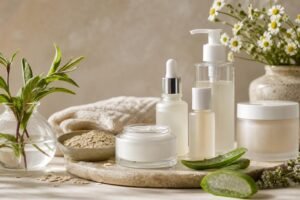

Start with a hydrated base using a lightweight moisturizer and primer. Apply your natural tint in thin, buildable layers and set it with translucent powder or setting spray. Avoid touching your face during the day, and use blotting papers instead of reapplying tint.
To make a natural tint look last all day, start with a well-prepped, hydrated base using a lightweight moisturizer and primer, apply the tint in thin, buildable layers, and set it with a translucent powder or setting spray. Avoid touching your face throughout the day, and use oil-blotting papers for touch-ups instead of adding more product. This approach keeps the tint looking fresh, even in humid weather.
What Makes a Natural Tint Fade? Understanding the Key Factors
Natural tints—whether a tinted moisturizer, BB cream, or a lightweight foundation—are beloved for their sheer, skin-like finish. However, their low coverage and water-like consistency also make them more prone to fading, especially in Pakistan’s warm and often humid climate. The main culprits behind a short-lived tint are excess oil production, skin dehydration, and lack of proper adhesion. When your skin is dehydrated, it produces more oil to compensate, which breaks down the tint faster. Similarly, applying a tint onto a bare, unprepared face means it has nothing to grip onto, causing it to slide off within a few hours. Understanding these factors is the first step to extending wear time.
Another major factor is friction—from masks, phone calls, or even resting your face on your hand. Every touch can lift the product, creating patchy areas. Additionally, environmental factors like humidity and pollution can accelerate oxidation and color change. In Pakistani cities, the combination of heat, dust, and sweat can turn a perfectly blended tint into a streaky mess by midday. To counteract this, you need a multi-step strategy that addresses both the skin’s condition and the product’s application.
Finally, the ingredients in your tint matter. Water-based tints tend to evaporate faster, while silicone-based formulas create a more durable film. However, many natural tints are water-based for a lighter feel. To compensate, you can pair them with a compatible primer or a setting powder that shares a similar base. Understanding these dynamics helps you choose the right products and techniques for your skin type and local climate.
Step-by-Step Routine to Lock in Your Natural Tint All Day
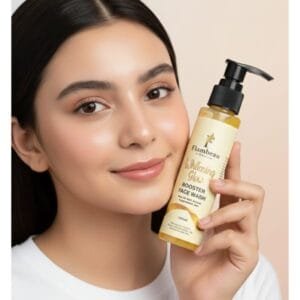
Step 1: Start with a Clean, Exfoliated Canvas — Begin your morning routine by washing your face with a gentle cleanser. Exfoliating 2-3 times a week helps remove dead skin cells that can cause patchiness. A product like Whitening Face Wash – Brightening & Deep Cleansing can provide a deep yet gentle cleanse, leaving skin smooth and ready for makeup. After cleansing, apply a lightweight, oil-free moisturizer to hydrate without greasiness. Wait at least 2-3 minutes for it to fully absorb before moving to the next step.
Step 2: Use a Primer That Matches Your Tint’s Base — A primer creates a smooth surface and helps the tint adhere. For water-based tints, choose a water-based primer; for silicone-based ones, use a silicone primer. Apply a pea-sized amount evenly, focusing on the T-zone where oil is most active. Let the primer set for a minute—it should feel slightly tacky, not slippery, before you apply the tint.
Step 3: Apply the Tint in Thin, Buildable Layers — Rather than dotting the tint all over your face at once, start with a small amount on the center of your face and blend outward using a damp beauty sponge or a stippling brush. Building up coverage in thin layers prevents cakiness and ensures each layer bonds to the skin. Allow each layer to dry for about 30 seconds before adding more. This technique significantly improves longevity.
Step 4: Set with Translucent Powder (Only Where Needed) — Use a fluffy brush to dust a small amount of translucent setting powder on areas prone to oil—your forehead, nose, and chin. For the rest of the face, a light dusting is optional. If you have dry skin, skip powder altogether and use a setting spray instead. Press the powder into the skin with a puff for a more durable finish.
Step 5: Lock Everything with a Setting Spray — A setting spray with polymers forms a flexible film over the tint, protecting it from sweat and humidity. Hold the bottle 8-10 inches from your face and mist in an X and T pattern. Let it dry naturally; do not fan your face. This final step can add 2-4 hours to your tint’s wear time.
Step 6: Carry Blotting Papers for Touch-Ups — Throughout the day, blot any excess oil with rice paper or blotting sheets. This removes oil without disturbing the tint. Avoid layering more powder or tint on top of a sweaty face—it will look cakey. Instead, blot first, then lightly re-powder only the shiny areas.
Common Mistakes That Ruin Your Tint’s Staying Power
One of the most common mistakes is skipping moisturizer because you think oily skin doesn’t need it. In reality, dehydrated skin overproduces oil, which breaks down your tint faster. Always hydrate with a non-comedogenic moisturizer, even if you have oily skin. Another frequent error is applying tint with dirty fingers or unwashed brushes. Bacteria and old product residue can cause the tint to separate or look uneven. Clean your tools weekly and wash your hands before every application.
Another mistake is using too much product. More tint does not equal more coverage that lasts; it often leads to creasing and sliding. Stick to a thin layer and build only where needed. Also, avoid applying tint immediately after skincare—wait for each product to absorb fully. If your face still feels tacky after moisturizer, it’s not ready for tint. This can cause pilling and uneven wear.
Finally, touching your face is a surefire way to shorten wear time. Every time you rest your chin on your hand or adjust your glasses, you transfer oils and lift the product. Train yourself to avoid unnecessary contact. If you need to blot, use a tissue to gently press, not rub. And never reapply tint without first blotting and refreshing with a setting spray—otherwise, you’ll end up with a thick, cakey layer that looks unnatural.
Choosing the Right Products for Your Skin Type
Your skin type determines which base products will help your tint last. For oily skin, look for oil-free, mattifying primers and water-based tints. Avoid heavy creams and silicone-rich products that can clog pores and cause shine. A mattifying setting spray is also a good investment. For dry skin, focus on hydration: use a rich, water-based moisturizer and a hydrating primer. Avoid powdering your entire face—only set the T-zone lightly. A dewy setting spray can help the tint meld with your skin for a natural, luminous finish.
For combination skin, you may need to use different products on different areas. Apply a mattifying primer on your T-zone and a hydrating one on your cheeks. Set only the oily areas with powder. For sensitive skin, choose fragrance-free, hypoallergenic products to avoid irritation. A mineral-based tint with zinc oxide can provide both coverage and sun protection without triggering breakouts. Always patch test new products before full application.
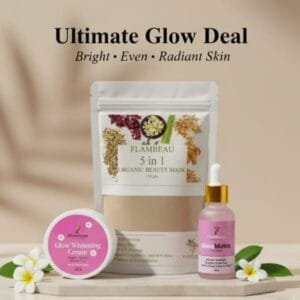
When selecting a tint, check the ingredient list for film-formers like acrylates copolymer or dimethicone, which help the product stay put. Avoid tints with high alcohol content, as they can dry out your skin and cause the tint to crack. For long-wear, consider a tint that also contains humectants like glycerin or hyaluronic acid—they keep the skin hydrated, which indirectly helps the tint last. A product like Ultimate Glow Deal – Whitening Cream+ Face Mask +Glow Matrix can be part of your skincare prep to boost hydration and even out skin tone, creating a better canvas for your tint.
How to Adapt Your Routine for Pakistan’s Climate
Pakistan’s weather varies from humid coastal areas to dry, hot plains. In humid regions like Karachi, the key is to minimize layers and use lightweight, water-resistant formulas. Skip heavy creams and opt for a gel-based moisturizer. Apply a mattifying primer on the nose and forehead. Use a tint with at least SPF 30 to protect against sun damage, but be aware that sunscreen can sometimes make tint slide—choose a tint that already contains SPF to avoid an extra layer. After application, set with a powder that has oil-absorbing ingredients like silica or kaolin.
In drier climates like Lahore or Islamabad, your skin may still get oily due to heat, but the air is less humid. Here, you can use a more hydrating primer and a creamier tint. A setting spray with a dewy finish will help maintain a fresh look. If you’re spending time outdoors, carry a small fan to cool down without sweating. For extended wear, consider using a makeup setting mist that also contains SPF for reapplication. Always blot before reapplying any product to avoid buildup.
Another local trick is to use a tinted moisturizer instead of a heavy foundation for everyday wear. It’s lighter and more breathable, which reduces the chance of melting off. Pair it with a translucent powder for a natural matte effect. For special occasions, you can prep with a hydrating sheet mask the night before to plump the skin and help the tint grip better. Remember to wash your face thoroughly at the end of the day—a double cleanse with an oil cleanser followed by a gentle foaming wash will remove every trace of tint and prep your skin for the next day.
Budget-Friendly Tips and Product Alternatives
You don’t need expensive products to make your tint last. A few simple hacks can dramatically improve longevity. For example, use a setting powder from your local pharmacy—many drugstore brands offer translucent powders that work just as well as high-end ones. Similarly, a drugstore setting spray with alcohol and glycerin can be very effective. The key is to focus on technique rather than product price. Another tip: use a damp beauty sponge to apply your tint—it helps the product melt into the skin and reduces the amount you need.
If you’re on a tight budget, consider making your own DIY setting spray by mixing distilled water with a few drops of glycerin and a pinch of aloe vera gel. This can help refresh your tint without disturbing it. For blotting, use coffee filter papers or tissue paper folded into a square—they work just as well as store-bought blotting sheets. And always remember to patch test any new product, especially if you have sensitive skin. For more affordable skincare and makeup ideas, check out our blog for tips on building a routine without overspending. Also, browse our Skin Care category for budget-friendly options that prep your skin for long-lasting tint.
Finally, remember that a natural tint is meant to look like skin—it’s okay if it fades slightly by the end of the day. The goal is to avoid patchiness and unevenness, not to achieve bulletproof wear. With the right prep and touch-up routine, you can enjoy a fresh, natural-looking tint from morning to night, even in Pakistan’s challenging climate. For a deeper dive into skincare basics, the American Academy of Dermatology offers excellent guidance on building a foundation for healthy skin that will help any makeup last longer.
Frequently Asked Questions
Can I use a natural tint without primer?
Yes, but using a primer helps the tint adhere better and extends wear time. If you skip primer, ensure your skin is well-moisturized and use a setting spray to improve longevity.
How do I prevent my tint from looking cakey when I touch up?
Blot excess oil with paper first, then lightly dust translucent powder only on shiny areas. Avoid adding more tint on top—instead, use a setting spray to refresh the look.
What's the best way to apply a natural tint for oily skin?
Use a mattifying primer, apply the tint with a damp sponge in thin layers, and set with a powder that contains oil-absorbing ingredients like silica. Blot throughout the day as needed.
How often should I clean my makeup sponges for better tint wear?
Wash your sponges after every 2-3 uses to prevent bacteria buildup, which can cause the tint to separate or irritate skin. Use a gentle soap and let them air dry completely.
Written by Mishal Rehman, owner of Flambeauty — sharing practical, professional beauty and skincare guidance.
Updated: July 2026