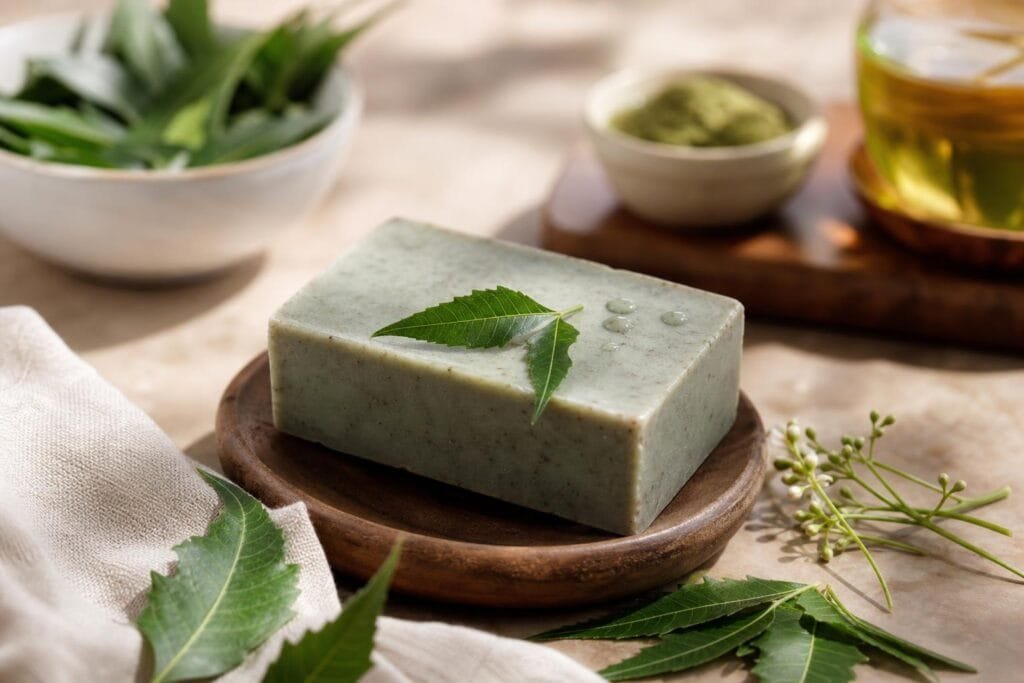
Learn how natural neem soap may help oily, acne-prone skin by reducing excess oil and supporting clearer-looking skin. Includes a step-by-step routine and...
Natural neem soap is a gentle cleanser that may help oily, acne-prone skin by removing excess oil and surface impurities without stripping the skin barrier. Its antibacterial and anti-inflammatory properties, while not a medical treatment, can support clearer-looking skin when used as part of a consistent routine.
Key takeaways
- Neem soap may reduce surface oil and calm redness, but it is not a cure for acne.
- It suits oily and combination skin types; dry or sensitive skin may need a milder alternative.
- Use no more than twice daily, and always follow with a light moisturiser.
- Patch test first, especially if you have sensitive or reactive skin.
- For persistent or severe acne, consult a dermatologist.
What is neem soap and how does it work on oily, acne-prone skin?
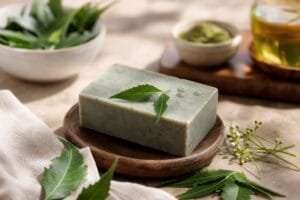
Neem soap is a cleansing bar made with neem oil or neem leaf extract, often combined with other plant oils and lye (sodium hydroxide) in a saponification process. The resulting soap has mild antibacterial and anti-inflammatory properties, which may help reduce the bacteria that contribute to acne and soothe irritated skin. Unlike harsh cleansers that strip all oil, neem soap aims to remove excess sebum while maintaining a healthy skin barrier. In Pakistan’s hot and humid climate, where oil production often increases, a gentle neem-based cleanser can be a practical daily option.
Neem (Azadirachta indica) has been used in traditional medicine for centuries. Its leaves and oil contain compounds like nimbin and nimbidin, which laboratory studies suggest have antimicrobial and anti-inflammatory effects. However, these findings are mostly from in vitro studies, not large clinical trials on acne. So while neem soap may help manage oily skin and mild breakouts, it is not a proven treatment for moderate to severe acne. For persistent or severe acne, see a dermatologist.
Who should use neem soap for oily, acne-prone skin?
Neem soap is best suited to people with oily or combination skin who experience frequent blackheads, whiteheads, or occasional inflammatory pimples. It can also benefit those with body acne on the back or chest. If you have dry or sensitive skin, neem soap may be too drying; a gentler, fragrance-free cleanser is usually better. Those with eczema or rosacea should avoid neem soap unless a dermatologist approves it, as it can cause irritation. During Pakistan’s monsoon season, when humidity rises, oily skin may feel greasier; neem soap can help control shine without over-drying.
How to use neem soap in your daily skincare routine
Using neem soap correctly is key to getting the most benefit without irritation. Follow these steps:
- Patch test first on a small area of your jawline or inner arm. Wait 24 hours to check for redness or itching.
- Wet your face with lukewarm water. Hot water can strip natural oils and worsen irritation.
- Rub the soap between wet hands to create a lather, then apply the foam to your face using gentle circular motions. Avoid scrubbing.
- Rinse thoroughly with lukewarm water. Soap residue can clog pores.
- Pat dry with a clean, soft towel. Do not rub.
- Follow immediately with a lightweight, non-comedogenic moisturiser to prevent dryness.
- Use once or twice daily—morning and night. If your skin feels tight or flaky, reduce to once daily.
For a complete routine, you can also explore other natural soaps that suit your skin’s needs. If you wear makeup, remove it first with a micellar water or cleansing oil, then use neem soap as your second cleanse.
Common mistakes to avoid when using neem soap
Even a good product can cause problems if used incorrectly. Avoid these common pitfalls:
- Over-washing: Cleansing more than twice a day can strip your skin, leading to increased oil production and irritation.
- Skipping moisturiser: Neem soap can be drying; without moisturiser, your skin may compensate by producing more oil.
- Using on broken or inflamed skin: This can cause stinging and delay healing.
- Expecting overnight results: Consistent use over several weeks is needed to see improvement.
- Not rinsing properly: Soap residue can clog pores and cause more breakouts.
- Combining with harsh actives: If you use prescription retinoids or strong acids, introduce neem soap cautiously to avoid irritation.
For more on building a sensible routine, see our post on 5 Skincare Myths to Unlearn for Healthier Skin.
What to look for in a neem soap for acne-prone skin
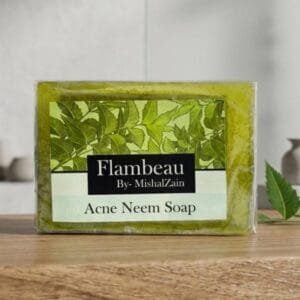
Not all neem soaps are created equal. When choosing, check the ingredient list for neem oil or neem extract near the top. Avoid soaps with added fragrances, dyes, or harsh surfactants like sodium lauryl sulfate (SLS), which can irritate acne-prone skin. Look for moisturising ingredients such as glycerin, shea butter, or olive oil. A well-formulated neem soap should clean without leaving a tight, dry feeling. For those with oily skin, a soap that also contains ingredients like tea tree oil or charcoal may offer additional oil-absorbing benefits. Flambeauty offers a Acne Neem Soap for Pimples, Oil Control & Deep Skin Cleansing that fits this profile. Another option is Moroccan Nila Soap, which may suit those looking for a traditional cleansing bar. For more ingredient guidance, read our article on natural soap ingredients that soothe eczema-prone skin (though note neem soap is not for eczema unless approved by a doctor).

How neem soap fits different skin types
Skin type determines how often and how you should use neem soap. Here is a quick breakdown:
| Skin type | How to use neem soap |
|---|---|
| Oily | Use twice daily. Follow with a lightweight gel moisturiser. May help control shine. |
| Combination | Use once daily, focusing on the T-zone. Moisturise dry areas more heavily. |
| Dry | Not recommended; may cause dryness. If used, limit to once daily and moisturise well. |
| Sensitive | Avoid or patch test first. Neem may cause irritation. Consider a fragrance-free cleanser instead. |
| Acne-prone | Use once or twice daily. Combine with non-comedogenic products. See a dermatologist if acne is severe. |
Remember that individual reactions vary. What works for one person may not work for another. Always introduce new products slowly.
Does neem soap really work for acne? What the evidence says
Neem has a long history of use in Ayurvedic and traditional medicine for skin conditions. Modern research has identified several bioactive compounds in neem that exhibit antibacterial, antifungal, and anti-inflammatory properties. For example, a study published in the Journal of Ethnopharmacology found that neem leaf extract inhibited the growth of Propionibacterium acnes (now Cutibacterium acnes), the bacterium associated with acne. However, this was an in vitro study, and results may not directly translate to real-world use on human skin. Clinical trials specifically on neem soap for acne are lacking. Therefore, while neem soap may help reduce surface bacteria and calm inflammation, it should not replace proven acne treatments like benzoyl peroxide, salicylic acid, or prescription medications. For persistent or severe acne, consult a dermatologist. The American Academy of Dermatology provides skin care secrets that emphasise gentle cleansing and moisturising, which align with using neem soap as part of a balanced routine.
How to incorporate neem soap into a complete skincare routine
Neem soap is just one step. A full routine for oily, acne-prone skin includes:
- Cleansing: Use neem soap morning and night.
- Toning: An alcohol-free toner with ingredients like witch hazel or niacinamide can help minimise pores.
- Treating: If needed, apply a spot treatment containing salicylic acid or benzoyl peroxide on active pimples.
- Moisturising: Use a lightweight, oil-free moisturiser to keep skin hydrated without clogging pores.
- Sun protection: Apply a broad-spectrum sunscreen daily, especially if using active ingredients that increase sun sensitivity.
Consistency is more important than using many products. Give your skin at least four to six weeks to adjust to a new routine before judging results.
When to see a dermatologist
If you have moderate to severe acne, nodules, cysts, or acne that leaves scars, see a dermatologist. Neem soap may complement but not replace medical treatment. Also consult a doctor if you experience persistent redness, itching, or burning after using neem soap, as this could indicate an allergic reaction. For more skincare guidance, visit the Flambeauty blog.
Frequently Asked Questions
Can neem soap cure acne?
No, neem soap is not a cure for acne. It may help reduce surface oil and bacteria, but it does not treat the underlying causes of acne. For persistent or severe acne, consult a dermatologist.
How often should I use neem soap on my face?
Most people with oily or acne-prone skin can use neem soap once or twice daily. If your skin feels dry or tight, reduce to once daily and follow with a moisturiser.
Is neem soap suitable for sensitive skin?
Neem soap may irritate sensitive skin. Patch test first on a small area, and if you experience redness or itching, discontinue use. Those with eczema or rosacea should avoid it unless a dermatologist approves.
Can neem soap help with body acne?
Yes, neem soap can be used on the back and chest to help manage body acne. Use it in the shower, but avoid scrubbing aggressively.
What should I look for in a neem soap for acne-prone skin?
Choose a neem soap that lists neem oil or extract high in the ingredients, and avoid added fragrances, dyes, and harsh sulfates. Look for moisturising ingredients like glycerin or shea butter.
Written by Mishal Rehman, owner of Flambeauty — sharing practical, professional beauty and skincare guidance.
Updated: October 2026