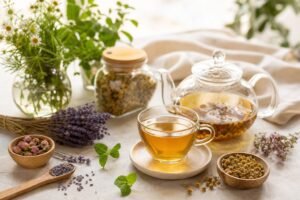
Discover how simple herbal tea habits can support a healthier lifestyle. Learn easy steps, common mistakes, and how to choose quality teas for real results.
Simple herbal tea habits support a healthier lifestyle by promoting hydration, digestion, and relaxation. Replacing sugary drinks with herbal infusions reduces calorie intake and supports overall wellness. Consistent, mindful tea rituals—like a morning cup or evening unwind—can improve energy, sleep, and daily balance without extreme effort.
Why Herbal Tea Deserves a Place in Your Daily Routine
Herbal tea is more than just a warm drink—it’s a gentle, effective way to support your body’s natural rhythms. Unlike caffeinated beverages that can leave you jittery, herbal infusions work with your system to promote calm, aid digestion, and keep you hydrated. In Pakistan, where chai is a cultural staple, swapping one or two cups of sugary, milky tea for a herbal blend can be a game-changer for your health. The key is consistency: small, daily habits compound into noticeable improvements over time.
One of the biggest advantages of herbal tea is its versatility. You can enjoy it hot in winter or iced in summer, and there’s a blend for almost every need—whether you’re looking to soothe bloating, unwind after a long day, or simply increase your water intake. Herbal teas are naturally caffeine-free, making them suitable for any time of day. They also come in countless flavors, from minty and refreshing to spicy and warming, so you’re never bored. And because they’re made from dried flowers, leaves, roots, and spices, they offer a gentle way to incorporate beneficial plant compounds into your diet without the need for supplements.
Another reason to embrace herbal tea is its role in mindful eating. When you take a few minutes to brew and sip a cup, you’re giving yourself a pause—a moment to check in with your body. This simple act can reduce stress, which in turn supports healthier food choices and better digestion. In a fast-paced world, that pause is priceless. Plus, replacing even one soda or sweetened drink with herbal tea can cut hundreds of calories from your day, making it easier to manage your weight. Consistency matters more than intensity: a single cup daily, enjoyed regularly, beats sporadic large amounts.
If you’re new to herbal teas, start with familiar flavors like peppermint, chamomile, or ginger. These are widely available and gentle on the palate. As you get comfortable, explore blends designed for specific goals, such as detox or relaxation. You can find a range of options in our slim fit tea category, which includes blends tailored to support your wellness journey. Remember, the goal isn’t to overhaul your entire diet overnight—it’s to add one small, enjoyable habit that makes you feel good. Over weeks, that habit becomes a natural part of your day, and the benefits stack up.
Choosing the Right Herbal Tea for Your Needs
With so many herbal teas on the market, choosing the right one can feel overwhelming. The best approach is to match the tea to your primary goal. For example, if you struggle with bloating or sluggish digestion, look for blends containing peppermint, ginger, fennel, or dandelion root. If stress and poor sleep are your concerns, chamomile, lavender, and lemon balm are your allies. For a gentle energy boost without caffeine, consider ginseng or ashwagandha blends. And if weight management is your focus, green tea, oolong, and blends with thermogenic spices like cinnamon and cayenne can support metabolism.
Quality matters enormously. Always choose loose-leaf tea over dust-filled tea bags when possible. Loose leaves are typically larger and retain more essential oils, giving you better flavor and more potent benefits. Look for brands that disclose their ingredients and sourcing. Organic certification is a plus, as it ensures no harmful pesticides. If you prefer the convenience of tea bags, opt for those labeled “whole leaf” or “pyramid bags” that give leaves room to expand. Avoid teas with artificial flavors, added sugars, or sweeteners—these defeat the purpose of a healthy habit.
Another factor is the blend’s base. Some herbal teas are single-ingredient, like pure peppermint or chamomile, while others are carefully crafted mixtures. Blends can be more effective because they combine herbs that work synergistically. For instance, a blend with ginger, cinnamon, and green tea might support both digestion and metabolism. When trying a new blend, read the ingredient list and check for any herbs you might be sensitive to. Start with a small amount to see how your body responds. Patch test if you have allergies—though rare, some herbs can cause reactions.
For those specifically interested in weight support, our Slim Fit Tea – 100% Organic Loose Herbal Tea is a thoughtfully crafted option. It combines organic herbs known for their digestive and metabolism-supporting properties. Because it’s loose-leaf, you get the full spectrum of flavors and benefits. Remember, no tea is a magic bullet—it works best alongside a balanced diet and regular movement. But as part of a holistic routine, the right herbal tea can make a real difference in how you feel day to day.

How to Build a Simple Herbal Tea Habit: A Step-by-Step Guide
Building a new habit doesn’t have to be complicated. The key is to start small and attach your tea ritual to an existing routine. Here’s a step-by-step plan to make herbal tea a seamless part of your day.
Step 1: Pick Your Anchor Moment
Choose one time of day when you’ll consistently enjoy your tea. Good anchors include right after waking up, mid-morning, after lunch, or before bed. Consistency is crucial—your body thrives on routine. For example, if you always feel a mid-afternoon slump, replace your usual coffee or snack with a cup of herbal tea. If you struggle to wind down at night, make a caffeine-free blend your evening ritual.
Step 2: Set Up Your Tea Station
Make it easy to brew. Keep your tea, a kettle, and your favorite mug in one accessible spot. If you use loose tea, have a strainer or infuser ready. The fewer steps between you and your cup, the more likely you’ll follow through. You might even prep a thermos in the morning if you’ll be out during your anchor time.
Step 3: Brew Properly
Different herbs require different water temperatures and steeping times. Delicate leaves like green tea and peppermint do best with water around 80°C (176°F) and a 2–3 minute steep. Roots and spices like ginger and cinnamon need boiling water and 5–7 minutes to release their full flavor. Over-steeping can make tea bitter, so set a timer if you’re prone to forgetting. Use fresh, filtered water for the best taste.
Step 4: Sip Mindfully
Don’t just gulp it down. Take a moment to smell the aroma, feel the warmth of the cup, and taste the layers of flavor. This mindful pause enhances relaxation and helps you tune into your body’s cues. It also makes the habit more enjoyable, so you’ll look forward to it.
Step 5: Track and Adjust
For the first week, note how you feel after each cup. Are you more relaxed? Less bloated? More energized? Use a simple journal or a notes app. After a week, assess whether your chosen tea and timing are working for you. If not, experiment with a different blend or time. The beauty of herbal tea is that it’s gentle and adaptable—you can tweak until it fits perfectly.
If you need inspiration for other healthy habits to pair with your tea, explore our blog archive for tips on skincare, hair care, and wellness. For instance, our post on the best skincare routine for combination skin in humid weather complements a holistic approach to feeling good inside and out.
Common Mistakes to Avoid When Drinking Herbal Tea
Even a healthy habit can backfire if you fall into common traps. One of the biggest mistakes is adding sugar, honey, or artificial sweeteners. While a touch of honey might seem harmless, it adds empty calories and can spike blood sugar. If you need sweetness, try a blend that already contains naturally sweet herbs like licorice root or cinnamon. Keep your tea unsweetened to reap the full benefits.
Another mistake is overconsumption. Herbal teas are generally safe, but some herbs can interact with medications or cause side effects in large amounts. For example, licorice root can raise blood pressure, and St. John’s wort can interfere with certain drugs. Stick to 2–3 cups per day unless a healthcare provider advises otherwise. If you’re pregnant, nursing, or on medication, consult your doctor before trying new herbs.
Timing can also be an issue. Drinking large amounts of tea right before meals can dilute stomach acid and hinder digestion. Similarly, drinking diuretic herbs like dandelion close to bedtime might disrupt your sleep with extra bathroom trips. Listen to your body’s signals and adjust your timing accordingly. Also, avoid drinking extremely hot tea—let it cool slightly to prevent burning your mouth and esophagus.
Finally, don’t expect overnight miracles. Herbal tea is a supportive habit, not a cure-all. It works best when combined with a balanced diet, regular exercise, and adequate sleep. If you’re using tea as part of a weight management plan, pair it with wholesome meals and movement. Our volume-boosting hair care routine is another example of how small, consistent habits lead to visible results—whether for hair or overall health.
What to Look for When Buying Herbal Tea
When shopping for herbal tea, start by reading the ingredient list. The best teas have short, recognizable lists—ideally just herbs, flowers, roots, and spices. Avoid anything with “natural flavors,” which is a vague term that can hide undesirable additives. Look for organic certification to ensure the herbs were grown without synthetic pesticides. If you can, choose loose-leaf tea, as it’s less processed and often higher quality.
Consider the packaging too. Tea stored in airtight, opaque containers retains its freshness longer. If you buy in bulk, transfer to a dark glass jar or a tin. Exposure to light, heat, and moisture degrades the essential oils that give tea its flavor and benefits. Buy from reputable brands that provide sourcing information. If a company can’t tell you where their herbs come from, be cautious.
Price is another factor. You don’t need to spend a fortune, but extremely cheap tea is often old or low-grade. Expect to pay a fair price for quality. In Pakistan, you can find excellent local and imported herbal teas at various price points. For a premium option, our Slim Fit Tea is 100% organic and loose-leaf, offering great value for those serious about their wellness. Remember, the best tea is one you enjoy drinking consistently, so let your taste buds guide you too.
Adapting Herbal Tea Habits to Different Lifestyles
Your lifestyle influences how you incorporate herbal tea. If you’re a busy professional, you might prefer a quick-brewing tea bag or pre-portioned loose tea that you can steep at your desk. A thermos of iced herbal tea can keep you hydrated during commutes. For students, a late-night study session can be paired with a focus-enhancing blend like peppermint or green tea (if caffeine isn’t an issue). Parents might find a calming chamomile blend helpful during their evening wind-down.
If you’re active or into fitness, herbal teas can support hydration and recovery. Post-workout, a blend with ginger and turmeric can help reduce inflammation, while a electrolyte-infused tea can replenish minerals. For those watching their weight, drinking a cup before meals can curb appetite and aid digestion. And if you have a sensitive stomach, stick to gentle herbs like fennel, peppermint, and chamomile.
Cultural preferences also play a role. In Pakistan, many people enjoy strong, milky chai multiple times a day. You don’t have to give that up entirely—just swap one or two cups for a herbal alternative. You might start with a chai-spiced herbal blend that mimics the familiar flavor without the sugar and milk. Over time, your palate adjusts, and you may find you crave the lighter, cleaner taste of herbal infusions.
Ultimately, the goal is to make herbal tea a sustainable part of your life, not a chore. Experiment with flavors, timings, and preparations until you find what works for you. Whether you’re a morning person or a night owl, there’s a tea habit that fits. And as you build that habit, you’re not just drinking tea—you’re investing in a healthier, more balanced you.
Frequently Asked Questions
How many cups of herbal tea should I drink per day?
Most people can safely enjoy 2–3 cups of herbal tea daily. However, some herbs can interact with medications or cause side effects in large amounts, so consult a healthcare provider if you're pregnant, nursing, or on medication.
Can herbal tea help with weight loss?
Herbal teas can support weight management by promoting hydration, aiding digestion, and providing a low-calorie alternative to sugary drinks. They work best alongside a balanced diet and regular exercise, not as a standalone solution.
What is the best time to drink herbal tea?
The best time depends on your goal. Morning or mid-afternoon is great for an energy boost, while evening is ideal for calming blends like chamomile. Avoid drinking large amounts right before meals or bedtime if it disrupts digestion or sleep.
Are there any side effects of drinking herbal tea?
Herbal teas are generally safe, but some herbs can cause allergic reactions or interact with medications. Always read ingredient labels, start with small amounts, and consult a doctor if you have concerns.
Written by Mishal Rehman, owner of Flambeauty — sharing practical, professional beauty and skincare guidance.
Updated: September 2026